
Review · DHARAVI COMMUNITY WALKS
Private Dharavi Slum Tour
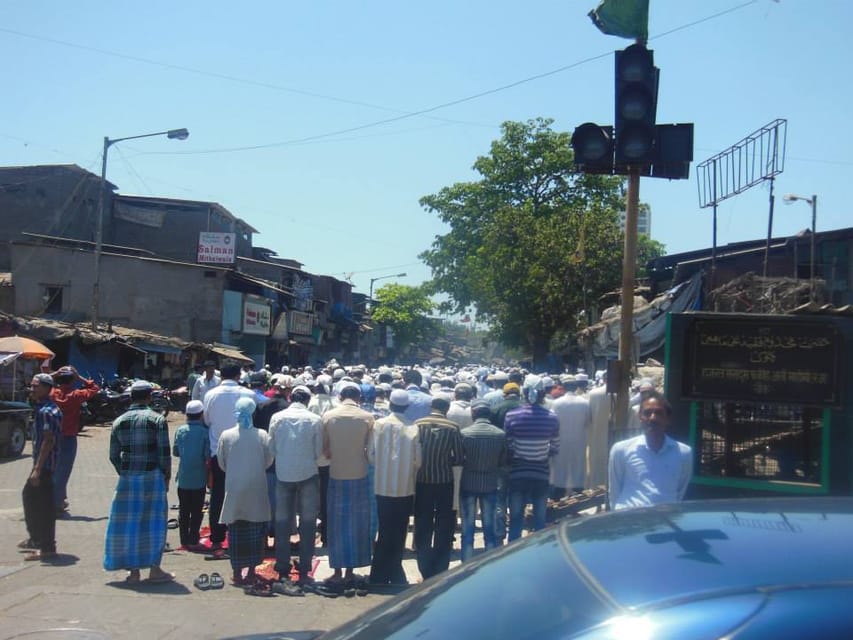
Dharavi teaches lessons you can’t screenshot. In just 2 hours, you get a real-life look at how people make a living in tight lanes, with a guide who lives the place. I especially like the sense of community you can feel right away, and I also like learning the practical side of Dharavi trades, from recycling materials to leather and dye work.
You’ll go in with a plan and still come out with a bigger picture. Guides you might meet include Abishek or Aarti, and drivers you might ride with have names like Mukesh or Miukesh, depending on the day and pickup.
One important catch: cameras aren’t allowed on this tour, so you’ll need to experience it with your eyes, not your phone.
In This Review
- Key highlights to know before you go
- Entering Dharavi’s narrow alleys: what makes this walk different
- Meeting in Mumbai and getting to the start without stress
- Inside Dharavi: communities and trades you can actually understand
- The Slumdog Millionaire link and the Design Museum clue
- Life with monsoon risk, sanitation limits, and water access
- Safety, comfort, and the no-camera rule
- Price and what you’re really paying for: $65 for a private 2-hour plan
- Who this tour suits best (and who should rethink it)
- Should you book the Private Dharavi Slum Tour?
- FAQ
- How long is the Private Dharavi Slum Tour?
- How much does the tour cost?
- Is the tour private or shared?
- What’s included in the price?
- What’s not included?
- Are cameras allowed?
- Where does pickup happen?
Key highlights to know before you go
- Student-led local perspective: Guides are living in the slum, so the explanations feel grounded and direct.
- Trades you can point to: Expect to hear about work like recycling used materials, dye production, leather manufacturing, and more.
- Film and culture touchpoints: You’ll hear about where Slumdog Millionaire was shot and what that changed (and didn’t).
- Design Museum reference point: In February 2016, Dharavi’s first Design Museum opened, and it’s part of the story you’ll likely encounter.
- Strong everyday reality: The tour connects daily life to real issues like flooding risk and sanitation challenges.
Entering Dharavi’s narrow alleys: what makes this walk different
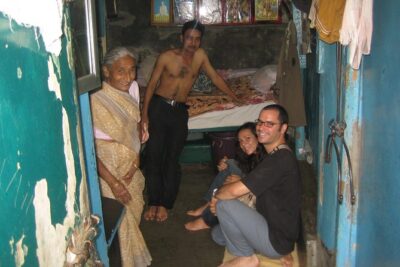
Dharavi isn’t a museum set. Even when you’re just walking, you’re seeing how a mini-city runs on schedules you don’t control. The streets are narrow, the space is shared, and the pace is human—not tourist-made.
I like that the tour leans toward understanding instead of staring. The best moments usually come when the guide explains how different groups coexist and work side by side, and you realize this isn’t one single story—it’s many daily stories layered together.
Also, the “2 hours” length matters. You get enough time to ask questions and notice details, without turning it into a long, exhausting slog. In a place like this, shorter can be better.
Meeting in Mumbai and getting to the start without stress
Pickup is in Mumbai, typically from your hotel area. The guide meets you in the lobby and you’ll look for a purple shirt with a footprint logo. You also get private air-conditioned transportation, which is a real comfort in Mumbai traffic before and after the walk.
You’ll also be traveling as a private group, so you can move at a pace that feels workable for your questions. If you’re not into big group logistics, this setup is part of the value.
One practical tip: wear comfortable shoes. The route is through narrow lanes, and you’ll want footing that won’t hate you at the end.
Other Dharavi walks led by people who live there



Inside Dharavi: communities and trades you can actually understand
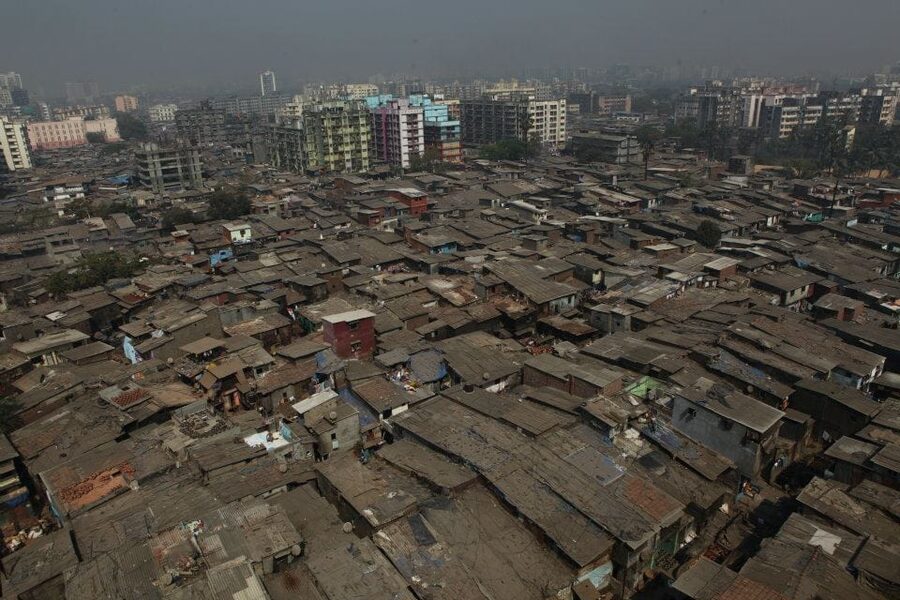
This is where the tour earns its keep. Dharavi is known for multiple industries happening close together, and the walk is designed to connect the dots between the people and the work.
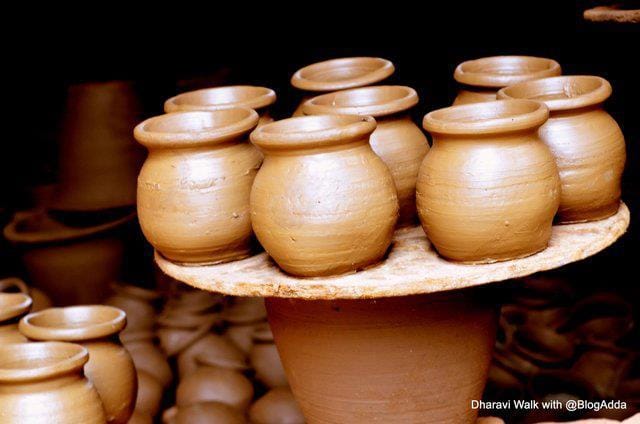
You’ll learn about a range of trades, including recycling used materials (like veg-oil cans), dye production, leather manufacturing, and other day-to-day processes. You may also hear about related activities such as plastic recycling, pottery, poppadom baking, and soap production. The names are useful, but what’s more helpful is how the guide explains the chain of work—who does what, and why it matters to the local economy.
A great sign of a good guide here is how they frame work as work, not as a spectacle. When you hear explanations that connect skills to daily needs, you’ll feel less like an outsider watching something strange and more like a visitor trying to understand how the place functions.
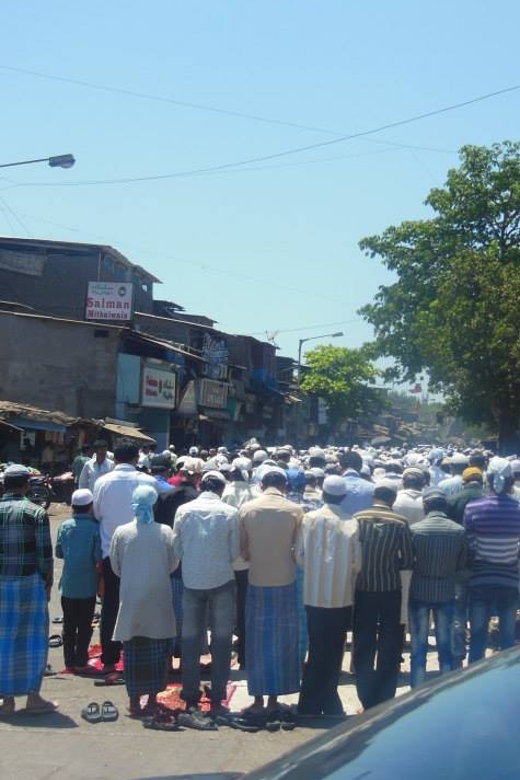
You’ll also get a sense of the area’s different communities. That part isn’t about “tour stats.” It’s about seeing how people organize their lives in shared space, including the practical reality of where different activities happen.
The Slumdog Millionaire link and the Design Museum clue
Dharavi’s global fame didn’t happen in a vacuum. You’ll discover where Slumdog Millionaire was shot, and that film connection is part of the area’s modern story—how the outside world discovered Dharavi, and how that attention has been interpreted ever since.
What I like about including the film reference is that it gives you a way to place what you’re seeing. You’re not just staring at alleys; you’re mapping memory and media onto real streets and real routines.
The tour also points to culture beyond film. In February 2016, Dharavi’s first Design Museum opened, and that’s a strong reminder that people here are not only dealing with hardship—they’re also shaping ideas, design, and creativity. Even if you don’t walk into a museum during your time, the mention helps you understand why the story isn’t only about problems.
Life with monsoon risk, sanitation limits, and water access
This tour doesn’t pretend Dharavi is purely charming or purely tragic. It acknowledges the tough realities that come with density and infrastructure.
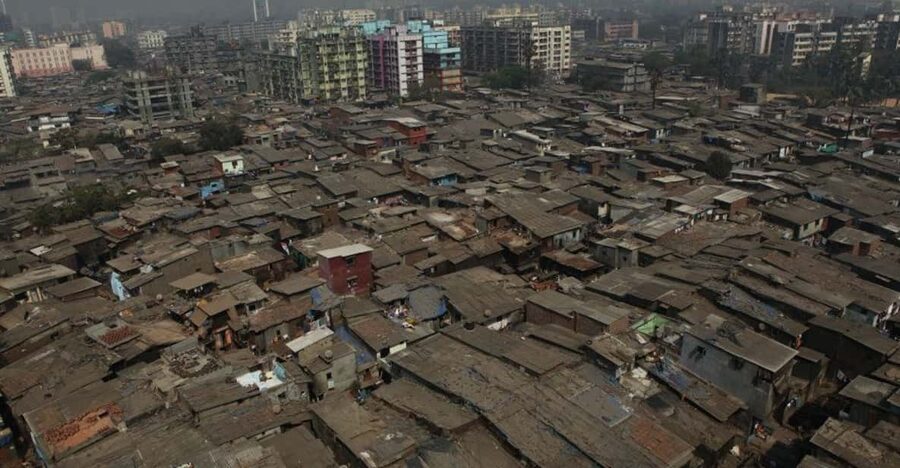
Dharavi is spread over about 200 hectares (roughly 500 acres), and estimates of its population vary widely—from about 300,000 up to around a million. You’ll hear that this kind of density, combined with poor sewage and drainage, makes the area vulnerable to floods during the monsoon. That’s not trivia; it’s the kind of background that helps you understand why daily routines and access to basic services matter so much.
Water access is described through public standpipes located around the area. Toilets are limited, extremely filthy, and often broken. And Mahim Creek is widely used by local residents for urination and defecation, which contributes to the spread of contagious diseases.
I’m glad the tour includes this context because it changes how you interpret what you see. Without it, you might label everything as simply chaotic. With it, you can start to see the logic—and the strain—behind the scenes.
A note for your mindset: keep your questions respectful. This is sensitive material, and the best tours handle it with care and a human tone.
More Mumbai days built around your own list
- Private Mumbai Sightseeing Tour (Traveller’s Choice Award Winner)
★ 5.0 · 1,565 reviews - Elephanta Caves & Island Guided Private Tour
★ 5.0 · 1,327 reviews - Private Guided Walking Tour in Fort & Colaba
★ 5.0 · 895 reviews - Highlights of South Mumbai Guided Private Tour in AC Vehicle
★ 5.0 · 620 reviews - Private Mumbai Sightseeing Tour(Travellers Choice Award Winner)
★ 5.0 · 565 reviews - Private Half-Day Sightseeing Tour in Mumbai
★ 5.0 · 430 reviews
Safety, comfort, and the no-camera rule
Safety on this kind of walking tour comes down to professionalism and local guidance, and this experience is built around that. You’ll be picked up, transported, guided on foot, and returned—so you’re not left to figure out logistics in a crowded area.
More importantly, the guide approach is designed to help you feel secure and comfortable. Guides you might meet include Abishek or Aarti, and the driver you ride with may be Mukesh or Miukesh. The key point is that the tour is organized, not improvised.
Now, the major drawback: no photograph rules apply. That’s not a minor detail here. It means you’ll have to plan to remember what you learn with your attention, not with a camera roll.
If you’re the type who needs a photo to prove you went, this may test you. But it also changes the dynamic. Without the constant shutter, you’ll likely focus more on conversation, observation, and learning rather than collecting images.
Price and what you’re really paying for: $65 for a private 2-hour plan
At $65 per person for 2 hours, this is not a budget “hop-on, hop-off” add-on. You’re paying for a full package: hotel pickup and drop-off, private air-conditioned transport, English-language guide fees, and water, plus toll, parking, and tax.
In value terms, you’re buying three things:
- Time saved from figuring out transport and local navigation
- A local student guide perspective, in English
- A private format, so you can ask questions and move with less crowd pressure
What you don’t get is food and shopping. That’s normal for a short walking tour, but it means you should eat before or after. Also, plan around the water you’re provided during the tour and keep your own snacks if you need them—just don’t count on the tour to include meals.
If you want a guided experience that’s structured, respectful, and intentionally short, $65 can feel reasonable. If you’re purely price-driven, you might compare it to cheaper options—but you’d also be trading away the private guidance and built-in logistics.
Who this tour suits best (and who should rethink it)
This tour fits you if you want a learning-focused walk that connects daily labor, community life, and real-world conditions in a focused time window. It’s especially good if you like guided interpretation and you’re okay going without photos.
It’s also a strong fit if you prefer:
- a private group setting
- English explanations
- pickup and transport handled for you
- a moderate duration (2 hours)
It may be less suitable if you strongly rely on taking photos, or if you’re uncomfortable with discussion of sanitation challenges and monsoon flooding risk. The experience includes those realities, and that matters for expectations.
Should you book the Private Dharavi Slum Tour?
Book it if you want a short, guided, structured way to understand Dharavi beyond headlines—through local student guidance, real trades, and contextual facts like monsoon vulnerability, water access, and limited sanitation. The lack of cameras is the big tradeoff, but it also supports a more respectful, less performative experience.
Skip it (or at least be cautious) if you want lots of photo opportunities or if you’re not ready to hear about difficult infrastructure issues. Also, because it’s a walking route through narrow alleys, comfortable shoes aren’t optional.
If you go with curiosity, respect, and the mindset that you’re here to learn how a real place works, this 2-hour private tour is the kind of experience that sticks with you for the right reasons.
FAQ
How long is the Private Dharavi Slum Tour?
The tour lasts 2 hours.
How much does the tour cost?
It costs $65 per person.
Is the tour private or shared?
It’s a private group.
What’s included in the price?
Hotel pickup and drop-off, private air-conditioned transportation, an English-language guide, water, and toll, parking, and tax are included.
What’s not included?
Food and shopping are not included.
Are cameras allowed?
No, cameras are not allowed.
Where does pickup happen?
Pickup is in Mumbai, and the guide meets you in your hotel lobby (with a purple shirt and footprint logo).
More Mumbai, Every Kind of Day
- Dharavi slum tour in Mumbai by Female tour guides of the slum
★ 5.0 · 1,976 reviews - Mumbai: Full-Day Sightseeing Tour of Mumbai
★ 4.9 · 1,822 reviews - Private Mumbai Sightseeing Tour (Traveller’s Choice Award Winner)
★ 5.0 · 1,565 reviews - Elephanta Caves & Island Guided Private Tour
★ 5.0 · 1,327 reviews
Mumbai on Your Own Terms
- Private Mumbai Sightseeing Tour (Traveller’s Choice Award Winner)
★ 5.0 · 1,565 reviews - Elephanta Caves & Island Guided Private Tour
★ 5.0 · 1,327 reviews - Private Guided Walking Tour in Fort & Colaba
★ 5.0 · 895 reviews - Highlights of South Mumbai Guided Private Tour in AC Vehicle
★ 5.0 · 620 reviews
Dharavi, Told by Its Residents
- Dharavi slum tour in Mumbai by Female tour guides of the slum
★ 5.0 · 1,976 reviews - Mumbai: Dharavi Slum, DhobiGhat, and Dabbawallas Tour
★ 4.9 · 689 reviews - Dharavi Slum Tour
★ 5.0 · 625 reviews - Dharavi Slum tour in Mumbai by local resident
★ 5.0 · 572 reviews
New on the Mumbai shortlist

Dharavi Community Walks, compared.
 ★ 5.0Dharavi slum tour in Mumbai by Female tour guides of the slumFrom $91,976 reviews
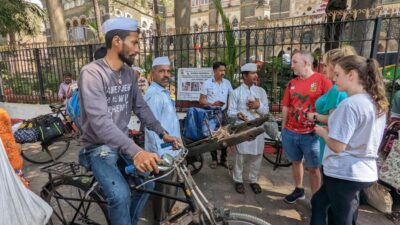 ★ 4.9Dharavi Slum, DhobiGhat, and Dabbawallas TourFrom $14689 reviews
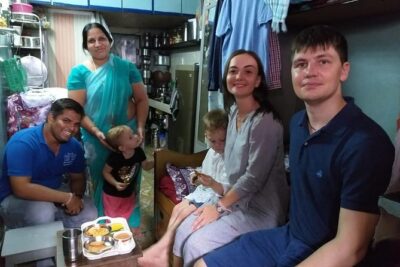 ★ 5.0Dharavi Slum TourFrom $20625 reviews
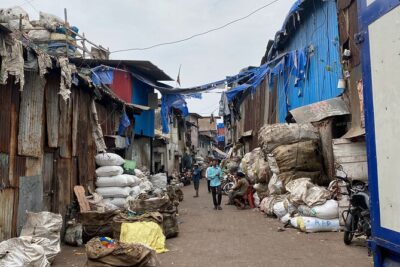 ★ 5.0Dharavi Slum tour in Mumbai by local residentFrom $4572 reviews
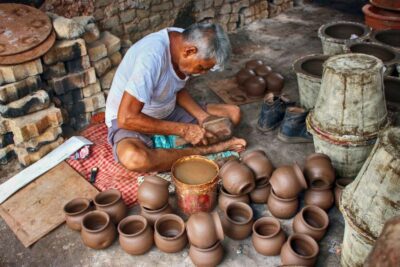 ★ 4.9Dharavi Slum Slumdog Millionaire Tour with a LocalFrom $10529 reviews
 ★ 5.0Mumbai Slum Tour – Visit Dharavi Slum with Local GuideFrom $5509 reviews
 ★ 5.0Dhobi Ghat Laundry and Dharavi Slum Tour with LocalFrom $4469 reviews
 ★ 5.02-Hour Guided Tour of DharaviFrom $22359 reviews
Browse the lists this tour appears in