
Review · DHARAVI COMMUNITY WALKS
Private Dharavi Slum Tour with Mumbai Sightseeing
Mumbai hits hard, then teaches fast. This private tour strings together iconic views like the Gateway of India with real, on-the-ground life in Dharavi, guided so you don’t waste time figuring things out. It’s a one-day hit of contrasts, done in a 6 to 7 hour flow.
I like that you get an air-conditioned ride with round-trip pickup so your day starts moving instead of stalling at the station. I also like the guide focus: you’ll stop at major landmarks around South Mumbai, then switch gears for Dharavi with a local perspective, plus a traditional Dhobi Ghat explanation along the way.
One thing to consider: Dharavi includes at least 1.5 hours of walking inside the slums, so you’ll want comfortable shoes and the mindset for a sensitive, close-up look at everyday life. Also, lunch isn’t included, so plan to grab food before or after.
In This Review
- Key points I’d mark before you go
- A 6–7 Hour Route That Mixes Landmarks and Everyday Mumbai
- Pickup, Ride Comfort, and the Smart-Casual Reality Check
- The South Mumbai Landmark Loop: What Each Stop Is Good For
- Gateway of India and Taj Mahal Palace: The postcard start, with meaning
- Dhobi Ghat: A working system, not just a place name
- Town Hall, Municipal Building, and the idea of power
- Victoria Terminus: the landmark that screams movement
- Marine Drive, Nariman Point, Chowpatty Beach, Hanging Garden: viewpoints that make you slow down
- Mani Bhavan: a more human kind of history marker
- Dhobi Ghat to Dharavi: Why This Switch Works
- Dharavi Slum Tour: How to Prepare, What to Expect, and How to Be Respectful
- Price and Value: Is $29 a Good Deal for This Mix?
- Guides Matter: Mr. Nisar and Sunny’s Style of Touring
- Who Should Book This Tour (and Who Might Want a Different Plan)
- Practical Notes to Make the Day Go Smoothly
- Should You Book This Private Dharavi Slum Tour and Mumbai Sightseeing Day?
- FAQ
- FAQ
- How long is the Mumbai city sightseeing and Dharavi tour?
- Is pickup from my hotel included?
- What major sights are included in the city portion?
- How much walking is there in Dharavi?
- Is lunch included in the tour price?
- Is this a private tour or a shared group?
- What’s included in the price?
- What’s the dress code?
- Do I get a ticket on my phone?
- What is the cancellation policy?
Key points I’d mark before you go
- Private tour feel: only your group, not a big crowd shuffle
- A/C transport + pickup: less friction than public transit
- Big-hits landmark route: Gateway of India, Marine Drive, Victoria Terminus and more
- Dhobi Ghat stop: see how the laundry system works, not just a photo spot
- Dharavi time with walking: expect a real-world, on-foot experience
- Guides get praised by name: people like Sunny and Mr. Nisar stand out for clear explanations and friendly pacing
A 6–7 Hour Route That Mixes Landmarks and Everyday Mumbai
This is built for people who want to understand Mumbai quickly. You start with the shiny, famous sights most first-timers chase, then you move into a very different neighborhood where the city’s daily engine runs.
The pacing matters. Your driver and guide handle transfers in an air-conditioned vehicle, so you spend less time in traffic standstill and more time seeing what you came for. Then, once the landmark loop is done, the day slows down in a good way with the Dharavi walking portion, where you’re not just passing by—you’re moving through the neighborhood streets long enough to notice how businesses and homes overlap.
Because it’s private, your guide can adjust the tempo if you want more photos at a viewpoint or need extra bathroom time between stops. That flexibility is part of the value at this price point.
Pickup, Ride Comfort, and the Smart-Casual Reality Check
You’re offered pickup, and the tour runs with an air-conditioned vehicle plus bottled water and a snack. That sounds small, but Mumbai sightseeing can be intense—heat, crowds, and stop-and-go traffic add up fast. Having water on board and a snack in the middle of the route keeps the day from turning into a hangry slog.
Dress code is smart casual. You don’t need to dress for a gala, but do think practical: light layers for warmth, breathable fabrics, and shoes that work for uneven sidewalks. For Dharavi, comfortable shoes aren’t optional. The walking inside is at least 1.5 hours, and you’ll want stability more than style.
You’ll also meet at a central spot (near the General Post Office / Fort / Chhatrapati Shivaji Terminus area). That’s helpful because it puts you close to major transport lines and gives the day a clear start and end point.
Other Dharavi walks led by people who live there




The South Mumbai Landmark Loop: What Each Stop Is Good For
The first half of the day is a classic South Mumbai orientation—what the city looks like at postcard distance, but with context from your guide so it becomes more than a photo walk.
Here are the standout stops and why they’re worth your time:
Gateway of India and Taj Mahal Palace: The postcard start, with meaning
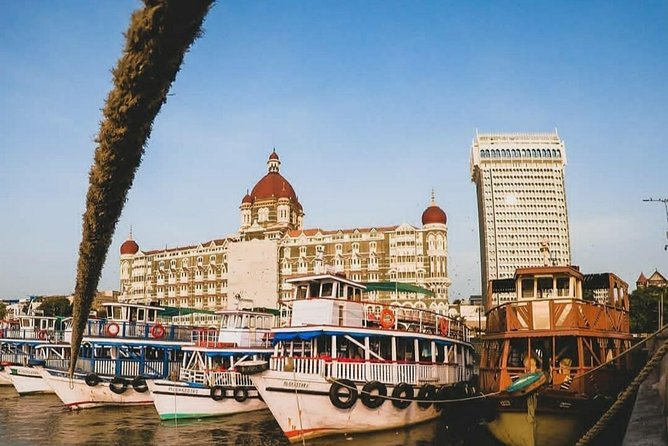
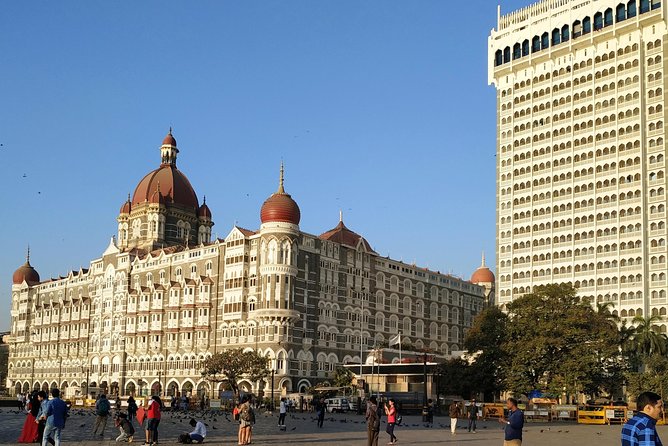
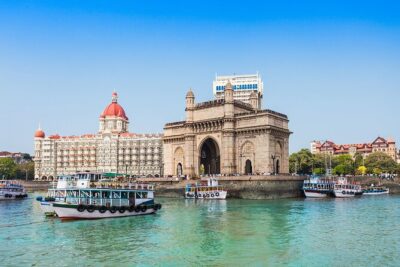
You’ll hit Gateway of India and also the Taj Mahal Palace area. This is where Mumbai’s historic relationship with the sea and global visitors is easy to visualize. Even if you’ve seen these landmarks in photos, the best part is that your guide helps you understand what you’re looking at—why this location became a meeting point and how it shaped the city’s public face.
Tip for your photos: try to frame the views without rushing. The wind and light can change fast along this waterfront zone.
Dhobi Ghat: A working system, not just a place name
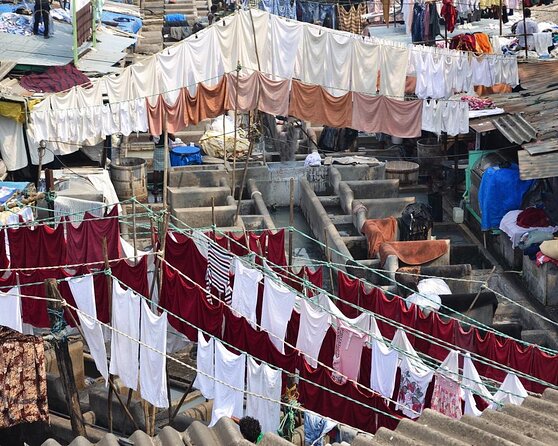
Dhobi Ghat is where the tour shifts from scenery to routine. The tour includes a stop where you learn the idea of how laundry men collect dirty linen, wash it, and return it neatly pressed to your doorstep. That detail matters because it turns a visual curiosity into an understanding of how labor and services feed the city.
This is the kind of stop where you’ll get more out of it if you ask questions about how the process works and who depends on it. The goal isn’t to treat people like props—it’s to understand the service system that keeps Mumbai moving.
Other loops past the Gateway, Marine Drive and beyond
- Mumbai: Full-Day Sightseeing Tour of Mumbai
★ 4.9 · 1,822 reviews - Private Mumbai Sightseeing Tour (Traveller’s Choice Award Winner)
★ 5.0 · 1,565 reviews - Highlights of Mumbai Sightseeing Tour: TRAVELLERS CHOICE AWARDED
★ 5.0 · 915 reviews - Highlights of South Mumbai Guided Private Tour in AC Vehicle
★ 5.0 · 620 reviews - Private Mumbai Sightseeing Tour(Travellers Choice Award Winner)
★ 5.0 · 565 reviews - Private Half-Day Sightseeing Tour in Mumbai
★ 5.0 · 430 reviews
Town Hall, Municipal Building, and the idea of power
You’ll also pass the Town Hall and the Municipal Building. These stops help explain how Mumbai governs and organizes itself in the visible center of the city. Stone-and-stairs landmarks can become background clutter if you’re just walking by, but a guide can point out what makes these buildings function as public symbols.
Victoria Terminus: the landmark that screams movement
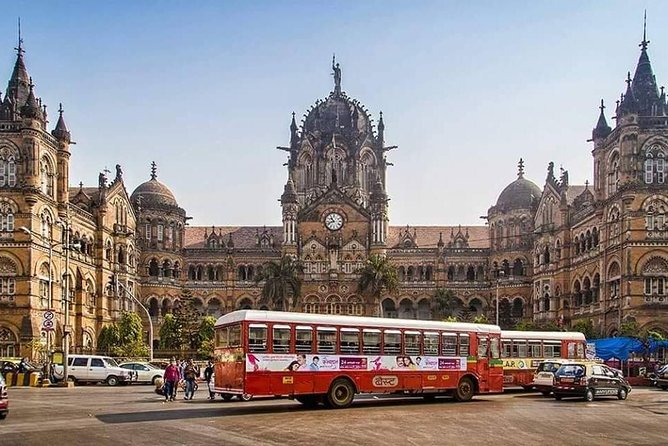
Victoria Terminus (now known as Chhatrapati Shivaji Maharaj Terminus) is a stop that connects Mumbai’s energy to its rail history. Even if you don’t go inside, the surrounding area and the architectural presence give you a sense of scale. Mumbai is a city built on routes—this is one of the physical anchors.
Marine Drive, Nariman Point, Chowpatty Beach, Hanging Garden: viewpoints that make you slow down
You’ll spend time around Marine Drive, Nariman point, Chowpatty Beach, and the Hanging Garden. These are the places where you can breathe for a minute, watch city life, and understand why locals and visitors both treat this strip like a social stage.
The practical benefit: viewpoints like these also help you reset mentally before Dharavi. If the morning is transport and monuments, the afternoon viewpoint stops let you notice Mumbai’s mood—sea air, traffic patterns, and the way people gather.
Mani Bhavan: a more human kind of history marker
Mani Bhavan is included too. It’s the sort of stop that doesn’t just rely on architectural impact—it’s tied to individual stories. This helps balance the day so you don’t only get big structures and views.
Dhobi Ghat to Dharavi: Why This Switch Works
What I like about this tour design is the handoff. You go from learning a practical daily service (Dhobi Ghat) to seeing a neighborhood where livelihoods are closely woven together (Dharavi). That makes Dharavi less of a shock-and-awe “other world” stop and more of a continuation of how Mumbai functions.
It also keeps the day honest. Mumbai isn’t only monuments and skyline shots. It’s labor systems, small businesses, home spaces, and community networks. The tour structure nudges you to think that way.
Dharavi Slum Tour: How to Prepare, What to Expect, and How to Be Respectful
After the city driving portion, you’ll head to Dharavi for the slum tour. Expect at least 1.5 hours of walking inside the area. This is not a drive-by.
Here’s what that means for you in real terms:
- You’ll be on foot long enough to notice details, not just pass entrances.
- You’ll need energy and comfort. Heat, uneven surfaces, and tight lanes are part of the experience.
- The day can feel emotionally heavy, depending on your mindset.
What makes a guide’s role important here is context. You’re not just watching. You’re learning the “why” behind what you see—how daily life works, where people run businesses, and how residents make the best use of space.
Also, be aware of the human side. In a neighborhood like this, respect isn’t a suggestion. Keep your camera use thoughtful, ask before photographing, and focus on listening rather than collecting images.
One more consideration: since the tour does not include lunch, Dharavi timing can land close to meal time. If your body runs low on fuel, it’s harder to handle long walking and emotional intensity. I’d plan a snack strategy before you go in, even though you do get a snack on tour.
Price and Value: Is $29 a Good Deal for This Mix?
At $29 per person for a 6 to 7 hour private experience, the value comes from what’s bundled, not just the headline price.
You’re getting:
- A local guide
- An air-conditioned vehicle
- Bottled water and a snack
- Stops at multiple top Mumbai sights
- A Dharavi walking experience
You’re also avoiding the biggest hidden cost of self-guided sightseeing in Mumbai: time. Public transport can be an adventure, but it can also eat your day fast if you’re juggling routes and transfers. This tour’s whole point is efficiency with context. You get to see a lot without turning your day into navigation homework.
The only real “watch item” on value is what you don’t get: lunch isn’t included. That’s not a deal-breaker, but it means you should budget for a meal separately.
Guides Matter: Mr. Nisar and Sunny’s Style of Touring
One reason this tour stands out in the feedback is the guide experience. Names like Mr. Nisar and Sunny show up connected to clear explanations, friendly energy, and good use of time—plus help with practical things like taking lots of photos when you ask.
That matters because Mumbai has a lot of visual noise. If your guide is skilled at translating what you see into understandable stories, the day feels sharper and less random. If your guide is more “point and go,” you’ll miss the deeper connections between landmarks and local life.
Look at it this way: at $29, you’re paying for access and structure. The guide turns that structure into understanding.
Who Should Book This Tour (and Who Might Want a Different Plan)

This is a strong fit if you:
- Want a first-time Mumbai day that covers major sights fast
- Prefer private pacing over big group schedules
- Are curious about how Mumbai works beyond the skyline
- Don’t mind walking for at least 1.5 hours in Dharavi
It might be less ideal if you:
- Have trouble with sustained walking or uneven pathways
- Want a purely scenic, lighthearted day with minimal emotion
- Need lunch included in the cost (since it isn’t)
If you’re traveling as a couple, solo, or a small group and you like structure, this format works well. If you’re a family, the key question is whether everyone can handle the Dharavi walking time comfortably.
Practical Notes to Make the Day Go Smoothly
A few practical things will make your day feel easier:
- Wear comfortable shoes for Dharavi walking
- Keep your phone ready for photos, but stay respectful about when and where to photograph
- Bring a light layer for indoor stops and air-conditioned travel comfort
- Eat before the tour or plan your meal around the fact that lunch isn’t included
- Use the smart-casual dress code as your baseline, not formal wear
Also, because the tour starts and ends around a central meeting point near Fort / General Post Office / Chhatrapati Shivaji Terminus area, you’ll likely find it easier to connect to your hotel plans afterward.
Should You Book This Private Dharavi Slum Tour and Mumbai Sightseeing Day?
If you want one day that covers Mumbai’s biggest icons and also spends real time on the ground in Dharavi, this tour is worth booking. The price is low enough that you can afford it even if you’re adding other experiences later, and the inclusion of air-conditioned transport, water, a snack, and a guide keeps you from getting dragged down by logistics.
Just go in with the right expectations: Dharavi involves walking and a closer look at daily life. If you can handle that with respect and comfort, you’ll likely come away with a much more complete sense of Mumbai than a landmark-only day can provide.
FAQ
FAQ
How long is the Mumbai city sightseeing and Dharavi tour?
It runs about 6 to 7 hours.
Is pickup from my hotel included?
Yes, pickup is offered, and the tour includes round-trip transport from your Mumbai hotel.
What major sights are included in the city portion?
You’ll visit places such as Gateway of India, Taj Mahal Palace, Dhobi Ghat, Town Hall, Victoria Terminus, the Municipal Building, Marine Drive, Nariman point, Chowpatty Beach, Hanging Garden, and Mani Bhavan.
How much walking is there in Dharavi?
You should prepare for at least 1.5 hours of walking inside Dharavi slums.
Is lunch included in the tour price?
No, lunch is not included.
Is this a private tour or a shared group?
It’s private—only your group will participate.
What’s included in the price?
Bottled water, a snack, a local guide, and an air-conditioned vehicle are included.
What’s the dress code?
Smart casual dress code is required.
Do I get a ticket on my phone?
A mobile ticket is provided.
What is the cancellation policy?
You can cancel for a full refund if you cancel up to 24 hours in advance of the experience start time.
Mumbai on Your Own Terms
- Private Mumbai Sightseeing Tour (Traveller’s Choice Award Winner)
★ 5.0 · 1,565 reviews - Elephanta Caves & Island Guided Private Tour
★ 5.0 · 1,327 reviews - Private Guided Walking Tour in Fort & Colaba
★ 5.0 · 895 reviews - Highlights of South Mumbai Guided Private Tour in AC Vehicle
★ 5.0 · 620 reviews
The Big Mumbai Circuits
- Mumbai: Full-Day Sightseeing Tour of Mumbai
★ 4.9 · 1,822 reviews - Private Mumbai Sightseeing Tour (Traveller’s Choice Award Winner)
★ 5.0 · 1,565 reviews - Highlights of Mumbai Sightseeing Tour: TRAVELLERS CHOICE AWARDED
★ 5.0 · 915 reviews - Highlights of South Mumbai Guided Private Tour in AC Vehicle
★ 5.0 · 620 reviews
Dharavi, Told by Its Residents
- Dharavi slum tour in Mumbai by Female tour guides of the slum
★ 5.0 · 1,976 reviews - Mumbai: Dharavi Slum, DhobiGhat, and Dabbawallas Tour
★ 4.9 · 689 reviews - Dharavi Slum Tour
★ 5.0 · 625 reviews - Dharavi Slum tour in Mumbai by local resident
★ 5.0 · 572 reviews
New on the Mumbai shortlist



Dharavi Community Walks, compared.
 ★ 5.0Dharavi slum tour in Mumbai by Female tour guides of the slumFrom $91,976 reviews
 ★ 4.9Dharavi Slum, DhobiGhat, and Dabbawallas TourFrom $14689 reviews
 ★ 5.0Dharavi Slum TourFrom $20625 reviews
 ★ 5.0Dharavi Slum tour in Mumbai by local residentFrom $4572 reviews
 ★ 4.9Dharavi Slum Slumdog Millionaire Tour with a LocalFrom $10529 reviews
 ★ 5.0Mumbai Slum Tour – Visit Dharavi Slum with Local GuideFrom $5509 reviews
 ★ 5.0Dhobi Ghat Laundry and Dharavi Slum Tour with LocalFrom $4469 reviews
 ★ 5.02-Hour Guided Tour of DharaviFrom $22359 reviews
Browse the lists this tour appears in