
Review · DHARAVI COMMUNITY WALKS
Private Dharavi Slum and Sightseeing Tour
Dharavi plus Mumbai’s icons, all in one day. This private tour strings together Dharavi and key sights you usually can’t access comfortably on your own, with hotel pickup, a guide, and a set pace that keeps you moving through working neighborhoods.
I like the way it mixes serious context with quick-hit stops that still feel meaningful. I also like that you may be guided by people like Sabina or Chetan, who are praised for explaining the city clearly and keeping the day organized even when Mumbai gets chaotic. The one drawback: it’s a long, full day, and you’ll need stamina for the walking and the crowds.
In This Review
- Key Things to Know Before You Go
- Why This Private Dharavi + Mumbai Highlights Day Makes Sense
- Price and Value: About $87 for a Full 9-Hour Route
- Pickup and Timing: How the Day Stays Structured
- Dharavi Walking Visit: Seeing Homes, Businesses, and Real Work
- Dhobi Ghat: The World’s Largest Outdoor Laundry in 10 Minutes
- Jain Temple and Banganga Tank: Two Quiet Stops with Big Cultural Weight
- Malabar Hill Views and the Sea-Edge Mosque Moment
- Markets and Railway Power: Crawford Market and Chhatrapati Shivaji Terminus
- Gateway of India to Chor Bazaar: History Meets the Thieves Market
- Marine Drive and Sassoon Dock: Coastal Calm After City Noise
- Guide Quality and Comfort: What You Really Get With Included Transfers
- Who Should Book This Tour (and Who Should Rethink It)
- Should You Book This Private Dharavi and Mumbai Highlights Tour?
- FAQ
- How long is the Dharavi and sightseeing tour?
- Is pickup and drop-off included?
- What’s included in the tour price?
- Is food included?
- Is this tour private?
- What is the cancellation policy?
Key Things to Know Before You Go
- Dharavi first, then the highlights: you get the real city story early, not as an afterthought.
- Free-entry stops built in: every scheduled sightseeing stop lists free admission.
- Hotel pickup and drop-off: you skip the stress of figuring out transport across multiple areas.
- Short windows at major landmarks: some places are 10–30 minutes, so you should come with a flexible mindset.
- No food included: you get water/cold drink, but you’ll need snacks or a plan for meals.
Why This Private Dharavi + Mumbai Highlights Day Makes Sense
Mumbai can feel like a constant motion machine. This tour works because it doesn’t ask you to do everything on your own, one neighborhood at a time, while also trying to understand the city’s social layers. You start with Dharavi, then shift to nearby landmarks that help you see how Mumbai’s different worlds sit side by side.
Two things I’d put at the top of the value list. First, you’re not just looking at places. You’re seeing how daily work and community life function in Dharavi, including the industries that operate there and the day-to-day realities of people living there. Second, the rest of the route gives you familiar Mumbai icons—markets, temples, sea views, and historic buildings—but with time kept tight and purposeful.
The main thing to consider is pace. A 9-hour day with multiple stops means you can’t linger for deep photo sessions or long temple prayers at every single stop. If you like slow travel, you might feel rushed. If you like a structured “see a lot, understand a lot” day, this fits well.
Price and Value: About $87 for a Full 9-Hour Route
At about $87.23 per person for roughly 9 hours, you’re paying for three big things: private, guided access; hotel transfers; and transport/organization that strings together 12 stops without you managing the logistics.
Admission at the scheduled sights is listed as free, so your money mainly goes toward the guide, the car pickup/drop-off, and the time spent moving you around the city. Also, you get water/cold drink included, which matters on a long day.
Is it cheap? No. Is it reasonable for a private, all-in-one day covering Dharavi plus major Mumbai landmarks? Yes—especially if you’re a first-time visitor who wants a grounded introduction without spending hours researching routes and entrance rules.
If your group is flexible about timing, booking ahead helps too. The tour is commonly booked around a month in advance, so earlier planning usually keeps your options smoother.
Other Dharavi walks led by people who live there




Pickup and Timing: How the Day Stays Structured
This is a private tour, so your group goes together from start to finish. Hotel/Residence car pickup and drop-off are included, which reduces the biggest hassle in Mumbai for many visitors: getting between very different areas efficiently while not losing time.
The tour runs about 9 hours and includes a guide plus a driver for the entire day, and the guide is English speaking. You’ll also use a mobile ticket, which is handy once you’re on the move.
A useful way to think about timing: many stops are short. For example, Dhobi Ghat is listed at 10 minutes, while other major landmarks land around 20–30 minutes each. That means your guide’s job is not only to show you where to go, but to tell you what matters in that specific time window—so you leave with context, not just photos.
Practical tip: wear comfortable shoes and plan your day around walking. Also, bring a light layer if you’re sensitive to indoor AC, but don’t overpack. You’ll be going in and out of different spaces.
Dharavi Walking Visit: Seeing Homes, Businesses, and Real Work
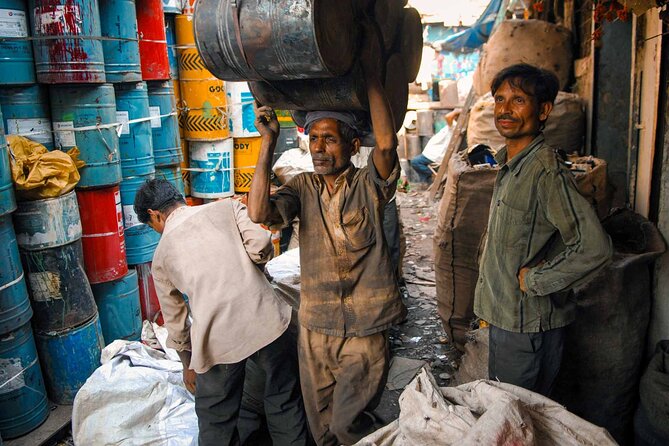
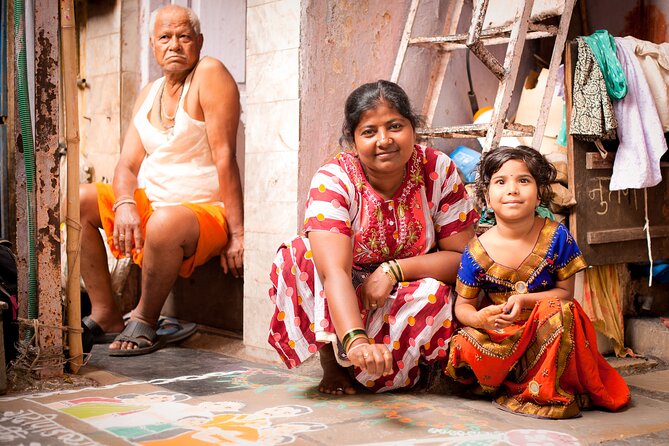
The day begins at Dharavi, one of Asia’s biggest informal settlements. This is the part of the tour that gives you the “why” behind the headlines. You walk through areas where people live and work, and you learn about the many industries operating there—not just the idea of a slum, but the economic reality people rely on.
This stop is listed at about 2 hours, which is the longest block on the schedule. That length matters. It gives you time to process what you’re seeing and to ask questions through your guide, rather than treating Dharavi like a quick photo stop.
Also, this tour is designed around access. You’re getting a chance to see homes and businesses in a part of the city that’s hard to visit independently in a meaningful way. On a private route, you’re not stuck figuring out safe directions, meeting points, or how to behave respectfully when you’re moving through residential spaces.
One consideration: Dharavi is not “pretty sightseeing.” It’s real and it can be emotionally heavy. You’ll want a calm mindset, and you’ll probably find it helps to let your guide set the tone and pacing.
Dhobi Ghat: The World’s Largest Outdoor Laundry in 10 Minutes
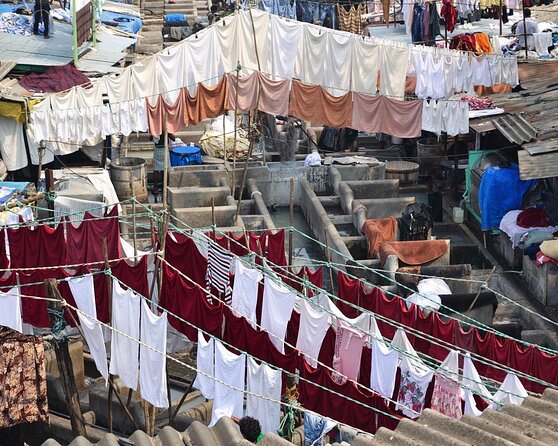
Right after Dharavi, you head to Dhobi Ghat, often described as the world’s largest outdoor laundry. The scheduled stop is only about 10 minutes, but it’s built to show you a specific working scene: dhobiwallahs (washermen) scrubbing linens from major hospitals and hotels.
Even with a short visit, you can pick up a lot. You’ll understand that this isn’t a museum-style demonstration. It’s a working system that runs on routine, labor, and timing—right in the open.
Because the stop is brief, your success depends on attitude. Go with curiosity and keep your expectations realistic. If you’re the kind of person who wants long observation time, you won’t get that here—but you do get a clear window into a huge everyday industry.
Quick practical note: expect noise and activity. If you’re sensitive to crowded spaces, keep your movements slow and follow your guide’s lead.
Other loops past the Gateway, Marine Drive and beyond
- Mumbai: Full-Day Sightseeing Tour of Mumbai
★ 4.9 · 1,822 reviews - Private Mumbai Sightseeing Tour (Traveller’s Choice Award Winner)
★ 5.0 · 1,565 reviews - Highlights of Mumbai Sightseeing Tour: TRAVELLERS CHOICE AWARDED
★ 5.0 · 915 reviews - Highlights of South Mumbai Guided Private Tour in AC Vehicle
★ 5.0 · 620 reviews - Private Mumbai Sightseeing Tour(Travellers Choice Award Winner)
★ 5.0 · 565 reviews - Private Half-Day Sightseeing Tour in Mumbai
★ 5.0 · 430 reviews
Jain Temple and Banganga Tank: Two Quiet Stops with Big Cultural Weight
After Dhobi Ghat, the tour shifts into more spiritual and historic spaces.
First up is the Jain Temple in Mumbai, listed at about 20 minutes. It’s described as one of the city’s most beautiful, intricately decorated temples. The guide frames Jainism with its emphasis on peacefulness and non-violence, which helps the architecture make more sense than just “it’s pretty.”
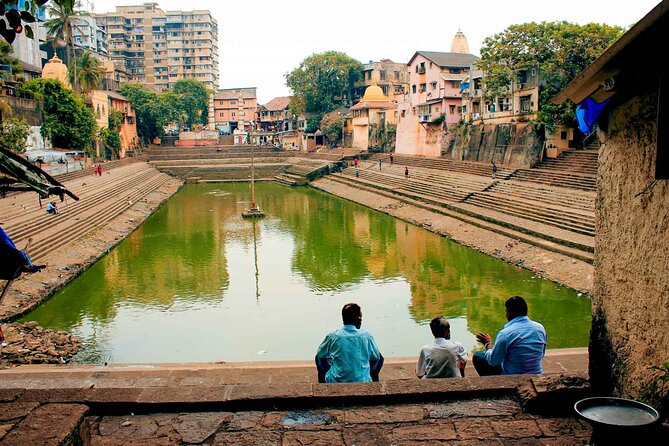
Next comes Banganga, about 20 minutes, a famous tank surrounded by Hindu temples. You’ll hear the story about healing powers tied to the water, and a rumor that its spring connects to the holy Ganges river. Whether you treat that as legend or belief, it adds meaning to the setting and helps you see why people visit.
These two stops work well after Dharavi and Dhobi Ghat. They give you a contrast: you shift from industrial labor and daily systems to places where faith, tradition, and symbolism shape how the city is experienced.
Drawback? The time is still limited. If you want long prayer time or extended photography, you might feel the schedule doesn’t match your pace. Still, they’re excellent “context stops” that help Mumbai feel like a living culture rather than a collection of monuments.
Malabar Hill Views and the Sea-Edge Mosque Moment
The route includes a green break and then a dramatic waterfront stop.
You’ll visit Kamala Nehru Park (about 20 minutes) on top of Malabar Hill. The payoff is a view over Marine Drive and the Arabian Sea. This is one of those Mumbai moments where you look out and suddenly the city’s scale clicks—high-rises, ocean, and the coastline all in one frame.
Then it’s time for Haji Ali Mosque (about 30 minutes). It sits at the end of a long causeway into the sea and is the tomb of Saint Haji Ali, a wealthy Muslim who renounced the world and went on to Mecca. The water setting is a huge part of the experience, because you’re not just visiting a mosque—you’re visiting a landmark defined by its connection to the sea.
These stops are worth your attention because they change your pace. You get pauses for views and for thinking, instead of moving constantly from one crowded street to another.
One practical consideration: the causeway setting means the environment can feel exposed. Wear comfortable shoes and be mindful when walking in and around sea-adjacent areas.
Markets and Railway Power: Crawford Market and Chhatrapati Shivaji Terminus
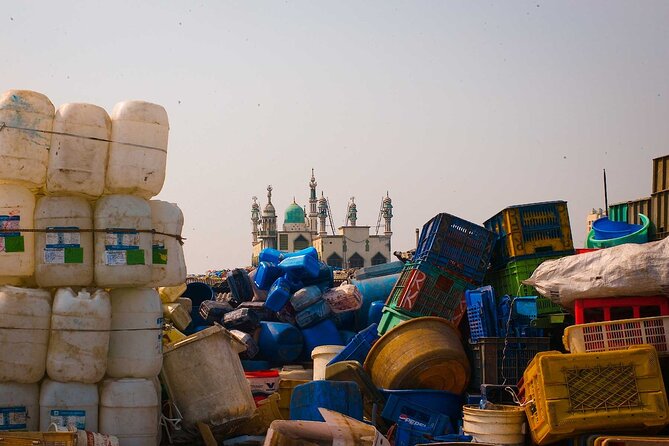
Mumbai also runs on trade and transit, and this tour reflects that.
Crawford Market is scheduled for about 30 minutes. It’s a large wholesale fruit, vegetable, and meat market, and it’s noted as the first building in India to get electricity. That detail gives you a way to see the market as both a place of commerce and a marker of modernization.
Then you head to Chhatrapati Shivaji Terminus (CST) for about 20 minutes. CST is Mumbai’s only UNESCO World Heritage Site, and it appears in the final song from the movie Slumdog Millionaire. Even if you’ve seen photos online, seeing CST during rush-hour energy changes how you interpret the building: it’s not just a landmark, it’s a working hub.
Here’s the key value: you’re not visiting these places as isolated tourist stops. You’re seeing how Mumbai functions—shopping, moving, exchanging—right where the city’s daily rhythm happens.
If you hate crowds or don’t like standing in transit areas, this portion might test your patience. But if you want to understand Mumbai’s real pace, it’s an efficient use of time.
Gateway of India to Chor Bazaar: History Meets the Thieves Market
Next you’ll cover two very different flavors of Mumbai.
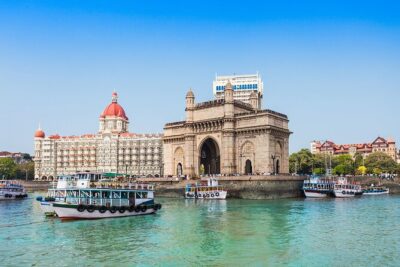
The Gateway of India (about 20 minutes) was built in 1911. You’ll also hear the story about 1948, when British troops marched under it to signal the end of the British Raj. It’s a short stop, but the building carries heavy historical meaning, and you’ll likely notice how people treat it as a meeting point as much as a monument.
Then comes Chor Bazaar, also known as the Thieves Market, for about 45 minutes. This is one of the largest and busiest flea markets in India, selling almost anything. The tour includes time to taste local sweets and shop for home-made pickles and chutneys—plus, it’s an ideal place to browse without needing to commit to a purchase right away.
This is also where your senses get a workout in a fun way. You’ll see stacks of items, hear bargaining, smell spices, and spot edible gifts you can take home.
Practical tip: if you’re buying food gifts, keep your packaging needs in mind and plan how you’ll store them later. And if you’re sensitive to strong smells or crowd pressure, keep a slower pace and let your guide manage the route.
Marine Drive and Sassoon Dock: Coastal Calm After City Noise
After the market chaos, the tour includes two waterfront moments.
Marine Drive gets about 25 minutes. It’s called the Queen’s Necklace, and it’s a classic Mumbai promenade. Even when it’s busy, there’s something grounding about watching the curve of the coastline and the street lights reflecting into the distance.
Then you visit Sassoon Dock for about 30 minutes. This is a bustling port where fishermen bring in the catch. It’s another working stop, but it feels different from markets because it’s tied to the sea and the rhythms of fishing.
I like this final stretch because it helps you wrap up the day with a sense of Mumbai’s link to water. You go from homes/businesses in Dharavi to the city’s commerce to the sea-based work that keeps food moving through the system.
If you get tired by this point, don’t worry. This part of the schedule has enough open space to let you reset your energy while still seeing something real.
Guide Quality and Comfort: What You Really Get With Included Transfers
The included setup isn’t just paperwork. Hotel pickup/drop-off, a local English speaking guide, and a driver for the day can be the difference between enjoying Mumbai and wrestling it.
In particular, the guide is what turns a list of stops into a story. You’ll get explanations tied to what you’re looking at—why Dharavi’s industries matter, what’s central to Jain values in temple design, and how landmarks like CST connect to both life and pop culture.
People also note the energy from guides such as Sabina and Chetan, including the idea that the day feels step-by-step and that nothing feels chaotic in the planning sense. That matters because Mumbai can be hectic on its own, and you don’t want your tour to add extra stress.
Comfort-wise, you’ll also get a car ride between areas—useful when the city’s traffic and distances can eat time fast.
One reminder: water/cold drink is included, but food isn’t. If your body runs on snacks, bring something small and portable.
Who Should Book This Tour (and Who Should Rethink It)
This tour is a strong fit if:
- you’re seeing Mumbai for the first time and want a guided overview that goes beyond the usual postcard stops
- you want Dharavi context without going alone or piecing things together yourself
- you like a structured day where the guide helps you make sense of what you see
- you want to cover a lot in one visit but still keep the day human-focused
It may be less ideal if:
- you struggle with crowded environments and short time windows
- you prefer slow pacing and long stays at each landmark
- you’re not comfortable with the emotional weight of visiting an informal settlement
If you do book it, the smart move is to go in with curiosity and respect, and to treat each stop like a chapter rather than a checklist.
Should You Book This Private Dharavi and Mumbai Highlights Tour?
If your goal is a guided, organized introduction to Mumbai that includes Dharavi plus major landmarks, this is a solid choice. The value comes from hotel transfers, a guide, free-entry sightseeing stops, and a route that mixes working life with history and sea views.
Book it if you want clarity and structure on a long day. Skip it if you’d rather spend more time in fewer places, or if you know you can’t handle crowds for extended stretches.
If you’re ready for a day that teaches you more than it shows you, this one earns a spot on your itinerary.
FAQ
How long is the Dharavi and sightseeing tour?
The tour lasts about 9 hours.
Is pickup and drop-off included?
Yes. Hotel or residence car pickup and drop-off are included.
What’s included in the tour price?
You get a local English speaking guide and driver for the entire tour, plus water/cold drink. Admission tickets for the listed stops are free.
Is food included?
No. Food is not included.
Is this tour private?
Yes. It’s a private tour/activity, and only your group participates.
What is the cancellation policy?
You can cancel for a full refund up to 24 hours before the experience start time. If you cancel less than 24 hours before, the amount paid won’t be refunded.
Mumbai on Your Own Terms
- Private Mumbai Sightseeing Tour (Traveller’s Choice Award Winner)
★ 5.0 · 1,565 reviews - Elephanta Caves & Island Guided Private Tour
★ 5.0 · 1,327 reviews - Private Guided Walking Tour in Fort & Colaba
★ 5.0 · 895 reviews - Highlights of South Mumbai Guided Private Tour in AC Vehicle
★ 5.0 · 620 reviews
The Big Mumbai Circuits
- Mumbai: Full-Day Sightseeing Tour of Mumbai
★ 4.9 · 1,822 reviews - Private Mumbai Sightseeing Tour (Traveller’s Choice Award Winner)
★ 5.0 · 1,565 reviews - Highlights of Mumbai Sightseeing Tour: TRAVELLERS CHOICE AWARDED
★ 5.0 · 915 reviews - Highlights of South Mumbai Guided Private Tour in AC Vehicle
★ 5.0 · 620 reviews
Dharavi, Told by Its Residents
- Dharavi slum tour in Mumbai by Female tour guides of the slum
★ 5.0 · 1,976 reviews - Mumbai: Dharavi Slum, DhobiGhat, and Dabbawallas Tour
★ 4.9 · 689 reviews - Dharavi Slum Tour
★ 5.0 · 625 reviews - Dharavi Slum tour in Mumbai by local resident
★ 5.0 · 572 reviews
New on the Mumbai shortlist


Dharavi Community Walks, compared.
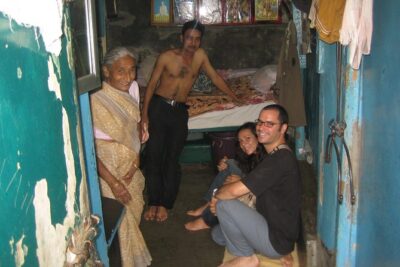 ★ 5.0Dharavi slum tour in Mumbai by Female tour guides of the slumFrom $91,976 reviews
 ★ 4.9Dharavi Slum, DhobiGhat, and Dabbawallas TourFrom $14689 reviews
 ★ 5.0Dharavi Slum TourFrom $20625 reviews
 ★ 5.0Dharavi Slum tour in Mumbai by local residentFrom $4572 reviews
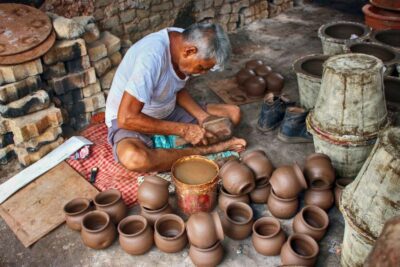 ★ 4.9Dharavi Slum Slumdog Millionaire Tour with a LocalFrom $10529 reviews
 ★ 5.0Mumbai Slum Tour – Visit Dharavi Slum with Local GuideFrom $5509 reviews
 ★ 5.0Dhobi Ghat Laundry and Dharavi Slum Tour with LocalFrom $4469 reviews
 ★ 5.02-Hour Guided Tour of DharaviFrom $22359 reviews
Browse the lists this tour appears in