
Review · MUMBAI BY LOCAL TRAIN
Mumbai Unseen: Local Train Ride And Sightseeing Tour
Mumbai can feel chaotic fast. This tour turns that chaos into something you can actually understand, with a local train ride and a guide who grew up in the city’s tight lanes. You’ll spend less time watching from the window and more time moving through real Mumbai life, while still hitting big-name landmarks.
What I like most is the combination of street-level pacing and clear guide communication. Guides like Kamlesh and Kirtan are highlighted for their English and strong local insight, so you’re not just collecting photos—you’re getting sense-making explanations while you’re on the move. One trade-off to know up front: lunch isn’t included, so you’ll want to plan for that gap in the middle of your day.
In This Review
- Key Highlights at a Glance
- A Street-First Mumbai Day You Can Actually Follow
- Price and What You’re Really Paying For
- What Happens on the Route: From Dhobi Ghat to Crawford Market
- Dhobi Ghat Open Air Laundry: Watching Work in Motion
- Mani Bhavan (Gandhi House): A Personal Stop With Political Weight
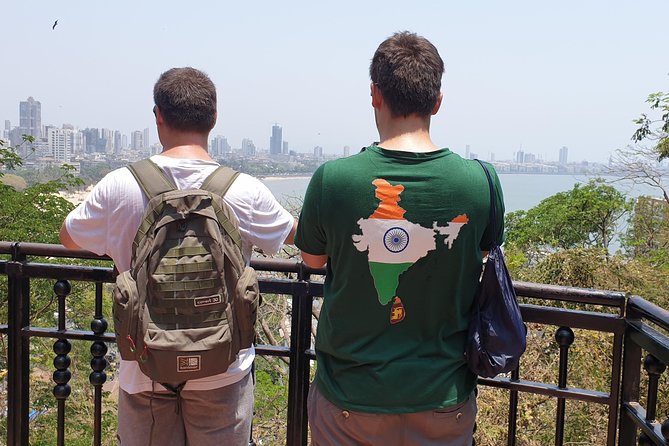
- Hanging Garden and Marine Drive: Viewpoints That Explain Mumbai’s Shape
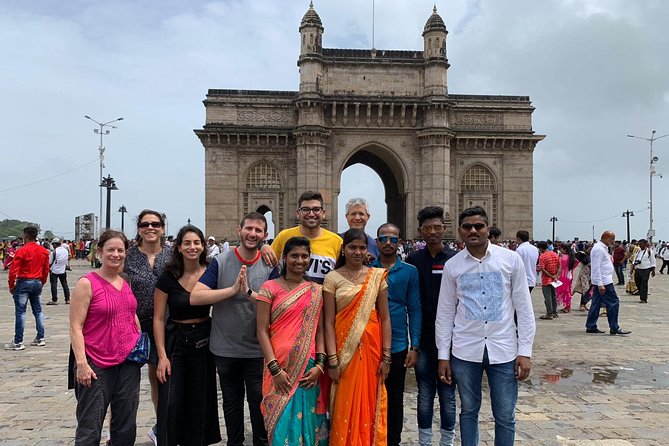
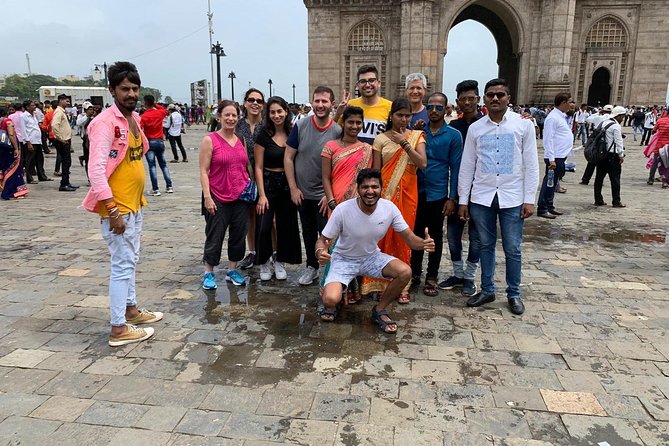
- Gateway of India and Taj Mahal Palace Hotel: Icon Photos, With a Purpose
- Mumbai University and Mumbai High Court: Where the City Runs on Institutions
- Victoria Terminus Station: The City’s Motion in Brick and Steel
- Crawford Market: Close the Day With Local Life
- The Included Local Train Ride: Why It Changes Everything
- What’s Included, What’s Not, and How to Plan Your Day
- Guide Quality Is the Difference Maker Here
- Who Should Book This Tour (and Who Might Prefer Something Else)
- Should You Book Mumbai Unseen?
- FAQ
- How long is the Mumbai Unseen tour?
- What does the tour cost?
- Is pickup included?
- What’s included in the price?
- Is lunch included?
- What happens if the weather is bad?
Key Highlights at a Glance
- Local train ride included for a real feel of daily Mumbai movement
- English-speaking guides such as Kamlesh and Kirtan, with strong local insight
- Street-first schedule: you’re active on sidewalks and in stations, not parked all day
- Chai and bottled water included, plus coffee/tea to keep the energy steady
- AC vehicle and pickup to reduce the friction of getting from place to place
- Major landmarks in one outing, from Dhobi Ghat to Crawford Market
A Street-First Mumbai Day You Can Actually Follow
This experience is built for people who have real time in Mumbai and don’t mind being out in it. The whole idea is that you’ll get your bearings by walking and riding with the city, not by cranking through a checklist behind glass.
The “unseen” part makes sense once you see how the tour is paced. You’ll get dropped into neighborhood-level scenes like Dhobi Ghat’s open-air laundry flow, then you’ll jump back into the city’s big-symbol energy at places like Marine Drive and the Gateway of India. The contrast matters. It helps you see how Mumbai works when it’s moving—politically, economically, and culturally.
And yes, the guide quality is a big part of the value. In the feedback I’m using to understand the tour, Kamlesh gets called out for English that’s surprisingly easy to follow and for knowing what you’re looking at. Kirtan is also described as prompt and helpful, with an eye for explaining how culture shows up in everyday life.
Price and What You’re Really Paying For
At $77.58 per person for about 6 to 7 hours, you’re paying for three things: guidance, transportation support, and a day that’s designed to keep you moving efficiently through Mumbai.
Here’s what your money covers:
- Pickup offered and an AC vehicle with parking fees
- Coffee and/or tea plus bottled water
- Mobile ticket
- Admission ticket free for at least one key stop listed in the plan
What’s not included:
- Lunch
So is it a good deal? For Mumbai, yes—especially if you’re trying to get both local texture and major sights without spending your entire day figuring out how to connect them. You’re not just buying a ride; you’re buying a route that balances time in the car with time on the street.
The other pricing angle: it’s set up as a private tour for your group only, which usually means less waiting around and fewer schedule compromises. There are also group discounts, which can lower the per-person cost if you’re traveling with friends.
More rides on the locals, from Churchgate out to the suburbs




What Happens on the Route: From Dhobi Ghat to Crawford Market
The plan is structured like a sampler of Mumbai’s identities: labor and daily routine, Gandhi’s legacy, iconic viewpoints, colonial-era landmarks, civic institutions, and a classic market finish.
You’ll start with scenes that feel very Mumbai in scale and detail, then work your way through places that explain why the city looks the way it does. Along the way, your guide ties landmarks to how the city functions, not just what it looks like.
A quick note on timing: the experience is listed around 6 hours, but private-city touring can run longer when traffic, station logistics, or your pace slows down at a stop. One of the guide experiences shared included extra time back at the end of the day, which is a good reminder to keep your next commitment flexible.
Dhobi Ghat Open Air Laundry: Watching Work in Motion
Dhobi Ghat is a strong opening because it grounds the day. An open-air laundry setting gives you a view of labor that doesn’t feel staged for tourists. This is one of those stops where you’ll likely see how life, work, and community rhythms overlap.
Since the plan lists admission as free for this stop, you can spend more time absorbing what’s happening and less time budgeting entry fees. The guide’s job here is key: they should help you understand what you’re seeing so you don’t feel like you’re just staring at activity without context.
Possible drawback: if you prefer quieter sights or you get uncomfortable around large crowds, the energy here may feel intense.
Mani Bhavan (Gandhi House): A Personal Stop With Political Weight
From Dhobi Ghat’s daily labor, Mani Bhavan (Gandhi House) shifts the mood. You’re moving from the rhythm of work to the imprint of leadership—how ideas became action in this city.
This is also where a good guide makes the difference. It’s one thing to point at a historic home. It’s another to connect Gandhi’s presence to Mumbai’s role in India’s larger story. Expect the tour to treat this stop as part of the city’s functioning, not a disconnected museum moment.
Other loops past the Gateway, Marine Drive and beyond
- Mumbai: Full-Day Sightseeing Tour of Mumbai
★ 4.9 · 1,822 reviews - Private Mumbai Sightseeing Tour (Traveller’s Choice Award Winner)
★ 5.0 · 1,565 reviews - Highlights of Mumbai Sightseeing Tour: TRAVELLERS CHOICE AWARDED
★ 5.0 · 915 reviews - Highlights of South Mumbai Guided Private Tour in AC Vehicle
★ 5.0 · 620 reviews - Private Mumbai Sightseeing Tour(Travellers Choice Award Winner)
★ 5.0 · 565 reviews - Private Half-Day Sightseeing Tour in Mumbai
★ 5.0 · 430 reviews
Hanging Garden and Marine Drive: Viewpoints That Explain Mumbai’s Shape
Hanging Gardens is the kind of stop that helps you see Mumbai’s built environment as more than architecture. It’s a pause where the city’s layout starts to make sense—how people live, work, and move around major corridors.
Then comes Marine Drive, which often feels like a breath of open space after dense streets. This stretch is ideal for picking up context about neighborhoods and how the city’s energy shifts by time of day and location.
What I’d watch for: at viewpoint stops, time can evaporate if you’re photographing nonstop. If you want context, give yourself a moment to listen first, then shoot.
Gateway of India and Taj Mahal Palace Hotel: Icon Photos, With a Purpose
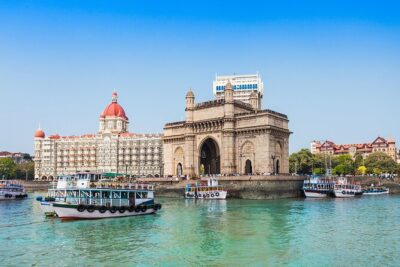
The Gateway of India and the Taj Mahal Palace Hotel are classic reasons people come to Mumbai. In a normal tour, they can become photo stops only.
In this plan, the better value is how they’re positioned between the local neighborhood scenes and the more civic, institutional stops later. The landmarks act like anchors. Once you understand what the guide is saying about why these places matter, they feel less like postcards and more like signposts.
If you’re someone who dislikes crowd crush at famous landmarks, try to stay patient and let your guide do the pacing.
Mumbai University and Mumbai High Court: Where the City Runs on Institutions
After the big-name monuments, the day shifts into civic territory with Mumbai University and Mumbai High Court. These stops help explain the machinery behind the city: education, law, governance, and professional life.
This is a smart section for people who like to understand how a place operates. You’ll likely get guidance on what these institutions represent in Mumbai’s day-to-day story—and how power and opportunity show up in the urban map.
Consideration: if you’re mainly interested in culture through markets and street life, these stops may feel more formal. Still, they’re useful if your goal is understanding the city’s heritage and how it functions.
Victoria Terminus Station: The City’s Motion in Brick and Steel
Victoria Terminus Station (now associated with Chhatrapati Shivaji Maharaj Terminus) is a powerful stop because it’s both a landmark and a working node. A train-related theme fits naturally here, too: you’re not only seeing history—you’re seeing transportation as part of the city’s identity.
Even if you’re not an architecture specialist, the station gives you a sense of how Mumbai’s movement was designed to matter.
Crawford Market: Close the Day With Local Life
You end at Crawford Market, which is a fitting way to finish because markets are where city identity becomes everyday. This is the moment when the tour feels less like a route and more like a lived place.
Market endings also work well for practical reasons. If you want snacks, small souvenirs, or just to feel the bustle up close, you’re in the right zone to do it—without needing extra transit.
The Included Local Train Ride: Why It Changes Everything
The headline of this experience includes a local train ride, and that matters more than it sounds. In big cities, the best way to learn how people move is to join that movement at least briefly.
A train ride helps you notice details you’d otherwise miss:
- how crowds organize themselves
- how commuters interpret directions instantly
- how neighborhoods connect through routine
The tour uses that energy to keep the day from turning into a car-only sightseeing loop. Your guide’s job is to help you understand what you’re seeing so the train time feels like part of the story, not just an activity.
If you’re used to private drivers and controlled schedules, this is the part where the experience becomes more real—and also more demanding. Expect the city’s tempo, not a slow tourist pace.
What’s Included, What’s Not, and How to Plan Your Day
This is a day-trip style outing with a mix of vehicle time and street time.
Included:
- Coffee and/or tea
- Bottled water
- Air-conditioned vehicle plus parking fees
- Pickup offered
- Mobile ticket
- Admission ticket free for at least one listed stop
Not included:
- Lunch
That last line matters. You’ll want to decide your approach before the day starts:
- If you prefer to snack your way through, look at the timing of the route and keep some flexibility.
- If you want a proper lunch, plan to purchase it on your own during or near the route windows.
One small delight mentioned in the feedback is chai from a street vendor early in the day. That’s the kind of detail that makes the tour feel like it’s tuned to the city’s everyday rituals rather than only to official monuments.
Guide Quality Is the Difference Maker Here
In the tour feedback used to shape this review, the guides are repeatedly praised for clarity and city insight.
Kamlesh is highlighted for speaking surprisingly well English and for being very knowledgeable about everything in the area. Kirtan is described as very helpful, prompt at pickup, and full of insight into Mumbai’s culture.
Even when you love a city, a poorly guided day can feel like walking from one labeled photo to the next. Here, the guide role is to connect scenes to meaning—why that laundry flow matters, what Gandhi’s house represents, and how civic institutions shape the city’s rhythm.
If you book this tour, look at the guide assignment you receive and be ready to ask questions. This route is set up so conversation actually pays off.
Who Should Book This Tour (and Who Might Prefer Something Else)
This one fits best if you:
- have good leisure time in Mumbai
- want heritage and city-function context, not just landmark snapshots
- don’t mind moving at a local pace and spending time in stations and streets
- like the idea of a private-group day where the guide can respond to your questions
It might feel less ideal if you:
- want a fully comfortable, car-only experience
- dislike crowded public spaces
- plan to be on a very tight schedule that can’t absorb a bit of urban timing variance
Should You Book Mumbai Unseen?
I’d book it if you’re the type of traveler who wants Mumbai to make sense as a living city—where institutions, neighborhoods, and everyday routines connect. The combo of local train time, a route that spans major landmarks, and an English-strong guide (Kamlesh and Kirtan are specifically mentioned in the feedback) is exactly what makes the value feel real.
Skip it (or consider another option) if you mainly want rest-and-relax sightseeing with no push into crowds, stations, and street-level activity.
If you’re coming to Mumbai with a curiosity mindset and enough time to enjoy the in-between moments, this tour is a practical way to get there.
FAQ
How long is the Mumbai Unseen tour?
The tour is listed as lasting about 6 to 7 hours.
What does the tour cost?
The price is listed as $77.58 per person.
Is pickup included?
Yes, pickup is offered.
What’s included in the price?
It includes coffee and/or tea, bottled water, an air-conditioned vehicle, and parking fees.
Is lunch included?
No, lunch is not included.
What happens if the weather is bad?
The experience requires good weather. If it’s canceled due to poor weather, you’ll be offered a different date or a full refund.
More Mumbai, Every Kind of Day
- Dharavi slum tour in Mumbai by Female tour guides of the slum
★ 5.0 · 1,976 reviews - Mumbai: Full-Day Sightseeing Tour of Mumbai
★ 4.9 · 1,822 reviews - Private Mumbai Sightseeing Tour (Traveller’s Choice Award Winner)
★ 5.0 · 1,565 reviews - Elephanta Caves & Island Guided Private Tour
★ 5.0 · 1,327 reviews
The Big Mumbai Circuits
- Mumbai: Full-Day Sightseeing Tour of Mumbai
★ 4.9 · 1,822 reviews - Private Mumbai Sightseeing Tour (Traveller’s Choice Award Winner)
★ 5.0 · 1,565 reviews - Highlights of Mumbai Sightseeing Tour: TRAVELLERS CHOICE AWARDED
★ 5.0 · 915 reviews - Highlights of South Mumbai Guided Private Tour in AC Vehicle
★ 5.0 · 620 reviews
Mumbai by Rail, Line by Line
- Dabbawala, Dhobi Ghat & Dharavi slum Tour with Local Train Ride
★ 5.0 · 102 reviews - Mumbai Street Food & Bazaar Tour with Local Transport
★ 5.0 · 51 reviews - Local Transport & Dabbawallah Tour
★ 5.0 · 40 reviews - Mumbai: Local Transport & Dabbawallah Tour
★ 4.9 · 14 reviews
New on the Mumbai shortlist


Mumbai by Local Train, compared.
 ★ 5.0Dabbawala, Dhobi Ghat & Dharavi slum Tour with Local Train RideFrom $35102 reviews
 ★ 5.0Mumbai Street Food & Bazaar Tour with Local TransportFrom $2151 reviews
 ★ 5.0Local Transport & Dabbawallah TourFrom $3240 reviews
 ★ 4.9Local Transport & Dabbawallah TourFrom $3114 reviews
 ★ 5.0Dharavi Slum and Dhobi Ghat Tour with Train RideFrom $269 reviews
 ★ 5.0Primmum Mumbai Sightseeing With Local Train Ride ExperienceFrom $397 reviews
 ★ 5.0Private Half-Day Mumbai Sightseeing Tour by Public TransportationFrom $806 reviews
 ★ 5.0Public Transportation TourFrom $386 reviews
Browse the lists this tour appears in