
Review · MUMBAI BY LOCAL TRAIN
Mumbai: Public Transportation Tour
It’s the fastest way to see how Mumbai moves. This Mumbai public transportation tour strings together bus, train, and taxi rides with real-life stops like Dhobi Ghat (open-air laundry) and the dabbawala lunchbox system—so you’re not just looking at sights, you’re using the city like a local.
What I like most is the pace plus the variety: you get a UNESCO photo stop at Chhatrapati Shivaji Maharaj Terminus (Victoria Terminus / CST), then you shift gears to everyday Mumbai at Dadar’s flower market and Dhobi Ghat. The other win for me is that the guide keeps it practical and human—this is exactly the kind of tour where you’ll appreciate having an English-speaking guide like Aarti, Dave, or Dev (names from past guides). One thing to consider: at 3 hours total, you’ll be doing quick looks, not long hangs—so if you want slow, detailed time at each place, this schedule may feel tight.
In This Review
- Key Highlights You’ll Actually Feel in 3 Hours
- Meet-Up at Regal Cinema: How the 9:00 AM Start Works
- Chhatrapati Shivaji Maharaj Terminus (Victoria Terminus/CST): UNESCO + Film-Worthy Architecture
- Dadar Flower Market: A Sensory Market Stop Made for Walking
- Dhobi Ghat (Open Air Laundry): Watching Work in Full View
- Chor Bazaar by Taxi: Flea Market Energy Without the Guesswork
- Churchgate and the Dabbawalas: The Lunchbox System in Action
- Price and Value: Why $38 Can Make Sense
- Who This Tour Fits Best (and Who Should Skip It)
- Should You Book Mystical Mumbai’s Public Transportation Tour?
- FAQ
- What is the meeting point for the Mumbai Public Transportation Tour?
- What time does the tour start?
- How long is the tour?
- How much does the tour cost?
- What transportation is included during the tour?
- What stops will we visit during the tour?
- What is included in the price?
- Are meals included?
- Is the tour in English?
- Is the activity refundable if I need to cancel?
Key Highlights You’ll Actually Feel in 3 Hours
- Bus + train + taxi in one route, so you understand the flow of the city fast
- Chhatrapati Shivaji Maharaj Terminus (CST) with a guided walk and a photo stop at a UNESCO site
- Dadar flower market stops focused on what’s on display (garlands and bouquets, including roses)
- Dhobi Ghat views of open-air laundry in full public sight
- Chor Bazaar + Churchgate dabbawalas, pairing classic flea-market energy with lunchbox logistics
Meet-Up at Regal Cinema: How the 9:00 AM Start Works
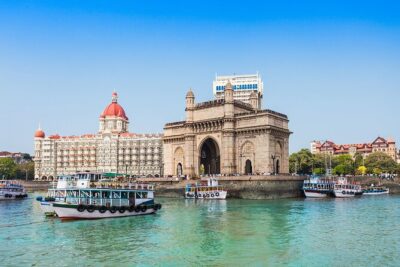
Your tour begins at Regal Cinema in Colaba, near the Gateway of India area, with a 9:00 AM meeting. That early start matters more than you’d think. Mumbai can get busy quickly, and this schedule is built to use the morning window before crowds and heat fully set in.
You’ll travel with a local English-speaking guide as part of a private group, and you’ll have help with timing between the transport legs. Tea and bottled water are included, which is a nice baseline for a tour that involves walking at several points (about 20 minutes at CST, around 15 minutes at the flower market, and about 20 minutes at Dhobi Ghat).
A practical note: because you’re moving by public transit, it’s smart to show up a few minutes early. This tour is set up so the group stays together, and you don’t want to be the one holding up a train timing.
Chhatrapati Shivaji Maharaj Terminus (Victoria Terminus/CST): UNESCO + Film-Worthy Architecture
The first big anchor is the Chhatrapati Shivaji Maharaj Terminus stop. You go there by bus/coach (about 15 minutes), and the group gets a photo stop plus a guided walk (about 20 minutes). This is one of those places where a short visit still feels like a “wow” moment because the building itself is doing so much work.
Two details make this stop extra compelling:
- It’s a UNESCO World Heritage Site, so there’s a clear reason it’s protected and celebrated.
- Slumdog Millionaire was filmed here, which gives you a quick pop of context if you’ve seen the movie.
What you should expect in the time you have: you’re not touring every corner. You’re getting a guided overview and a chance to take photos and understand why this station is a landmark. The walk is short, but it’s enough to appreciate scale and design.
The only drawback is also simple: 20 minutes flies by when you’re stopping for photos. If you want the perfect angle, plan to move quickly and then do one last look before the group heads back to the next leg.
More rides on the locals, from Churchgate out to the suburbs




Dadar Flower Market: A Sensory Market Stop Made for Walking
After CST, you take a train (about 15 minutes) toward the flower market area (the schedule lists Flower Market Dadar). You get another photo stop and guided walk (about 15 minutes).
This part of the tour feels like a reset. It’s not about rail lines or big architecture—it’s about daily color and the kind of items people actually buy and carry: roses in multiple colors and varieties, plus garlands and bouquets. The guide’s framing is what makes it work. Instead of treating it like a random market stop, you learn how to look at what’s on display and why flowers are such a visible part of city life.
In a tight 3-hour route, the market stop is short, but it’s long enough to:
- get a clear view of what’s available,
- take photos of the flower arrangements,
- and understand the vibe without getting stuck in endless stall-to-stall wandering.
A consideration: markets can be visually and physically crowded. The tour gives you walking time, but you’ll still want to be comfortable navigating through people while staying with the group.
Dhobi Ghat (Open Air Laundry): Watching Work in Full View
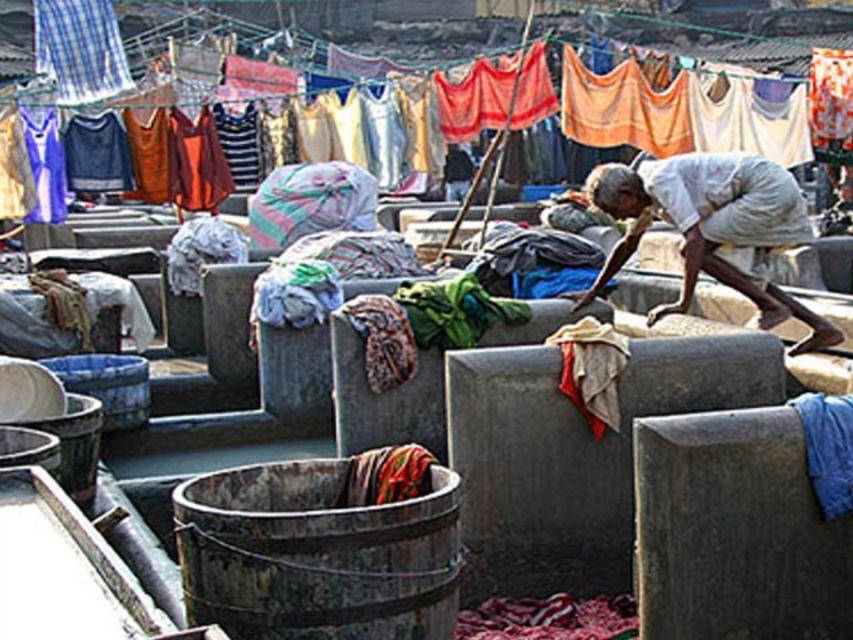
Next up is the most unusual stop: Dhobi Ghat, reached after another train (about 15 minutes). You’ll spend about 20 minutes with a photo stop and guided sightseeing.
Dhobi Ghat is known as open-air laundry, where clothes are washed in full public view. This is the kind of place that can surprise you, even if you’ve seen photos before. The reason it works on a short tour is that the experience is immediate. You don’t have to imagine what’s happening—you can see the process happening around you.
The best way to approach this stop is with respectful curiosity. You’re watching real work. Keep your pace steady, and follow your guide’s lead on where to stand for photos and how to move through the area without disrupting the flow.
The one potential drawback is also clear: it’s an active working space. So even though the stop is only about 20 minutes, you should be mentally prepared that this isn’t a quiet museum corner. It’s a public, lived-in setting.
Chor Bazaar by Taxi: Flea Market Energy Without the Guesswork
After Dhobi Ghat, the itinerary shifts again—this time to a black cab (about 20 minutes) to Chor Bazaar, one of the largest flea markets in the country. You get about 20 minutes here with guided touring plus time for shopping and sightseeing.
Chor Bazaar is the perfect “in-between” stop on a transit tour because it lets you slow down just a bit. You can actually browse. And because you’re there with a guide, you’re not only looking at items—you’re getting direction on what you’re seeing and how the market is structured.
What you’ll feel: flea market chaos in short form. Expect lots of browsing, lots of eye-catching objects, and a fast pace that makes you want to keep moving.
If you’re hoping to buy something big or spend 2 hours here, you’ll likely find the timing limiting. But if your goal is to experience Chor Bazaar’s character and maybe grab a small souvenir, the time window is well matched to the overall 3-hour format.
- Dharavi slum tour in Mumbai by Female tour guides of the slum
★ 5.0 · 1,976 reviews - Mumbai: Full-Day Sightseeing Tour of Mumbai
★ 4.9 · 1,822 reviews - Private Mumbai Sightseeing Tour (Traveller’s Choice Award Winner)
★ 5.0 · 1,565 reviews - Group Guided Walking Tour in Fort and Colaba
★ 5.0 · 1,073 reviews - Highlights of Mumbai Sightseeing Tour: TRAVELLERS CHOICE AWARDED
★ 5.0 · 915 reviews - Private Guided Walking Tour in Fort & Colaba
★ 5.0 · 895 reviews
Churchgate and the Dabbawalas: The Lunchbox System in Action
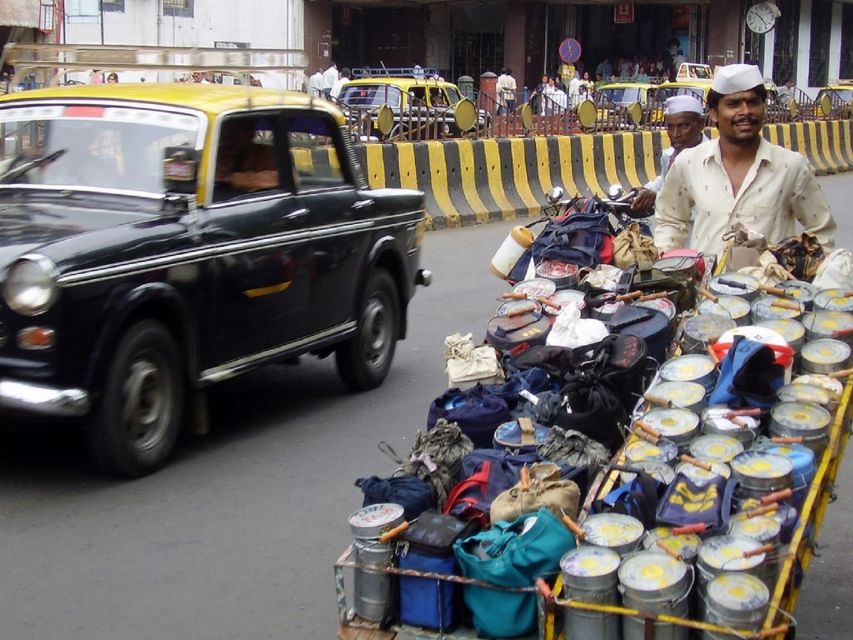
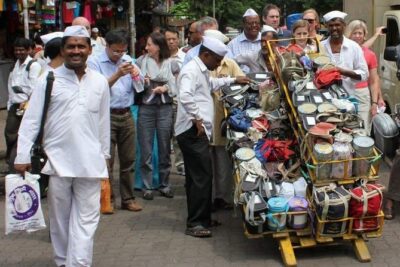
The final segment is a taxi ride back toward Churchgate, where the tour focuses on Mumbai dabbawalas, an official lunchbox delivery and return system. You’ll spend about 20 minutes here with a guided overview and sightseeing.
Here’s what makes this stop valuable: it connects food to infrastructure. The system delivers hot lunches from homes and restaurants to people at work in India, especially in Mumbai. In other words, you’re not just watching a cultural curiosity—you’re seeing a practical system built around daily routines.
Because this is a short tour, you won’t get a full technical explanation of everything the network does. But you will get the core idea: how lunches travel, how deliveries fit into working life, and why this service matters in a city where time is tight.
The realistic drawback: if you arrive late at this point (or linger too long earlier), you can feel rushed. The time slots are tight—so treat this part as the endcap where you want to pay attention, not multitask.
Price and Value: Why $38 Can Make Sense
At $38 per person for about 3 hours, this is one of those prices that makes sense when you understand what’s included. You’re paying for:
- a local guide in English,
- transportation fares across the bus/train/taxi legs,
- tea and bottled water,
- and skip-the-ticket-line style convenience.
On a self-guided version of this route, your biggest costs aren’t only “tickets.” It’s time, confusion, and the number of moving parts (stations, transfers, walking segments, and knowing what’s worth your short stop time). This tour compresses all of that into a guided plan.
Also, the “private group” angle matters. You’re not just being herded like an extra in someone else’s itinerary. You get a guide who can keep your group together across multiple transport modes.
If you’re traveling alone, you still benefit from the guide’s navigation and the transport planning. If you’re with friends, the private group format is a plus when you want the freedom to ask questions without waiting for a larger crowd.
Who This Tour Fits Best (and Who Should Skip It)
This tour is a great fit if you want:
- a first-time Mumbai experience that uses public transit,
- a mix of landmarks + everyday life,
- and a short, structured way to see a lot without building your own route.
It’s also a good choice if you like “systems” travel—rail stations, markets, and delivery routines. You’ll be able to connect the dots between the city’s architecture and how people actually function day to day.
It’s not the best fit if you want slow sightseeing, long museum-style stops, or lots of unstructured browsing time. The schedule is tight by design, and the tradeoff is that you get breadth over depth.
One clear limitation: the tour is not suitable for babies under 1 year, based on the activity rules provided.
Should You Book Mystical Mumbai’s Public Transportation Tour?
I’d book it if you’re the type of traveler who enjoys figuring out how a city works from the inside. The route hits big visual anchors (CST/UNESCO), hands you a truly Mumbai experience (open-air laundry at Dhobi Ghat), and finishes with an everyday “how it runs” stop (dabbawalas at Churchgate). That mix is hard to replicate quickly on your own.
I’d skip it if your ideal day is calm and unhurried, or if you strongly prefer one neighborhood per day. Here, you’re moving through several key points on a tight timeline, so you’ll want to show up ready to walk, look, and go.
If you’re deciding, here’s my practical test: if you’d rather spend 3 hours seeing how public transit and daily life connect than 3 hours researching logistics, this tour is a smart bet.
FAQ
What is the meeting point for the Mumbai Public Transportation Tour?
The tour meets at Regal Cinema, Colaba (near the Gateway of India area).
What time does the tour start?
The meeting time is 9:00 AM.
How long is the tour?
The tour lasts 3 hours.
How much does the tour cost?
The price is $38 per person.
What transportation is included during the tour?
You’ll use bus/coach, train, and black cab/taxi during the experience.
What stops will we visit during the tour?
You’ll visit Chhatrapati Shivaji Maharaj Terminus (CST), the flower market area in Dadar, Dhobi Ghat, Chor Bazaar, and Churchgate for the dabbawalas.
What is included in the price?
The tour includes local guide, fare for transportation used as part of the tour, and tea and bottled water.
Are meals included?
Food is not included unless specified; tea and bottled water are included.
Is the tour in English?
Yes, the tour guide provides live narration in English.
Is the activity refundable if I need to cancel?
The policy allows free cancellation up to 24 hours in advance for a full refund.
More Mumbai, Every Kind of Day
- Dharavi slum tour in Mumbai by Female tour guides of the slum
★ 5.0 · 1,976 reviews - Mumbai: Full-Day Sightseeing Tour of Mumbai
★ 4.9 · 1,822 reviews - Private Mumbai Sightseeing Tour (Traveller’s Choice Award Winner)
★ 5.0 · 1,565 reviews - Elephanta Caves & Island Guided Private Tour
★ 5.0 · 1,327 reviews
Mumbai by Rail, Line by Line
- Dabbawala, Dhobi Ghat & Dharavi slum Tour with Local Train Ride
★ 5.0 · 102 reviews - Mumbai Street Food & Bazaar Tour with Local Transport
★ 5.0 · 51 reviews - Local Transport & Dabbawallah Tour
★ 5.0 · 40 reviews - Mumbai: Local Transport & Dabbawallah Tour
★ 4.9 · 14 reviews
New on the Mumbai shortlist


Mumbai by Local Train, compared.
 ★ 5.0Dabbawala, Dhobi Ghat & Dharavi slum Tour with Local Train RideFrom $35102 reviews
 ★ 5.0Mumbai Street Food & Bazaar Tour with Local TransportFrom $2151 reviews
 ★ 5.0Local Transport & Dabbawallah TourFrom $3240 reviews
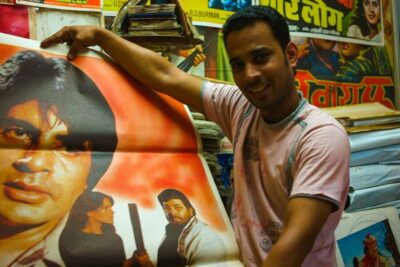 ★ 4.9Local Transport & Dabbawallah TourFrom $3114 reviews
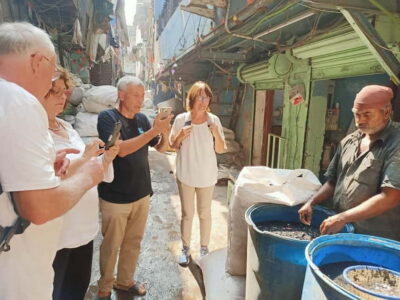 ★ 5.0Dharavi Slum and Dhobi Ghat Tour with Train RideFrom $269 reviews
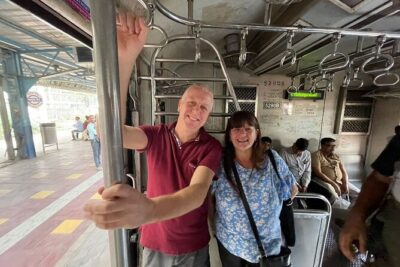 ★ 5.0Primmum Mumbai Sightseeing With Local Train Ride ExperienceFrom $397 reviews
 ★ 5.0Mumbai City + Dabbawala aka Lunchbox + Train Ride Tour – The Unfeigned Mumbai.From $696 reviews
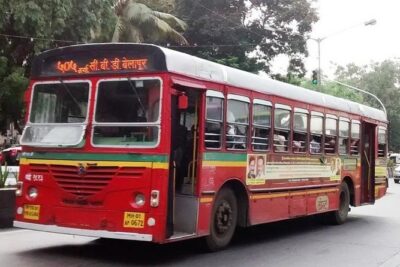 ★ 5.0Private Half-Day Mumbai Sightseeing Tour by Public TransportationFrom $806 reviews
Browse the lists this tour appears in