
Review · DHARAVI COMMUNITY WALKS
Mumbai Full-Day Sightseeing & Dharavi Slum Tour
Mumbai can feel like a firehose. This private route adds context fast, from CSMT to Dharavi. You get a local guide and air-conditioned transport so the day stays focused instead of stressful.
I especially like how the plan strings together big-name landmarks with real city life stops like Dhobi Ghat. It also makes room for questions, and guides in the orbit of Jawwad, Preti, Javed, and Subhan are praised for being patient and easy to talk to.
One consideration: it is a 5 to 7 hour full-day loop with a lot of stops. Comfortable shoes help, and the Dharavi visit is naturally sensitive—so you’ll want to be ready for a serious, people-first experience.
In This Review
- Key Things I’d Pack for This Mumbai + Dharavi Day
- Arriving at the Start Point and Actually Getting Moving
- Chhatrapati Shivaji Maharaj Terminus: The Station That Sets the Tone
- Gateway of India and Dhobi Ghat: Two Ways to See Mumbai
- Oval Maidan, Mumbai High Court, and University of Mumbai Fort: Where Power Lives
- Marine Drive and Malabar Hill: Sea Views With That Classic Curve
- Hanging Gardens and Jain Temple Hill: Tiny Breaks From the Rush
- Crawford Market and Kamala Nehru Park: Shopping Energy Without the Guesswork
- Mani Bhavan Gandhi Museum: The Day’s Reflective Turn
- Dharavi for About Two Hours: What to Expect and How to Prepare
- Price and Value: What $35.23 Buys You in Mumbai
- Who This Tour Fits Best (And Who Should Skip It)
- Should You Book the Mumbai Full-Day Sightseeing and Dharavi Tour?
- FAQ
- How long is the Mumbai Full-Day Sightseeing & Dharavi tour?
- Do you get a guide and private group?
- Is transport included?
- What’s included in the price?
- How much time is spent in Dharavi?
- Can I cancel for a refund?
Key Things I’d Pack for This Mumbai + Dharavi Day
- A/C car and roundtrip pickup help you save energy and stay on schedule
- CSMT, Gateway of India, Marine Drive, and Malabar Hill cover the classic Mumbai postcard list
- Dhobi Ghat and Crawford Market add texture beyond monuments and buildings
- Mani Bhavan Gandhi Museum is the day’s reflective stop (and admission is included)
- Dharavi gets real time (about 2 hours) instead of a quick photo pass
- Flexible stop timing lets you slow down where you’re curious
Arriving at the Start Point and Actually Getting Moving
This tour starts at PizzaExpress Dhanraj Mahal on Chhatrapati Shivaji Maharaj Marg, near Colaba and Apollo Bandar. It’s a handy meeting spot if you’re using public transport, and the whole day is built so you don’t have to spend mental energy figuring out routes.
You’ll travel in an air-conditioned car with roundtrip transportation handled for you. That matters in Mumbai, where traffic can turn “just one more stop” into a long detour. With transport locked in, you can focus on the sites and ask questions like a normal person, not a stressed-out navigator.
Chhatrapati Shivaji Maharaj Terminus: The Station That Sets the Tone
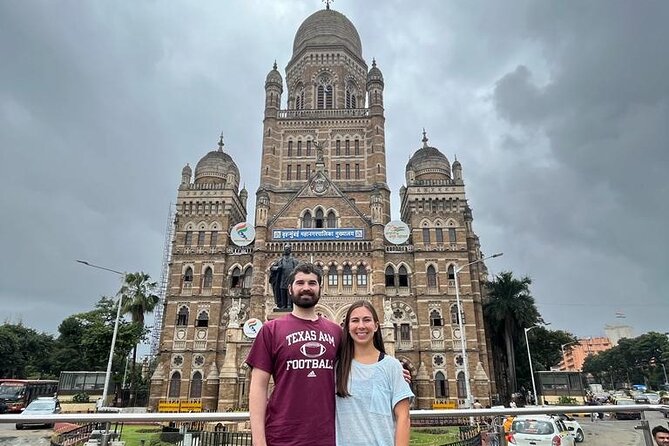
You’ll begin at Chhatrapati Shivaji Maharaj Terminus (CSMT), formerly Victoria Terminus. Even if trains aren’t your thing, this is a powerful “arrival” point: it’s one of those places where architecture makes you slow down and look.
Plan on about 30 minutes here. That’s enough time to take in the façade and the station vibe without eating your whole morning. If you’re the kind of traveler who loves photos, this is a strong first stop because the building gives you instant angles.
A small reality check: a railway station is still a working station. Expect people, motion, and that “keep your bag close” feeling—normal everywhere, but extra noticeable in busy hubs.
Other Dharavi walks led by people who live there




Gateway of India and Dhobi Ghat: Two Ways to See Mumbai
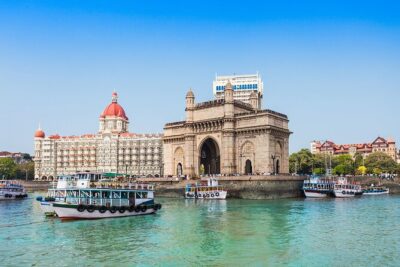
Next up is Gateway of India, a big, iconic arch from 1911 that’s tied to the city’s colonial-era era footprint. Plan about 30 minutes. Think of this as your history-and-landmark anchor for the day, a place where you can understand why the waterfront became such a public stage.
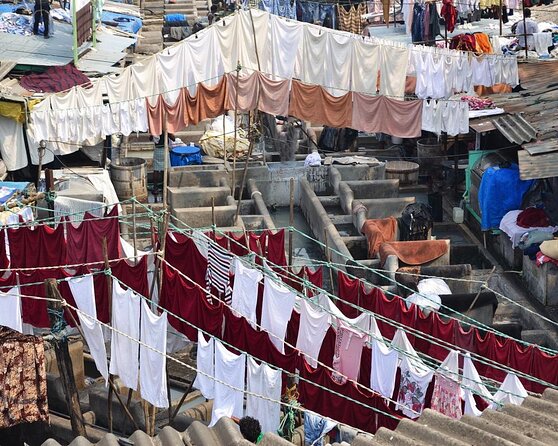
Then comes Dhobi Ghat, where laundry work is part of the city’s everyday rhythm. You get around 20 minutes, which sounds short—until you’re watching. This is where Mumbai feels less like a museum route and more like real life happening right in front of you.
Why this stop is worth the time: a guide can explain what you’re seeing beyond the obvious. You’ll get the cultural meaning behind the work, not just the visual.
If you’re sensitive to close-up industrial scenes, take it at your pace. You don’t have to stare at anyone to understand the place—good guides steer you toward the right attitude.
Oval Maidan, Mumbai High Court, and University of Mumbai Fort: Where Power Lives
The tour swings through a cluster of institutional landmarks: Oval Maidan, the High Court of Mumbai, and the University of Mumbai Fort Campus. You’ll have about 25 minutes at Oval Maidan, then additional time at the legal and academic stops.
Oval Maidan adds a sports-and-colonial flavor to the day. Even if you’re not a cricket superfan, the ground helps you see how British-era public space shaped Mumbai’s layout.
The High Court and the University campus shift the mood. Here you start noticing Mumbai as an administrative and educational machine, not just a sightseeing headline. These stops are a useful balance to the more emotional content later in the day.
The drawback? This part can feel more “look and listen” than “wander and discover,” depending on what you like. If you enjoy architecture and how cities organize themselves, you’ll probably love it.
Marine Drive and Malabar Hill: Sea Views With That Classic Curve

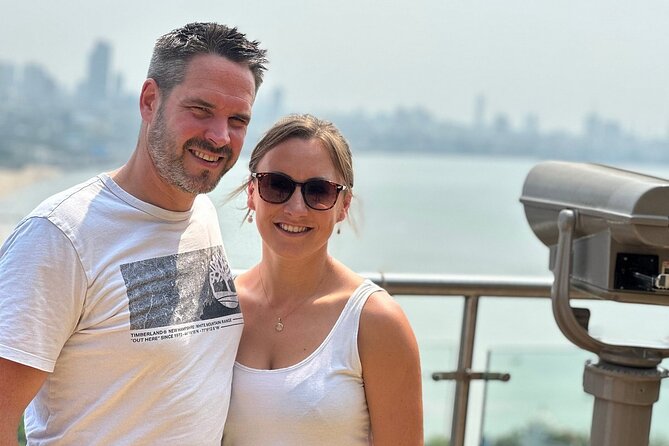
After the institutional stretch, you reach Marine Drive, often called the Queen’s Necklace. You’ll have about 15 minutes. Short time, but the point isn’t a long walk—it’s the view. The curve of the promenade gives you instant context for why Mumbai’s coastline became such a social front.
From there you head toward Malabar Hill, a higher residential area with panoramic views over the Arabian Sea. You’ll also see the Jain Temple Hill area as part of this elevated section. These hillside stops work well because they provide a temperature change in the sightseeing rhythm: you’re not moving through crowds every minute.
The practical tip: bring a lens for cityscape shots, but also take a moment to look without photographing. Views like these can make even a packed itinerary feel worth it.
Other loops past the Gateway, Marine Drive and beyond
- Mumbai: Full-Day Sightseeing Tour of Mumbai
★ 4.9 · 1,822 reviews - Private Mumbai Sightseeing Tour (Traveller’s Choice Award Winner)
★ 5.0 · 1,565 reviews - Highlights of Mumbai Sightseeing Tour: TRAVELLERS CHOICE AWARDED
★ 5.0 · 915 reviews - Highlights of South Mumbai Guided Private Tour in AC Vehicle
★ 5.0 · 620 reviews - Private Mumbai Sightseeing Tour(Travellers Choice Award Winner)
★ 5.0 · 565 reviews - Private Half-Day Sightseeing Tour in Mumbai
★ 5.0 · 430 reviews
Hanging Gardens and Jain Temple Hill: Tiny Breaks From the Rush
One of the smartest parts of this day is that you get built-in “cool down” space. Hanging Gardens sits above the city with well-kept lawns and flowerbeds, plus a lookout angle that lets you reset your brain for the next segment.
You also have the Jain Temple Hill stop, which adds a calmer spiritual pause amid the urban movement. If you’re the type who gets a little museum-fatigued, these are the moments that keep the day from turning into one nonstop checklist.
Time here is about 15 minutes for Hanging Gardens. That’s enough for orientation and a quick soak in the atmosphere, but not enough to linger for a full half-day break—so treat it as a breather, not a destination in its own right.
Crawford Market and Kamala Nehru Park: Shopping Energy Without the Guesswork
Next is Crawford Market, a historic trading spot known for its Victorian-style structure and lots of everyday shopping. You get around 20 minutes. This is a strong place to understand Mumbai’s economy at ground level: people come here with lists, not just curiosity.
After that, the route goes through Kamala Nehru Park, where you can also see the Boot House, the whimsical building shaped like a giant boot. It’s only about 15 minutes, but it’s one of those stops that makes the day feel less serious and more playful.
Practical note: markets are where you’ll notice sensory overload most—sounds, movement, and lots of eye contact. A guide helps you navigate without feeling rude or in the way.
If you want to buy anything, keep it simple. You’re on a structured route, so don’t turn your shopping stop into a separate adventure that delays the rest of the tour.
Mani Bhavan Gandhi Museum: The Day’s Reflective Turn
Then you hit Mani Bhavan Gandhi Museum, tied to Mahatma Gandhi’s life and work. Admission here is listed as included, and you’ll have about 20 minutes.
This is an important pivot. Earlier you’re looking at transport hubs, civic power, and waterfront landmarks. Mani Bhavan asks you to connect Mumbai’s story to the bigger political currents that shaped India.
Even with a short visit, a guide can make the exhibits easier to read. You’ll leave with more than facts—you’ll understand why the location matters.
A small consideration: museum time is limited here, so go in ready to pick a few things to pay attention to, not to try to read everything. That approach keeps you from feeling rushed.
Dharavi for About Two Hours: What to Expect and How to Prepare
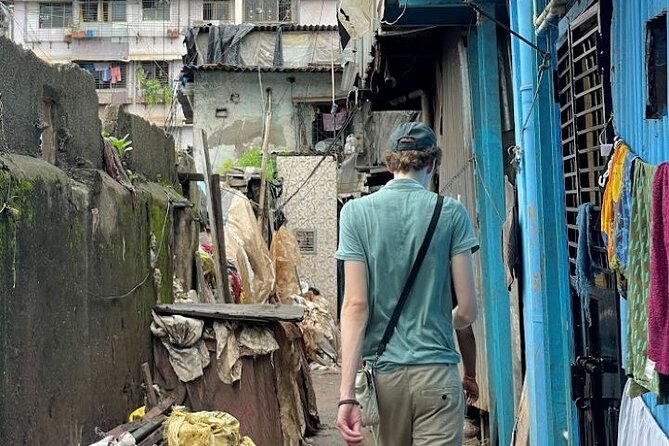
Now comes the heart of the day: Dharavi. You’ll spend about 2 hours, and it’s described as a working community with small-scale industries and creativity, along with the realities that come with dense urban living.
This isn’t a “drive by” stop. You’ll be with a local guide, and in past experiences, guides with direct connections to Dharavi—like Subhan, who’s described as having grown up there—add credibility and context. Others like Javed and Jay are praised for being engaged and for answering questions without making you feel awkward.
How to prepare mentally:
- Go with respect. This isn’t a theme park.
- Ask questions, but keep them human. Guides can explain what you’re seeing without sensationalizing it.
- If you’re uncomfortable with certain realities, tell your guide. A good guide will adjust the pace.
Logistically, the Dharavi segment is time-managed. That’s a plus, because you get meaningful time without turning it into an all-day overload. Still, it’s likely to feel different from the clean, tidy landmark stops. That contrast is part of what makes the visit so educational.
Price and Value: What $35.23 Buys You in Mumbai
At $35.23 per person, this tour is priced like a value-focused day out, and the structure supports that. You’re not paying to sit in a car. You’re paying for an organized route, roundtrip transportation in an air-conditioned vehicle, and guided interpretation across a lot of named stops.
Also, many stops are listed as free entry at the attraction level. That means your money goes toward logistics and guidance rather than stacking ticket costs. Mani Bhavan’s admission is specifically included, so you’re not left wondering what’s paid and what’s not.
Is it a bargain? It’s competitive because you’re getting a full highlights route plus a guided Dharavi visit with time set aside. If you tried to plan this alone, you’d spend time mapping transport, dealing with language and navigation, and potentially feeling less safe in unfamiliar areas.
Main drawback on value: since it’s a tight itinerary, you won’t have “wander forever” time in every neighborhood. You’re buying focus. If you prefer slow travel, this might feel busy.
Who This Tour Fits Best (And Who Should Skip It)
This tour is a great fit if you want:
- A single-day Mumbai overview that includes both the famous landmarks and Dharavi context
- An English-speaking guide who can explain what you’re seeing, with extra patience for questions
- Air-conditioned transport that protects you from the worst parts of traffic stress
It also works well for first-time visitors. Several guides are praised for making people feel comfortable and informed, which is exactly what you want when the city is new.
Who might not love it? If you’re the type who hates time limits and wants hours and hours of free wandering, you may find the schedule too structured. Likewise, if you want only postcard views and none of the heavier human realities, you might prefer a different Mumbai day.
Should You Book the Mumbai Full-Day Sightseeing and Dharavi Tour?
Yes—if your goal is to get your bearings fast and leave with a fuller sense of Mumbai than the usual “photos and done” trip. The strongest case for booking is the combination of classic landmarks and the guided Dharavi visit, with transport handled and room for questions.
Book it especially if:
- You want a guide-led day that doesn’t make you guess your way around
- You appreciate learning from local perspectives (guides like Jawwad, Preti, Javed, and Subhan are specifically mentioned in positive experiences)
- You’d rather spend your time looking at the city than figuring out how to reach the next stop
Skip it if you’re looking for an unstructured day, or if you know you’ll struggle with the emotional weight of visiting Dharavi. In that case, choose a lighter landmark-only route instead.
FAQ
How long is the Mumbai Full-Day Sightseeing & Dharavi tour?
The tour runs about 5 to 7 hours, and that total time includes transportation.
Do you get a guide and private group?
Yes. It’s a private tour, so only your group participates, and you’ll have a guide for the route.
Is transport included?
Roundtrip transportation is included, with travel in an air-conditioned car. Pickup is offered, and the day ends back at the meeting point.
What’s included in the price?
All fees and taxes are included, and admission/entry is included. Dinner and alcohol are not included.
How much time is spent in Dharavi?
Dharavi is allocated about 2 hours during the tour.
Can I cancel for a refund?
Free cancellation is available up to 24 hours in advance for a full refund. If you cancel less than 24 hours before the start time, the amount paid is not refunded.
More Mumbai, Every Kind of Day
- Dharavi slum tour in Mumbai by Female tour guides of the slum
★ 5.0 · 1,976 reviews - Mumbai: Full-Day Sightseeing Tour of Mumbai
★ 4.9 · 1,822 reviews - Private Mumbai Sightseeing Tour (Traveller’s Choice Award Winner)
★ 5.0 · 1,565 reviews - Elephanta Caves & Island Guided Private Tour
★ 5.0 · 1,327 reviews
The Big Mumbai Circuits
- Mumbai: Full-Day Sightseeing Tour of Mumbai
★ 4.9 · 1,822 reviews - Private Mumbai Sightseeing Tour (Traveller’s Choice Award Winner)
★ 5.0 · 1,565 reviews - Highlights of Mumbai Sightseeing Tour: TRAVELLERS CHOICE AWARDED
★ 5.0 · 915 reviews - Highlights of South Mumbai Guided Private Tour in AC Vehicle
★ 5.0 · 620 reviews
Dharavi, Told by Its Residents
- Dharavi slum tour in Mumbai by Female tour guides of the slum
★ 5.0 · 1,976 reviews - Mumbai: Dharavi Slum, DhobiGhat, and Dabbawallas Tour
★ 4.9 · 689 reviews - Dharavi Slum Tour
★ 5.0 · 625 reviews - Dharavi Slum tour in Mumbai by local resident
★ 5.0 · 572 reviews
New on the Mumbai shortlist



Dharavi Community Walks, compared.
 ★ 5.0Dharavi slum tour in Mumbai by Female tour guides of the slumFrom $91,976 reviews
 ★ 4.9Dharavi Slum, DhobiGhat, and Dabbawallas TourFrom $14689 reviews
 ★ 5.0Dharavi Slum TourFrom $20625 reviews
 ★ 5.0Dharavi Slum tour in Mumbai by local residentFrom $4572 reviews
 ★ 4.9Dharavi Slum Slumdog Millionaire Tour with a LocalFrom $10529 reviews
 ★ 5.0Mumbai Slum Tour – Visit Dharavi Slum with Local GuideFrom $5509 reviews
 ★ 5.0Dhobi Ghat Laundry and Dharavi Slum Tour with LocalFrom $4469 reviews
 ★ 5.02-Hour Guided Tour of DharaviFrom $22359 reviews
Browse the lists this tour appears in