
Review · DHARAVI COMMUNITY WALKS
Dharavi Slum Tour & Mumbai Sightseeing
Mumbai doesn’t do small talk. This 6-hour tour pairs Dharavi street-level reality with major landmark photo stops, guided end-to-end in English, and it moves with an A/C car so you’re not cooked in traffic. I especially like the human storytelling around working Mumbai—recycling yards, tailoring lanes, and open-air laundry—and the straightforward way the route strings together places you’d otherwise chase across the city. The main drawback: Dharavi involves walking tight lanes and seeing tough conditions, and shorts aren’t allowed, so plan for a more intense, hands-on experience than typical sightseeing.
If you want a single-day hit that covers both the postcard sights and the everyday city, this works. Guides mentioned for this tour include Dev, Dhermesh, Siddhi, Anthony, and Sunny, with drivers such as Mukesh and Manjo—people who seem to handle questions well and adjust to what you care about, not just a fixed script.
In This Review
- Key things worth knowing before you go
- How this tour balances big sights and real neighborhoods
- Pickup and first impressions: getting oriented fast
- Gateway of India to the Taj Mahal Palace area: the classic entrance to Mumbai
- Marine Drive and the “Queens Necklace” drive-by
- Chhatrapati Shivaji Maharaj Terminus: a UNESCO-style “stop and stare” moment
- Mani Bhavan: seeing Gandhi’s Mumbai on foot
- Dhobi Ghat (open-air laundry): the working-world highlight
- Hanging Gardens and the water-tank setting near the Tower of Silence
- Kamala Nehru Park and Old Woman’s Shoe: the skyline break you’ll remember
- Jain temple and Banganga tank: a quiet pause with a specific place
- Dharavi: how a slum tour becomes about community and work
- Kumbharwada inside Dharavi: walking narrow alleys with a guide
- The practical side: what you should bring and how to behave
- Returning through Mumbai: how the rest of the route ties together
- Price and value: is $70 per person fair for this mix?
- Who this tour suits best (and who should skip it)
- Should you book Dharavi Slum Tour & Mumbai Sightseeing?
- FAQ
- How long is the tour?
- Where does the pickup happen?
- Is this tour private or shared?
- What languages are offered?
- What does the price include?
- Is lunch included?
- Which major sites are part of the route?
- Are shorts allowed?
- What’s the cancellation policy?
- Can I pay later?
Key things worth knowing before you go
- Dharavi + Kumbharwada: you’re shown beyond headlines, including recycling activity and community life
- Dhobi Ghat (open-air laundry): you get a working-museum view of how washing happens in public
- Gateway of India and Taj area: classic skyline photos with the Taj Mahal Palace hotel right nearby
- British-era landmarks in one sweep: Chhatrapati Shivaji Maharaj Terminus, Marine Drive, and more by drive-by
- Kamala Nehru Park viewpoint: plus the famous Old Woman’s Shoe photo spot
- Modest clothing matters: shorts aren’t allowed, so dress accordingly
How this tour balances big sights and real neighborhoods
Mumbai can feel like two different cities depending on where you stand. This tour tries to hold both at once: you’ll hit major “everyone knows this” landmarks like the Gateway of India and Chhatrapati Shivaji Maharaj Terminus, then pivot into lived-in streets and workspaces—Dharavi’s lanes and Dhobi Ghat’s laundry action.
What makes it work for you is the mix of pacing and transportation. You’re in an air-conditioned car for the longer hops, which matters in Mumbai heat and stop-and-go traffic. And while the tour includes famous buildings, it doesn’t treat Mumbai like a museum-only city. The goal is to help you understand how the city runs, not just how it looks.
Pickup and first impressions: getting oriented fast
You’ll be met in Mumbai at your pickup point (the provided itinerary lists Friends Colony, and the activity description also says pickup is included from your hotel—so confirm your exact meeting point when you book). That’s not just convenience. It sets your tone for the day: you start with a guide beside you, not a scramble to figure out routes and timing.
From there, you head toward the harbor side for one of the city’s most recognizable scenes.
Other Dharavi walks led by people who live there



Gateway of India to the Taj Mahal Palace area: the classic entrance to Mumbai

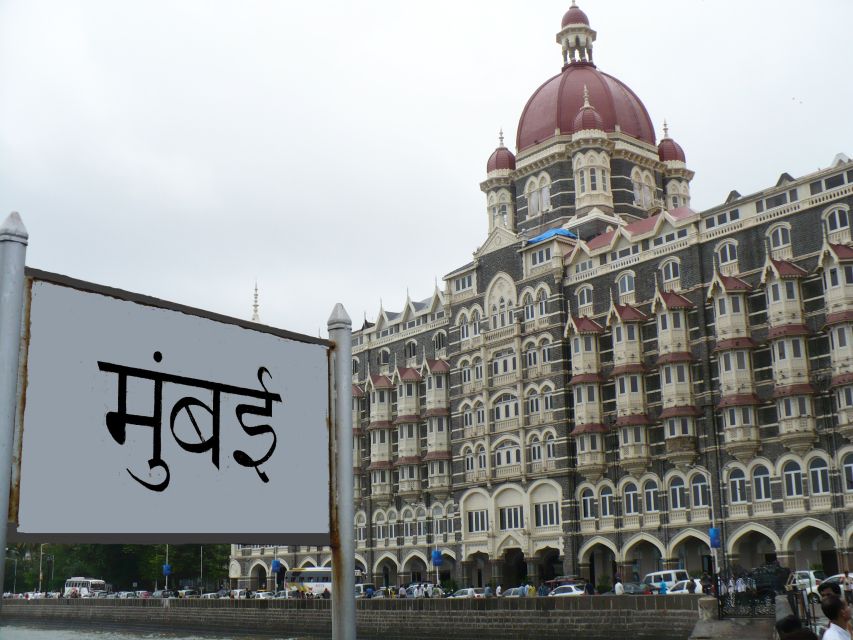
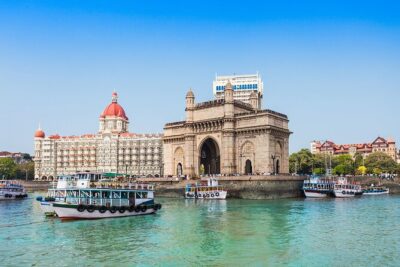
The Gateway of India stop is built around two things: a guided orientation and time to look for photos without rushing. It’s the monument tied to the welcome of King George V and Queen Mary, and standing there helps you get the “why” behind Mumbai’s reputation as a global port.
Right around the corner is the Taj Mahal Palace hotel (the original building was commissioned by Jamshedji Tata and opened on December 16, 1903). Even if you’re not going inside, the area gives you a clean visual sense of how Mumbai’s colonial-era grandeur sits next to modern city life.
Practical note: this is a high-recognition photo stop, so expect it to feel busy in the immediate area. Go in with a simple goal: wide shot first, then close details if you still have energy.
Marine Drive and the “Queens Necklace” drive-by
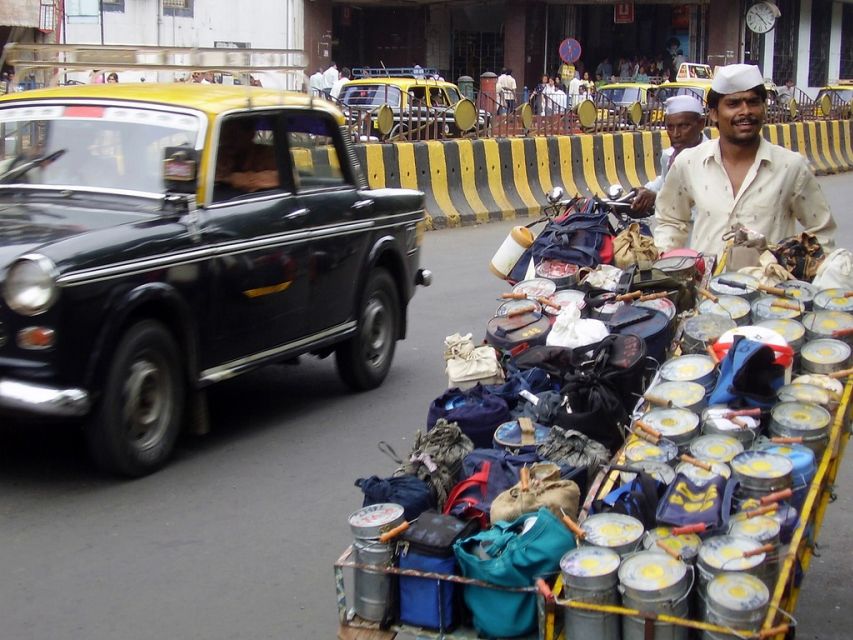
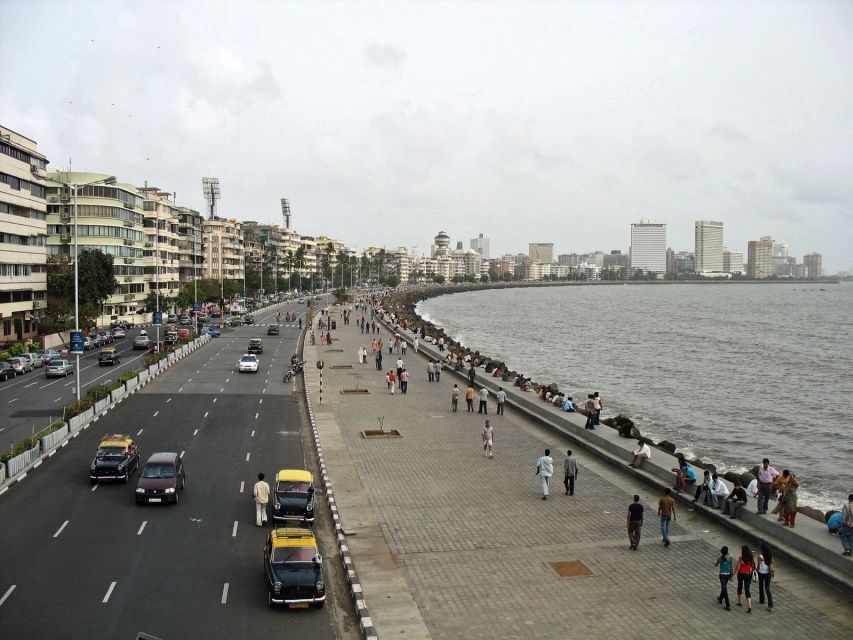
After the Gateway area, you’ll connect to Marine Drive, often nicknamed the Queens Necklace for how the lights and curve read from the right angle. Your stop is a short one, with photo time and guided context.
What I like about this part of the tour is that it’s not only about a view. You also get the city’s British heritage buildings layered into the drive, including Prince of Wales Museum, Maharashtra Police Headquarters, Flora Fountain and Hutatma Chowk, the Telegraph Office, the India Post Office Building, the Kala Ghoda area, David Sassoon’s Library, and the National Gallery of Modern Art.
This matters if you’re the kind of traveler who likes to recognize architecture patterns. You’ll start noticing recurring design cues—arches, facades, clockwork details—rather than seeing them as isolated landmarks.
Chhatrapati Shivaji Maharaj Terminus: a UNESCO-style “stop and stare” moment

Next you’ll reach Chhatrapati Shivaji Maharaj Terminus for a photo stop and guided look. This is a UNESCO World Heritage Site, and even if you’re not an architecture nerd, the station has that “why is this so dramatic?” effect. It’s built to be a civic statement, not just a train stop.
The useful part of a guided visit here is that you’ll understand what you’re looking at instead of just photographing it and moving on. Spend your time on the parts your guide points out: the scale, the façade details, and how it functions as a landmark for the city.
If you’re short on time (you are, this is six hours), this stop gives you a strong payoff without derailing the rest of the day.
Other loops past the Gateway, Marine Drive and beyond
- Mumbai: Full-Day Sightseeing Tour of Mumbai
★ 4.9 · 1,822 reviews - Private Mumbai Sightseeing Tour (Traveller’s Choice Award Winner)
★ 5.0 · 1,565 reviews - Highlights of Mumbai Sightseeing Tour: TRAVELLERS CHOICE AWARDED
★ 5.0 · 915 reviews - Highlights of South Mumbai Guided Private Tour in AC Vehicle
★ 5.0 · 620 reviews - Private Mumbai Sightseeing Tour(Travellers Choice Award Winner)
★ 5.0 · 565 reviews - Private Half-Day Sightseeing Tour in Mumbai
★ 5.0 · 430 reviews
Mani Bhavan: seeing Gandhi’s Mumbai on foot
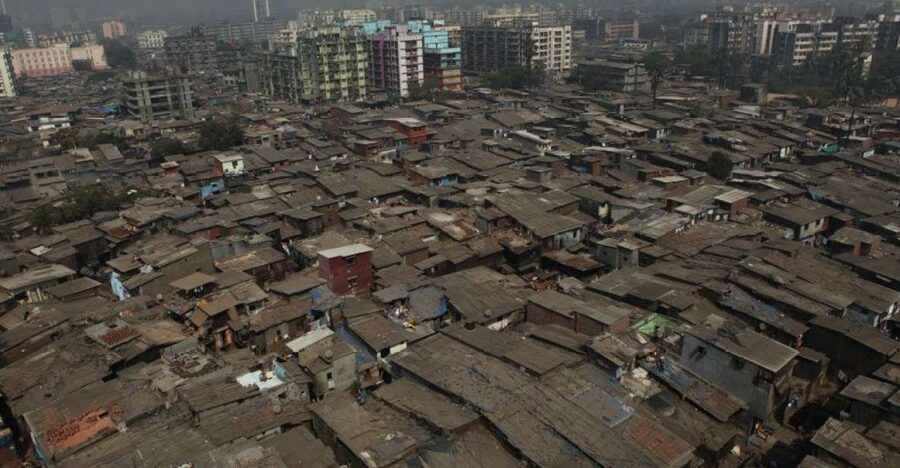
Mahatma Gandhi’s residence in Mumbai, Mani Bhavan, is another photo stop with guided explanation and a short walk. Compared with big monuments, this stop feels more personal. It’s the kind of place where small details and stories add up.
What you’ll appreciate here is balance: you get to shift from the grandeur of colonial-era buildings to the human scale of a political and personal space. Even if you don’t know much about Gandhi’s timeline, a guide can help connect what you’re seeing to why it matters.
Dhobi Ghat (open-air laundry): the working-world highlight
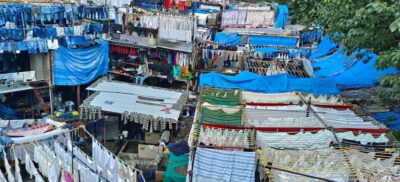
If I had to pick the most memorable, you’ll probably be thinking of Dhobi Ghat. You’ll see Asia’s largest open-air laundry, where clothes are washed in public view. The tour gives you a guided visit and time to take in what’s happening around you.
This is not a “pretty postcard” stop. It’s real work—people in motion, cloth in washing stages, and the sounds and smells that come with large-scale daily labor. That’s exactly why it’s worth doing. You’ll learn how Mumbai’s systems run, right in front of you, instead of only reading about them.
Tip for your comfort: wear clothes you don’t mind getting warm in (and remember shorts aren’t allowed). Also, plan to move slowly—this is one of those places where your eyes need a few minutes to adjust to the scale and activity.
Hanging Gardens and the water-tank setting near the Tower of Silence
Hanging Gardens Mumbai is tied to a very specific location: it sits on top of water tanks near the Tower of Silence, which is associated with Parsi burial rites. The tour includes a short stop with guided context and time to look around.
Why this matters for your experience: it turns a “cute garden viewpoint” into something with an actual urban function. You’re learning how infrastructure and community spaces share the same ground. It also gives you a calmer pacing break after the intensity of Dharavi and the sensory overload of laundry.
If you like city viewpoints, you’ll appreciate this as a breather—but keep your timing in mind because the day still moves toward the most emotionally demanding part.
Kamala Nehru Park and Old Woman’s Shoe: the skyline break you’ll remember
Kamala Nehru Park comes with a viewpoint over the city and the famous Old Woman’s Shoe. This is a photo stop that also functions as mental reset. After hard scenes and constant movement, you get a moment where your brain can simply look and breathe.
It’s also a reminder that Mumbai doesn’t only show up as traffic, concrete, or monuments. Parks and viewpoints matter because they change your sense of scale. From a high angle, you can start imagining neighborhood boundaries and how far the city spreads.
Jain temple and Banganga tank: a quiet pause with a specific place
You’ll also visit a Jain temple and the Banganga tank as part of this broader neighborhood-and-landmarks segment. The value here is not just religious tourism—it’s that these stops anchor you in how different communities shape Mumbai’s public spaces.
Even if you’re not visiting as a faith traveler, the guided notes help you understand how these sites function in daily urban life: places with meaning that locals still use, not only “see once” attractions.
Dharavi: how a slum tour becomes about community and work
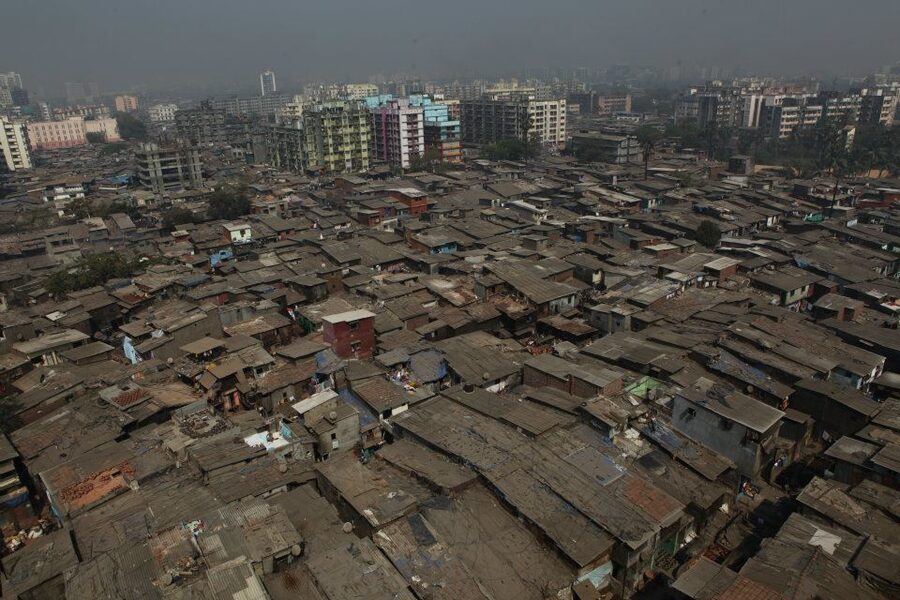
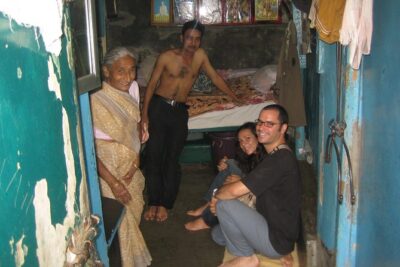
Dharavi is the centerpiece, and it needs a respectful mindset. The tour is built to show you the area beyond sensational photos: narrow lanes and by-lanes, a shift into the plastic and metal recycling yard, then continuing through lanes where you might smell bakeries and sweet shops while passing soap and cosmetic making units.
You’ll also see small-scale businesses in motion: dime-sized cyber cafes, people brushing past, and mass-producing tailor shops. This isn’t staged. It’s the texture of a place where daily commerce is woven into survival and skill.
One way the tour is set up that I really appreciate is that it walks you through multiple types of work inside Dharavi—recycling first, then smaller manufacturing and services. That gives you a clearer picture of how the local economy functions.
Kumbharwada inside Dharavi: walking narrow alleys with a guide
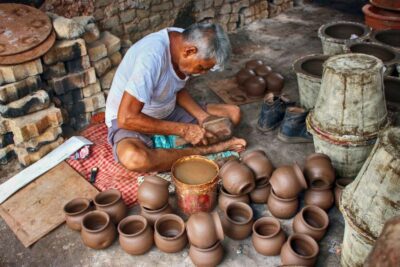
The route specifically mentions arriving at Kumbharwada, described as a face of India’s largest slum dwelling. Kumbharwada is where you’ll walk narrow alleys and hear stories tied to community life and shared spirit.
This is the part where you’ll feel the most. Tight walking paths, close encounters with everyday activity, and stories that put faces and routines behind what you’ve seen in media. You might also notice how the guide sets expectations—what you should look for, what you should avoid, and how to ask questions without turning people into props.
Important: this isn’t a “comfort your way through it” experience. If you’re traveling with someone who needs distance from difficult realities, you’ll want to talk before you go. Dharavi can be emotionally sharp.
The practical side: what you should bring and how to behave
A few practical things help you have a better day here:
- Bring water (I’d plan for it; one piece of direct advice mentioned is don’t forget water).
- Wear modest clothing since shorts aren’t allowed.
- Expect walking in tight lanes. Comfortable shoes matter more than style.
- Keep your camera use thoughtful. You’ll be in people’s daily spaces.
And a bigger mindset note: your guide’s stories are the point. Try to listen more than you photograph. Photos are fine, but understanding is what stays with you.
Returning through Mumbai: how the rest of the route ties together
After Dharavi, you drive back toward your pickup area and end the tour at the same general pickup point (Friends Colony is listed). This wrap-up is helpful because it prevents you from fighting Mumbai transport after an intense first half.
If you want a clean mental thread, the route helps: it goes from “Mumbai as empire and global port” (Gateway/Taj area), to “Mumbai as city of motion and civic icons” (Marine Drive and Chhatrapati Shivaji Maharaj Terminus), to “Mumbai as personal and spiritual meaning” (Mani Bhavan, Jain temple, Banganga tank), and then to “Mumbai as daily labor systems” (Dhobi Ghat and Dharavi).
That arc is the value. You leave with more than a checklist—you have a sense of how the same city can look radically different block to block.
Price and value: is $70 per person fair for this mix?
At about $70 per person for a 6-hour, private-group experience, you’re paying for three things:
- An English-speaking guide to connect the dots between major sights and local workspaces.
- A car with tolls, parking, and taxes handled—so you’re not piecing together transport across Mumbai.
- A schedule that squeezes together harbor monuments, heritage architecture, a working laundry, and Dharavi in one day.
The trade-off is that lunch isn’t included. So factor in your own meal plan or snacks, especially if Dharavi leaves you hungry or tired.
For most first-time visitors who want one day that covers a lot without losing the human element, this price feels reasonable. For travelers who prefer slow, museum-only itineraries—or who hate walking in tight spaces—this may feel like too much packed in.
Who this tour suits best (and who should skip it)
This tour is a strong fit if you:
- Want both major Mumbai landmarks and real working-city stops in one day
- Like guides who explain context, not just point at buildings
- Are curious about Dharavi as a community with work systems, not only a headline
It’s less ideal if you:
- Want a purely comfortable sightseeing day with minimal intensity
- Get overwhelmed easily by close-quarters neighborhood walking
- Prefer to avoid areas where conditions are visibly challenging
And if modest dress matters to you (you’ll be asked not to wear shorts), plan outfits accordingly.
Should you book Dharavi Slum Tour & Mumbai Sightseeing?
I’d book it if you’re doing a tight schedule and you want Mumbai that feels alive, not only photographed. The combination is the selling point: Gateway of India and Chhatrapati Shivaji Maharaj Terminus give you the classic “big-city Mumbai,” while Dhobi Ghat and Dharavi show you how people actually work and move through daily life.
Don’t book it if you’re looking for a light, relaxed day with no emotional friction. Dharavi can be intense, and the route includes walking in narrow lanes.
If you do book, go in prepared: wear closed-toe shoes, bring water, dress modestly, and use your guide’s stories as your main souvenir. That’s where the day really pays off.
FAQ
How long is the tour?
The tour duration is 6 hours.
Where does the pickup happen?
Pickup is included. The itinerary lists Friends Colony, and you’ll also be able to provide your hotel details so the guide can meet you there.
Is this tour private or shared?
This is listed as a private group.
What languages are offered?
The live tour guide language is English.
What does the price include?
Included items are an air-conditional car, an English-speaking guide, tolls, parking, and tax, with no hidden cost.
Is lunch included?
No. Lunch is not included.
Which major sites are part of the route?
You’ll see the Gateway of India (and the Taj Mahal Palace hotel area), Marine Drive, Chhatrapati Shivaji Maharaj Terminus, Mani Bhavan, Dhobi Ghat, Hanging Gardens, Kamala Nehru Park (with the Old Woman’s Shoe), plus Jain temple and Banganga tank, and you’ll visit Dharavi.
Are shorts allowed?
No. Shorts are not allowed.
What’s the cancellation policy?
Free cancellation is offered up to 24 hours in advance for a full refund.
Can I pay later?
Yes. The tour offers reserve now & pay later, so you can book a spot and pay nothing today.
More Mumbai, Every Kind of Day
- Dharavi slum tour in Mumbai by Female tour guides of the slum
★ 5.0 · 1,976 reviews - Mumbai: Full-Day Sightseeing Tour of Mumbai
★ 4.9 · 1,822 reviews - Private Mumbai Sightseeing Tour (Traveller’s Choice Award Winner)
★ 5.0 · 1,565 reviews - Elephanta Caves & Island Guided Private Tour
★ 5.0 · 1,327 reviews
The Big Mumbai Circuits
- Mumbai: Full-Day Sightseeing Tour of Mumbai
★ 4.9 · 1,822 reviews - Private Mumbai Sightseeing Tour (Traveller’s Choice Award Winner)
★ 5.0 · 1,565 reviews - Highlights of Mumbai Sightseeing Tour: TRAVELLERS CHOICE AWARDED
★ 5.0 · 915 reviews - Highlights of South Mumbai Guided Private Tour in AC Vehicle
★ 5.0 · 620 reviews
Dharavi, Told by Its Residents
- Dharavi slum tour in Mumbai by Female tour guides of the slum
★ 5.0 · 1,976 reviews - Mumbai: Dharavi Slum, DhobiGhat, and Dabbawallas Tour
★ 4.9 · 689 reviews - Dharavi Slum Tour
★ 5.0 · 625 reviews - Dharavi Slum tour in Mumbai by local resident
★ 5.0 · 572 reviews
New on the Mumbai shortlist

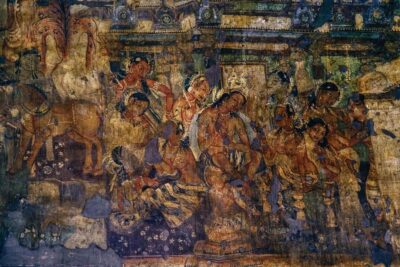

Dharavi Community Walks, compared.
 ★ 5.0Dharavi slum tour in Mumbai by Female tour guides of the slumFrom $91,976 reviews
 ★ 4.9Dharavi Slum, DhobiGhat, and Dabbawallas TourFrom $14689 reviews
 ★ 5.0Dharavi Slum TourFrom $20625 reviews
 ★ 5.0Dharavi Slum tour in Mumbai by local residentFrom $4572 reviews
 ★ 4.9Dharavi Slum Slumdog Millionaire Tour with a LocalFrom $10529 reviews
 ★ 5.0Mumbai Slum Tour – Visit Dharavi Slum with Local GuideFrom $5509 reviews
 ★ 5.0Dhobi Ghat Laundry and Dharavi Slum Tour with LocalFrom $4469 reviews
 ★ 5.02-Hour Guided Tour of DharaviFrom $22359 reviews
Browse the lists this tour appears in