
Review · HOME KITCHENS & COOKING CLASSES
Private Market Tour and Vegetarian Cooking Class in Mumbai
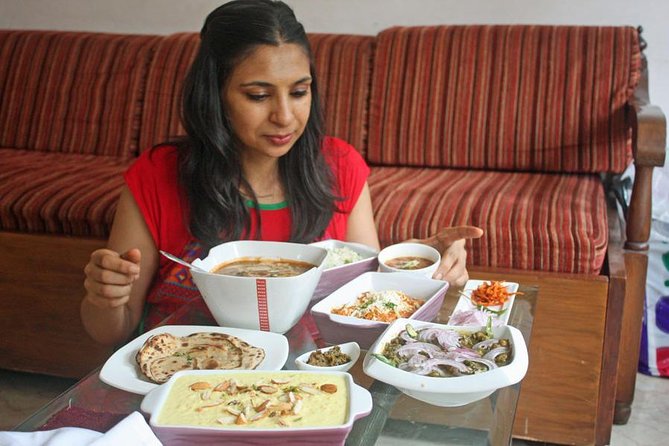
A home-based cooking class beats a food factory every time: you get real private attention and a market-to-home flow. I love that the menu stays vegetarian Punjabi, with a vegan option if you ask, and that you learn how to make key basics like roti or paratha by hand. You’ll also get a sit-down meal of what you cook, plus a complimentary glass of beer.
The stop at Shilpa’s neighborhood grocery is especially useful because it’s the kind of place Mumbai locals shop every day. You’re not just looking—you’re learning what to buy and why, in a covered grocery store environment that feels practical, not staged. One consideration: the class moves through steps efficiently, so if you like to linger or need extra repetition, communicate early and ask Shilpa to slow down.
In the end, you’re walking away with a repeatable plan for a few Punjabi favorites—not just a full stomach. The market knowledge plus the hands-on cooking is the combo that makes this worth your time (and your $64).
In This Review
- Key things to know
- Private Punjabi Cooking in Matunga: What Makes It Feel Real
- Meeting Shilpa at Indu Villa and Getting Oriented Fast
- The 30-Minute Covered Grocery Stop That Mumbai Locals Use
- How the Class Works at Home: Up to Three Punjabi Dishes
- Roti or Paratha: The Technique You’ll Actually Use Again
- Paneer Makhni and Dal: Learning the Flavor Logic
- Lunch or Dinner With Your Own Cooking (Plus Beer)
- Price and Value: Why $64 Works Here
- Who Should Book This, and Who Might Want Something Else
- Small Planning Tips That Make the Class Go Smoother
- Should You Book This Mumbai Vegetarian Cooking Class?
- FAQ
- How long is the private market tour and cooking class?
- What’s included in the cooking class?
- Is the menu vegetarian?
- Can the menu be customized for dietary restrictions or allergies?
- What kind of market visit is included?
- What time of day is the meal?
- Where does the tour start and end?
- Is this a private group or shared experience?
- Can I cancel for a full refund?
- When will I receive confirmation after booking?
Key things to know
- Private class at Shilpa’s home in Matunga Five Gardens, with only your group participating
- Covered grocery store shopping that shows what locals actually buy daily
- Hands-on Punjabi cooking: roti or paratha, plus paneer makhni and dal
- Vegetarian by default, vegan meals available on request
- Meal includes what you cook, with your choice of lunch or dinner and a complimentary beer
- Seasonal menu means you should request specific dishes ahead of time
Private Punjabi Cooking in Matunga: What Makes It Feel Real
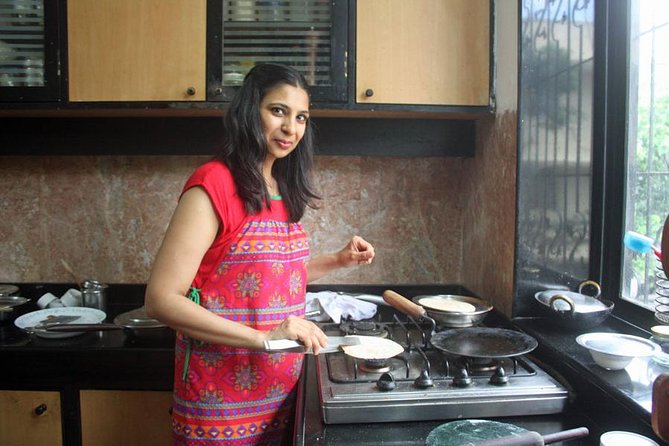
This experience is built around one simple idea: learn Indian cooking where the ingredients are chosen, not where they’re already prepped for you. You start in Matunga Five Gardens, meet Shilpa at her place, then head out briefly to a neighborhood grocery so you can see the spice-and-produce rhythm of the area. After that, you cook at Shilpa’s home and eat what you make.
What I like most is the way the experience connects three things that are often separate: ingredient shopping, technique, and eating together. You’re not just watching someone cook while you stand back; you’re doing the steps and getting shown the reasoning behind them. That matters if you want to recreate the dishes later, because the small choices—how the dough feels, when gravy thickens, how lentils change as they cook—are where the flavor lives.
The second big win is customization. Shilpa’s menu is vegetarian Punjabi, and she can adapt it to a vegan meal if you request it in advance. If you have dietary restrictions or allergies, you’ll want to message her before you arrive so she can plan accordingly. One more practical note: this is only about three hours, so it’s not a slow, all-day affair. You’ll get a solid core lesson, but it’s still a concentrated format.
Meeting Shilpa at Indu Villa and Getting Oriented Fast
Your day starts at Indu Villa, Plot No Five Garden, 602-C, Lady Jehangir Rd, Matunga East, Mumbai (and it returns there at the end). It’s also listed as near public transportation, which helps if you’re using local transit or trying to avoid the city’s traffic headaches.
From the moment you meet Shilpa, the vibe is family-home casual rather than “tourist cooking studio.” That’s one of the reasons this works well: you’re more likely to ask questions and make mistakes without feeling self-conscious. The setup also makes the lesson feel personalized. Since it’s a private activity, you’re not competing with a crowd for attention, which is key for learning hands-on bread and gravy techniques.
Shilpa is the person running both the grocery stop and the cooking portion, so you get continuity. She can connect what you buy to what you cook next. That makes the market part more than a photo opportunity. You’ll also learn in a logical order: meet, shop briefly, then cook back at home.
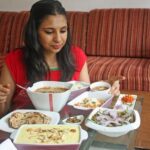
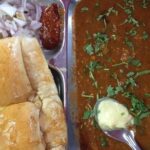
Other Mumbai kitchens that will teach you their recipes

The 30-Minute Covered Grocery Stop That Mumbai Locals Use
The market time is about 30 minutes, and it’s not an open-air market. You’ll visit a covered grocery store where Mumbai locals shop for produce, spices, and grains as part of everyday life. This matters because you’ll see the real sourcing patterns behind Punjabi food, not just a curated display meant for visitors.
Expect to be introduced to local fruits, vegetables, spices, and grains. Shilpa will explain what you’re looking at and how those ingredients support the dishes you’ll cook. You’ll also have a chance to buy a few ingredients if you want to bring that shopping knowledge home and recreate recipes later.
A practical mindset helps here. Don’t try to buy everything you see. Focus on what you’ll actually use in your dishes: key spices, lentils, and the items that affect texture. Also, since the menu is seasonal, the exact produce you see may shift. If you want to learn something specific, reach out to Shilpa ahead of time so she can plan the class around it.
One consideration: the store is covered and operates for daily shoppers, so it’s more like running errands than strolling. You’ll get the knowledge faster if you come ready to look closely and ask straightforward questions.
How the Class Works at Home: Up to Three Punjabi Dishes
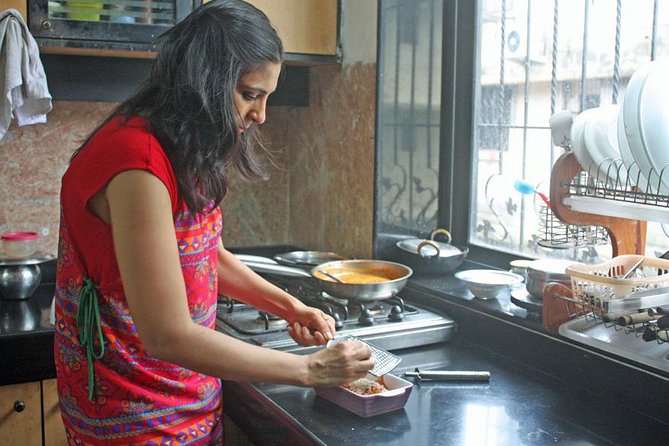
After the grocery stop, you return to Shilpa’s home for the cooking lesson. The format is hands-on, with you doing the key parts of each dish. The class covers making up to three Punjabi dishes, and the core menu includes:
- Roti or paratha (flatbread) made the traditional way
- Paneer makhni, using fresh cheese in a tomato gravy
- Dal, cooked lentils eaten with rice or Indian breads
This is a strong starter package because it teaches both bread and the two most important “carb + protein” combinations in North Indian meals. Once you understand roti/paratha technique and the flavor-building method behind makhni and dal, you can adapt those skills to other dishes later.
I especially like the pacing in concept: bread first (because it’s technique-heavy and dough-sensitive), then the gravies (because you learn what changes as heat and time work). You’ll also be shown each step, including the reasons behind what you’re doing. That helps you troubleshoot when you cook again at home and things don’t behave exactly as planned.
Just know this: one review notes that steps can move fast. If you’re a slower learner, or you want extra repetition, say so early. Shilpa is described as willing to instruct again when needed, so you’re not stuck.
Roti or Paratha: The Technique You’ll Actually Use Again
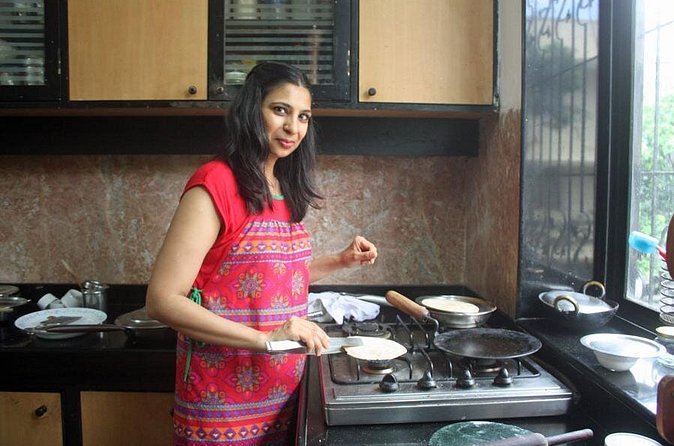
Flatbread is where many cooking classes fail tourists. It’s tactile, timing matters, and it’s easy to get wrong without guidance. Here, you learn roti or paratha by hand using a more traditional method, not just a shortcut.
You’ll be working with dough and learning the feel of it—how it rolls, how it cooks, and what to watch for so it doesn’t stay raw or turn too dry. The goal is not perfection on your first try. The goal is understanding the method so you can reproduce it later.
From a value perspective, bread skill is the best “carry-home” item. It’s also the most flexible. Roti works as a daily staple; paratha can become richer and more filling depending on how it’s prepared. Even if you’re not making Punjabi food every week, having one reliable flatbread technique changes how comfortable you feel cooking Indian at home.
If you’re going for roti, think simple and consistent. If you’re aiming for paratha, expect a bit more richness and a need for even handling. In either case, ask Shilpa how to judge doneness in your kitchen since stoves vary.
From Crawford Market to Chor Bazaar, more lanes to walk
- Mumbai Morning Market Tour of Flowers, Fish, and More
★ 5.0 · 100 reviews - Mumbai Morning Market Tour of Flowers, Fish, and More
★ 5.0 · 82 reviews - Mumbai Markets and Temples Tour
★ 5.0 · 59 reviews - Mumbai Street Food & Bazaar Tour with Local Transport
★ 5.0 · 51 reviews - Mumbai: Local Markets & Temples Tour
★ 4.6 · 45 reviews - Vibrant Markets of Mumbai (2 Hours Guided Walking Tour)
★ 4.4 · 44 reviews
Paneer Makhni and Dal: Learning the Flavor Logic
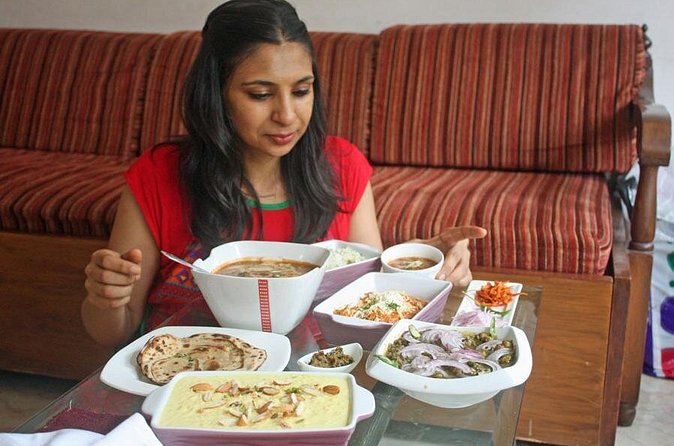
Paneer makhni and dal are the kind of dishes that look straightforward but require timing. This class helps because you learn the process step-by-step while you’re actively cooking.
Paneer makhni is fresh cheese in tomato gravy, and learning it hands-on teaches you two things that are useful beyond this single dish: how tomato-based gravies build body, and how dairy changes texture when it meets heat. If you’re vegan, the key is to tell Shilpa your needs ahead of time so she can plan a vegan meal. Since she offers vegan on request, you won’t be left with a compromise menu.
Dal is lentils cooked so they become thick, flavorful, and spoonable. Dal teaches doneness and seasoning discipline. You’re not just adding spices once—you’re learning how they evolve with cooking. Also, dal is often where people at home get stuck because they either undercook lentils or oversalt too early. Learning dal here gives you a baseline method.
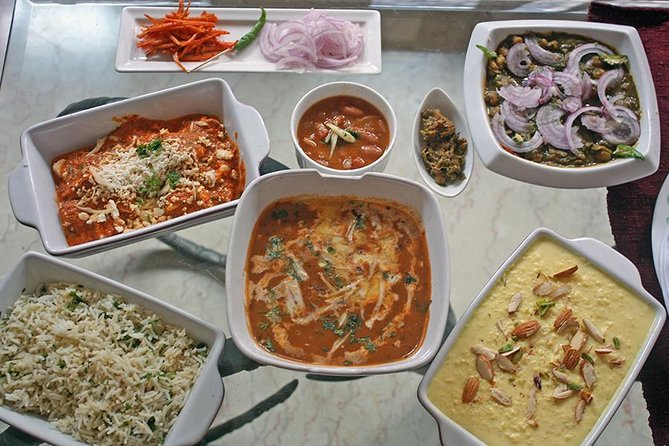
What I like about this pairing is that it covers two sides of Indian vegetarian comfort food: creamy tomato-cheese gravy and hearty lentil comfort. Together, they make your lunch or dinner feel like a real North Indian plate, not a demo.
Lunch or Dinner With Your Own Cooking (Plus Beer)
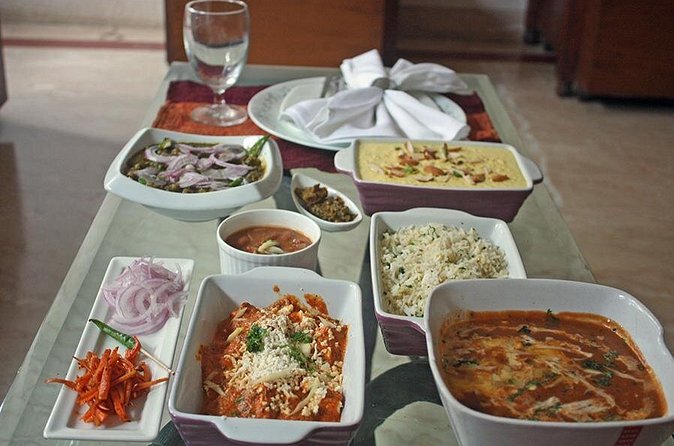
Once the cooking is done, you sit down to eat. Your meal includes what you cooked—paneer makhni and dal—served with rice or Indian breads. You also get your choice of lunch or dinner, depending on what you book.
The complimentary glass of beer is a nice touch because it makes the experience feel like a shared evening meal, not a class-and-vanish situation. It also helps you slow down and actually taste the food you made. When you’ve watched your own hands create the flavors, you notice details you’d normally miss—how the gravy clings, how the bread carries sauce, how the dal changes in thickness.
A small but important practical point: since this is a meal and not just a tasting, plan to arrive hungry. You’ll likely spend your time learning and working, and then you’ll want to enjoy the results without rushing.
Price and Value: Why $64 Works Here
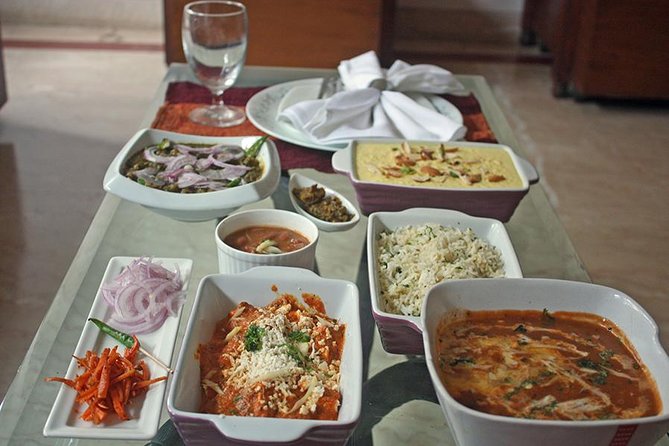
At $64 per person for about three hours, this is priced like a budget-friendly “real teaching” option rather than a high-end cooking show. The value comes from several things that are hard to replace:
- Private group format: you’re not sharing instruction with many people
- Market time (30 minutes): ingredient context, not just a quick walk
- Hands-on cooking: roti/paratha and two gravies, with full meal included
- Dietary flexibility: vegan meals available on request
- Complementary beer and a sit-down lunch or dinner
If you’re comparing alternatives, cooking classes that skip the grocery stop often cost more and still leave you unsure how to shop later. This one includes the grocery context. Also, the focus on foundational Punjabi dishes means you’re building skills, not collecting recipes you can’t quite recreate.
One consideration on cost-value: the menu is seasonal and can change. If you show up hoping for a very specific dish, you should message Shilpa in advance. That’s the best way to protect your money’s value.
Who Should Book This, and Who Might Want Something Else
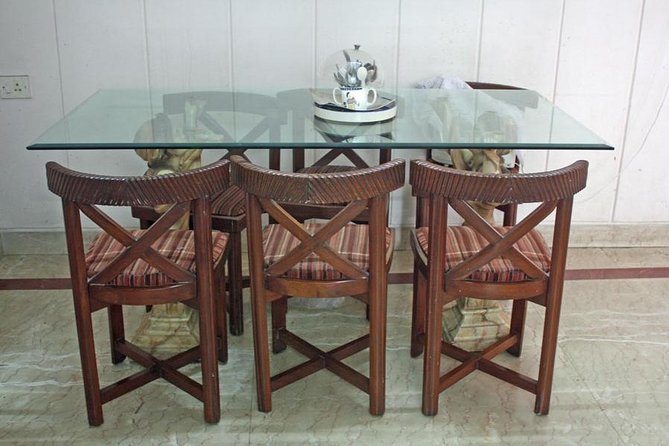
This is a great fit if you want a vegetarian Punjabi cooking experience with real instruction and a home setting. It suits couples, small groups, and anyone who likes asking questions while cooking rather than passively observing. If you’re vegan, you should still consider it—you just need to request a vegan adaptation ahead of time.
You’ll likely enjoy it most if you care about technique: flatbread handling, gravy consistency, and lentil doneness. That’s the kind of knowledge that makes Indian cooking feel less intimidating at home.
If you’re looking for an open-air, sightseeing-style market walk, this isn’t that. The grocery stop is covered and functional, like locals use it. It’s also not an all-day event, so if you want a deep, hour-by-hour sequence of many dishes, this is more focused.
Small Planning Tips That Make the Class Go Smoother
Before you go, send preferences and allergy info to Shilpa via WhatsApp if you can. The class runs off seasonal availability, and Shilpa can adapt the menu (including vegan options), but you need to give her time.
If you can, think about what you want to be able to cook at home:
- Are you mostly interested in bread? Plan to focus on roti/paratha practice during the session.
- Are you craving creamy tomato gravies? Ask extra questions about the makhni technique.
- Do you want a reliable everyday vegetarian protein? Dal learning is your anchor.
Also, since the class may move quickly, don’t wait until the moment you’re confused. Ask early for clarity, especially with dough feel and gravy thickness.
Finally, book with a little cushion in your schedule. The experience is about three hours, starts at Indu Villa in Matunga East, and ends back at the same meeting point.
Should You Book This Mumbai Vegetarian Cooking Class?
Book it if you want a practical Punjabi cooking skill session that includes ingredient context and a real meal. The combination of hands-on roti/paratha, paneer makhni, and dal, plus the covered grocery stop and private instruction, makes the $64 feel fair rather than inflated. I’d especially recommend it if you’re comfortable eating vegetarian food (and you can request vegan changes), and if you want to leave with methods you can repeat.
Skip it if you want a classic open-air market stroll or a very long, multi-dish cooking day. This is focused and efficient. If that sounds good to you, you’ll probably have a strong experience.
If you want, tell me your dietary needs (vegetarian/vegan, allergies) and whether you prefer roti or paratha. I can suggest what to message Shilpa ahead of time so the session fits your goals.
FAQ
How long is the private market tour and cooking class?
The experience lasts about 3 hours in total, and the grocery store visit is around 30 minutes.
What’s included in the cooking class?
You’ll get hands-on instruction to prepare up to three Punjabi dishes, including roti or paratha, paneer makhni, and dal, followed by a sit-down meal.
Is the menu vegetarian?
Shilpa offers vegetarian food only by default, and she can also do a complete vegan meal if you request it.
Can the menu be customized for dietary restrictions or allergies?
Yes. You should inform Shilpa in advance about dietary restrictions and allergies so she can plan accordingly.
What kind of market visit is included?
It’s not an open-air market. The tour is of a covered grocery store where Mumbai locals shop daily.
What time of day is the meal?
You can choose lunch or dinner as part of the experience.
Where does the tour start and end?
It starts at Indu Villa, Plot no Five Garden, 602-C, Lady Jehangir Rd, Matunga East, Mumbai, Maharashtra 400019, and ends back at the meeting point.
Is this a private group or shared experience?
This is a private tour/activity, so only your group participates.
Can I cancel for a full refund?
Yes. You can cancel up to 24 hours in advance for a full refund.
When will I receive confirmation after booking?
Confirmation is received at the time of booking.
Mumbai on Your Own Terms
- Private Mumbai Sightseeing Tour (Traveller’s Choice Award Winner)
★ 5.0 · 1,565 reviews - Elephanta Caves & Island Guided Private Tour
★ 5.0 · 1,327 reviews - Private Guided Walking Tour in Fort & Colaba
★ 5.0 · 895 reviews - Highlights of South Mumbai Guided Private Tour in AC Vehicle
★ 5.0 · 620 reviews
Deeper into the Bazaars
- Mumbai: Street Food and Night Markets Tour
★ 4.9 · 719 reviews - Mumbai Morning Market Tour of Flowers, Fish, and More
★ 5.0 · 100 reviews - Mumbai Morning Market Tour of Flowers, Fish, and More
★ 5.0 · 82 reviews - Mumbai Street Food Tour with Evening Bazaar Walk
★ 4.9 · 79 reviews
Into More Mumbai Kitchens
- Mumbai: Indian Cooking Class & Cultural Delights
★ 5.0 · 38 reviews - Indian Curry 5-Hour Cooking Classes In Mumbai
★ 5.0 · 22 reviews - Small Group Authentic Mumbai Virtual Cooking Class with Dessert
★ 5.0 · 15 reviews - Private Cooking Class in Mumbai
★ 5.0 · 15 reviews
New on the Mumbai shortlist




Home Kitchens & Cooking Classes, compared.
 ★ 5.0Indian Cooking Class & Cultural DelightsFrom $2738 reviews
 ★ 5.0Indian Curry 5-Hour Cooking Classes In MumbaiFrom $5922 reviews
 ★ 5.0Small Group Authentic Mumbai Virtual Cooking Class with DessertFrom $2015 reviews
 ★ 5.0Private Cooking Class in MumbaiFrom $12015 reviews
 ★ 5.0LIVE cooking experience from IndiaFrom $5611 reviews
 ★ 4.5Mumbai Market Tour & Maharashtrian Cooking Class with Chef ReshmaFrom $6810 reviews
 ★ 5.0Authentic Mumbai: Home-Cooked Meal with a Local HostFrom $149 reviews
 ★ 5.0Authentic Indian Cooking Class in Mumbai in a Local HomeFrom $547 reviews
Browse the lists this tour appears in