
Review · HOME KITCHENS & COOKING CLASSES
Private Cooking Class in Mumbai
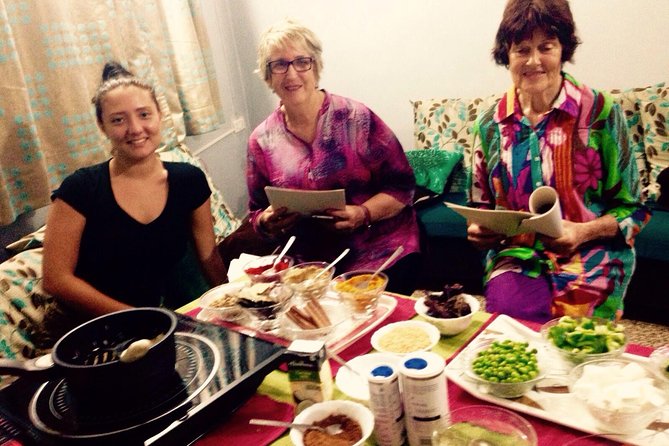
A home kitchen beats any restaurant. This private cooking class in Mumbai lets you learn spices, dough work, and Indian technique from inside a real household. You can choose a market option or go straight to the cooking, then sit down to eat with your hosts and take recipe notes home.
What I like most is how hands-on the class feels, especially the chance to make things like chapattis and paranthas instead of watching from the sidelines. I also appreciate the practical round-trip pickup by air-conditioned minivan from your Mumbai hotel, which keeps the day from turning into a logistics puzzle.
One consideration: alcoholic drinks aren’t included, so if you want beer or wine with dinner, you’ll need to plan on your own for that.
In This Review
- Key things to know before you book this Mumbai in-home class
- Why a Dadar West home cooking class feels like Mumbai 101
- Getting There: Pickup, Air-Conditioned Comfort, and a 5-Hour Plan
- Market Stop Options: Choose Your Level of Food Sleuthing
- Inside the Kitchen: A Woman Host, Spice Lessons, and Real Technique
- The Menu You’ll Make and Eat: Paranthas, Sag Paneer, Chapattis, Raita, Masala
- Lunch or Dinner With Your Hosts: More Than a Finish Line
- What You Really Take Home: Recipes and Skills You’ll Use Again
- Price and Value: Is $120 per Person Reasonable in Mumbai?
- Who Should Book This Mumbai Private Cooking Class?
- Should you book this in Mumbai, or skip it?
- FAQ
- FAQ
- What is the duration of the private cooking class in Mumbai?
- Is pickup from my Mumbai hotel included?
- How does airport or cruise pickup work?
- Are market visits included?
- What food is included?
- How many people are in the group?
- What dishes will I cook?
- What is the minimum age?
- When will I receive confirmation after booking?
- Is cancellation free?
Key things to know before you book this Mumbai in-home class
- Private, in-home cooking with a local family in the Dadar West area, not a studio demo
- Market visit options so you can match the experience to your schedule and interests
- Morning or afternoon start times make it easier to fit into a busy Mumbai itinerary
- Hands-on cooking with help from your host, including staple Indian breads and spice-led technique
- Lunch or dinner included, so the meal is part of the experience, not an add-on
Why a Dadar West home cooking class feels like Mumbai 101
Mumbai has plenty of places to eat, but this experience is built around the kitchen side of the city. You’re not just tasting food. You’re learning how Indian home cooks think: how spices are used, when to layer flavors, and how to treat ingredients so they turn out right. The setting is a homely atmosphere inside a local home, and the cooking master is described as a woman, which gives the class a grounded, household feel rather than a formal teaching vibe.
The Dadar West stop matters because it keeps you in a residential slice of Mumbai. It also helps you avoid the “everything is clustered for tourists” feeling. If you want Mumbai through everyday life—how people actually plan meals and cook for family—this format is hard to beat.
Getting There: Pickup, Air-Conditioned Comfort, and a 5-Hour Plan
You’ll get round-trip pickup and drop-off from your Mumbai hotel (and the experience also supports airport and port pickup). The transport is by air-conditioned minivan, which is a relief in Mumbai’s heat and traffic. The class runs about 5 hours, so it’s long enough to learn and cook properly, but short enough that it won’t swallow your whole day.
Start times can be morning or afternoon, so you can choose based on your energy level. If you’re arriving from elsewhere and want the day to stay flexible, the afternoon option can be a smart move. If you like a slower start and a bit more daylight for the day’s plan, go morning.
One small practical note: this is a private tour/activity, meaning only your group participates. That’s a big value for couples, friends, and families who want real conversation and hands-on instruction without sharing the kitchen space with strangers.
Other Mumbai kitchens that will teach you their recipes

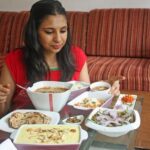
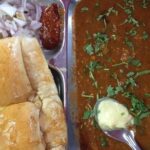
Market Stop Options: Choose Your Level of Food Sleuthing
You can book options with and without a market visit. If you’re the type who likes to understand ingredients before you cook with them, the market choice can add meaning. You’ll get to see key staples and spices in context, and that knowledge tends to stick when you’re actually cooking later.
If your schedule is tight—or you’d rather spend more time cooking than walking—the no-market option is a clean choice. Either way, the day stays focused on food skills, not sightseeing checklists.
If you have dietary preferences, the market option can be helpful for your own understanding, but the class menu still centers on classic dishes. For anything strict (allergies, religious restrictions, or vegetarian-only needs), it’s worth clarifying when you book, so expectations line up.
Inside the Kitchen: A Woman Host, Spice Lessons, and Real Technique
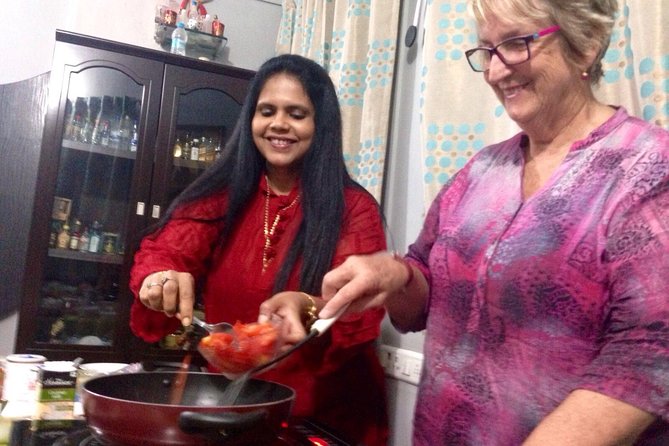
The class happens in a local home kitchen, guided by your host. Several experiences are described as very hands-on, including learning to make chapattis and working through the steps instead of just watching. Hosts are often described as warm and attentive, with clear explanations about spices and methods of layering ingredients for the best results.
In one class setup, the hosts Rahul and Deepika are praised for making the session practical and instruction-driven, with chapati work called out as a highlight. Another name you might run into in a session is Harsha, who’s mentioned as attentive and gracious while guiding the class. Jenny is also mentioned as a host who leads instruction on dishes that can include chicken, fish, rice, and paneer, followed by dinner.
A few things you’ll likely notice right away:
- You’re working alongside the host in a kitchen environment that behaves like a home, not a staged cooking school.
- Spice technique is a theme. You’ll learn how spices combine and why timing matters, rather than just memorizing a recipe.
- The pacing encourages questions, because you’re actively cooking.
The best part is that you leave with skills you can repeat. Even if your kitchen tools differ from theirs, you can apply the logic: how dough should feel, how spice “aroma” changes while cooking, and how to adjust for texture.
The Menu You’ll Make and Eat: Paranthas, Sag Paneer, Chapattis, Raita, Masala
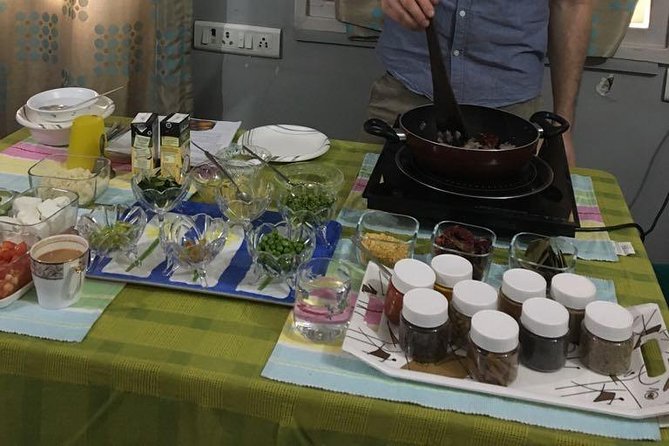
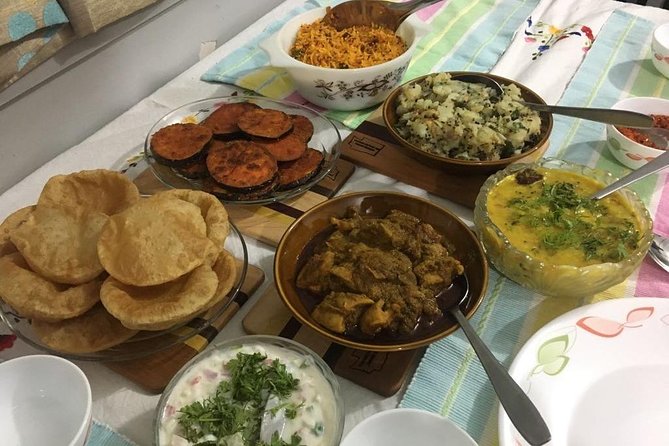
The class centers on a menu of classic Indian dishes. From the core options, you can expect items such as paranthas, sag paneer, chapattis, raita, and masala. The teaching also references traditional techniques for classic cooking, including fragrant spices and bread skills.
In the experience description, paneer and chapattis are highlighted, and you may also see dishes like tikka mentioned as part of the training focus. One other session described dishes like chicken, fish, rice, and paneer, so it’s possible that the exact menu selection varies by group and what’s chosen for your class.
Here’s why this menu mix is so useful:
- You get bread craft: chapattis and paranthas teach you more than a single “how-to.” They teach texture control.
- You learn a centerpiece curry style: sag paneer builds flavor through spice and method, not shortcuts.
- You balance the meal: raita helps you understand the role of cooling, dairy, and texture contrast against spiced dishes.
- You experience masala as a concept: not just a flavor, but a system for layering.
If you’re worried about liking everything, focus on the fact that this is a classic menu. It’s built around widely loved home-cooking staples. Still, if you strongly dislike specific ingredients—especially dairy or certain greens—mention it when booking.
More Mumbai days built around your own list
- Private Mumbai Sightseeing Tour (Traveller’s Choice Award Winner)
★ 5.0 · 1,565 reviews - Elephanta Caves & Island Guided Private Tour
★ 5.0 · 1,327 reviews - Private Guided Walking Tour in Fort & Colaba
★ 5.0 · 895 reviews - Highlights of South Mumbai Guided Private Tour in AC Vehicle
★ 5.0 · 620 reviews - Private Mumbai Sightseeing Tour(Travellers Choice Award Winner)
★ 5.0 · 565 reviews - Private Half-Day Sightseeing Tour in Mumbai
★ 5.0 · 430 reviews
Lunch or Dinner With Your Hosts: More Than a Finish Line
After the cooking, you sit down and eat with your hosts. This matters because it turns the meal into part of the lesson. You’re not just preparing food in a vacuum. You get to taste how your dishes should come together when served as a full plate.
The included lunch or dinner is a practical value: you don’t need to find a restaurant afterward, and you don’t lose the connection to the people who taught you.
Some classes may include a welcome moment at the start, and at least one experience notes a welcome celebration. It’s a small detail, but it signals the right attitude: this isn’t just a transaction. It’s a cultural exchange happening through food.
Also, since alcohol isn’t included, the meal stays centered on flavors and the rhythm of eating. If you prefer soft drinks, tea, or water, you’ll likely be fine. If you want a specific alcoholic pairing, plan to handle that separately.
What You Really Take Home: Recipes and Skills You’ll Use Again
You’ll take home recipes so you can recreate your experience anytime. In my view, this is what makes in-home cooking classes worth their place on your itinerary. A meal is fun, but a recipe card plus technique is where the experience turns into something you can repeat.
The skills matter as much as the dishes:
- Bread work is repeatable. Even if your first attempt isn’t perfect, you’ll know what to watch for.
- Spice logic is adaptable. When you learn how layering works, you can apply it to other curries later.
- You’ll understand balance. Raita isn’t just a side. It teaches the idea of counterpoint to spice and heat.
Practical tip: when you come home, write a short note next to each recipe about what you changed or what felt tricky. That makes your next attempt easier because you’ll remember the exact “why” behind the result.
Price and Value: Is $120 per Person Reasonable in Mumbai?
At $120 per person for a roughly 5-hour private class with hotel pickup, air-conditioned transport, a local host, and lunch or dinner included, the value is strongest when you compare it to paid restaurant meals plus a cooking class experience.
Here’s the value math that usually works in your favor:
- You’re not paying separately for food and instruction. The included meal is part of the teaching.
- The transportation is built in, so you’re not paying taxis or spending energy planning how to get there.
- Private format means more time for questions and hands-on guidance rather than sharing attention.
It’s booked about 8 days in advance on average, so if you have a specific time window you want, don’t wait until the last minute.
Group discounts are listed too. That can make the per-person cost feel even more reasonable if you’re traveling with friends or in a small group. If you’re solo, it may still be a great choice, but you’ll feel the cost more because it’s per person.
Who Should Book This Mumbai Private Cooking Class?
This is a great fit if you want:
- Real home cooking instead of a show-and-tell demonstration
- A hands-on experience that includes bread making and spice technique
- A meal that feels like part of your learning, not a separate reservation
- A cultural exchange with a family setting, where you can ask questions naturally
It’s especially good for couples and small groups who like a slower, more personal travel style. Families with older kids also fit well because the minimum age is 9 years.
If you’re the type who wants big sightseeing loops all day, you might find the focus too narrow. But if your goal is food understanding, this is one of the most direct ways to get it.
One more practical note: service animals are allowed, and it’s described as near public transportation. That can matter if your pickup plans change.
Should you book this in Mumbai, or skip it?
Book it if you’re excited about cooking skills, spice technique, and eating with a family. The private, in-home format and the included meal create a full arc in about 5 hours, and you’ll leave with recipes you can actually use. The pickup by air-conditioned minivan is a quiet win that makes the experience feel easy, not complicated.
Skip it if you only want to eat and you don’t care about cooking. Also consider that alcoholic drinks aren’t included, so if dinner drinks are a must for you, plan for that separately.
If you’re on the fence, I’d still lean toward booking—especially because you can cancel for a full refund up to 24 hours in advance if your plans shift. That safety net makes it easier to choose.
FAQ
FAQ
What is the duration of the private cooking class in Mumbai?
The experience runs for approximately 5 hours.
Is pickup from my Mumbai hotel included?
Yes. Hotel pickup and drop-off are included.
How does airport or cruise pickup work?
Airport pickup requires your flight arrival information. For cruise passengers, the meeting point is the green gate, about 5 minutes walking distance from the terminal.
Are market visits included?
Market visits are optional. There are options with and without a market visit.
What food is included?
Lunch or dinner is included. Alcoholic drinks are not included.
How many people are in the group?
This is a private tour/activity, so only your group participates.
What dishes will I cook?
Classic dishes include paranthas, sag paneer, chapattis, raita, and masala. Paneer and chapattis are also emphasized, and some classes may include dishes like chicken or fish along with rice.
What is the minimum age?
The minimum age is 9 years.
When will I receive confirmation after booking?
Confirmation is received within 48 hours of booking, subject to availability.
Is cancellation free?
Yes. You can cancel up to 24 hours in advance for a full refund.
More Mumbai, Every Kind of Day
- Dharavi slum tour in Mumbai by Female tour guides of the slum
★ 5.0 · 1,976 reviews - Mumbai: Full-Day Sightseeing Tour of Mumbai
★ 4.9 · 1,822 reviews - Private Mumbai Sightseeing Tour (Traveller’s Choice Award Winner)
★ 5.0 · 1,565 reviews - Elephanta Caves & Island Guided Private Tour
★ 5.0 · 1,327 reviews
Mumbai on Your Own Terms
- Private Mumbai Sightseeing Tour (Traveller’s Choice Award Winner)
★ 5.0 · 1,565 reviews - Elephanta Caves & Island Guided Private Tour
★ 5.0 · 1,327 reviews - Private Guided Walking Tour in Fort & Colaba
★ 5.0 · 895 reviews - Highlights of South Mumbai Guided Private Tour in AC Vehicle
★ 5.0 · 620 reviews
Into More Mumbai Kitchens
- Mumbai: Indian Cooking Class & Cultural Delights
★ 5.0 · 38 reviews - Indian Curry 5-Hour Cooking Classes In Mumbai
★ 5.0 · 22 reviews - Small Group Authentic Mumbai Virtual Cooking Class with Dessert
★ 5.0 · 15 reviews - Private Market Tour and Vegetarian Cooking Class in Mumbai
★ 4.5 · 15 reviews
New on the Mumbai shortlist




Home Kitchens & Cooking Classes, compared.
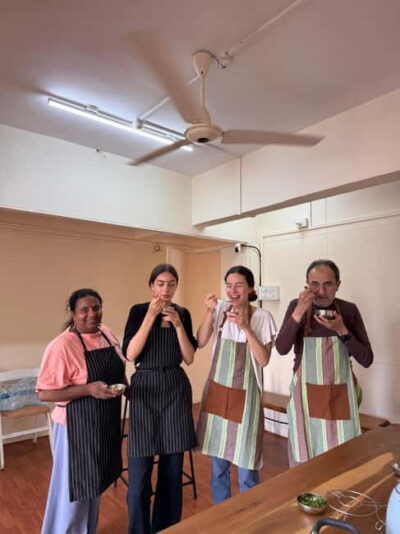 ★ 5.0Indian Cooking Class & Cultural DelightsFrom $2738 reviews
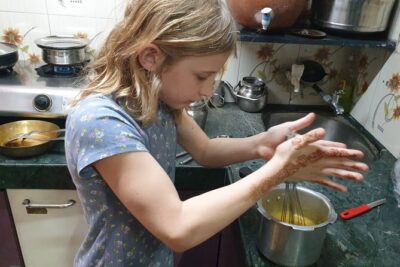 ★ 5.0Indian Curry 5-Hour Cooking Classes In MumbaiFrom $5922 reviews
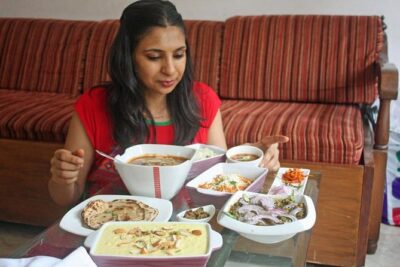 ★ 4.5Private Market Tour and Vegetarian Cooking Class in MumbaiFrom $6415 reviews
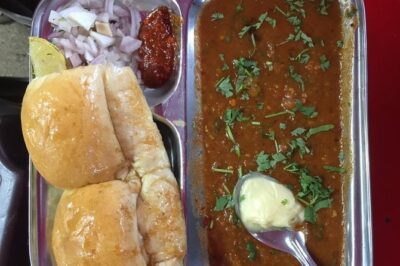 ★ 5.0Small Group Authentic Mumbai Virtual Cooking Class with DessertFrom $2015 reviews
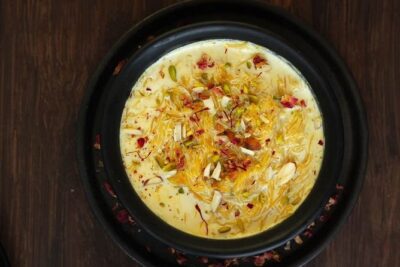 ★ 5.0LIVE cooking experience from IndiaFrom $5611 reviews
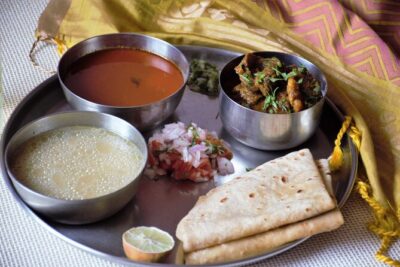 ★ 4.5Mumbai Market Tour & Maharashtrian Cooking Class with Chef ReshmaFrom $6810 reviews
 ★ 5.0Authentic Mumbai: Home-Cooked Meal with a Local HostFrom $149 reviews
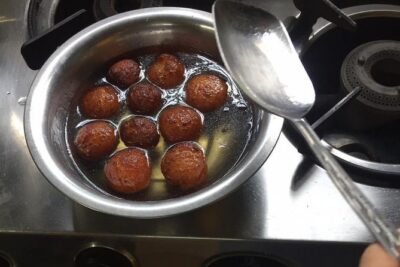 ★ 5.0Private Half-Day Mumbai Cooking ClassFrom $1197 reviews
Browse the lists this tour appears in