
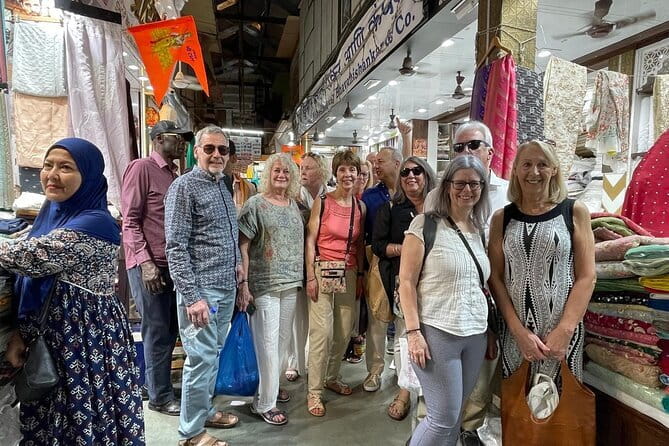
Review · BAZAAR & MARKET WALKS
Mumbai Bazaar Walking Tour
Market lanes can tell the truth fast. This tour is a smart way to see Mumbai’s everyday life up close, moving from Crawford Market to shopping streets, then to places of worship and a real animal care institution. I especially love the mix of shopping zones with a stop at Shri Mumbai Panjrapole, because it changes the mood halfway through. I also like that the route is short enough (about 3 to 4 hours) that you can actually focus on what you’re seeing instead of getting lost in logistics.
One heads-up: you’ll be walking through busy streets and inside crowded areas for most of the tour, so comfortable shoes and a calm attitude will pay off. Also plan for lots of sights competing for your attention—this is not a slow, quiet museum-style stroll.
When I booked, the guide assigned for market time was Kamlesh—friendly, well-informed, and good at helping you make sense of what’s around you.
In This Review
- Key highlights you’ll feel right away
- Starting at Crawford Market: a loud place to orient fast
- Mangaldas Market: textiles in 15 minutes, with real visual payoff
- Zaveri Bazaar: jewelry streets where tradition and modern trade overlap
- Shri Mumbadevi Temple and Bhuleshwar Bazaar: faith inside the everyday city
- Shri Mumbai Panjrapole: the animal care stop you’ll remember
- Madhav Baug Derasar Jain Temple: a calm finish with strong architecture
- Cost, time, and what $49 actually buys you
- Practical tips so your walk feels easy, not stressful
- Who should book this tour
- Should you book the Mumbai Bazaar Walking Tour?
- FAQ
- How long is the Mumbai Bazaar Walking Tour?
- Is the tour private?
- What does the price include?
- Where does the tour start and end?
- Are admission tickets included?
- Do I need to tip?
- What is the cancellation policy?
Key highlights you’ll feel right away
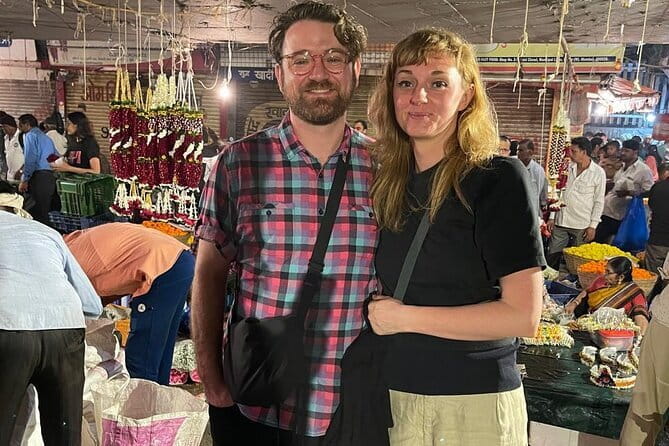
- Crawford Market as a strong start: one of Mumbai’s best-known market hubs to get your bearings quickly
- Mangaldas Market textiles focus: silk, cotton, and synthetic fabrics in a single, easy walkthrough
- Zaveri Bazaar jewelry streets: gold, silver, and diamonds in lanes where craft and commerce meet
- Shri Mumbadevi Temple + Bhuleshwar Bazaar pairing: worship and everyday shopping side by side
- Shri Mumbai Panjrapole (animal care): a 19th-century shelter for cows and other livestock that adds meaning beyond shopping
- Madhav Baug Derasar Jain temple: a serene architectural pause near the end of the walk
Starting at Crawford Market: a loud place to orient fast
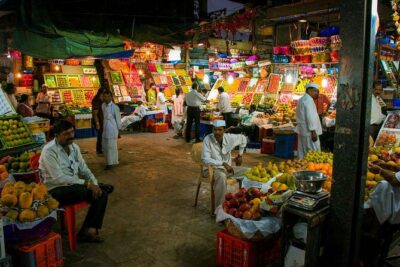
The tour starts at Crawford Market, near Dhobi Talao and the Fort/CST area—easy to reach, and a good choice for a first stop because it’s clearly a major stop for locals. You’ll spend about 15 minutes here, and the goal is simple: get a feel for how Mumbai markets work.
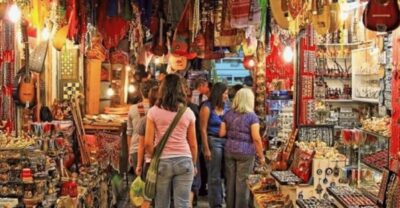
You’ll see stalls packed with all kinds of goods, and the atmosphere is active—people moving, bargaining, comparing, and carrying purchases out through the doors. This is also where a guide really matters. In a market like this, you can easily spend the first hour scanning storefronts randomly. With an English-speaking guide and a timed route, you get the highlights without burning energy.
What I like here: it’s a classic market scene but not so long that you’re stuck. Fifteen minutes is enough to notice the rhythm, then move on.
A possible drawback: if you’re expecting a slow walk or a mostly quiet visit, you might find the first stop intense. Markets are crowded by nature, and this one is famous for a reason.
Mangaldas Market: textiles in 15 minutes, with real visual payoff
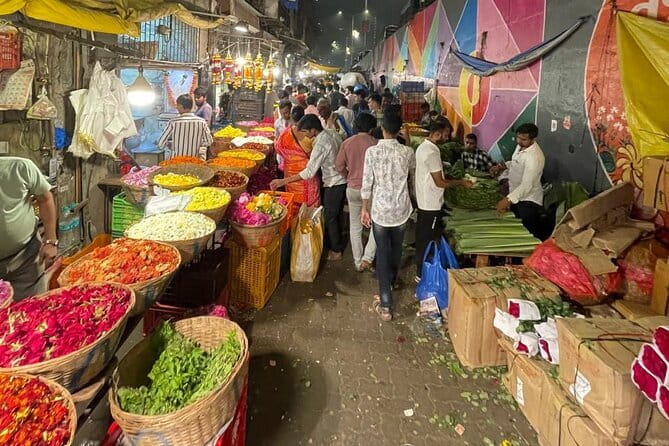
Next comes Mangaldas Market, another about-15-minute stop, with a specific theme: textiles and fabrics. This is not the kind of place where you need to buy anything to get something out of it. Even if your interest is purely visual, you can learn by looking.
The big draw is the selection. You’ll see displays of silk, cotton, and synthetic materials, all presented in the way fabric shopping looks when it’s woven into daily life. A good guide can help you notice differences in texture and quality cues—enough to make future shopping in India feel less confusing.
And because the stop is short, you’re not trapped in a slow sales pitch. You get a fast education, then you move.
What to consider: if you have zero interest in clothing/fabric, Mangaldas might feel like a detour. On the other hand, even non-shoppers often enjoy this stop because it shows one of Mumbai’s major industries in a very tangible form.
From Crawford Market to Chor Bazaar, more lanes to walk



Zaveri Bazaar: jewelry streets where tradition and modern trade overlap
After Mangaldas, the route heads into Zaveri Bazaar, known for gold, silver, and diamond jewelry. This is where the city’s commercial side feels extra concentrated.
You’ll be walking through busy lanes where jewelry stores line up in a dense cluster, and the sights can be overwhelming in a good way—bright displays, skilled craftsmanship visible in the products, and newer styles mixed into older styles. Even if you’re not shopping, this area helps you understand Mumbai’s identity as a place where global materials and local craft sit next to each other.
Why it’s valuable on foot: seeing jewelry from street level changes how you interpret it. You don’t just see a product—you see how it’s presented, how stores compete, and how customers move.
A practical note: this kind of crowded shopping street is easy to walk too fast through. Slow down for the few minutes the guide sets aside and look at details—designs, settings, and how stores differ.
Shri Mumbadevi Temple and Bhuleshwar Bazaar: faith inside the everyday city

Once you enter the Bhuleshwar area, the tour shifts tone with Shri Mumbadevi Temple, dedicated to the city’s guardian deity, Goddess Mumbadevi. This is described as one of Mumbai’s oldest temples and a major pilgrimage site in Bhuleshwar.
Right away, you’ll feel the change from shopping urgency to worship rhythms. You’ll also appreciate why this stop fits between marketplaces: Mumbai doesn’t separate sacred space and daily commerce in neat blocks. They overlap.
After the temple, the tour continues to Bhuleshwar Bazaar (about 20 minutes, with free admission noted). Since it’s right near the temple, the bazaar feels like the natural extension of a day of visiting—people grabbing necessities, browsing goods, and moving through narrow lanes that stay active throughout the day.
What I like about this pairing: it’s one of the clearest ways to see Mumbai as a living city, not a set of isolated “attractions.” You’re seeing how devotion and neighborhood life share the same streets.
Possible drawback: if you visit during peak times, it can be crowded around religious sites and adjacent markets. A guide helps here by keeping you moving at the right pace and pointing out what matters.
Shri Mumbai Panjrapole: the animal care stop you’ll remember
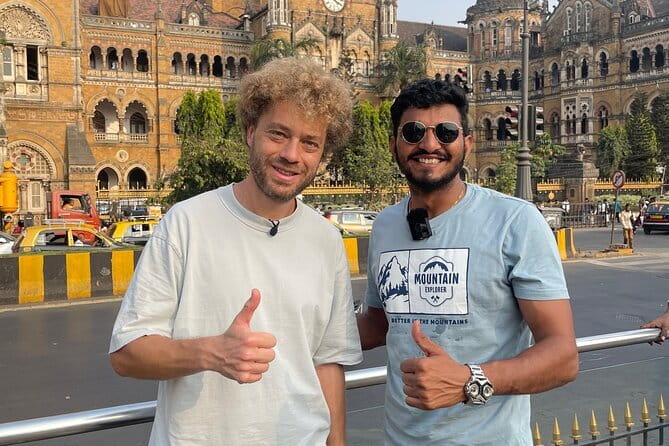
Then the tour adds a meaning-heavy contrast: Shri Mumbai Panjrapole. You’ll spend about 20 minutes there, and admission is included.
Panjrapole is an institution focused on the care and protection of animals, particularly cows and other livestock. It was established in the 19th century and serves as a shelter for animals that have been abandoned. That’s the kind of detail that changes your perception of a city. Markets and temples are colorful; a place like this adds a layer of compassion and responsibility that’s easy to overlook when you only shop.
Why it’s a smart tour stop: it gives you a break from pure commerce and places your experience inside Mumbai’s longer story about community care. It’s also a reminder that many important local institutions don’t advertise themselves like tourist sites.
What to keep in mind: you’re visiting a working shelter setting. Even if you’re just passing through, behave respectfully and follow your guide’s lead about where to stand and how to observe.
More of Mumbai at walking pace
- Group Guided Walking Tour in Fort and Colaba
★ 5.0 · 1,073 reviews - Private Guided Walking Tour in Fort & Colaba
★ 5.0 · 895 reviews - Private Guided Walking Tour in Bandra Queen of Suburbs
★ 5.0 · 383 reviews - Private Guided Spiritual Walk in Banganga Hindu Temples
★ 5.0 · 271 reviews - Mumbai: Dharavi Slum Walking Tour by First Female Tour Guide
★ 4.9 · 192 reviews - Private Guided Non-Veg Street Food Walking Tour in Muslim Quarter
★ 5.0 · 140 reviews
Madhav Baug Derasar Jain Temple: a calm finish with strong architecture
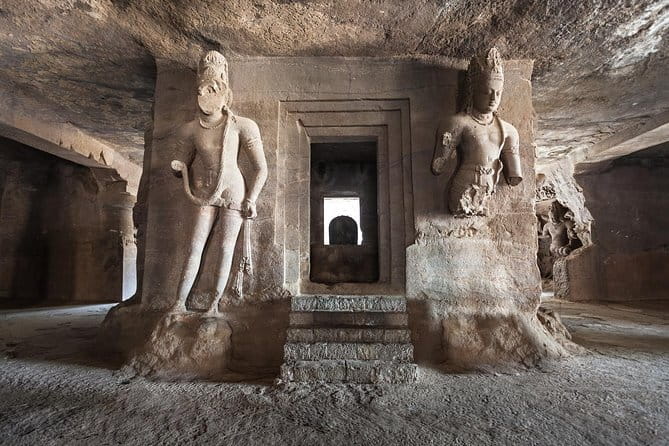
Near the end, you’ll reach Madhav Baug Derasar, a Jain temple known for its serene feel and intricate architecture. It’s dedicated to Lord Mahavira, the 24th Tirthankara of Jainism.
Even without any technical knowledge, temples like this tend to make you slow down. Carved details and structured design draw your eyes, and the atmosphere often feels quieter than the bazaars nearby. This stop works well after the busyness of jewelry and markets because it lets you reset your senses.
Why this ending works: it closes the loop of the tour theme—traditional and contemporary Mumbai, plus the city’s spiritual side—without ending on a shopping note.
Consideration: if you’re expecting long time here, the itinerary doesn’t promise a long stop (time isn’t specified), so keep your expectations realistic. If you want more, your guide can point you toward what to revisit later.
Cost, time, and what $49 actually buys you
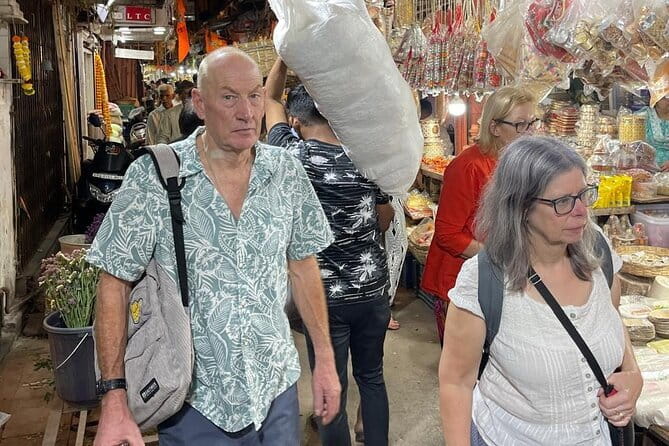
At $49 per person, the tour is priced like a value-forward experience, and the inclusions help justify that. You get bottled water and snacks, an English-speaking guide, plus private transportation. That matters in a city where moving between different neighborhoods can waste time if you’re figuring it out on your own.
Duration is listed as 3 to 4 hours, and the stop durations given (like 15 minutes at Crawford and Mangaldas, 20 minutes at Bhuleshwar Bazaar and Panjrapole) show the structure is built for momentum. You’re not meant to spend half a day in one place. This is an ideal “first afternoon” tour if you want a grounded sense of the city’s markets and sacred spaces.
Also, this is a private tour, meaning only your group participates. That’s a big difference in market areas, where you don’t want strangers stepping into your path or derailing the pace.
How to maximize value: use the guide time actively. If you want to understand what you’re looking at—fabrics, jewelry, temple context—ask questions early. The tour’s tight schedule makes early guidance more useful.
Practical tips so your walk feels easy, not stressful
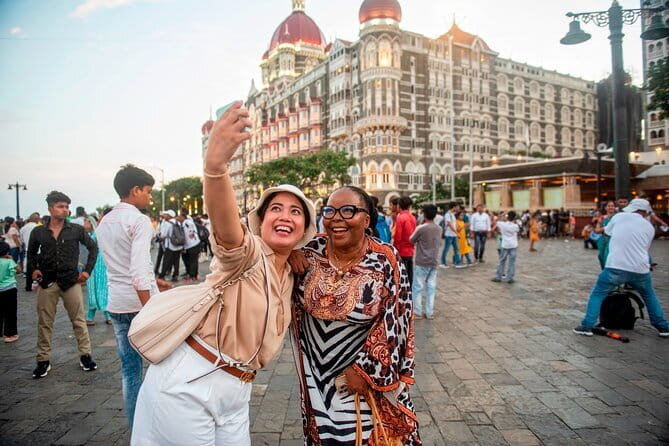
- Wear shoes you trust. You’ll be on your feet through market lanes for several hours.
- Bring your phone for quick notes. Markets move fast, and it helps to jot down what you liked (fabric types, store styles, temple details).
- Accept that you won’t buy something everywhere. The goal is to see how each place works and why it matters.
- Take advantage of the included snack and water. It keeps you steady when the streets get busy.
Who should book this tour
This tour is a great fit if you want:
- A guided market circuit that doesn’t turn into random wandering
- A balance of shopping streets and religious sites
- A meaningful stop at Panjrapole (animal care for cows and other livestock)
- A private format with an English-speaking guide—especially helpful in dense neighborhoods
It may be less ideal if you want:
- Mostly quiet sightseeing
- Long temple time for deep sightseeing
- A slow pace with very flexible timing at each stop
Should you book the Mumbai Bazaar Walking Tour?
If you’re the type who likes to understand a city by how people live in it, this is a strong choice. The route is short enough to stay manageable, and it blends classic market areas (Crawford, Mangaldas, Zaveri) with two spiritual stops and a standout animal care institution at Shri Mumbai Panjrapole. That combination makes the tour feel more rounded than a pure shopping loop.
Book it especially if Kamlesh-style guidance matters to you—friendly, well-informed help makes market chaos easier to interpret. Just go in expecting crowds and a steady walking pace.
FAQ
How long is the Mumbai Bazaar Walking Tour?
The tour lasts about 3 to 4 hours.
Is the tour private?
Yes. It’s a private tour/activity, and only your group will participate.
What does the price include?
The tour includes bottled water, snacks, private transportation, and an English-speaking guide.
Where does the tour start and end?
It starts at Crawford Market (474, 1nd Lane, Khand Bazar, Dhobi Talao, Chhatrapati Shivaji Terminus Area, Fort, Mumbai). It ends at CP Tank Circle (CP Tank Cir, Charni Road East, Khandiwadi, Ambewadi, Girgaon, Mumbai). The guide will help you find your way back to your hotel or another place you want to go.
Are admission tickets included?
Admission ticket free is noted for Crawford Market, Mangaldas Market, and Bhuleshwar Bazaar. Panjrapole admission is listed as included. Admission details for the jewelry bazaar and temples aren’t specified.
Do I need to tip?
Tips are not included.
What is the cancellation policy?
Free cancellation is available. You can cancel up to 24 hours in advance for a full refund; if you cancel less than 24 hours before the experience starts, the amount you paid is not refunded.
Mumbai on Foot, Continued
- Group Guided Walking Tour in Fort and Colaba
★ 5.0 · 1,073 reviews - Private Guided Walking Tour in Fort & Colaba
★ 5.0 · 895 reviews - Private Guided Walking Tour in Bandra Queen of Suburbs
★ 5.0 · 383 reviews - Private Guided Spiritual Walk in Banganga Hindu Temples
★ 5.0 · 271 reviews
More Mumbai, Every Kind of Day
- Dharavi slum tour in Mumbai by Female tour guides of the slum
★ 5.0 · 1,976 reviews - Mumbai: Full-Day Sightseeing Tour of Mumbai
★ 4.9 · 1,822 reviews - Private Mumbai Sightseeing Tour (Traveller’s Choice Award Winner)
★ 5.0 · 1,565 reviews - Elephanta Caves & Island Guided Private Tour
★ 5.0 · 1,327 reviews
Deeper into the Bazaars
- Mumbai: Street Food and Night Markets Tour
★ 4.9 · 719 reviews - Mumbai Morning Market Tour of Flowers, Fish, and More
★ 5.0 · 100 reviews - Mumbai Morning Market Tour of Flowers, Fish, and More
★ 5.0 · 82 reviews - Mumbai Street Food Tour with Evening Bazaar Walk
★ 4.9 · 79 reviews
New on the Mumbai shortlist



Bazaar & Market Walks, compared.
 ★ 4.9Street Food and Night Markets TourFrom $13719 reviews
 ★ 5.0Mumbai Morning Market Tour of Flowers, Fish, and MoreFrom $19100 reviews
★ 5.0Mumbai Morning Market Tour of Flowers, Fish, and MoreFrom $2082 reviews
★ 5.0Mumbai Morning Market Tour of Flowers, Fish, and MoreFrom $19100 reviews
★ 5.0Mumbai Morning Market Tour of Flowers, Fish, and MoreFrom $2082 reviews
 ★ 4.9Mumbai Street Food Tour with Evening Bazaar WalkFrom $1379 reviews
 ★ 5.0Mumbai Markets and Temples TourFrom $2759 reviews
 ★ 5.0Mumbai Street Food & Bazaar Tour with Local TransportFrom $2151 reviews
 ★ 4.6Local Markets & Temples TourFrom $2745 reviews
 ★ 4.4Vibrant Markets of Mumbai (2 Hours Guided Walking Tour)From $1444 reviews
Browse the lists this tour appears in