
Review · OLD BOMBAY HERITAGE WALKS
Victorian Gothic Heritage Quarter and Art Deco Walking Tour
Mumbai turns architecture into a walking story. This tour is interesting because it links Victorian Gothic landmarks with Mumbai’s famous Art Deco concentration, then adds street snacks along the way. I like how the route shows contrast on the same block-to-block level, especially around Oval Maidan where styles feel like they’re competing. I also really enjoy the practical food stops, with tastings like vada pav and pani puri that keep energy up during the walk.
A second reason I’d recommend it: you get a live guide who actually handles questions. In real terms, people highlight guides like Sharon and Jawwad/Jay for being friendly, informative, and good at navigating while keeping things comfortable, so you don’t feel rushed. One drawback to consider is heat: around late morning into noon it can get warm, so plan water and a hat and consider starting earlier if your schedule allows.
In This Review
- Key highlights you’ll actually care about
- From PizzaExpress in Colaba to a real sense of Mumbai
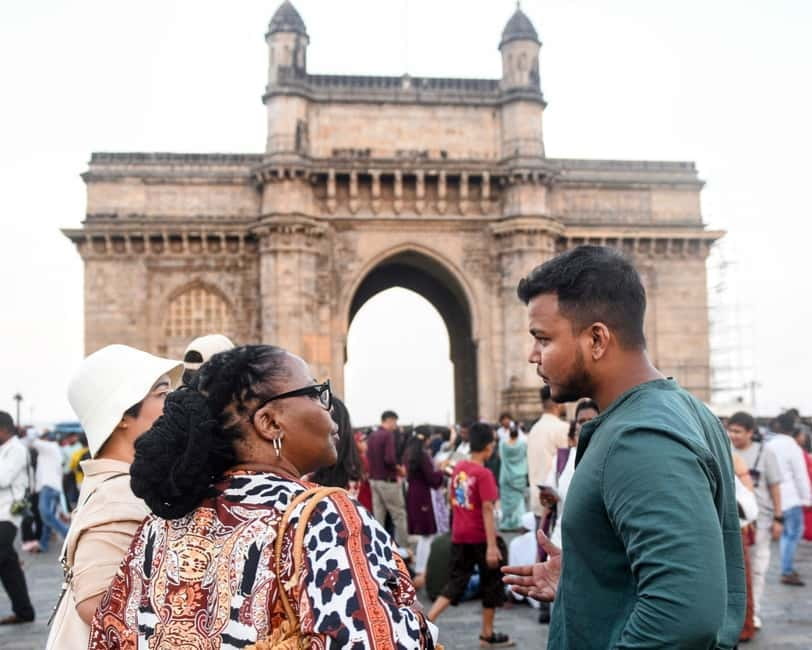
- Gateway of India: your quick orientation plus photo stop logic
- Oval Maidan: where Gothic Revival and Art Deco face off
- Rajabai Clock Tower and the Gothic corridor feel
- Chhatrapati Shivaji Maharaj Terminus: UNESCO, but make it practical
- Eros Cinema at the end: the Art Deco closer near Churchgate
- Guides and pacing: why people feel taken care of
- Price and value: what $16 buys you in Mumbai
- Timing tips so the walk feels easy, not exhausting
- Who should book this tour
- Should you book this Victorian Gothic and Art Deco walking tour?
- FAQ
- Where is the meeting point for the tour?
- How long is the walking tour?
- How much does it cost?
- Is the tour guided in English?
- What street food tastings are included?
- Where does the tour end?
- Does the tour include any ticket-line benefits?
Key highlights you’ll actually care about
- Victorian Gothic to Art Deco contrast in one tight walking circuit, not a far-flung museum day
- Oval Maidan photo time where the skyline makes the style differences obvious
- UNESCO stop at Chhatrapati Shivaji Maharaj Terminus with a guided focus on what you’re seeing
- Street food tastings including vada pav and pani puri, plus bottled water
- English-speaking guides praised for answering questions and keeping the group moving well
From PizzaExpress in Colaba to a real sense of Mumbai

You start at PizzaExpress in Colaba, a simple meeting point that’s easy to find and easy to orient from. That matters, because once you’re on foot in central Mumbai, getting your bearings fast is half the battle. From the start, the tour sets up a clear idea: you’re not just looking at buildings, you’re learning how the city’s identity shifted over time.
At this price point, I think the best value is the mix of viewpoints. You get landmark architecture plus street-level culture. And you don’t have to plan multiple stops or figure out which building is which on your own. If you’re the kind of person who likes cities you can read with your eyes, this format fits you.
Gateway of India: your quick orientation plus photo stop logic
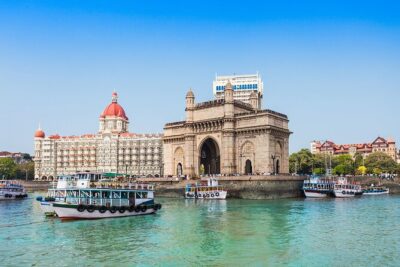
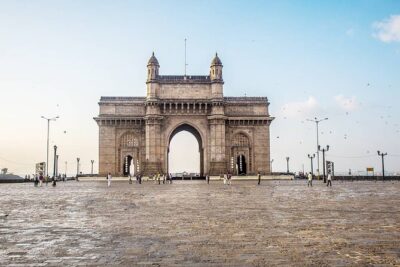
After meeting, the tour heads toward the Gateway of India for a short guided stop. The goal here isn’t to spend an hour posing in front of the obvious landmark. It’s to set the stage for what you’re about to see in Mumbai’s historic district—colonial-era references, port-city vibes, and the way power shows up in stone and scale.
Then you move through a sequence of short stops that include both guided walking time and photo opportunities. Even when a stop is brief, the guide’s job is to point out what to notice: design elements, building massing, and street relationships. That’s helpful because Mumbai’s architecture is dense; without pointers, it can blur together fast.
Here’s the practical thought: treat these earlier segments as training time. You’re learning how your guide frames the buildings, so later, when you hit Oval Maidan and the Terminus, you’ll get more out of the experience.
More Gothic arches and Deco curves of old Bombay



Oval Maidan: where Gothic Revival and Art Deco face off
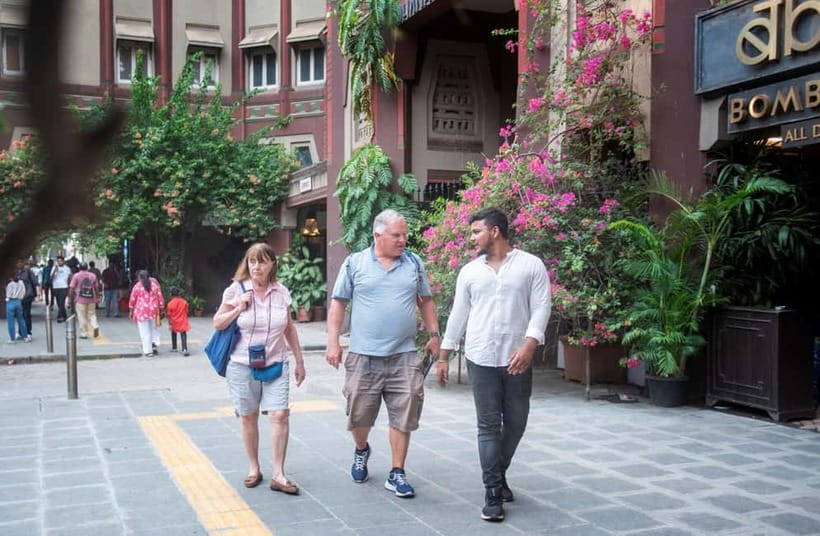
Oval Maidan is the highlight area for the contrast the tour is built around. On one side, you’re looking at 19th-century Gothic Revival facades. On the other, you get a different mood: the sleek lines and styling of Art Deco buildings. This is exactly the kind of urban comparison that helps you understand history without needing a lecture.
At this stage you get a photo stop plus a guided segment. You’ll want to take photos, but also take a few minutes to look like a designer. Notice how Gothic Revival uses heavy structure cues—tall forms, strong vertical rhythm, and an ornate sense of detail. Then compare it to Art Deco, where geometry and simplified ornament often do the talking.
This is also where the tour’s big story clicks. The buildings aren’t random. They reflect Mumbai’s movement from colonial port city toward a modern metropolis. You’ll hear how those eras overlap in the same neighborhoods, and how the city’s aspirations show up in architecture that tries to signal prestige and progress at different moments.
Rajabai Clock Tower and the Gothic corridor feel
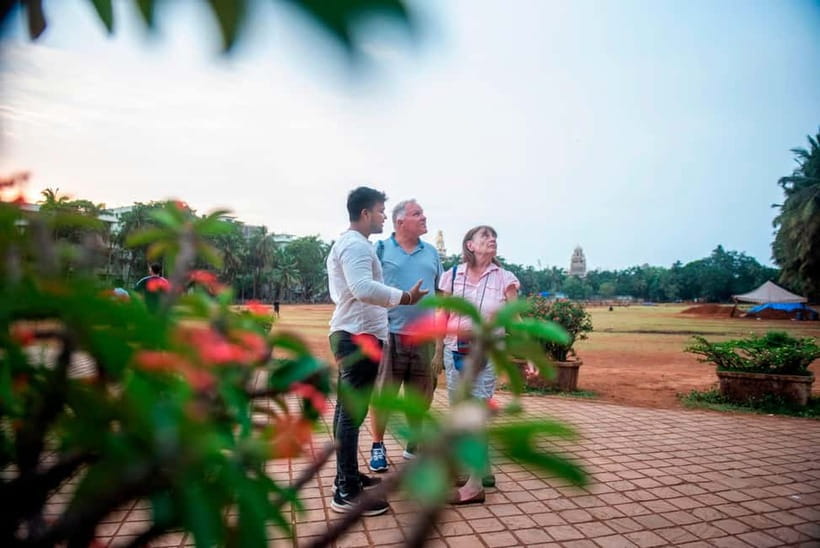
The tour experience is closely tied to the Gothic Revival cluster around Mumbai University and the High Court area, including the Rajabai Clock Tower. Even if the stop time feels compact, this zone is worth paying attention to because the Gothic features become more legible as you compare buildings side by side.
What you’re looking for is the way scale and detail work together. Gothic Revival in Mumbai often feels more dramatic when you see it in relation to the street—towers rising above the everyday scene, and facades that seem built for viewing rather than hiding. You can use the clock tower as a visual anchor: once you’re oriented to its vertical statement, other details read better.
This portion also helps if you’re a first-time visitor. Mumbai can feel overwhelming, but a guided walk gives you a framework. You stop seeing “lots of old buildings,” and start seeing “specific design families with specific dates and intentions.”
Chhatrapati Shivaji Maharaj Terminus: UNESCO, but make it practical
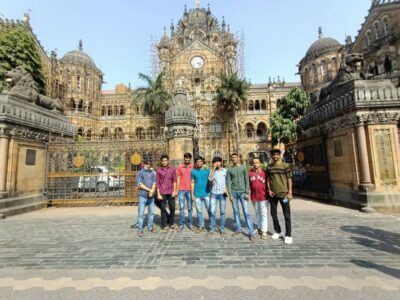
Chhatrapati Shivaji Maharaj Terminus is where the tour becomes extra worth it. It’s UNESCO, and it has the kind of design that rewards a guided look rather than a quick selfie run.
You’ll spend about 20 minutes here with a guided visit. That timing is smart. It’s long enough to understand the basic architectural intent—how Victorian Gothic comes through in the station’s form—without turning your stop into a time sink.
Also, the tour notes skip-the-ticket-line benefits. Even if you’re not focused on tickets, that detail matters for your day. Less waiting means more time standing in the right spots, noticing carvings, and getting your bearings on the building’s layout.
The biggest payoff, in my view, is that the guide ties the Terminus to Mumbai’s broader transformation. A station isn’t just a building; it’s a promise about connection, commerce, and movement. Seeing it through that lens makes the architecture feel relevant, not just impressive.
More of Mumbai at walking pace
- Group Guided Walking Tour in Fort and Colaba
★ 5.0 · 1,073 reviews - Private Guided Walking Tour in Fort & Colaba
★ 5.0 · 895 reviews - Private Guided Walking Tour in Bandra Queen of Suburbs
★ 5.0 · 383 reviews - Private Guided Spiritual Walk in Banganga Hindu Temples
★ 5.0 · 271 reviews - Mumbai: Dharavi Slum Walking Tour by First Female Tour Guide
★ 4.9 · 192 reviews - Private Guided Non-Veg Street Food Walking Tour in Muslim Quarter
★ 5.0 · 140 reviews
Eros Cinema at the end: the Art Deco closer near Churchgate
To finish, you’ll visit Eros Cinema—an Art Deco landmark that works as a stylish bookend to the Gothic-to-Art Deco theme. The tour ends at Churchgate Station, and Eros Cinema’s location in this area fits that final stretch.
This stop is a good test of whether the tour theme is landing. If you look at Eros Cinema and only see a pretty facade, you might miss the bigger point. But if you compare it in your mind to what you saw at Oval Maidan and around the Gothic corridor, you’ll start noticing how Art Deco tries to look forward—using sleek forms and a cleaner geometric language.
If you’re short on time in Mumbai and want a “greatest hits” day that still teaches you something real, this ending does that work. It turns the last leg into a payoff moment instead of a random stop.
Guides and pacing: why people feel taken care of
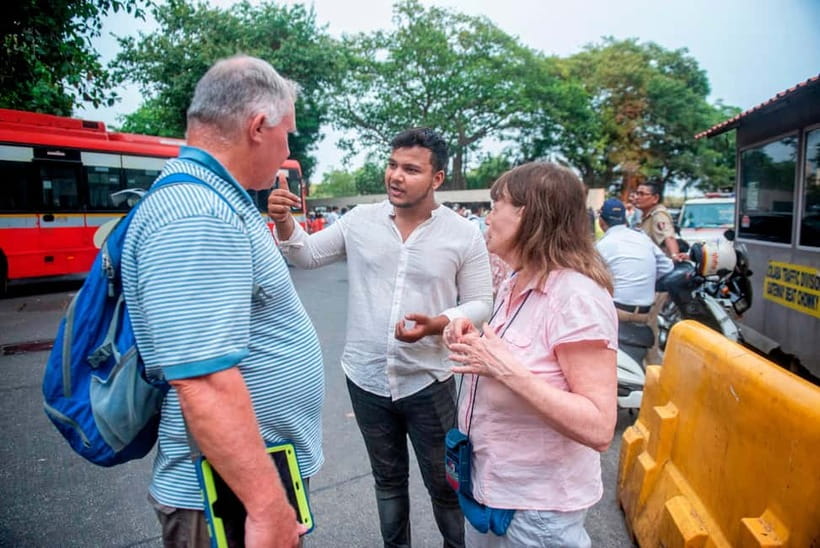
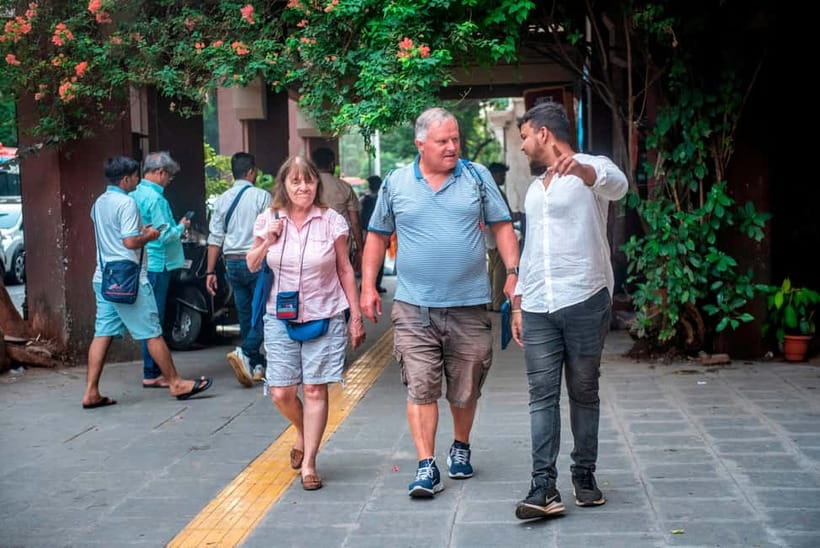
What comes through strongly is the human factor. Guides like Sharon, Abhi, and Jawwad/Jay are repeatedly noted for being friendly, answering questions, and navigating well. That’s not fluff. In a walking tour, your guide controls the pace, the comfort, and whether you feel confident in the route.
One detail I really appreciate in this kind of tour is the flexibility around needs. People mention that the guide took time for special requests like rest breaks and practical help with buying things or seeing specific spots. That can make a huge difference when you’re balancing architecture with the reality of walking in heat and crowds.
So, if you’re the type who asks lots of questions, you’ll probably enjoy this more than a fast, scripted tour. If you prefer minimal talking, the guide format still works because the stops are paired with time to look and take photos.
Price and value: what $16 buys you in Mumbai
At $16 per person for about 2.5 hours, the pricing is unusually approachable for a guided architecture walk. You’re getting several things that usually cost extra if you do them separately: an English-speaking guide, guided time at a UNESCO site, street food tastings, and bottled water.
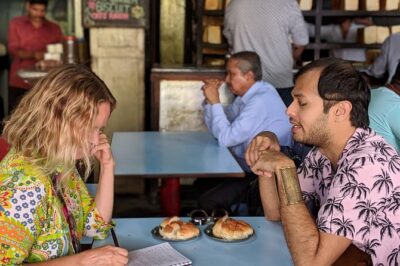
The food part matters more than people think. In central Mumbai, you can easily spend money on snacks without a plan. Here, you get tastings like vada pav and pani puri during the walk, which supports energy and keeps you moving. In other words, you’re paying for both information and momentum.
Skip-the-ticket-line benefits also add practical value. Waiting can eat your schedule faster than you expect, especially if you’re trying to stack sights in one day. Less friction usually means better photos and fewer complaints from your feet.
Timing tips so the walk feels easy, not exhausting
Because the route is a walking tour, comfort planning is real planning. A few practical ideas based on how this tour plays out:
- Bring water and use the bottled water you get early, not at the end.
- Plan a hat and sun protection, especially if you’re going near late morning or noon.
- Wear shoes that handle uneven sidewalks. Central Mumbai has variety underfoot.
- If you want the best photos, arrive ready to pause. Some stops are short, so you’ll get more from the guided framing.
Also, the tour uses a series of brief guided segments and photo stops. That format works best when you don’t treat every minute as a marathon. Let the guide set your rhythm.
Who should book this tour
I’d point you toward this tour if you want a clear, guided way to understand Mumbai’s architecture without needing to research every facade. It’s also a strong fit if you like comparison—Gothic Revival ideas in one visual category, then Art Deco in the next.
It’s especially good for:
- first-time visitors who want iconic sites in a short window
- design-minded travelers who enjoy noticing details more than collecting facts
- people who want both culture and quick local flavors in the same morning or early afternoon
If you’re only interested in one style—say, just Gothic or just Art Deco—you might find some stops feel like setup. But the whole point here is the crossover.
Should you book this Victorian Gothic and Art Deco walking tour?
Yes, if you want an efficient architecture day with local snacks and a guide who can answer questions in plain English. The repeated praise for guides like Sharon and Jawwad/Jay for clarity, comfort, and good navigation is exactly what you want in a short walking format. Plus, the Gothic-to-Art Deco contrast at Oval Maidan is the kind of visual lesson that sticks.
Consider it less if you hate walking or you’re traveling at a time when heat will be tough. In that case, pack smart and be ready to slow down at the guide’s pace rather than forcing your own speed.
FAQ
Where is the meeting point for the tour?
You’ll meet your guide at PizzaExpress in Colaba.
How long is the walking tour?
The duration is 2.5 hours.
How much does it cost?
The price is $16 per person.
Is the tour guided in English?
Yes. It includes a live tour guide in English.
What street food tastings are included?
The tour includes street food tastings such as vada pav and pani puri, and more, plus bottled water.
Where does the tour end?
The tour finishes at Churchgate Station.
Does the tour include any ticket-line benefits?
The tour notes that it includes skip-the-ticket line.
Mumbai on Foot, Continued
- Group Guided Walking Tour in Fort and Colaba
★ 5.0 · 1,073 reviews - Private Guided Walking Tour in Fort & Colaba
★ 5.0 · 895 reviews - Private Guided Walking Tour in Bandra Queen of Suburbs
★ 5.0 · 383 reviews - Private Guided Spiritual Walk in Banganga Hindu Temples
★ 5.0 · 271 reviews
More Mumbai, Every Kind of Day
- Dharavi slum tour in Mumbai by Female tour guides of the slum
★ 5.0 · 1,976 reviews - Mumbai: Full-Day Sightseeing Tour of Mumbai
★ 4.9 · 1,822 reviews - Private Mumbai Sightseeing Tour (Traveller’s Choice Award Winner)
★ 5.0 · 1,565 reviews - Elephanta Caves & Island Guided Private Tour
★ 5.0 · 1,327 reviews
Old Bombay, Building by Building
- Best South Mumbai Heritage Walk
★ 5.0 · 122 reviews - Heritage Walk: Recommended by Gigi Hadid as a must-do in Mumbai
★ 5.0 · 122 reviews - Mumbai: South Mumbai Heritage Walking Guided Tour
★ 4.5 · 69 reviews - Hill-station & Heritage: Lonavala & Karla Caves Tour from Mumbai
★ 5.0 · 60 reviews
New on the Mumbai shortlist


Old Bombay Heritage Walks, compared.
 ★ 5.0Best South Mumbai Heritage WalkFrom $17122 reviews
 ★ 5.0Heritage Walk: Recommended by Gigi Hadid as a must-do in MumbaiFrom $44122 reviews
 ★ 4.5South Mumbai Heritage Walking Guided TourFrom $2869 reviews
 ★ 5.0Hill-station & Heritage: Lonavala & Karla Caves Tour from MumbaiFrom $7260 reviews
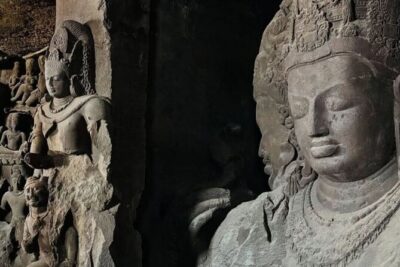 ★ 5.0Mumbai Heritage Walk and Elephanta Caves ExperienceFrom $2953 reviews
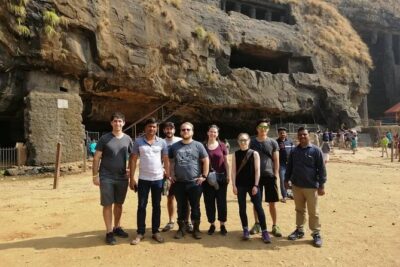 ★ 5.0Kanheri Caves Heritage TourFrom $4545 reviews
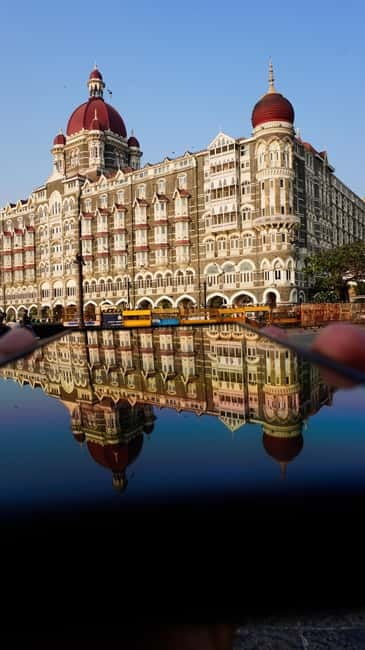 ★ 4.8South Mumbai: Cultural Heritage Walking TourFrom $1645 reviews
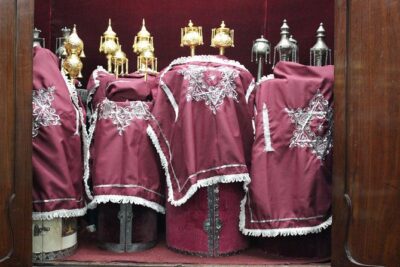 ★ 5.0Private Mumbai Jewish Heritage Tour: Baghdadi & Bene IsraelFrom $9636 reviews
Browse the lists this tour appears in