
Review · OLD BOMBAY HERITAGE WALKS
Mumbai: South Mumbai Heritage Walking Guided Tour
South Mumbai reads like architecture with a pulse. This guided walk links UNESCO-grade landmarks to everyday city corners, with stops that range from Marine Drive views to grand colonial buildings. What I like most is the way guides such as Sanika and Krishna turn details you’d otherwise ignore into real meaning.
Two things I consistently appreciate: first, you get story-led context at major sights, not just a photo stop. Second, the route covers big names you actually want to remember, like Chhatrapati Shivaji Terminus and St. Thomas’ Cathedral, plus smaller design gems along the way. It is one of the best ways to understand old Mumbai without needing a private historian.
One possible drawback: it is a walking tour, and you will be on your feet through busy streets and crowd-prone areas. If you prefer slow, seated sightseeing, plan on taking breaks when your guide suggests them.
In This Review
- Key highlights to look forward to
- South Mumbai on foot: what this walk gets you fast
- Chhatrapati Shivaji Terminus: the UNESCO stop you will actually understand
- Town Hall (Asiatic Society Library): colonial elegance with an educated purpose
- St. Thomas’ Cathedral: 300 years of faith in stone
- Flora Fountain, University of Mumbai, and Bombay High Court: the civic backbone of old Mumbai
- Kala Ghoda: art district energy with architectural stops included
- Watson’s Hotel and the cast-iron story: design you can spot up close
- Taj Mahal Palace and the Gateway of India area: ending at the waterline
- Price and value: why $28 makes sense for this route
- Guides matter here: what the best sessions tend to deliver
- Who should book, and who should reconsider
- Should you book the South Mumbai Heritage Walking Guided Tour?
- FAQ
- How much does the tour cost?
- How long is the walking tour?
- What language is the tour offered in?
- Is Chhatrapati Shivaji Terminus part of the tour?
- What landmarks are included besides CST?
- Is St. Thomas’ Cathedral included?
- Do you visit the Gateway of India?
- Can I cancel and get a refund?
- Is there a pay later option when booking?
Key highlights to look forward to
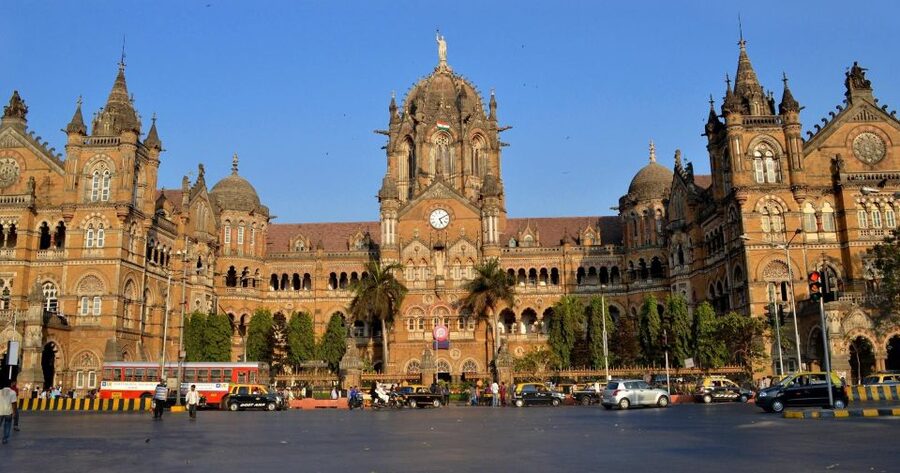
- CST UNESCO rail station: more than a station, it is a landmark of design and identity
- 3-hour starter circuit: a tight route that helps you orient fast in south Mumbai
- Colonial landmarks with explanations: churches, libraries, court buildings, and fountains with purpose
- Kala Ghoda + Watson’s Hotel: art district atmosphere meets early cast-iron architecture
- Harbor-side icons: you work your way toward Taj Mahal Palace and the Gateway of India area
South Mumbai on foot: what this walk gets you fast
South Mumbai can feel like a blur if you only rely on maps and quick photos. This tour is built for the opposite approach: you move through the city slowly enough to notice materials, symmetry, and urban planning choices. You also learn how different eras shaped what you see today.
You’ll cover a lot of ground in a short time. Many people treat it like an orientation walk—your first day, or near it—because it helps you connect the dots between major monuments and the streets around them. And since it is guided in English, you are not stuck trying to interpret building names and plaques on your own.
The other big win is the guide style. People mention guides who are friendly, personable, and genuinely invested in Mumbai’s past. Names like Abhi, Ketan, Alan, and Alkama come up for their ability to explain what matters without sounding like a lecture.
Chhatrapati Shivaji Terminus: the UNESCO stop you will actually understand
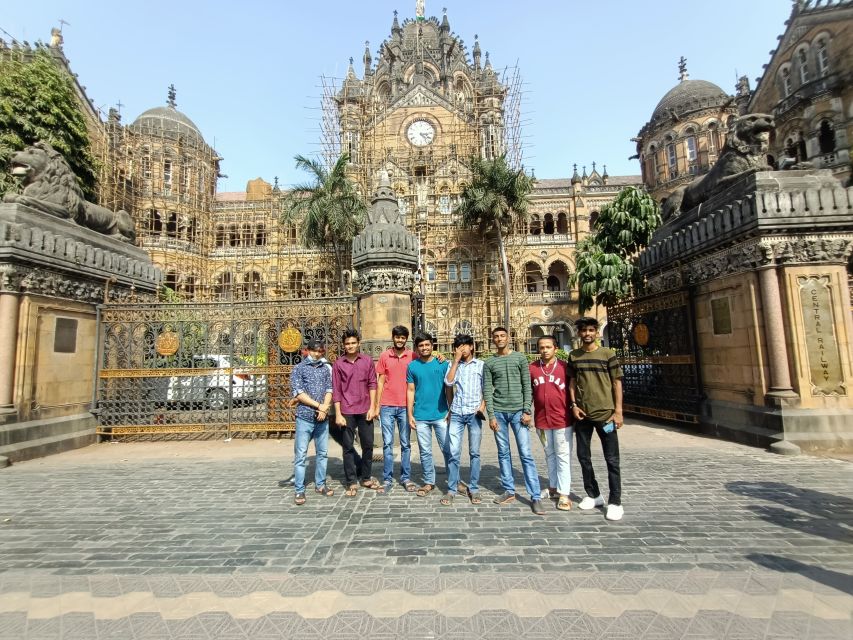
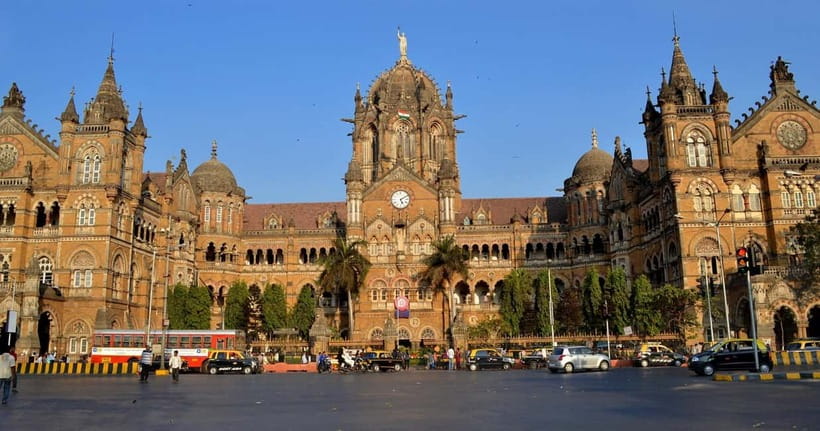
Chhatrapati Shivaji Terminus is famous for a reason, and it is included here because it is one of India’s most celebrated railway stations and a UNESCO World Heritage Site. Even if you already know it looks stunning, a guided stop helps you notice why: design choices, scale, and the sense of arrival that the station projects.
This is the kind of landmark that can become just another big building if you move past quickly. With a guide, it becomes a starting point for the whole tour. You can compare what you see later—courts, libraries, churches, hotels—and understand how each building signals power, faith, education, or prestige.
Practical note: CST is a busy hub area. If you are traveling with a camera-heavy plan, pace yourself. You do not want to burn all your energy at the first stop.
More Gothic arches and Deco curves of old Bombay



Town Hall (Asiatic Society Library): colonial elegance with an educated purpose
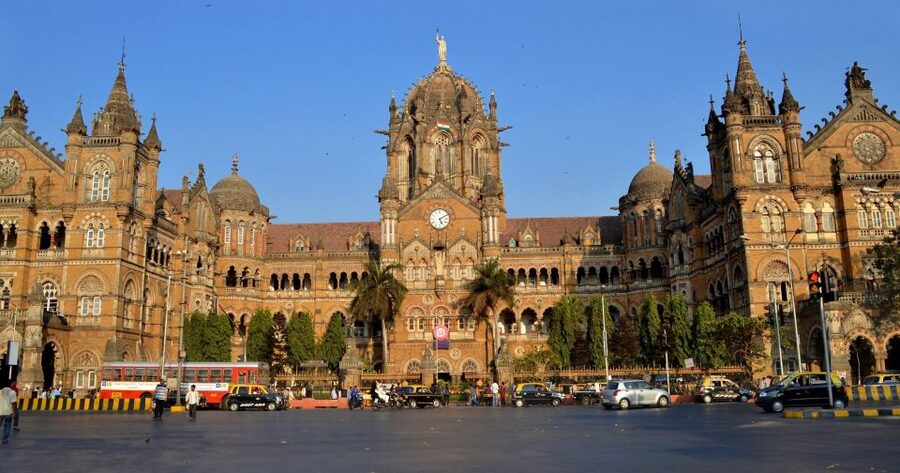
The Town Hall area and the Asiatic Society Library are included because they represent a different side of British-era Mumbai: the push for scholarship and civic institutions. It is one of the oldest libraries in town, and that age matters. Libraries are where a city stores ideas, and Mumbai’s colonial-era institutions helped define what counted as knowledge and who had access to it.
A guided walk around these spaces is useful because you can learn to read the architecture the same way you read a book. Look for how entrances, layout, and ornament signal status. When your guide connects these details to how the city worked, it stops feeling like decoration and starts feeling like function.
This stop is also a good reminder that heritage is not only religious or dramatic. A serious civic building can be just as much part of the city’s story.
St. Thomas’ Cathedral: 300 years of faith in stone
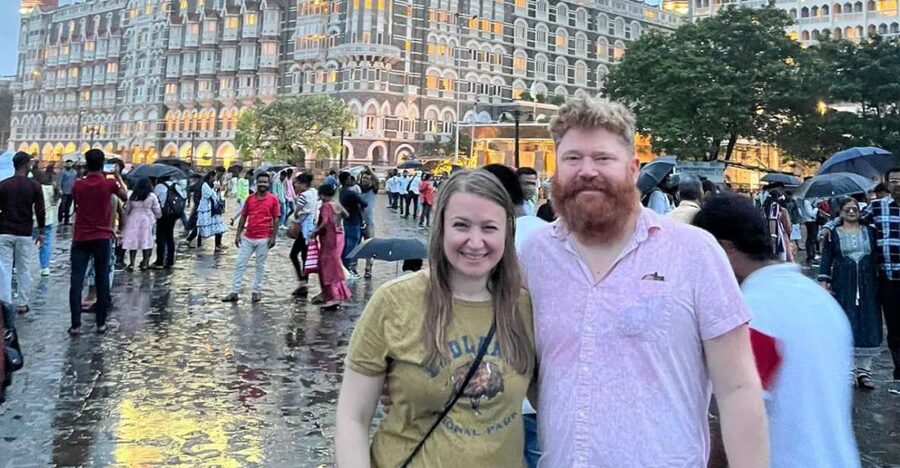
St. Thomas’ Cathedral is a 300-year-old cathedral church, part of the Diocese of Mumbai of the Church of North India. It is included for a reason: it brings the tour’s colonial chapter into focus through religion, community presence, and long-term continuity.
When you slow down here with a guide, you start noticing how cathedrals sit in their environment. The building does not just belong to the inside; it shapes how streets feel around it. A good guide also helps you understand the timeline—what 300 years means in a city that has changed in waves.
If you’re sensitive to worship schedules or crowd levels, you may want to keep your expectations flexible. This is a major landmark, so timing can affect how peacefully you can observe.
Flora Fountain, University of Mumbai, and Bombay High Court: the civic backbone of old Mumbai
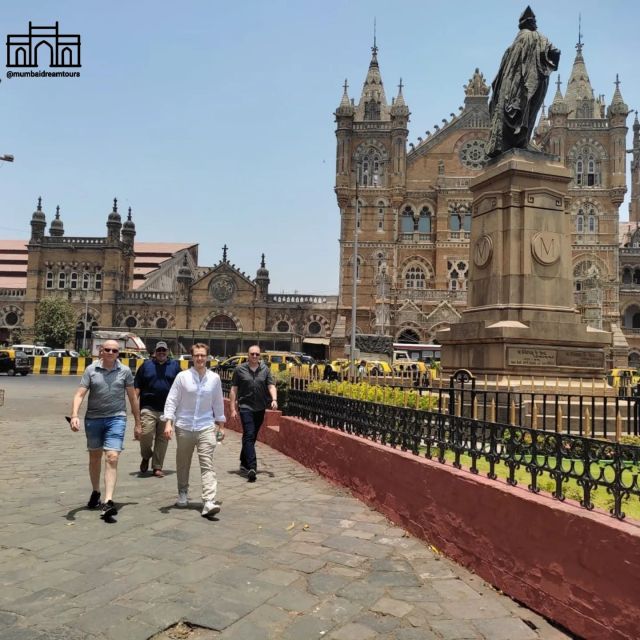
This portion of the walk clusters several landmarks tied to civic identity: Flora Fountain (built in 1864), the University of Mumbai, and the Bombay High Court. Together, they show you how public life was organized through art, education, and law.
Flora Fountain is tied to symbolism, with its depiction of the Roman goddess Flora. That is exactly the kind of detail that can sail past you if you treat it like a street photo. With a guide, you learn to see it as a statement—public monuments used to project culture in the everyday city.
The University of Mumbai and Bombay High Court add the education-and-authority layer. These are institutions that shape the city’s long-term direction. A guided stop helps you connect the look of a building to what it was built to do, and how that role would influence who moved through those areas.
More of Mumbai at walking pace
- Group Guided Walking Tour in Fort and Colaba
★ 5.0 · 1,073 reviews - Private Guided Walking Tour in Fort & Colaba
★ 5.0 · 895 reviews - Private Guided Walking Tour in Bandra Queen of Suburbs
★ 5.0 · 383 reviews - Private Guided Spiritual Walk in Banganga Hindu Temples
★ 5.0 · 271 reviews - Mumbai: Dharavi Slum Walking Tour by First Female Tour Guide
★ 4.9 · 192 reviews - Private Guided Non-Veg Street Food Walking Tour in Muslim Quarter
★ 5.0 · 140 reviews
Kala Ghoda: art district energy with architectural stops included
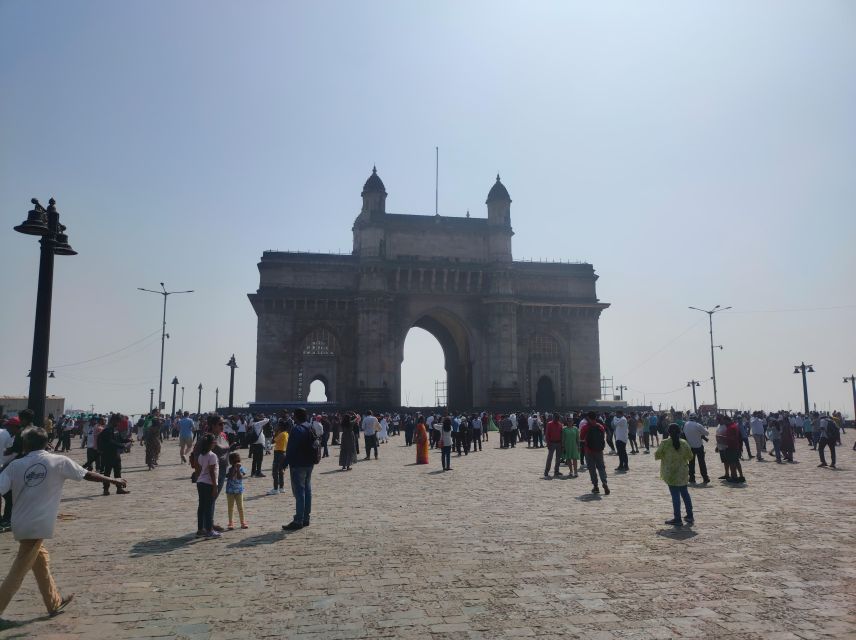
Kala Ghoda is part of the route, described as a crescent-shaped art district. That matters because the area gives you a different mood from strictly monumental sites. You get heritage buildings in an art-forward neighborhood setting, which helps the tour feel less like a march of landmarks and more like a walk through distinct districts.
Guides often use Kala Ghoda to make the idea of architecture feel lived-in. Instead of only talking about the buildings, they also explain how the area’s layout and design create a sense of place. It is a smart pause between heavier sites.
If you plan to do more exploring after the tour, this is one of the stops that can steer you toward what to visit next. It is the kind of area where you might choose to linger on your own.
Watson’s Hotel and the cast-iron story: design you can spot up close
Watson’s Hotel is included as the earliest surviving example of cast-iron architecture in India. That fact alone grabs your attention, but the real value of a guided stop is learning what to look for.
Cast iron is not just a trivia point. It affects how a building can be shaped and assembled, and that changes the look of the façade. When a guide points out the design logic, you start seeing why the hotel is historically important beyond its surface beauty.
If you’re the type who likes practical details—materials, construction style, what tech allowed—this is usually a favorite segment.
Taj Mahal Palace and the Gateway of India area: ending at the waterline
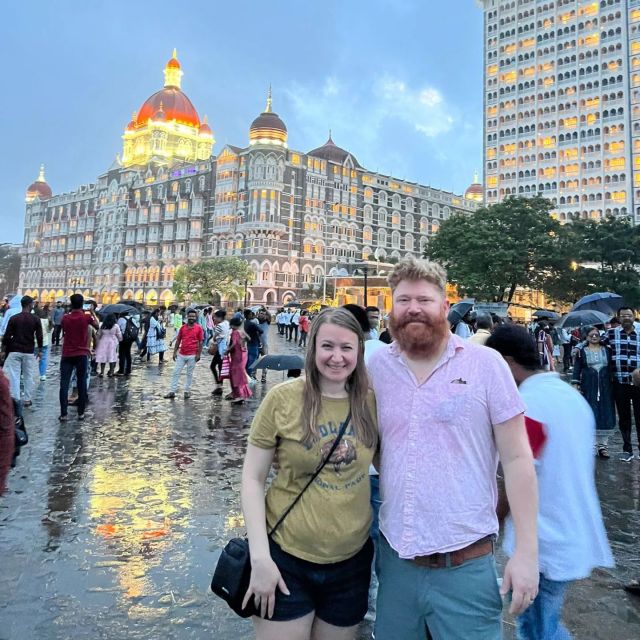
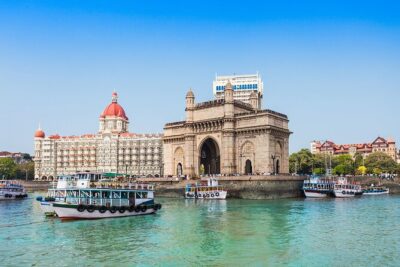
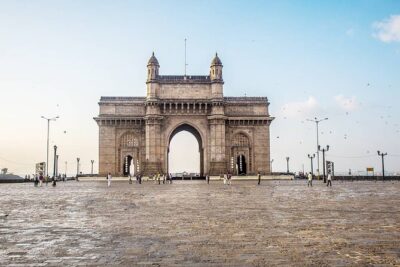
The tour includes the Hotel Taj Mahal Palace and the Gateway of India. These are the kind of landmarks that people recognize even if they cannot place them in context. With a guide, you can connect what you see to the early 20th-century setting of the Gateway of India as an arch-monument, and how luxury hospitality and public monuments coexisted in the city’s coastal zone.
Marine Drive is also mentioned as part of what you’ll admire. Even if you only get quick views, Marine Drive helps you understand how Mumbai uses the coastline as a stage for daily life and big-city imagery.
One thoughtful way to handle these final stops: slow down for a minute and compare them to earlier civic buildings. You’ll notice a shift—from institutions meant to govern, educate, or worship, to iconic landmarks meant to represent and symbolize.
Price and value: why $28 makes sense for this route
At $28 per person, this walk is priced as an accessible way to get guided context without paying premium private-tour rates. That value is not only about the number of stops; it is about the explanations you get at each location.
If you try to replicate the experience alone, you would likely spend money on app subscriptions, research time, and still miss the design logic that makes the buildings click. A 3-hour guided format also helps you avoid the common mistake of spending a whole day wandering without direction.
Also, the tour is in English and supported by Mumbai Heritage Walks as a group founded in April 1999. That gives the experience an established architecture-and-heritage focus rather than a generic city stroll.
Guides matter here: what the best sessions tend to deliver
The most praised aspect across the guide names is how personally engaged they are. People mention guides who answer questions sincerely, stay relaxed, and make the walk feel like a conversation rather than a script.
You’ll see names like Sanika, Krishna, Ketan, Alan, Abhi, and Alkama tied to enthusiasm and clear explanations. That matters because south Mumbai has layers, and a good guide helps you keep those layers straight. It is not just about knowing facts. It is about connecting architecture, planning choices, and the social meaning behind what stands on the street.
If you care about details—like why a fountain’s imagery matters or what cast iron changes in a building—this is where the tour tends to shine.
Who should book, and who should reconsider
This tour is a great fit if you:
- are visiting for the first time and want quick orientation in south Mumbai
- like architecture and want an explanation that goes beyond quick photos
- prefer structured walking over building-by-building independent research
You might reconsider if:
- you struggle with walking for a few hours in busy areas
- you want a totally flexible route with no set landmark focus
For most people, the sweet spot is day one or day two. It gives you context so your later self-guided wandering feels smarter, not random.
Should you book the South Mumbai Heritage Walking Guided Tour?
Yes, if you want a guided way to understand south Mumbai’s major icons and the design details that explain them. For $28, you get a compact route that covers major anchors like Chhatrapati Shivaji Terminus, St. Thomas’ Cathedral, Kala Ghoda, Watson’s Hotel, and the Gateway of India area, with English-speaking guiding that helps the city make sense.
Book it if you like learning through buildings, not just seeing them. Skip it only if you know you dislike multi-stop walking or you want a slow, low-effort sightseeing day.
FAQ
How much does the tour cost?
The Mumbai: South Mumbai Heritage Walking Guided Tour costs $28 per person.
How long is the walking tour?
It is described as a 3-hour tour in multiple guide experiences.
What language is the tour offered in?
The tour is offered in English.
Is Chhatrapati Shivaji Terminus part of the tour?
Yes. Chhatrapati Shivaji Terminus is included, and it is a UNESCO Heritage Site.
What landmarks are included besides CST?
Stops listed as included include Town Hall (Asiatic Society Library), St. Thomas’ Cathedral, Flora Fountain, the University of Mumbai, Bombay High Court, Kala Ghoda, Watson’s Hotel, Hotel Taj Mahal Palace, and the Gateway of India.
Is St. Thomas’ Cathedral included?
Yes. St. Thomas’ Cathedral is included, described as a 300-year-old cathedral church.
Do you visit the Gateway of India?
Yes. The Gateway of India is included as an early 20th-century arch monument.
Can I cancel and get a refund?
You can cancel up to 24 hours in advance for a full refund.
Is there a pay later option when booking?
Yes. The option is Reserve & Pay Later, where you can book your spot and pay nothing today.
Mumbai on Foot, Continued
- Group Guided Walking Tour in Fort and Colaba
★ 5.0 · 1,073 reviews - Private Guided Walking Tour in Fort & Colaba
★ 5.0 · 895 reviews - Private Guided Walking Tour in Bandra Queen of Suburbs
★ 5.0 · 383 reviews - Private Guided Spiritual Walk in Banganga Hindu Temples
★ 5.0 · 271 reviews
More Mumbai, Every Kind of Day
- Dharavi slum tour in Mumbai by Female tour guides of the slum
★ 5.0 · 1,976 reviews - Mumbai: Full-Day Sightseeing Tour of Mumbai
★ 4.9 · 1,822 reviews - Private Mumbai Sightseeing Tour (Traveller’s Choice Award Winner)
★ 5.0 · 1,565 reviews - Elephanta Caves & Island Guided Private Tour
★ 5.0 · 1,327 reviews
Old Bombay, Building by Building
- Heritage Walk: Recommended by Gigi Hadid as a must-do in Mumbai
★ 5.0 · 122 reviews - Best South Mumbai Heritage Walk
★ 5.0 · 122 reviews - Hill-station & Heritage: Lonavala & Karla Caves Tour from Mumbai
★ 5.0 · 60 reviews - Mumbai Heritage Walk and Elephanta Caves Experience
★ 5.0 · 53 reviews
New on the Mumbai shortlist


Old Bombay Heritage Walks, compared.
 ★ 5.0Best South Mumbai Heritage WalkFrom $17122 reviews
 ★ 5.0Heritage Walk: Recommended by Gigi Hadid as a must-do in MumbaiFrom $44122 reviews
 ★ 5.0Hill-station & Heritage: Lonavala & Karla Caves Tour from MumbaiFrom $7260 reviews
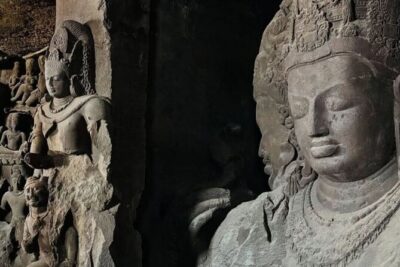 ★ 5.0Mumbai Heritage Walk and Elephanta Caves ExperienceFrom $2953 reviews
 ★ 5.0Kanheri Caves Heritage TourFrom $4545 reviews
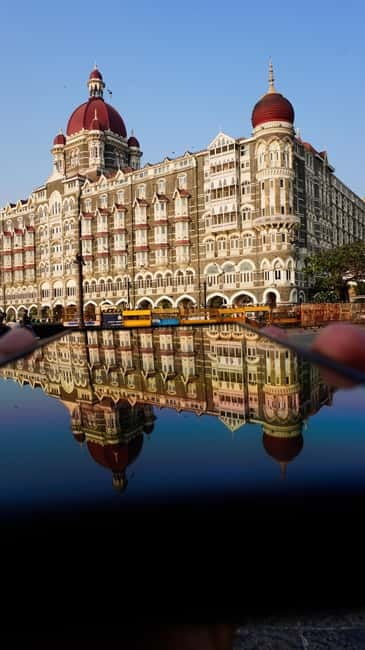 ★ 4.8South Mumbai: Cultural Heritage Walking TourFrom $1645 reviews
 ★ 5.0Private Mumbai Jewish Heritage Tour: Baghdadi & Bene IsraelFrom $9636 reviews
 ★ 5.0Private Elephanta Caves UNESCO World Heritage Site TourFrom $5934 reviews
Browse the lists this tour appears in