
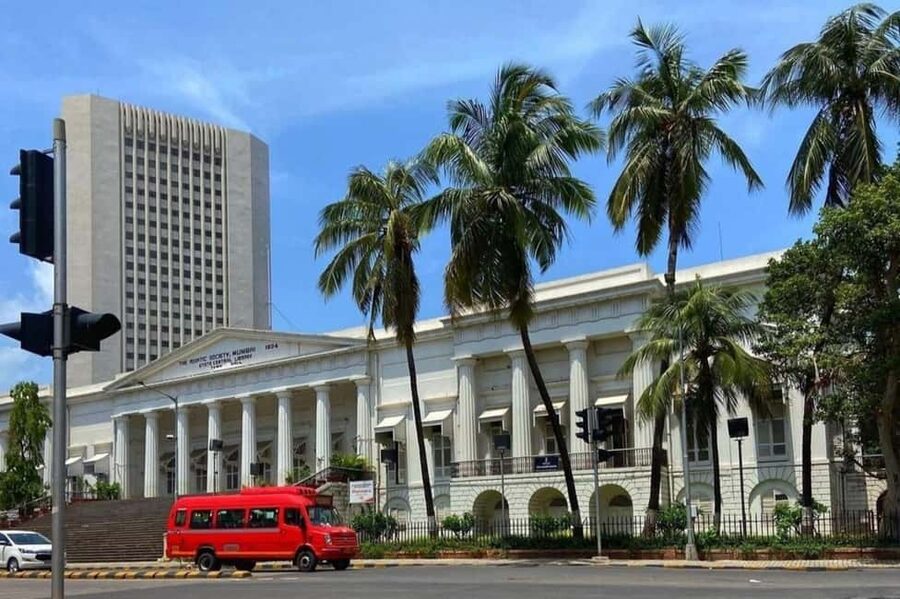
Review · OLD BOMBAY HERITAGE WALKS
Stories of Mumbai: Heritage Walk with Hidden Tales
A long story walk beats a long bus ride. This one starts at the Gateway of India and strings together centuries of change in a way that feels like you’re reading Mumbai in real time. I especially like the story-led approach with personalized narration, and I’ve seen the tour described at its best when a guide like Nisar brings the streets to life.
You’ll also like the mix of big-name landmarks and quieter stops you’re unlikely to find on standard routes, from Colaba landmarks to old bazaars and side courtyards. The tone stays practical too, with comfortable walking and a chai break that keeps energy up without turning the tour into a restaurant crawl.
One thing to watch: timing and pacing can depend heavily on the guide. One booking reported a late start and a rushed, information-light experience, so if you have a tight schedule, plan with a buffer and bring questions with you.
In This Review
- Key things to know before you go
- Gateway of India to Colaba: the timeline starts on the waterfront
- Taj Mahal Palace, Yacht Club, and Causeway: seeing empire in details
- Old bazaars and spice markets: history that still trades today
- Step wells and colonial courtyards: the quieter clues most tours miss
- The secret Parsi café and chai break: a pause that feels like part of the story
- Ferry segment: adding water to the viewpoint
- Marine Drive wrap-up: a quiet landing after the chaos
- What the private format actually changes for your day
- Price and value: how $10 can feel like a bargain or a risk
- Who this tour suits best (and who should think twice)
- A final decision: should you book Stories of Mumbai?
- FAQ
- How long is the Heritage Walk?
- Where does the tour start?
- Is this tour private?
- What language is the guide?
- What’s included in the price?
- Is the Elephanta caves entrance included?
- Does the tour help with ticket lines?
- What should I wear and bring?
- Can I cancel and get a refund?
Key things to know before you go
- Gateway of India start point sets the colonial-to-modern storyline fast
- Nisar-style storytelling is the high point when the guide leans into the narrative
- Ferry time plus city walking gives you a change of pace without stretching the day too long
- Colaba landmarks paired with side streets helps you see the neighborhood layers
- Chai at a local café keeps it human and breaks the walking rhythm
- Marine Drive ending moment is a thoughtful reset at the end of the walk
Gateway of India to Colaba: the timeline starts on the waterfront
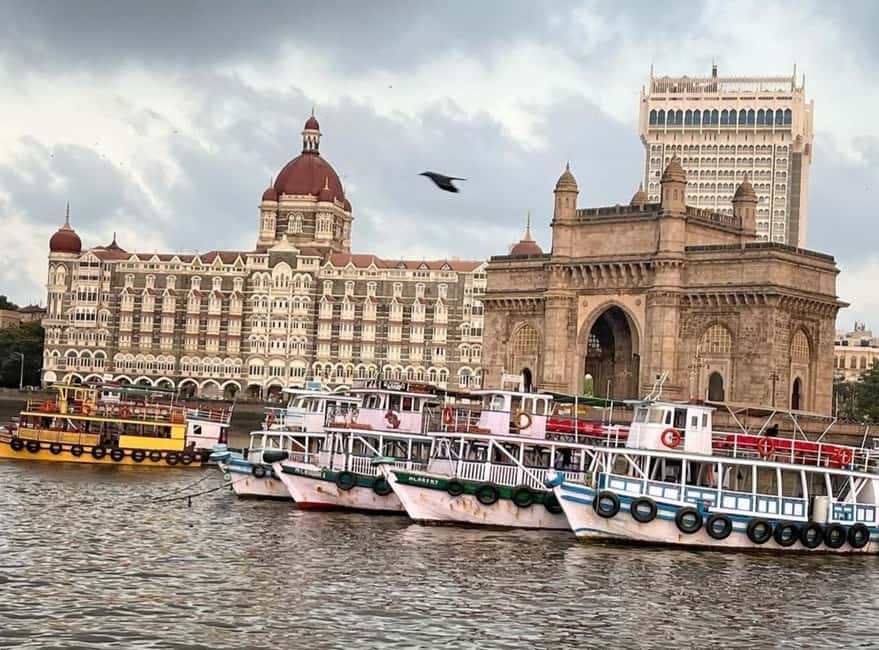
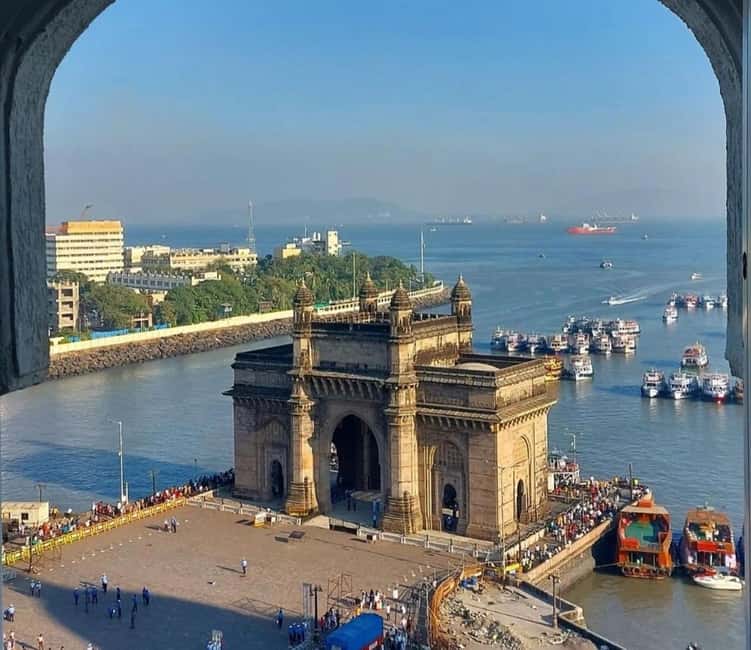
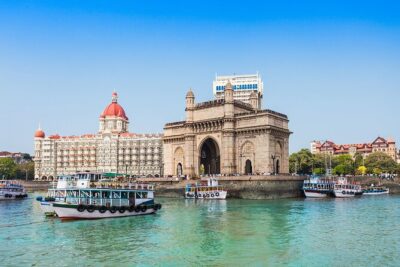
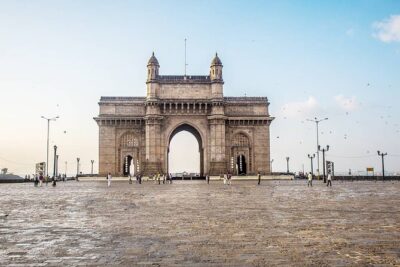
The day kicks off at the Gateway of India, a place that practically demands a backstory. This is where the British first landed, and it later became symbolic of the end of colonial rule. Starting here isn’t just convenient. It gives you a clear mental map: you’re not only seeing buildings, you’re watching political power and money shift across the same shoreline.
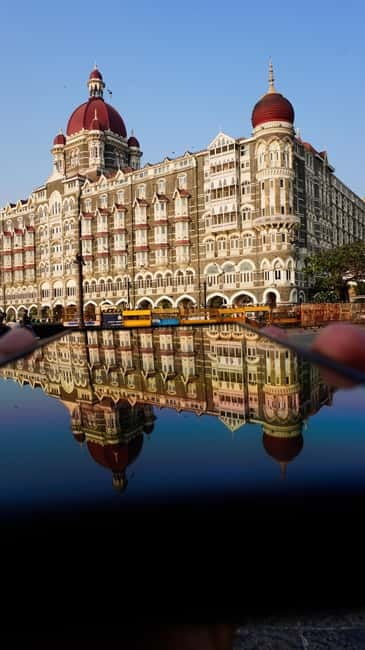
From there, the walk moves through the Colaba area, where the city’s mercantile past still shows up in the architecture and the way the streets funnel foot traffic. You’ll pass landmarks like the Taj Mahal Palace Hotel and the Royal Bombay Yacht Club, and the guide ties them to how Mumbai developed as a trading hub and as a center tied to the independence movement.
Why I like this format: it keeps you from treating history like a list. You get cause and effect. Who built what, why it mattered, and what changed when the city’s priorities shifted.
Taj Mahal Palace, Yacht Club, and Causeway: seeing empire in details
When tours rush through iconic spots, you just snap a photo and move on. Here, the point is to notice how these places reflect the city’s role as a gateway for people, goods, and ideas.
The Taj Mahal Palace Hotel area is a good example. Even if you’ve seen it in pictures, hearing what it represents in the British-era commercial world helps you read the scene differently. You also get a sense of how Colaba became a zone where international visitors and local life overlapped.
The Royal Bombay Yacht Club is another clue about class, leisure, and who had access to the waterfront. The guide’s job is to connect these visible signs to less visible stories—like who benefited from the old system and how the city’s identity kept growing underneath it.
Colaba Causeway is the practical side of the story: it’s where you see daily city life and commerce close together. If you’re into photography, keep an eye on lines and angles here. The mix of heritage facades and street-level movement gives you frames that feel like Mumbai, not a postcard.
One heads-up: this segment is walk-heavy. Comfortable shoes matter more than you think, especially if the weather turns warm or humid.
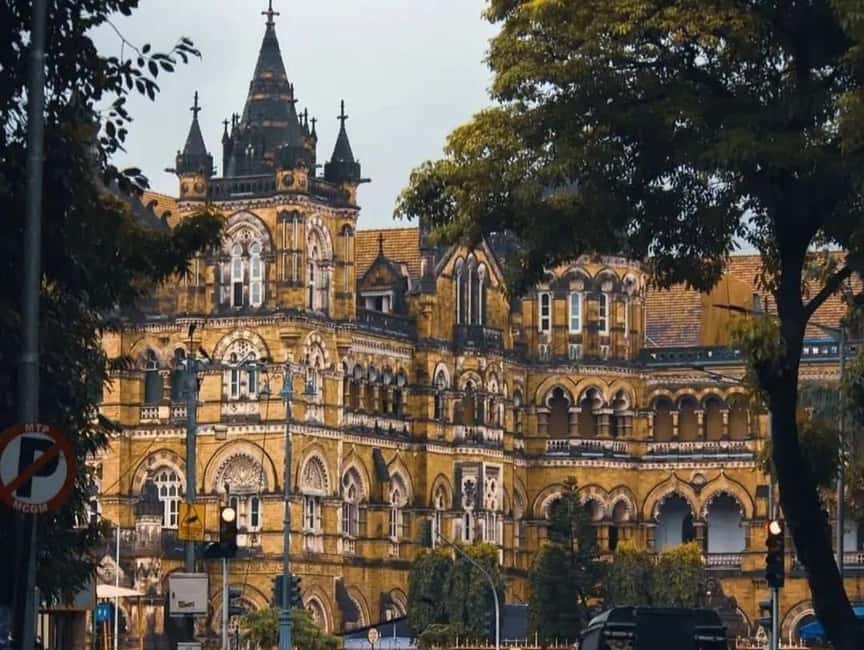
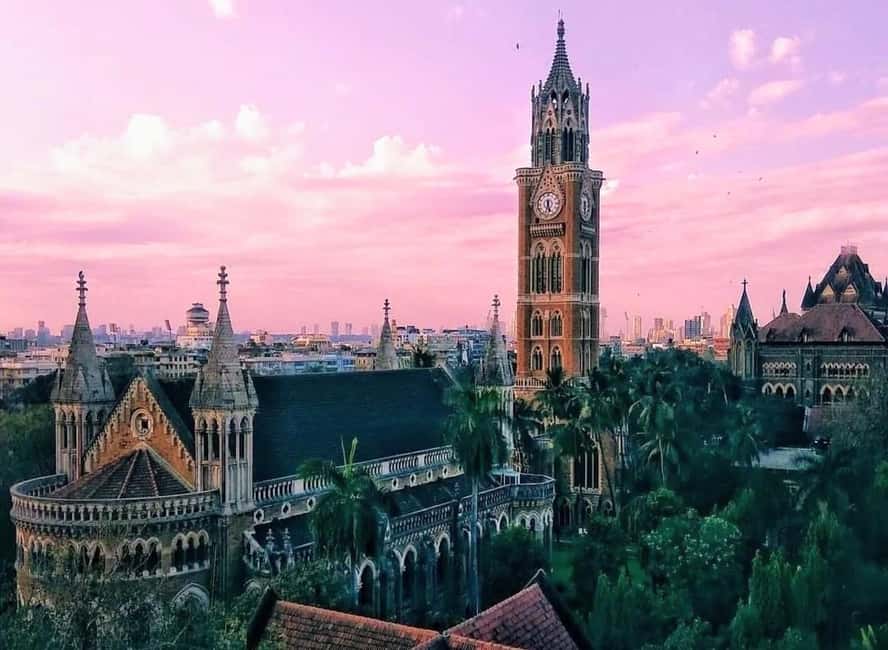
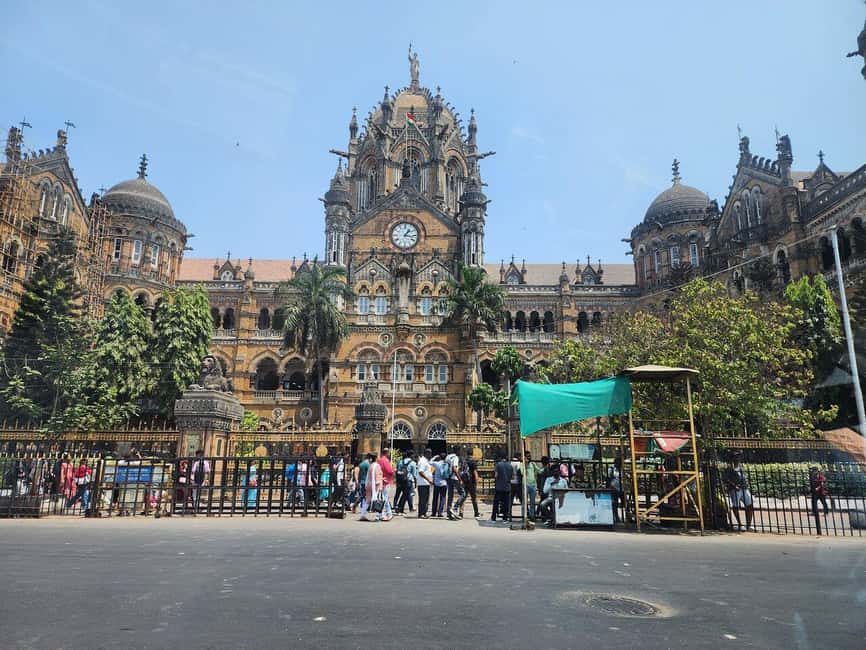
More Gothic arches and Deco curves of old Bombay




Old bazaars and spice markets: history that still trades today
This is where the tour gets more than scenic. You’re guided into older trading areas where the pace and purpose of the streets still reflect how Mumbai worked for centuries. Expect stops around spice markets and old bazaars, places where the city’s economy isn’t just a past topic—it’s still present in what people buy and how merchants operate.
I like this part because it turns architecture into context. You see the storefronts and walkways, then the guide explains why those routes formed. It’s a city built around movement: shipments arrive, goods distribute, workers commute, and the whole system shapes neighborhoods over time.
If you’re a photographer, this is your best zone for street detail shots: hands, labels, textures, and the rhythm of shopping. For a smooth experience, keep your camera strap secure. This is a walking tour through active local areas, not a controlled museum route.
Step wells and colonial courtyards: the quieter clues most tours miss
One of the tour’s promises is time in smaller, less standard places—like colonial courtyards and older water structures. The description includes ancient step wells, and that’s a fascinating anchor because water management tells you a lot about how a city actually survived and grew.
Step wells are also a reminder that Mumbai’s story isn’t only about British buildings. It’s about infrastructure and daily life—how communities planned for heat, monsoon swings, and long-term living.
Courtyards and older property layouts can be harder to find on typical group tours, which is exactly why they’re valuable here. They change your scale. Suddenly you’re not just looking at street facades. You’re stepping into the in-between spaces where older Bombay character often remains.
That said, a caution from real-world experience: one booking said they did not get into courtyards or the other smaller spots described. So if those quiet spaces are a must for you, I’d treat that as a priority you should ask about when confirming your timing and guide.
The secret Parsi café and chai break: a pause that feels like part of the story
Mumbai has a way of turning food into geography. This tour includes chai at a local café, and it’s not just a break from walking—it’s a small cultural lens.
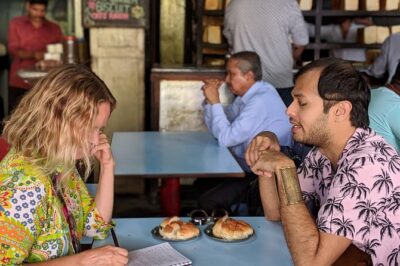
Parsi communities have had a long presence in Mumbai, and the tour includes a stop at a secret Parsi café as part of its tighter storyline about local culture beyond the colonial landmarks. Even without a big meal, chai works well because it keeps you alert and lets you keep moving without the tour becoming overly food-focused.
Practical tip: use this pause to catch your breath and reset your photo plan. If you’re shooting architecture, the light can shift quickly after a café stop. A quick glance out the window before you head back into walking can save you time later.
More of Mumbai at walking pace
- Group Guided Walking Tour in Fort and Colaba
★ 5.0 · 1,073 reviews - Private Guided Walking Tour in Fort & Colaba
★ 5.0 · 895 reviews - Private Guided Walking Tour in Bandra Queen of Suburbs
★ 5.0 · 383 reviews - Private Guided Spiritual Walk in Banganga Hindu Temples
★ 5.0 · 271 reviews - Mumbai: Dharavi Slum Walking Tour by First Female Tour Guide
★ 4.9 · 192 reviews - Private Guided Non-Veg Street Food Walking Tour in Muslim Quarter
★ 5.0 · 140 reviews
Ferry segment: adding water to the viewpoint
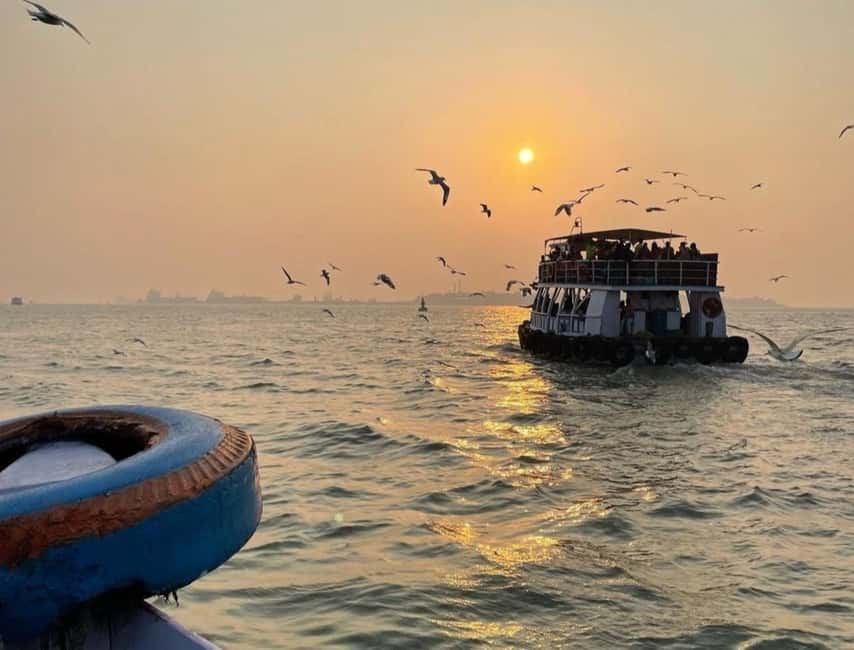
This experience includes a ferry ride. It’s a helpful ingredient because it gives your eyes a different angle and breaks up the day so the walking doesn’t dominate your memory.
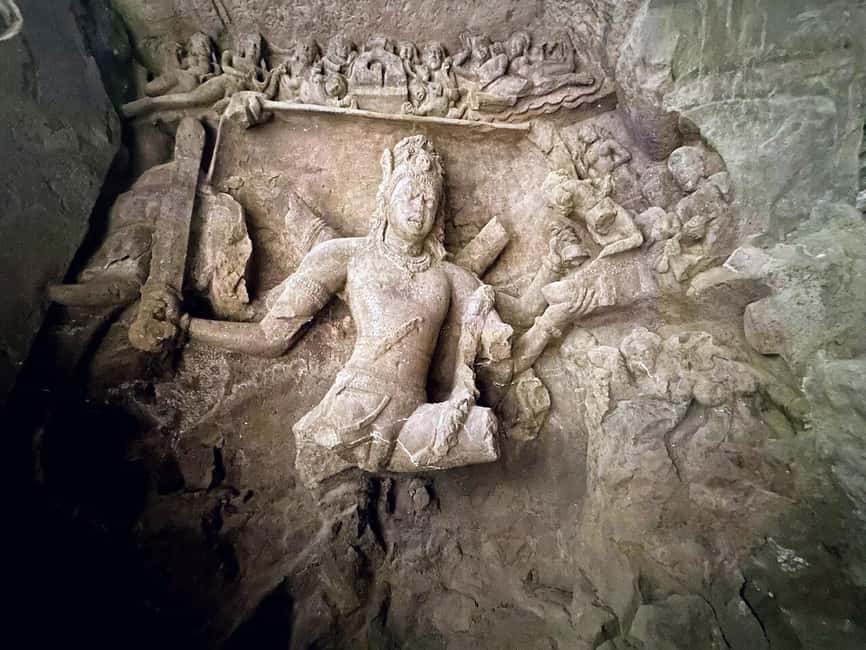
The tour starts at the Gateway area, where ferries are part of daily life and also part of how people and visitors view Mumbai’s coastline. If you’re also thinking about the Elephanta Caves, here’s the key detail: the Elephanta caves entrance is not included. That means if you want to go inside and not just see the route possibilities, plan for the separate ticket.
Also note the tour includes a line-skip element. If the day touches any ticketed stop, it’s designed to reduce waiting so you spend more time actually walking and listening.
Marine Drive wrap-up: a quiet landing after the chaos
The tour ends with a quiet moment at Marine Drive, which is a smart way to close a heritage story. After all the colonial markers, bazaars, and side courtyards, you get a slower pause where you can reflect on the city’s arc—from fishing villages to India’s financial capital.
Marine Drive is ideal for that last reset because the promenade invites you to look out, not just down at your feet. If you’re a photographer, this is also where you’ll get different light and mood, especially depending on the time of day.
If you’re the type who likes to process information, this ending works. It gives you a few minutes to connect everything the guide explained into a single mental picture.
What the private format actually changes for your day
Because this is a private experience with pickup and drop-off, you can plan your route around your pace. The tour also lists flexible timing, and that matters in a city where traffic and weather can change your day fast.
Here’s the practical reality: in a private setup, the guide can adjust the pace, the questions you ask, and how long you linger at a photo angle. That’s why storytelling matters so much here. If you get a guide who leans into the narrative, the tour becomes more than a walk through famous places.
One more thing: the English guide is part of the value. This is not the kind of experience where you want to rely on guesswork. If you care about what you’re seeing, ask for clarifications. The guide’s job is to connect the architecture and the street life to the city’s transformation.
Price and value: how $10 can feel like a bargain or a risk
The price is listed at $10 per person, and at face value that’s extremely low for a private heritage walk that includes a professional English-speaking guide, bottled water, chai, pickup and drop-off, local taxes, and a ferry.
So why the occasional disappointment? Because you’re buying an experience powered by a live guide. If the timing is off or the pacing turns rushed, you don’t just lose comfort—you lose the storytelling part that makes it worth your time. One booking described a guide arriving over an hour late and providing information that felt incorrect and insufficient, plus a lack of the smaller spots named in the tour description.
My advice on value: this tour looks like great value when you prioritize narrative and local context, and when your schedule is flexible enough to absorb minor delays. If you’re the type who needs a very tight timetable and zero risk of lateness, you might want to mentally separate this into two parts: a fun walk with historical context, not a single must-hit appointment.
Who this tour suits best (and who should think twice)
This is a strong fit for:
- History lovers who like the how and why, not just dates
- Photographers who want a mix of landmark facades and street detail
- Culture enthusiasts who enjoy small stops like chai and lesser-known local areas
- People who want a private setup rather than a crowded group pace
You might think twice if:
- You have a strict schedule and cannot handle a late start
- You expect lots of indoor stops or a heavy museum style itinerary, since the day is primarily walking and street-based
- You care deeply about the exact inclusion of courtyards and smaller hidden spaces, given the mixed account about those parts being skipped
A final decision: should you book Stories of Mumbai?
I’d book it if you want a walking heritage story that connects the waterfront, colonial landmarks, and local commerce into one readable timeline—and you’re happy to follow a guide’s pace for 2.5 to 6 hours. The combination of the Gateway start, chai stop, ferry ride, and Marine Drive ending is a coherent flow, and that’s where the value shows.
I wouldn’t treat it like a guaranteed checklist. Since the experience depends on the guide’s delivery, give yourself a little buffer, come with curiosity, and ask direct questions about the courtyards, bazaars, and the storytelling focus when you meet your guide.
If you do that, you’ll probably come away with the kind of Mumbai understanding that doesn’t fit in a quick photo.
FAQ
How long is the Heritage Walk?
The duration is listed as 2.5 to 6 hours. Starting times depend on availability.
Where does the tour start?
The tour starts at the Gateway of India. The exact meeting point may vary depending on the option you book.
Is this tour private?
Yes, a private group option is available, and the tour includes pickup and drop-off for the private experience.
What language is the guide?
The guide is listed as English-speaking.
What’s included in the price?
Included items are a professional English-speaking guide, private pickup and drop-off, local taxes, bottled water, chai at a local café, and a ferry.
Is the Elephanta caves entrance included?
No. Elephanta caves entrance is not included.
Does the tour help with ticket lines?
The experience states it includes skipping the ticket line.
What should I wear and bring?
Wear comfortable shoes for walking. Bring a camera for photos, and expect varying weather conditions.
Can I cancel and get a refund?
The activity lists free cancellation up to 24 hours in advance for a full refund. It also mentions a reserve now and pay later option.
Mumbai on Foot, Continued
- Group Guided Walking Tour in Fort and Colaba
★ 5.0 · 1,073 reviews - Private Guided Walking Tour in Fort & Colaba
★ 5.0 · 895 reviews - Private Guided Walking Tour in Bandra Queen of Suburbs
★ 5.0 · 383 reviews - Private Guided Spiritual Walk in Banganga Hindu Temples
★ 5.0 · 271 reviews
More Mumbai, Every Kind of Day
- Dharavi slum tour in Mumbai by Female tour guides of the slum
★ 5.0 · 1,976 reviews - Mumbai: Full-Day Sightseeing Tour of Mumbai
★ 4.9 · 1,822 reviews - Private Mumbai Sightseeing Tour (Traveller’s Choice Award Winner)
★ 5.0 · 1,565 reviews - Elephanta Caves & Island Guided Private Tour
★ 5.0 · 1,327 reviews
Old Bombay, Building by Building
- Heritage Walk: Recommended by Gigi Hadid as a must-do in Mumbai
★ 5.0 · 122 reviews - Best South Mumbai Heritage Walk
★ 5.0 · 122 reviews - Mumbai: South Mumbai Heritage Walking Guided Tour
★ 4.5 · 69 reviews - Hill-station & Heritage: Lonavala & Karla Caves Tour from Mumbai
★ 5.0 · 60 reviews
New on the Mumbai shortlist


Old Bombay Heritage Walks, compared.
 ★ 5.0Best South Mumbai Heritage WalkFrom $17122 reviews
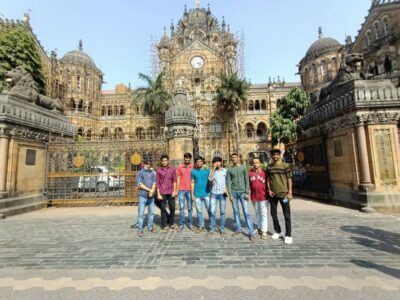
 ★ 5.0Heritage Walk: Recommended by Gigi Hadid as a must-do in MumbaiFrom $44122 reviews
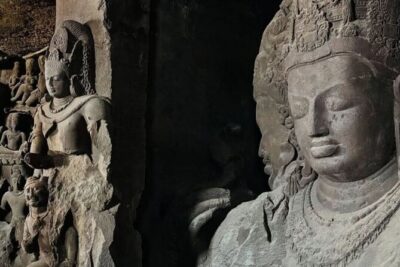
 ★ 4.5South Mumbai Heritage Walking Guided TourFrom $2869 reviews
 ★ 5.0Hill-station & Heritage: Lonavala & Karla Caves Tour from MumbaiFrom $7260 reviews
 ★ 5.0Mumbai Heritage Walk and Elephanta Caves ExperienceFrom $2953 reviews
 ★ 4.8South Mumbai: Cultural Heritage Walking TourFrom $1645 reviews
 ★ 5.0Kanheri Caves Heritage TourFrom $4545 reviews
 ★ 5.0Private Mumbai Jewish Heritage Tour: Baghdadi & Bene IsraelFrom $9636 reviews
Browse the lists this tour appears in