
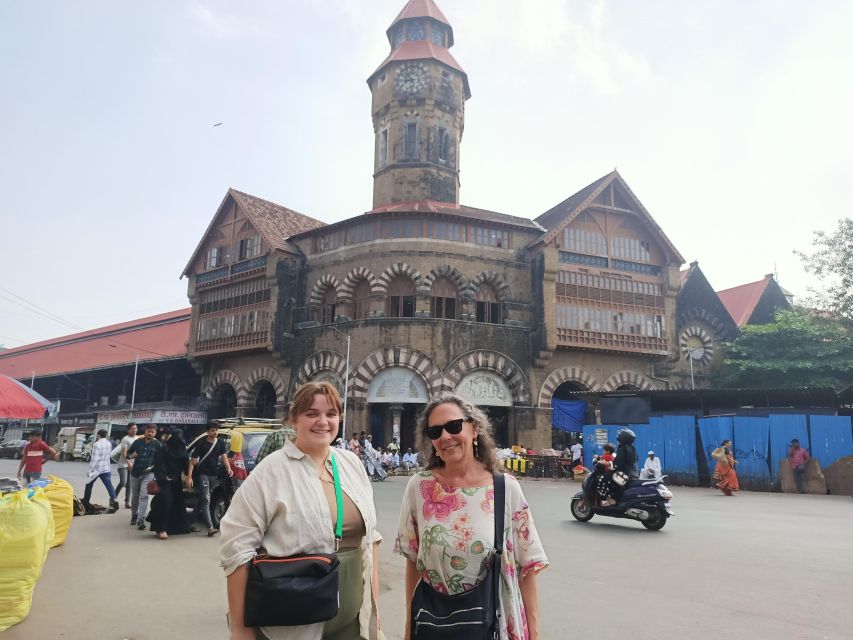
Review · BAZAAR & MARKET WALKS
Mumbai Market Tour
Walking into South Mumbai’s markets feels like stepping onto the city’s busiest front porch, where vendors shout, aromas hang in the air, and old colonial facades share space with temples and mosques. I like the way this market-first route mixes everyday shopping with historic-looking stops, instead of treating the day like a museum crawl.
My second favorite part is the chance to learn how to bargain and move with confidence through places where prices are part of the game. One possible drawback: the day can lean commercial, and if you’re expecting long, quiet cultural visits at every religious site, you may feel the focus shifts toward shop stops.
In This Review
- Key things to know before you go
- South Mumbai Markets: what the tour really delivers
- Crawford Market and Mangaldas: the “browse and get your bearings” pair
- Spice Market: how to shop smarter when every stall sells the same idea
- Jewelry Market and Flower Market: choose based on your energy level
- Jama Masjid, Mumba Devi Temple, and Madhav Baugh: religious stops in a market day
- The guide matters: bargaining lessons, pace, and the “real insight” effect
- Price and value: what $23 buys in Mumbai’s market world
- Who this tour suits best (and who should reconsider)
- Should you book the Mumbai Market Tour?
- FAQ
- What does the Mumbai Market Tour cost?
- What language is the tour offered in?
- What markets and sights are included?
- Is there a reserve and pay later option?
- How late can I cancel for a full refund?
- Where is this tour located?
Key things to know before you go
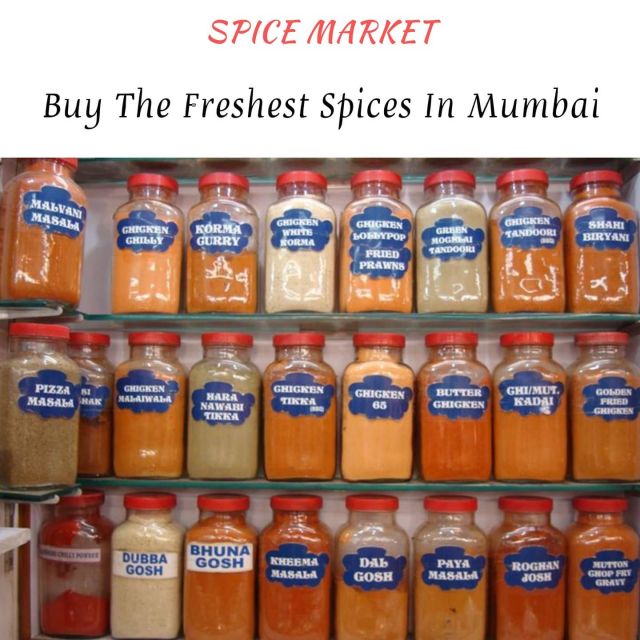
- Colonial buildings meet religious sites: You’ll see places like Jama Masjid and Mumba Devi Temple alongside market streets.
- Crawford Market is a sensory stop: scents, fresh produce, and specialty items show up right away.
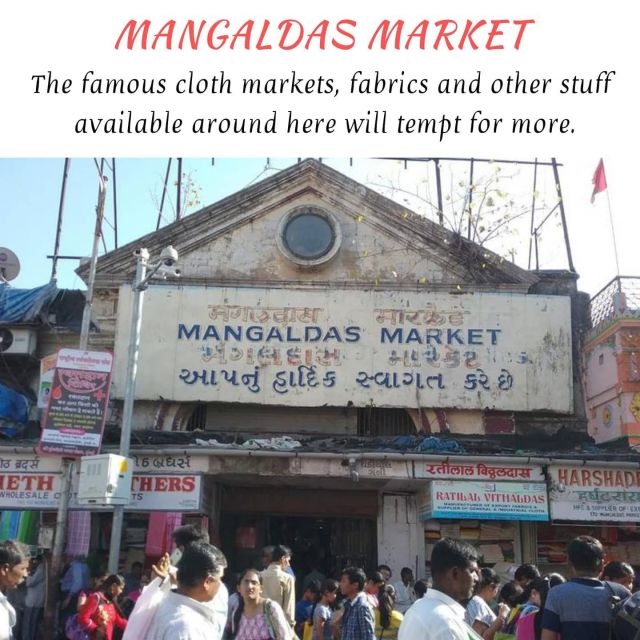
- Mangaldas Market pulls hard for textiles: it’s the cloth-and-fabric zone, with plenty to browse.
- Spice Market is specific, not vague: think cumin, coriander, turmeric, and cardamom.
- Flower Market is built for color: marigolds, roses, lilies, orchids, and more.
- Jewelry Market turns the volume up: gold, silver, diamonds, and stones are a big part of the vibe.
South Mumbai Markets: what the tour really delivers
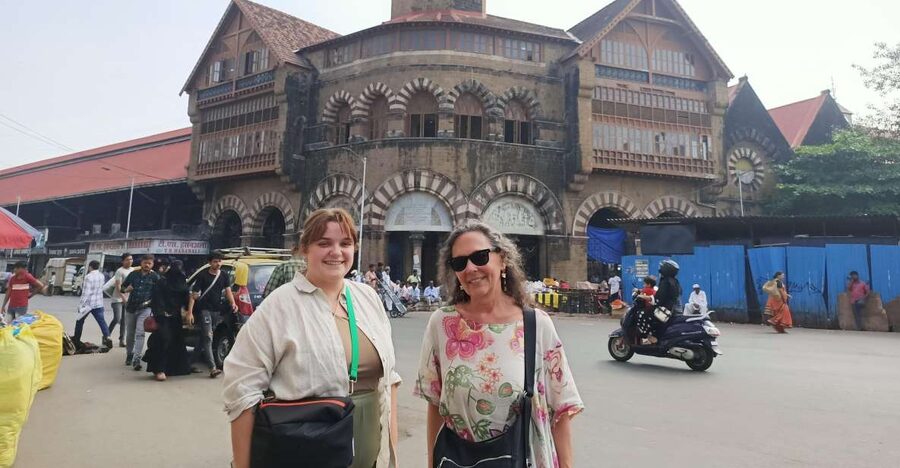
This is a true South Mumbai day out in the real market setting. The core idea is simple: the essence of Mumbai isn’t only in big landmarks you pose in front of—it’s in bazaars where daily life is loud, fast, and totally unfiltered. That matters because it changes how you see the city. Instead of looking at Mumbai from a distance, you’re walking through the places that feed it, dress it, and decorate it.
The route is designed around historic markets and a web of streets that feel both wide and narrow—busy main lanes, then tighter alleyways where you can feel the crush of activity. You’ll pass colonial-looking buildings, and you’ll also be close to temples and mosques while vendors sell everything from snacks and birds to flowers and clothing. In practice, that means you don’t need to be a shopper to enjoy it. Even if you don’t buy, you’re watching how commerce and culture share the same sidewalks.
That said, market tours can vary in how much time they spend just walking versus actually steering you into purchases. You’ll get the best experience if you come with a clear mindset: browse first, then decide what’s worth your money.
Crawford Market and Mangaldas: the “browse and get your bearings” pair
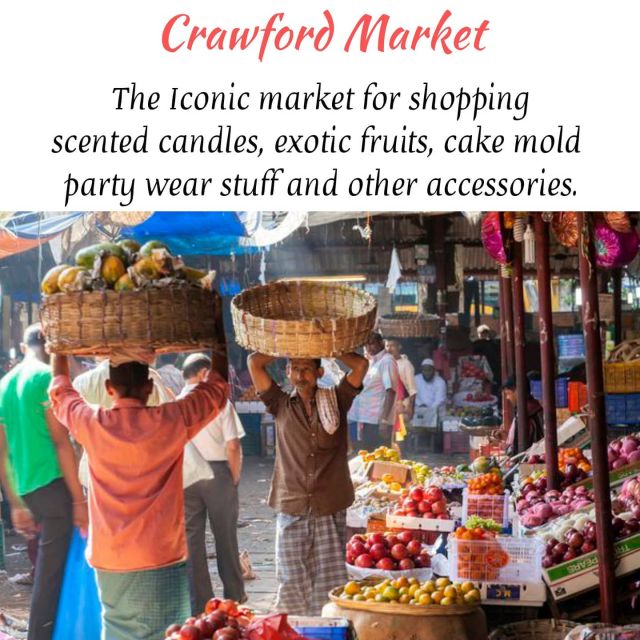
Crawford Market is one of the anchors here, and it has a shop-mix that’s easy to understand at a glance. It’s known for practical things to bring home—scented candles, exotic fruits, and party-wear accessories. The list is oddly specific, which is a good sign: this is not a generic stop where everything is the same as every other stall. It’s a market with its own personality.
A few blocks in spirit (and in shopping focus), Mangaldas Market is about fabrics and clothes. If you’ve ever wanted to see how textile culture shows up in everyday buying—materials, patterns, and the sheer variety—this is the type of stop you’ll notice immediately. The Mangaldas emphasis also explains why some guests call out patience during the textile portion. Fabric shopping takes time, especially when you’re comparing lots of similar items side by side.
The potential catch: if you’re not interested in textiles, you might find that section feels longer than you want. My advice is to decide in advance what you’re willing to look at deeply—candles and fruit at Crawford, then cloth at Mangaldas—and let the rest of the route be your viewing time. That keeps the day from turning into wandering with no plan.
From Crawford Market to Chor Bazaar, more lanes to walk


Spice Market: how to shop smarter when every stall sells the same idea

Spice Market is one of the most clearly defined stops in the day. It’s tied to fresh produce and a wide range of spices, with examples that make it easy to picture what you’ll see: cumin, coriander, turmeric, and cardamom.
This kind of market stop is valuable even if you don’t plan to cook much at home. First, you’ll learn what spices actually look like in bulk—whole vs. ground, bright powders vs. aromatic seeds. Second, you’ll understand why pricing and quality matter here. In markets, you can’t judge by color alone, so tasting descriptions, vendor know-how, and how you pack what you buy become part of the experience.
One thing I’d keep in mind: spice shopping can be intense. You’ll likely be surrounded by people actively buying and bargaining, and the air can be strong. If you want a calmer pace, use the guide time to ask quick questions and pick one or two spices you can clearly identify rather than trying to collect everything.
Jewelry Market and Flower Market: choose based on your energy level
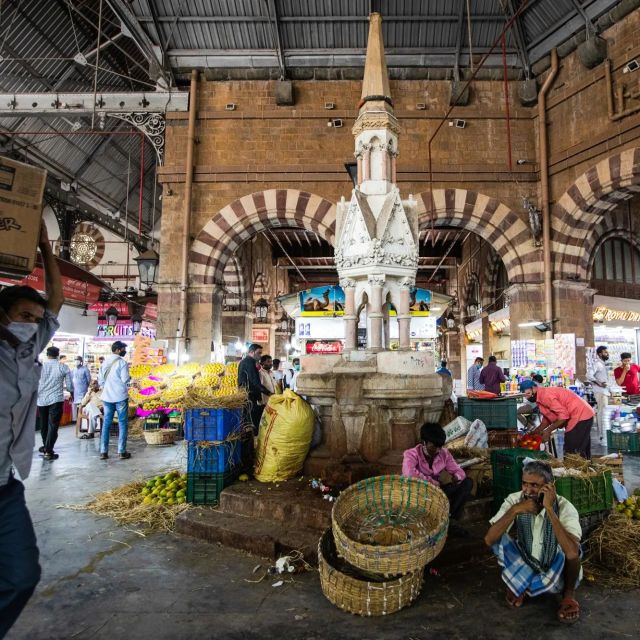
Jewelry Market is described as one of the oldest and busiest hubs in Mumbai, and the focus is broad: gold, silver, and diamond jewelry, plus precious and semi-precious stones. This is the stop where the atmosphere can feel the most sales-driven. Even if you’re just browsing, you’ll be pulled into the logic of comparison—styles, weights, and the shine factor that makes prices feel like they swing fast.
If you don’t love jewelry, you can still enjoy this as a cultural observation. Notice how vendors talk through options, how customers react to details, and how the market moves. It’s a different kind of learning than temples or colonial buildings. It’s about how value is presented and negotiated in a very public way.
Then you switch gears with Flower Market, which is described as the largest flower market in Mumbai and famous for colorful blooms. You’ll see marigolds, roses, lilies, and orchids. Even better, this is one of the stops where the “experience” can be visual first, purchase second. If you’re tired of shopping decisions, flowers let you slow down without committing to a big buy.
My practical tip: if you plan to buy anything from flowers or spices, think about how you’ll carry it comfortably after the tour. The day is built around walking, so comfort matters.
Jama Masjid, Mumba Devi Temple, and Madhav Baugh: religious stops in a market day
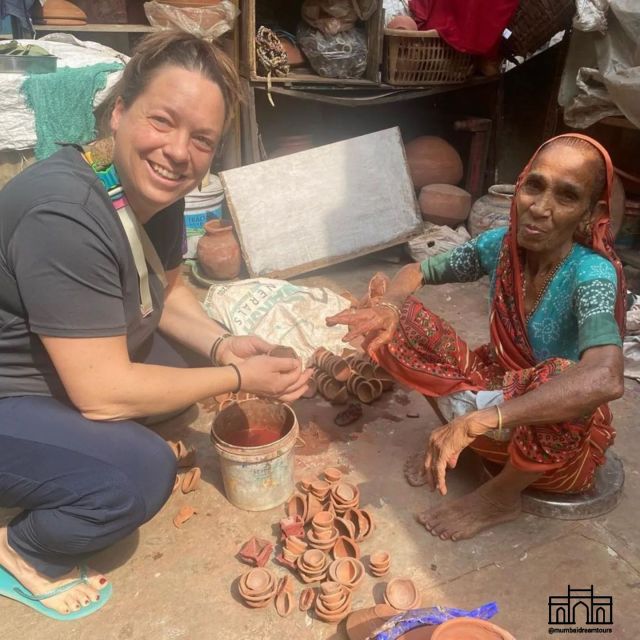
The tour includes Jama Masjid, Mumba Devi Temple, and Madhav Baugh, and the overall concept is that colonial buildings, temples, and mosques sit alongside market streets. That mix is exactly why this itinerary feels like Mumbai rather than a theme park.
Religious sites in the middle of markets also change the tone of the day. Instead of only chasing products, you get a reminder that these streets are not staged. They’re used. People live their faith and daily life in the same geography, and the tour’s value is in helping you notice those overlaps.
That said, here’s the real consideration. Some guests felt the cultural portion didn’t get enough time compared with store stops, and at least one concern was that the day felt more like shopping than a market-and-sights walk. If your top priority is the religious visits, treat this as a “markets plus selected sights” tour, not a structured sightseeing replacement.
When I judge tours like this, I look for balance: do you get real time at the named sights, or is it mostly passing by them? If that balance matters to you, ask how the schedule typically plays out for your guide.
- Dharavi slum tour in Mumbai by Female tour guides of the slum
★ 5.0 · 1,976 reviews - Mumbai: Full-Day Sightseeing Tour of Mumbai
★ 4.9 · 1,822 reviews - Private Mumbai Sightseeing Tour (Traveller’s Choice Award Winner)
★ 5.0 · 1,565 reviews - Group Guided Walking Tour in Fort and Colaba
★ 5.0 · 1,073 reviews - Highlights of Mumbai Sightseeing Tour: TRAVELLERS CHOICE AWARDED
★ 5.0 · 915 reviews - Private Guided Walking Tour in Fort & Colaba
★ 5.0 · 895 reviews
The guide matters: bargaining lessons, pace, and the “real insight” effect
A market tour lives or dies by the guide. The best versions do three things at once: explain what you’re seeing, help you handle the social pace, and keep the day moving without steamrolling you into purchases.
From the strongest feedback, guides like Kieran and Dinesh earned praise for bringing real insight into market life and for being patient during the textile stop. Another high point is how some guides help with bargaining—not just telling you to bargain, but teaching you how to do it while staying respectful and practical. That’s a big deal for value, because it changes you from a passive buyer into someone who can ask, compare, and decide.
Pace also shows up in the positive notes. One person described the pace as relaxing, which matters because markets can drain you fast—sound, crowds, and decision fatigue. If your guide keeps breaks and transitions in check, you’ll feel like you’re watching the city, not just getting hustled through it.
The other side: if your guide strongly pushes specific shops early, you could end up feeling like the tour is a shopping route with limited storytelling. My advice is simple: if you want a culture-and-markets day, ask early how much time you’ll spend simply walking the market lanes and how much is devoted to specific stores. You’ll quickly see whether the guide’s style matches what you want.
Price and value: what $23 buys in Mumbai’s market world
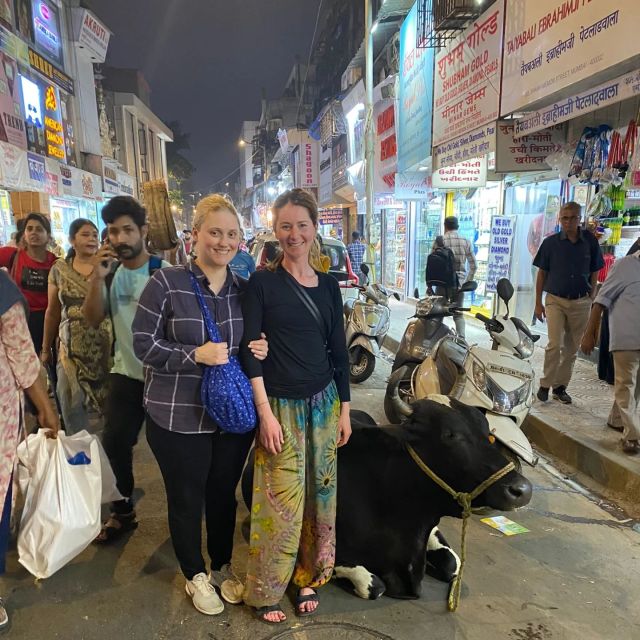
At $23 per person, this is positioned as good value if your goal is to see multiple major markets in one day and get help navigating the noise. The included list matters here. You’re not only getting one market. You’re getting a chain: Crawford Market, Mangaldas Market, a spice stop, Jewelry Market, Flower Market, plus named religious sites like Jama Masjid and Mumba Devi Temple.
That matters because entry fees aren’t the point in markets. The value is in choosing the right places and having someone translate the flow of the day. For $23, you’re paying for guidance through busy areas, not for luxury. So the “worth it” question becomes: will you actually enjoy the market style and do you want access to bargaining know-how?
If you’re hoping for a calm, mostly historical walking tour with minimal shopping emphasis, then value drops. A lower price can still feel expensive if the experience doesn’t match your expectation. Balance that by thinking ahead: are you here to buy a few items, or are you here to look and learn? This tour can do both, but some guests wanted more cultural emphasis than they felt they got.
Who this tour suits best (and who should reconsider)
This tour is best for you if you like practical travel: walking, watching, asking questions, and using markets as your lens on daily life. You’ll likely enjoy it if you want to compare different market “specialties” without planning your own route across South Mumbai.
It’s also a good fit if you’re curious about what people actually buy—spices, flowers, textiles, accessories—because the stops are clearly focused on those categories. And if you want bargaining help, a guide like Kieran or Dinesh is exactly the kind of support that can make the experience smoother and cheaper.
You might reconsider if you want a highly structured cultural tour where religious sites are the star and shopping is secondary. One concern raised was that the day could feel like shop stops rather than a deep walk through markets with strong temple time. If that’s your preference, you’ll want to check how the day balances browsing, shopping, and the religious stops.
Should you book the Mumbai Market Tour?
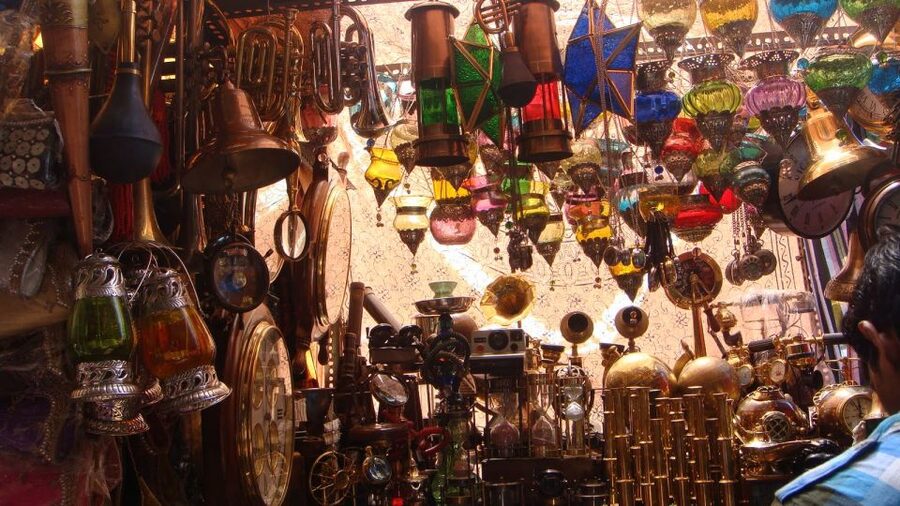
Book it if you want a South Mumbai market day with major stops—Crawford, Mangaldas, spices, jewelry, flowers—and you’re open to the fact that markets come with buying energy. At $23, it’s a sensible choice when you also want a guide who can help you read the scene and handle bargaining.
Skip or choose carefully if you’re only interested in sightseeing and cultural time at temples and mosques, with minimal shopping. If that’s you, ask upfront how the schedule typically balances market walking versus store visits, and whether you’ll actually get meaningful time at Jama Masjid, Mumba Devi Temple, and Madhav Baugh.
Either way, go in with a light plan: decide what you’re willing to buy (spices, textiles, flowers, or jewelry), and treat the rest as a look at how Mumbai spends its days.
FAQ
What does the Mumbai Market Tour cost?
The price is $23 per person.
What language is the tour offered in?
The tour is offered in English.
What markets and sights are included?
Included stops are Crawford Market, Mangaldas Market, a Spice Market, Jewelry Market, Flower Market, Jama Masjid, Mumba Devi Temple, and Madhav Baugh.
Is there a reserve and pay later option?
Yes. You can reserve your spot and pay nothing today.
How late can I cancel for a full refund?
You can cancel up to 24 hours in advance for a full refund.
Where is this tour located?
It takes place in South Mumbai, Maharashtra, India.
More Mumbai, Every Kind of Day
- Dharavi slum tour in Mumbai by Female tour guides of the slum
★ 5.0 · 1,976 reviews - Mumbai: Full-Day Sightseeing Tour of Mumbai
★ 4.9 · 1,822 reviews - Private Mumbai Sightseeing Tour (Traveller’s Choice Award Winner)
★ 5.0 · 1,565 reviews - Elephanta Caves & Island Guided Private Tour
★ 5.0 · 1,327 reviews
Deeper into the Bazaars
- Mumbai: Street Food and Night Markets Tour
★ 4.9 · 719 reviews - Mumbai Morning Market Tour of Flowers, Fish, and More
★ 5.0 · 100 reviews - Mumbai Morning Market Tour of Flowers, Fish, and More
★ 5.0 · 82 reviews - Mumbai Street Food Tour with Evening Bazaar Walk
★ 4.9 · 79 reviews
New on the Mumbai shortlist


Bazaar & Market Walks, compared.
 ★ 4.9Street Food and Night Markets TourFrom $13719 reviews
 ★ 5.0Mumbai Morning Market Tour of Flowers, Fish, and MoreFrom $19100 reviews
★ 5.0Mumbai Morning Market Tour of Flowers, Fish, and MoreFrom $2082 reviews
★ 5.0Mumbai Morning Market Tour of Flowers, Fish, and MoreFrom $19100 reviews
★ 5.0Mumbai Morning Market Tour of Flowers, Fish, and MoreFrom $2082 reviews
 ★ 4.9Mumbai Street Food Tour with Evening Bazaar WalkFrom $1379 reviews
 ★ 5.0Mumbai Markets and Temples TourFrom $2759 reviews
 ★ 5.0Mumbai Street Food & Bazaar Tour with Local TransportFrom $2151 reviews
 ★ 4.6Local Markets & Temples TourFrom $2745 reviews
 ★ 4.4Vibrant Markets of Mumbai (2 Hours Guided Walking Tour)From $1444 reviews
Browse the lists this tour appears in