
Review · BAZAAR & MARKET WALKS
Mumbai: Magical Markets Tour
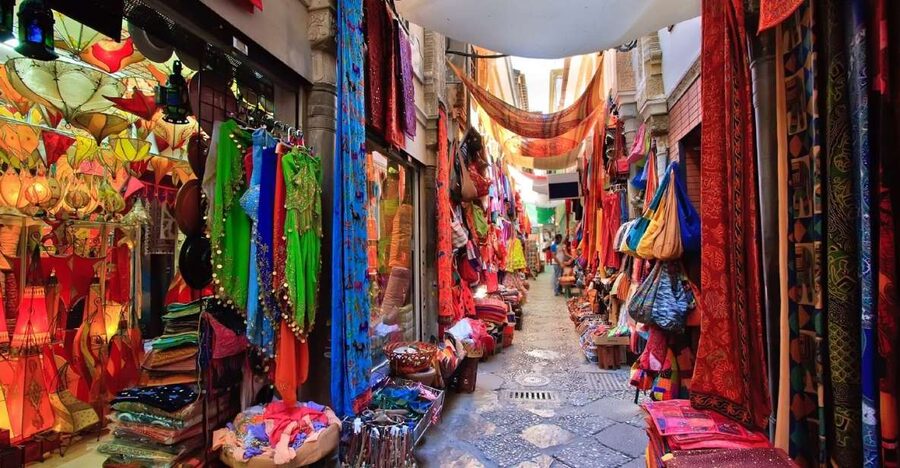
Mumbai markets can change your whole afternoon fast. On this walk with an English and Hindi guide, I like how you move from temple stops like Shri Swaminarayan Mandir Vadtal to Zaveri Bazaar, one of the city’s best places to see how everyday Mumbai works.
My second favorite part was the break for clay-cup masala chai and watching gold and stone sellers up close, then ending at Crawford Market for snacks like imported cheese and homemade chocolate. The main consideration: this is a walking tour through crowded lanes, so bring comfortable shoes and expect some temples to limit photos.
In This Review
- Key things that make this tour work
- A 2-hour loop through Mumbai’s oldest market lanes
- Meeting at Cafe Coffee Day near Noor Fort and keeping the pace
- Shri Swaminarayan Mandir Vadtal: a calm start with a big city connection
- Bhuleshwar Market: produce, pooja supplies, and imitation jewelry
- Mumba Devi Temple: why Mumbai got its name
- Zaveri Bazaar and Kalbadevi: jewelry glitter with real street sense
- Chor Bazaar and Mangaldas: antiques, furniture, and silk from 1893
- Crawford Market: Romanesque-and-Gothic architecture plus food you can snack on
- Masala chai in a clay cup, plus cash and temple photo rules
- The guide factor: how Nisar’s style elevates the walk
- Price and what’s included for $18
- Who this is best for (and when to skip)
- Should you book Magical Mumbai Markets Tour?
- FAQ
- How long is the Mumbai Magical Markets Tour?
- Where do I meet the tour?
- What languages does the guide speak?
- Is this tour private?
- What should I bring or wear?
- Is the tour wheelchair accessible?
- Do I need to worry about rain or photography in temples?
- What is the cancellation policy?
Key things that make this tour work
- Oldest market streets with a human guide instead of wandering blind
- Bhuleshwar Market variety, from produce to pooja items and accessories
- Zaveri Bazaar jewelry market focus with sights that are hard to find on your own
- Chor Bazaar antiques plus Mangaldas silk/cloth for a real mix of trade
- Masala chai in a clay cup as a small pause you’ll actually enjoy
- Crawford Market architecture and food to finish the loop on a high note
A 2-hour loop through Mumbai’s oldest market lanes
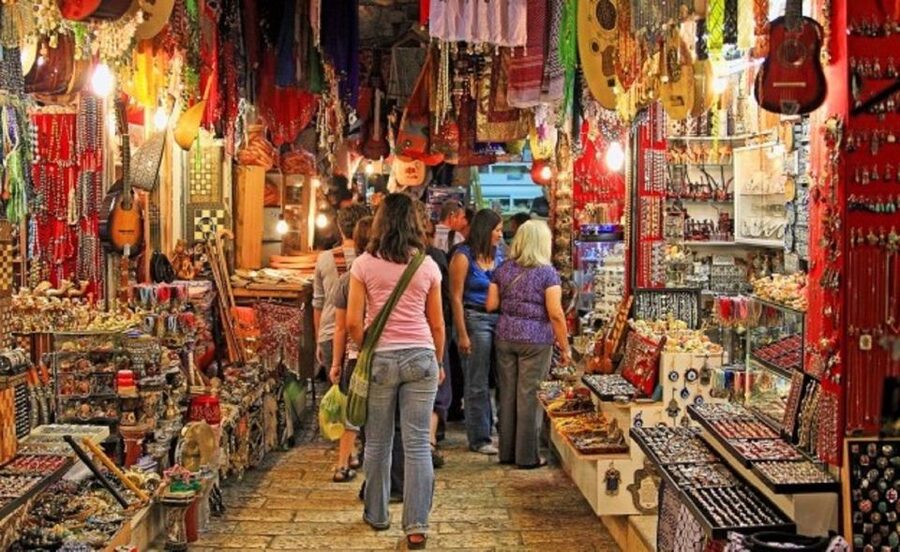
This tour is short on paper and busy in real life—in a good way. In just two hours, you get a guided walk that ties together worship spots, food smells, and the trade counters that keep Mumbai running.
I like that the route doesn’t treat markets like one big blur. Instead, you shift settings several times: temple quiet, then shopping lanes, then jewelry gleam, then antiques, and finally Crawford Market’s market hall energy and food stalls.
Meeting at Cafe Coffee Day near Noor Fort and keeping the pace
You start at Café Coffee Day at VT Capital Cinema Building, Noor Fort, Mumbai. It’s an easy landmark, and it helps you avoid the common travel problem of arriving late and missing the first streets.
Because it’s a walking tour, your comfort matters. You’ll be on sidewalks and through shopfront crowds, and the tour runs rain or shine, so dress like you might get damp and bring sunscreen if it’s sunny.
From Crawford Market to Chor Bazaar, more lanes to walk


Shri Swaminarayan Mandir Vadtal: a calm start with a big city connection
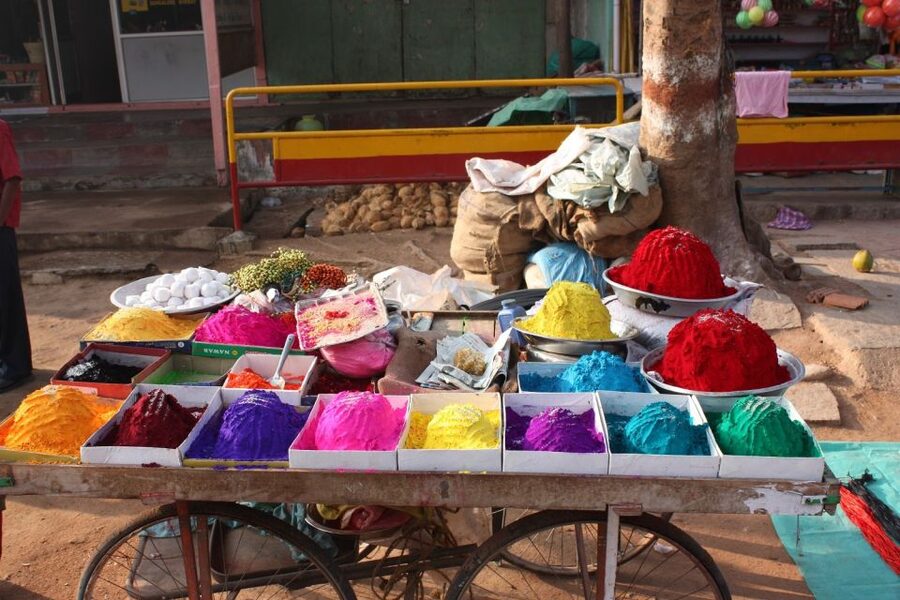
The walk begins at Shri Swaminarayan Mandir Vadtal, described as the headquarters of the Shri Laxmi-Narayan Dev Gadi. Starting here changes the tone fast. Before you hit the commercial chaos, you get context for the spiritual side of daily life around the markets.
Even if you’re not a temple person, this first stop helps you read the rest of the area. You’ll notice how religious items, rituals, and community spaces sit right alongside commerce.
Bhuleshwar Market: produce, pooja supplies, and imitation jewelry
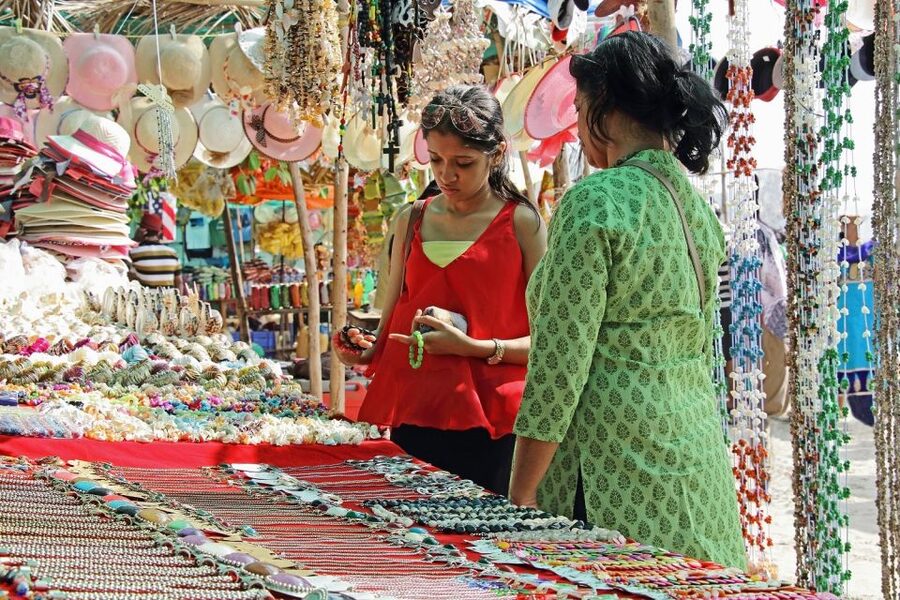
Next you head into Bhuleshwar Market, a place where a single street can cover multiple shopping needs. Expect a dense mix: fruits and vegetables, imitation jewelry, religious and pooja items, rose petals, household goods, and cloth accessories.
This is one of the best parts of the experience because you don’t just see products—you learn what people come for. With a guide at your side, you’re less likely to get stuck staring at the loudest signs and more likely to spot the smaller “purpose-built” stalls.
A practical note: some shops accept cash only, so keep small bills and coins handy. Also, if you don’t want to get swept into sales talk, just be clear about browsing.
Mumba Devi Temple: why Mumbai got its name
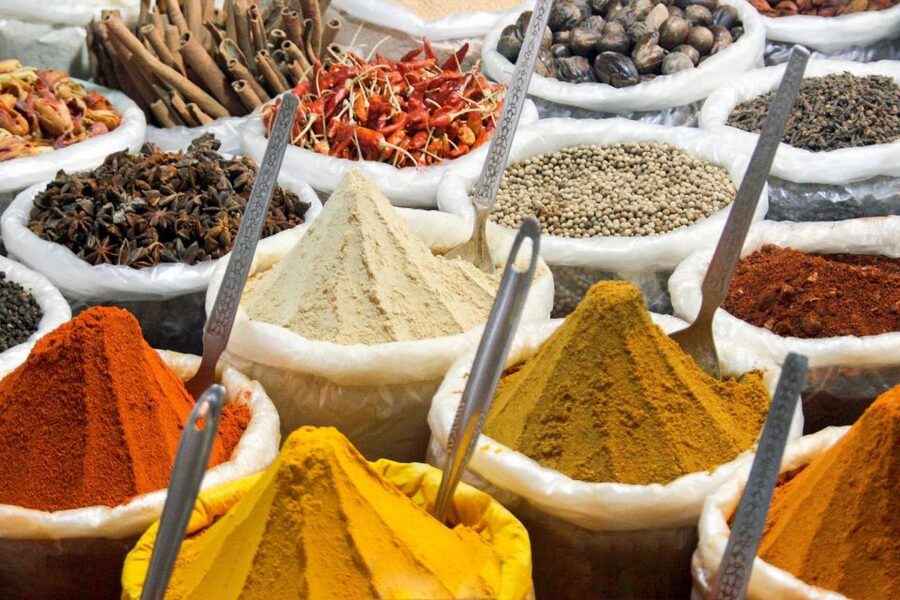
After the market lanes, you visit Mumba Devi Temple, the stop tied to how the city got its name. This is the kind of detail you’d miss if you’re only using a phone map and shopping list.
It also gives you a useful reset point. Markets can be loud and fast; temple pauses help you slow down and take in the streets with fresh eyes.
- Dharavi slum tour in Mumbai by Female tour guides of the slum
★ 5.0 · 1,976 reviews - Mumbai: Full-Day Sightseeing Tour of Mumbai
★ 4.9 · 1,822 reviews - Private Mumbai Sightseeing Tour (Traveller’s Choice Award Winner)
★ 5.0 · 1,565 reviews - Group Guided Walking Tour in Fort and Colaba
★ 5.0 · 1,073 reviews - Highlights of Mumbai Sightseeing Tour: TRAVELLERS CHOICE AWARDED
★ 5.0 · 915 reviews - Private Guided Walking Tour in Fort & Colaba
★ 5.0 · 895 reviews
Zaveri Bazaar and Kalbadevi: jewelry glitter with real street sense
Then comes Zaveri Bazaar, called the largest jewelry market in Mumbai. This part is visually intense in the best way: sparkling ornaments, gold displays, and lots of stones that catch light from every angle.
You’ll also pass through Kalbadevi streets, which keeps the experience grounded in the neighborhood feel rather than turning it into a single showroom stop. The guide’s role matters here. Jewelry markets can be confusing if you don’t know what to look for, and you’ll get a smoother read on what’s happening where.
I’ve also found these stops are where you should decide your mindset. If you’re hoping for pure window-shopping, your job is easy: browse slowly and ask about materials. If you’re tempted to buy, go in ready for negotiation energy and protect your budget.
Chor Bazaar and Mangaldas: antiques, furniture, and silk from 1893
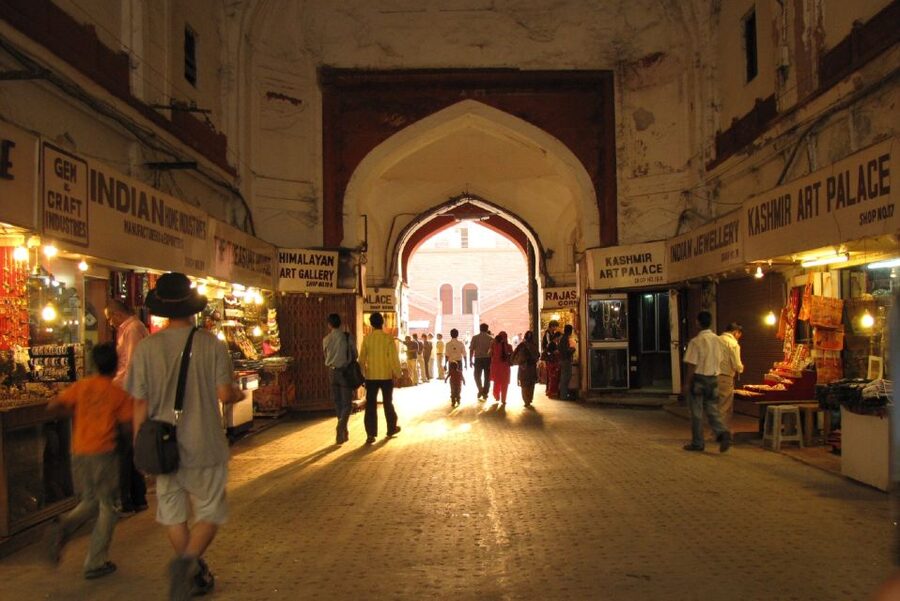
Next you head to Chor Bazaar, famous for antiques and furniture. This is where the tour feels like it’s showing you a different Mumbai identity—one that’s less about shine and more about character objects with past lives.
Then you move to Mangaldas Market, which opened in 1893 and is known for silk and cloth. The transition from antiques to textiles is smart. It keeps you from repeating the same shopping visuals and gives you a fuller sense of what these markets actually supply.
If you’re the type who likes to look at materials—fabric texture, tailoring habits, and how cloth is shown—this is a great section to slow down. If you’re short on patience, you’ll still get value, but focus on understanding the lanes rather than trying to shop everything.
Crawford Market: Romanesque-and-Gothic architecture plus food you can snack on
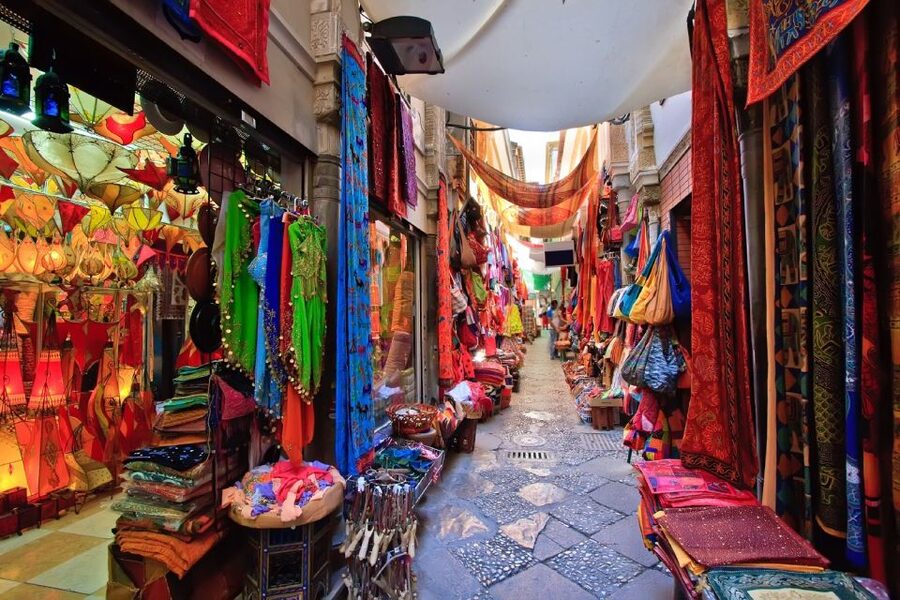
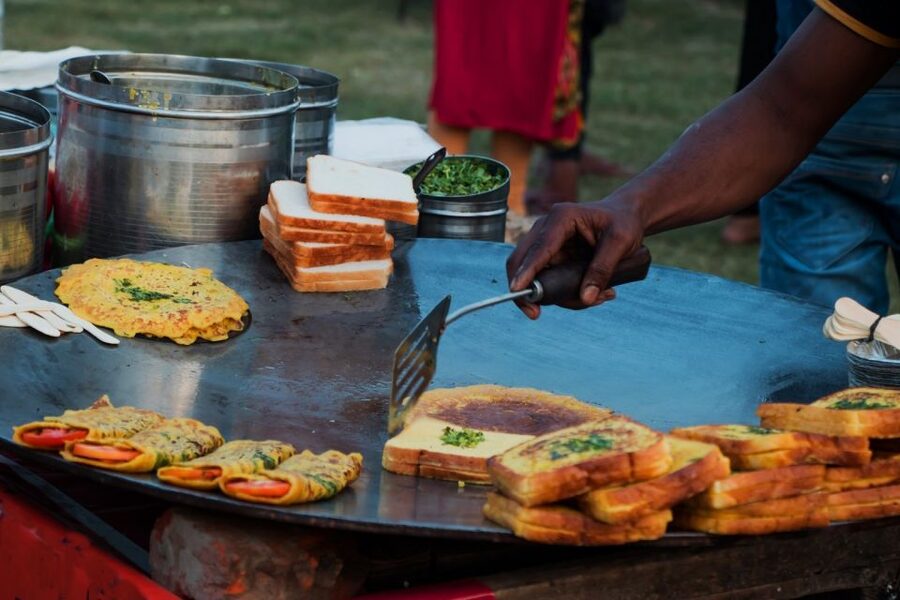
The final market stop is Crawford Market, a major one in South Mumbai. You’ll see its Gothic and Romanesque architectural style while browsing stalls like fruits and vegetables, imported cheese, and homemade chocolate.
This is a good ending because it ties your shopping walk to something you can taste. Even if you don’t buy anything big, it’s satisfying to finish with food sights and smells instead of just more displays.
And because it’s the last stop, you also get a natural moment to check how you’re doing physically. If crowds get intense, you’re close to the wrap-up.
Masala chai in a clay cup, plus cash and temple photo rules
One highlight is stopping for masala chai in a clay cup. It’s not just a drink—it’s a reset button that makes the walk feel like a local rhythm instead of a checklist.
To keep things smooth:
- Wear comfortable shoes. This tour doesn’t do soft landings.
- Sunglasses, a sun hat, and sunscreen are worth it when the light hits the open market sections.
- Expect photo restrictions inside temples, so don’t assume every corner is camera-friendly.
- Keep in mind that some shops prefer cash, so plan ahead.
The guide factor: how Nisar’s style elevates the walk
The experience depends heavily on the guide, and that’s where real value shows up. In the feedback I saw, Nisar gets singled out for being friendly, organized, and careful. One person noted he made the market tour feel well explained across multiple stops, and another appreciated how he looked after them and stayed available until their driver arrived.
That’s the kind of help that matters most on market walks. Markets aren’t just sights—they’re social spaces with local pacing. A good guide helps you move at the right speed, ask better questions, and avoid getting stuck in the wrong lane.
Still, it’s wise to set expectations before you start. If you don’t want added shopping stops or sales pressure, tell your guide what you prefer. One mismatch was reported where the tour didn’t feel aligned with what people expected, and the session ended early when the group made it clear they didn’t want to buy. Clear signals from the start can prevent that kind of friction.
Price and what’s included for $18
At $18 per person for about 2 hours, this tour is priced like a value walk—especially because you’re not just seeing markets. You’re getting a trained guide who speaks English and Hindi, plus access to market lanes and recommendations built for what you’re standing in.
What you should plan for:
- Water bottle isn’t included, so bring your own or buy nearby.
- Personal expenses aren’t included, meaning purchases are on you.
- Hotel pickup and drop-off aren’t included, so you’ll need to reach the meeting point under your own steam.
I think this price makes sense if you want a guided route and don’t want to spend hours “trying to find the good bits” yourself. If you already know exactly where you’re going and what you want to buy, you might not need a guide for the same level of value. But if you want the city context and the lane-reading help, $18 goes further than you’d expect.
Who this is best for (and when to skip)
This tour fits well if you:
- enjoy walking and want a concentrated market experience
- want a guided mix of temples + shopping lanes
- like trade categories you can see instantly, like jewelry, antiques, textiles, and market food
It may not fit if you:
- are sensitive to crowded spaces
- need step-free routes, since it’s not suitable for wheelchair users
- are pregnant, since the walking and market density are part of the experience
Also, the tour asks you to leave luggage or large bags behind. Bring only what you can comfortably carry—small daypack or crossbody is the safe bet.
Should you book Magical Mumbai Markets Tour?
If you want a quick, guided way to see multiple sides of Mumbai—religious landmarks, neighborhood market trading, and major shopping areas—this is a strong pick for the time and cost. The chai break, the jewelry-market contrast, and the finish at Crawford Market make it feel like more than a generic stroll.
I’d book it when you’re okay with walking and you can handle cash-only shops and temple photo limits. If you don’t want any sales pressure, message your preferences right away so your guide can steer the experience toward browsing and explanation, not buying.
FAQ
How long is the Mumbai Magical Markets Tour?
It lasts 2 hours.
Where do I meet the tour?
Meet at Café Coffee Day, VT Capital Cinema Building, Noor Fort, Mumbai.
What languages does the guide speak?
The guide speaks English and Hindi.
Is this tour private?
Yes, it’s listed as a private group.
What should I bring or wear?
Bring comfortable shoes, sunglasses, a sun hat, and sunscreen.
Is the tour wheelchair accessible?
No. It’s not suitable for wheelchair users.
Do I need to worry about rain or photography in temples?
The tour operates rain or shine, and photography may be restricted inside temples.
What is the cancellation policy?
You can cancel up to 24 hours in advance for a full refund.
More Mumbai, Every Kind of Day
- Dharavi slum tour in Mumbai by Female tour guides of the slum
★ 5.0 · 1,976 reviews - Mumbai: Full-Day Sightseeing Tour of Mumbai
★ 4.9 · 1,822 reviews - Private Mumbai Sightseeing Tour (Traveller’s Choice Award Winner)
★ 5.0 · 1,565 reviews - Elephanta Caves & Island Guided Private Tour
★ 5.0 · 1,327 reviews
Deeper into the Bazaars
- Mumbai: Street Food and Night Markets Tour
★ 4.9 · 719 reviews - Mumbai Morning Market Tour of Flowers, Fish, and More
★ 5.0 · 100 reviews - Mumbai Morning Market Tour of Flowers, Fish, and More
★ 5.0 · 82 reviews - Mumbai Street Food Tour with Evening Bazaar Walk
★ 4.9 · 79 reviews
New on the Mumbai shortlist



Bazaar & Market Walks, compared.
 ★ 4.9Street Food and Night Markets TourFrom $13719 reviews
 ★ 5.0Mumbai Morning Market Tour of Flowers, Fish, and MoreFrom $19100 reviews
★ 5.0Mumbai Morning Market Tour of Flowers, Fish, and MoreFrom $2082 reviews
★ 5.0Mumbai Morning Market Tour of Flowers, Fish, and MoreFrom $19100 reviews
★ 5.0Mumbai Morning Market Tour of Flowers, Fish, and MoreFrom $2082 reviews
 ★ 4.9Mumbai Street Food Tour with Evening Bazaar WalkFrom $1379 reviews
 ★ 5.0Mumbai Markets and Temples TourFrom $2759 reviews
 ★ 5.0Mumbai Street Food & Bazaar Tour with Local TransportFrom $2151 reviews
 ★ 4.6Local Markets & Temples TourFrom $2745 reviews
 ★ 4.4Vibrant Markets of Mumbai (2 Hours Guided Walking Tour)From $1444 reviews
Browse the lists this tour appears in