
Review · BAZAAR & MARKET WALKS
Magical Markets Tour in Mumbai with a local
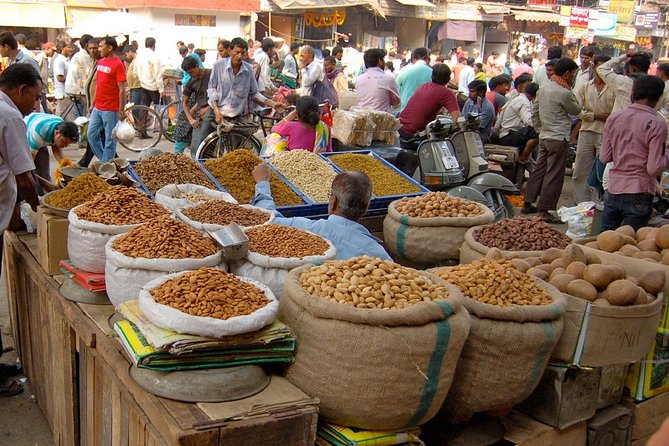
Shopping in Mumbai can feel like sensory overload. This tour turns that chaos into useful shopping and clear city stories.
I especially like that you get practical guidance on what to look for, not just a walk-through of stalls. And I like the mix of markets plus a stop at Mumba Devi Temple, so it’s not only shopping. One thing to plan for: the route is outdoors and you’ll be moving through narrow lanes, so heat or rain can make a difference—dress for the weather.
With a small group (max 15) and a friendly, trained guide from Yo Tours, you’re not stuck with a huge crowd. It’s also priced low enough that you can afford to buy a couple of things without sweating the math. The “2 hours” format is great—just don’t expect a slow, wandering day.
In This Review
- The Point of a Market Tour in Mumbai: Learn How to Shop
- Picking Morning vs Evening for Maximum Comfort
- Meeting at Shree Swaminarayan Mandir and Getting Oriented Fast
- Bhuleshwar Market Lanes: A Dense Mix of Practical Finds
- Mumba Devi Temple: Why Mumbai’s Name Lives in Plain Sight
- Zaveri Bazaar and Kalbadevi: Jewelry and Street-Scale History
- Chor Bazaar and the Flower Alley: Antiques Meet Petals
- Mangaldas Market Since 1893: Silk, Tailors, and Textile Shopping Smarts
- Crawford Market (Open Since 1871): Produce, Cheese, and Chocolate
- The Guide Factor: Friendly Storytelling and Nasir-Level Help
- Shopping Tips That Keep You From Getting Rushed
- Price and Value: Why $12.44 Can Make Sense Here
- Who This Tour Fits Best (and Who Should Skip It)
- Should You Book the Magical Markets Tour in Mumbai?
- FAQ
- How long is the Magical Markets Tour in Mumbai?
- Where does the tour start?
- What’s included in the tour?
- What markets and sights are part of the route?
- What group size is the tour limited to?
- What is the cancellation policy?
The Point of a Market Tour in Mumbai: Learn How to Shop
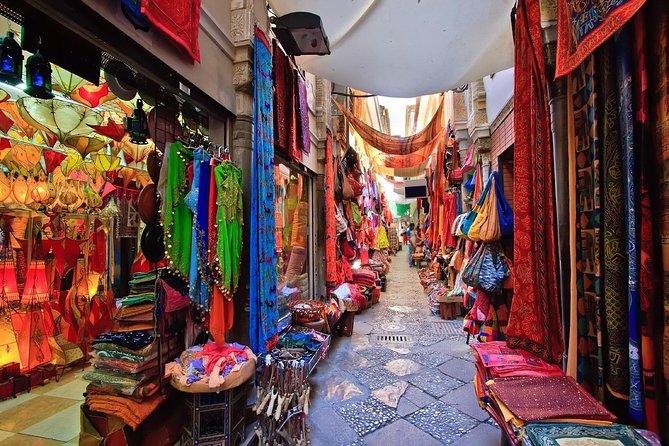
Mumbai markets are where you see daily life up close: people buying flowers, vegetables, spices, textiles, pooja items, and jewelry in one tight network of streets. This tour gives you a focused way to experience that world—while still sounding like a real city guide and not a script.
At $12.44 per person for about 2 hours, the value is in the guidance. You’re paying for someone who can point out what’s where, explain what the items mean locally, and help you shop with fewer mistakes. You’ll also get a chance to hear stories tied to the places you pass, plus conversations that connect local art and craft to everyday purchases.
The pacing is steady, too. You’ll stroll through several market areas rather than spending all your time in one place. That makes it a good first taste of Mumbai’s shopping lanes, especially if you’re short on time.
Picking Morning vs Evening for Maximum Comfort
You can choose a morning or evening departure, which matters in Mumbai. Morning is often easier for walking when the air feels less intense. Evening can be more pleasant for temperature, but it may also mean heavier foot traffic depending on the day.
Either way, wear comfortable shoes with grip. The lanes you’ll walk through can be tight and uneven, and you’ll be stopping often. And don’t treat clothing like a detail—dress according to the weather. If you’re visiting between October and March, bring a scarf or jacket if you feel cold. In rainy or stormy periods, an umbrella can save your tour day.
This is a 2-hour experience, so you’ll feel every minute. If you time it well and dress right, it feels like a fast, satisfying hit of Mumbai street culture.
Meeting at Shree Swaminarayan Mandir and Getting Oriented Fast
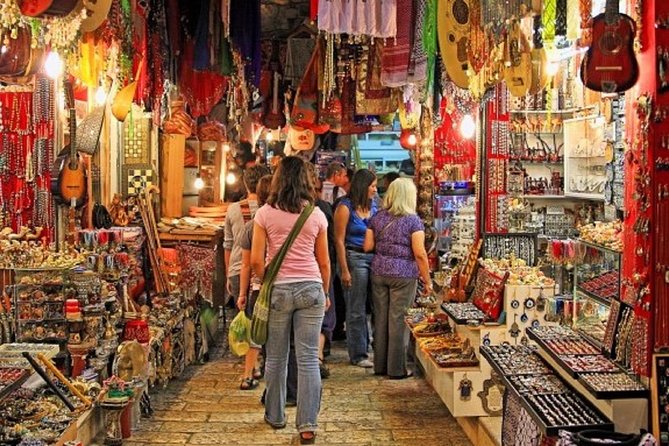
Your tour starts at Shree Swaminarayan Mandir (Vadtal Gadi) on Kika St near Charni Road East—right in the Charni Road / Bhuleshwar area. Ending back at the meeting point keeps things simple: no complicated transfers at the end.
The first stop is the Shri Swaminarayan Mandir, and that’s not just a random starting landmark. It helps you get your bearings. Before you head into the markets, you’ve got a cultural anchor—so later, when you see pooja supplies, religious items, and flower offerings, the connection feels clearer.
Your guide is a friendly storyteller trained by Yo Tours. The experience includes conversation-led exploration of local art and craft, plus a chance to learn various craft work. Even if you’re not planning to buy crafts, this part helps you read what you’re seeing instead of just passing it by.
From Crawford Market to Chor Bazaar, more lanes to walk


Bhuleshwar Market Lanes: A Dense Mix of Practical Finds
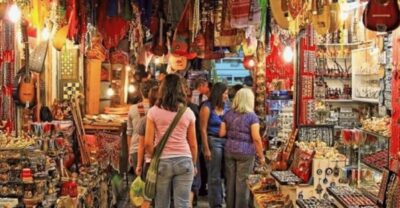
Bhuleshwar Market is the kind of place where you realize Mumbai does everything at street level. You’ll wander through small, dingy lanes packed with shops and stalls. The variety is the point.
Here, you might spot:
- Fruits and vegetables
- Flowers and rose petals
- Spices
- Religious and pooja items
- Home items
- Fabric accessories
- Textiles and other everyday necessities
- Fake jewelry (yes, it’s a known thing here)
- Fabric-adjacent accessories that make good gifts
A lot of people come to markets for the big-ticket shopping (like jewelry). But I like Bhuleshwar because it shows the “daily supply chain.” If you’re shopping for experiences—like cooking spices, gifting flower-themed items, or grabbing small household goods—this stop is often where you find the best range.
One drawback: because it’s so full and lane-like, it’s easy to lose your sense of direction if you try to go off on your own. Stick close to your guide early on. Once you understand the layout, you can browse more confidently.
Mumba Devi Temple: Why Mumbai’s Name Lives in Plain Sight
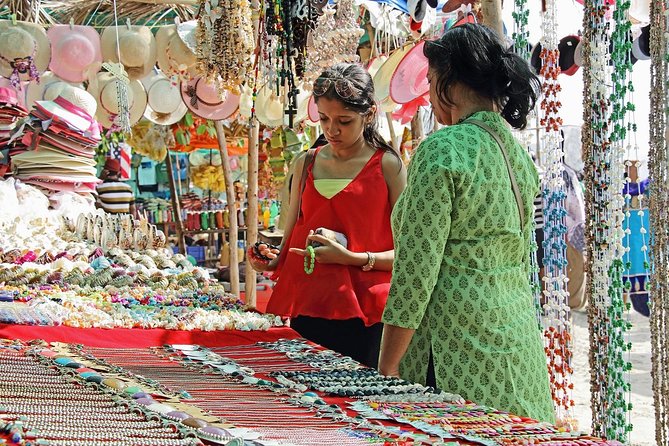
Next comes a temple stop: Mumba Devi Temple. This matters because the city’s name is tied to the Goddess Mumbadevi. It’s not just a photo stop. It’s a cultural thread that helps you connect what you’ll see in the markets—flowers, pooja items, and religious offerings—to a living local tradition.
Temple stops also change your pace. You’re not shopping for a few moments, and that gives your brain a break from constant price-checking and sensory input. You’ll come away with a clearer sense of how religion shows up in everyday buying.
Bring respectful behavior here. Keep your movement calm, follow what your guide says, and be mindful of worship space. In a market-heavy tour, this stop gives meaning to the shopping around it.
Zaveri Bazaar and Kalbadevi: Jewelry and Street-Scale History
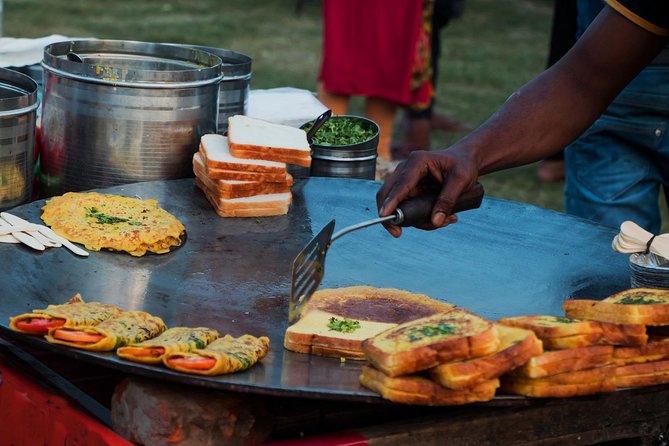
Zaveri Bazaar is Mumbai’s largest jewelry market, and it shows. You’ll see ornate ornamentation and stores filled with gold and glittering stones. If you’ve ever wanted to understand how serious the jewelry culture is here, this is where you feel it.
The tour then moves through Kalbadevi’s streets and alleys. Kalbadevi is strongly linked with shopping traditions, and it’s where you’ll get the sense that jewelry isn’t just a purchase—it’s part of a whole neighborhood routine.
What I like about this segment is the contrast. You start with the temple and pooja associations, then you move into luxury goods and craftsmanship. Even if you don’t buy gold, watching the variety of styles and the way shops present materials helps you learn what to ask for if you do plan to buy jewelry.
Practical note: jewelry shopping can lead to fast decision-making, because it’s easy to get pulled into “one more shop.” Let your guide help you set a rhythm—view, ask questions, compare, and only then commit.
- Dharavi slum tour in Mumbai by Female tour guides of the slum
★ 5.0 · 1,976 reviews - Mumbai: Full-Day Sightseeing Tour of Mumbai
★ 4.9 · 1,822 reviews - Private Mumbai Sightseeing Tour (Traveller’s Choice Award Winner)
★ 5.0 · 1,565 reviews - Group Guided Walking Tour in Fort and Colaba
★ 5.0 · 1,073 reviews - Highlights of Mumbai Sightseeing Tour: TRAVELLERS CHOICE AWARDED
★ 5.0 · 915 reviews - Private Guided Walking Tour in Fort & Colaba
★ 5.0 · 895 reviews
Chor Bazaar and the Flower Alley: Antiques Meet Petals
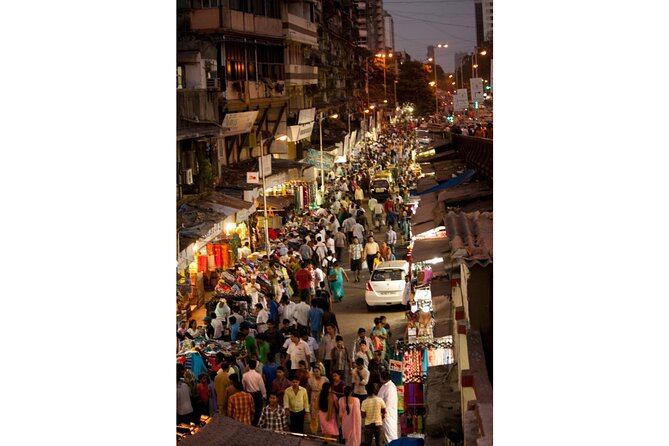
Now you’ll shift to Chor Bazaar, famous for antiques and furniture. The name is famously associated with the antique market vibe, and once you’re there, you’ll understand what people mean by it. You’ll see items that feel like they’ve lived other lives—plus the kind of cluttered browsing that makes you want to slow down.
Then there’s Mumbai’s flower alley. Flowers in India aren’t only decoration. They’re tied to ritual, gifting, and daily life, and you’ll see why as you walk past stalls where rose petals and fresh blooms are part of the everyday economy.
This stop is great if you like two things:
- Finding unusual, story-filled items
- Browsing with variety rather than hunting one category
The catch is time. Chor Bazaar and the flower lanes can make you linger. With a 2-hour tour, you’ll need to browse, not window-shop forever. Use your guide to help you prioritize what’s most interesting to you.
Mangaldas Market Since 1893: Silk, Tailors, and Textile Shopping Smarts
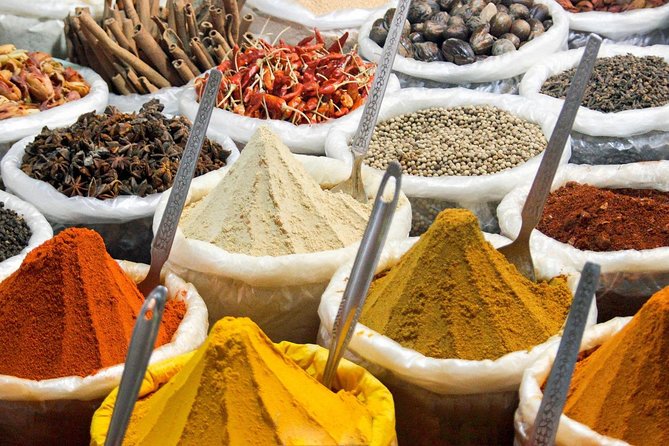
Mangaldas Market began in 1893, and the vibe is very “textile-forward.” This is a major stop if you care about fabrics, silk, and made-to-order clothing culture. You’ll find many tailors and designer boutiques focused on crafting clothing from quality fabric.
This is one of the most useful stops for travelers who want more than souvenirs. If you’re thinking about buying:
- Silk textiles
- Clothing items
- Fabric-based gifts
- Tailor-made pieces (depending on what’s possible in the time you have)
…Mangaldas gives you context. Your guide can help you understand where to look, what “kind” of fabric shopping feels like here, and how to approach shopping conversations.
One thing to keep in mind: tailor shopping can turn into a bigger project than you expect. Even if you don’t buy, you’ll still get value from learning how local textile purchasing works—what questions to ask and what details to check.
Crawford Market (Open Since 1871): Produce, Cheese, and Chocolate
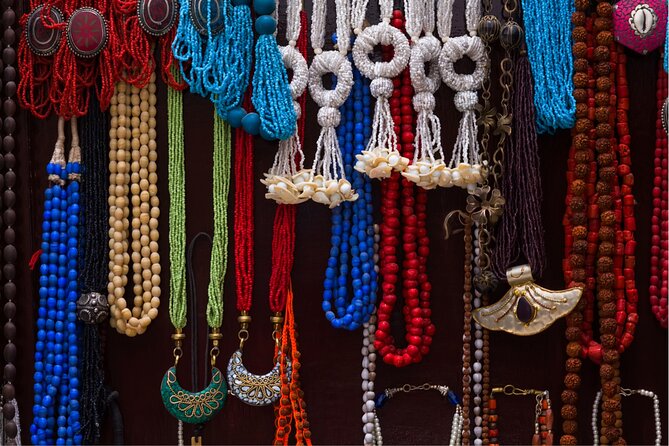
Crawford Market is one of South Mumbai’s most famous markets, opened in 1871. Here, the mood shifts again. You’re moving through well-known produce spaces, and the market also includes superb imported cheese and handcrafted chocolate.
That blend—local fruit and vegetables plus specialty foods—can feel like a gift to visitors. After lots of spices and textiles, it’s a nice change to see something edible and specialty-focused. If you like to bring home food gifts, this is a strong stop to do it.
If you’re the type who likes to snack your way through a destination, this is the area that helps you do that without relying on random convenience stores later. But remember the overall timeline: if you buy food items, plan how you’ll carry them for the rest of the walk and how it fits your day.
The Guide Factor: Friendly Storytelling and Nasir-Level Help
The guide is a major part of why this tour works. The experience includes a friendly storyteller/guide, highly trained by Yo Tours, and the whole thing leans into conversation—local art, craft work, and shopping context.
One name comes up in the kind of way you remember: Nasir. The guidance is described as incredibly helpful and a real resource, especially for shopping topics like spices, fabrics, and lots of other market items. That’s exactly what you want from a local-led market walk: someone who doesn’t just point, but explains.
When a guide is strong, you waste less time asking strangers for directions or translating what you’re seeing. You also avoid common shopping mistakes like getting distracted by the first offer you hear or misunderstanding quality cues for a product category.
If you’re going with friends or family, this is also easier to enjoy. The guide can manage the flow, so your group doesn’t splinter into “browsers” and “buyers.”
Shopping Tips That Keep You From Getting Rushed
Markets are a great place to buy. They’re also a great place to make mistakes if you’re not ready. Here are practical ways to shop smarter on this kind of route:
- Ask what something is for, not just how much it costs. In temple-adjacent areas, many items (flowers, pooja goods) have specific uses.
- Compare categories, not just prices. Jewelry, textiles, and antiques each need different judgment.
- Use your guide for fast “what matters” checks. If you’re looking for silk or textile quality, the right question matters more than the second shop you enter.
- Keep your browsing short at each stop. The tour covers multiple markets, so “I’ll just look” can quietly turn into missing the rest of the route.
- For food items at Crawford Market, think about carrying and timing. If you buy cheese or chocolate, plan for the rest of your day.
The best part: with shopping tips included, you’re not stuck guessing. You can enjoy the markets as markets, not as confusing shopping malls with no context.
Price and Value: Why $12.44 Can Make Sense Here
At $12.44 per person, this isn’t a luxury experience. It’s built for value. And the value comes from packing several market environments into about 2 hours with a guide.
You’re getting:
- A local guide trained by Yo Tours
- Market walking across multiple areas (Bhuleshwar, Zaveri Bazaar, Kalbadevi streets, Chor Bazaar, Mangaldas, Crawford Market)
- A temple visit (Mumba Devi Temple)
- Group discounts
- A mobile ticket
The biggest value lever is time. If you tried to plan this on your own, you’d spend time figuring out routes and figuring out what’s worth your attention in each market. Paying a small amount to compress that learning is often a smart move—especially on a first trip.
This is also a good fit if you want a taste without committing an entire day. If your schedule is tight, a 2-hour market tour can be a perfect start or a low-pressure afternoon plan.
Who This Tour Fits Best (and Who Should Skip It)
This tour fits best if you:
- Like street markets and want a guided first look at Mumbai shopping areas
- Want help with shopping decisions (especially textiles, spices, jewelry categories, and everyday pooja goods)
- Prefer small groups (max 15) and a conversational style
- Are curious about how markets connect to religion and neighborhood life
You might want to skip or adjust expectations if you:
- Want a slow, sit-and-chat experience with long breaks
- Dislike tight lanes and lots of walking in a 2-hour block
- Are only interested in one specific category (like only jewelry), because the tour is designed as a mix
Also, dress for the weather. This isn’t a fully indoor experience, and comfort will shape your enjoyment.
Should You Book the Magical Markets Tour in Mumbai?
If you want an efficient, local-led way to experience Mumbai’s market culture, I’d book this. The route covers major shopping zones—Bhuleshwar Market, Zaveri Bazaar, Kalbadevi streets, Chor Bazaar, Mangaldas, and Crawford Market—plus the grounding stop at Mumba Devi Temple. That mix helps you understand Mumbai as a city of everyday buying, not just tourist browsing.
It’s especially worth it if you like practical shopping tips and you want a guide who can talk craft and context while you walk. Keep your expectations realistic: you’ll be moving for 2 hours, so wear good shoes and plan to browse with focus.
If that sounds like your kind of Mumbai day, this tour is a strong pick.
FAQ
How long is the Magical Markets Tour in Mumbai?
The tour lasts about 2 hours.
Where does the tour start?
The meeting point is Shree Swaminarayan Mandir (Vadtal Gadi), XR3J+J33, Kika St, Charni Road East, Jamli Mohalla, Panjarpole, Bhuleshwar, Mumbai 400002.
What’s included in the tour?
You get a friendly storyteller/guide (trained by Yo Tours), conversations about local art and craft, and a chance to learn various art and craft work. The tour is a guided walk through multiple market areas and includes a visit to Mumba Devi Temple.
What markets and sights are part of the route?
The experience includes Bhuleshwar Market, Mumba Devi Temple, Zaveri Bazaar, Kalbadevi streets with Chor Bazaar and Mumbai’s flower alley, Mangaldas Market, and Crawford Market.
What group size is the tour limited to?
The maximum group size is 15 travelers.
What is the cancellation policy?
Free cancellation is available. You can cancel up to 24 hours in advance for a full refund, and cancellations made less than 24 hours before the start time are not refunded.
More Mumbai, Every Kind of Day
- Dharavi slum tour in Mumbai by Female tour guides of the slum
★ 5.0 · 1,976 reviews - Mumbai: Full-Day Sightseeing Tour of Mumbai
★ 4.9 · 1,822 reviews - Private Mumbai Sightseeing Tour (Traveller’s Choice Award Winner)
★ 5.0 · 1,565 reviews - Elephanta Caves & Island Guided Private Tour
★ 5.0 · 1,327 reviews
Deeper into the Bazaars
- Mumbai: Street Food and Night Markets Tour
★ 4.9 · 719 reviews - Mumbai Morning Market Tour of Flowers, Fish, and More
★ 5.0 · 100 reviews - Mumbai Morning Market Tour of Flowers, Fish, and More
★ 5.0 · 82 reviews - Mumbai Street Food Tour with Evening Bazaar Walk
★ 4.9 · 79 reviews
New on the Mumbai shortlist



Bazaar & Market Walks, compared.
 ★ 4.9Street Food and Night Markets TourFrom $13719 reviews
 ★ 5.0Mumbai Morning Market Tour of Flowers, Fish, and MoreFrom $19100 reviews
★ 5.0Mumbai Morning Market Tour of Flowers, Fish, and MoreFrom $2082 reviews
★ 5.0Mumbai Morning Market Tour of Flowers, Fish, and MoreFrom $19100 reviews
★ 5.0Mumbai Morning Market Tour of Flowers, Fish, and MoreFrom $2082 reviews
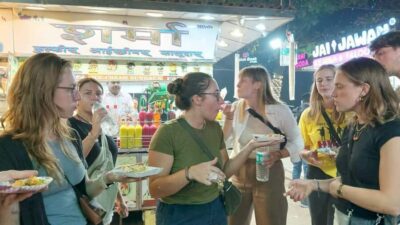 ★ 4.9Mumbai Street Food Tour with Evening Bazaar WalkFrom $1379 reviews
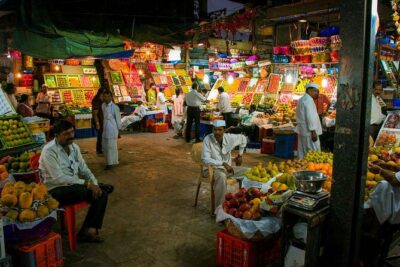 ★ 5.0Mumbai Markets and Temples TourFrom $2759 reviews
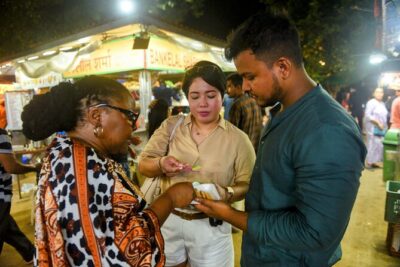 ★ 5.0Mumbai Street Food & Bazaar Tour with Local TransportFrom $2151 reviews
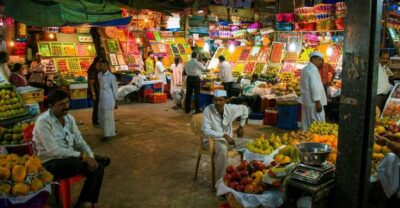 ★ 4.6Local Markets & Temples TourFrom $2745 reviews
 ★ 4.4Vibrant Markets of Mumbai (2 Hours Guided Walking Tour)From $1444 reviews
Browse the lists this tour appears in