

Review · WALKING TOURS
South Bombay Live Walking Tour
South Bombay on foot feels like Mumbai at street level, not on a postcard. I love the masala chai start paired with mineral water, and I also like that the route pushes beyond the big photos into markets and smaller lanes. The one drawback to plan for is that this is real walking through busy areas, so comfortable shoes (and some patience) really matter.
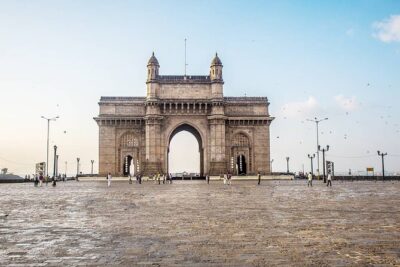
You’ll get history and architecture you can actually face—think Gateway of India and the Chhatrapati Shivaji Maharaj Terminus area—plus the Fort precinct and Colaba Causeway lanes. It’s an English-language tour with guides who focus on stories, everyday life, and local food stops, and it’s priced at $16 in a way that makes sense for a short visit.
In This Review
- Key highlights I’d prioritize
- South Bombay is built for a walking tour
- Meet the guide: Ali’s street stories and Nisar’s cheerful pace
- The tea start: good chai and a simple win for your energy
- Gateway of India: the postcard you shouldn’t rush past
- Fort precinct: where the city’s layers start to show
- Colaba Causeway lanes: markets, vendors, and everyday Mumbai
- Chhatrapati Shivaji Maharaj Terminus: architecture you face, not just admire
- Hidden temples and secret courtyards: the quiet payoff
- Flexible pacing and practical after-tour help
- Price and value: $16 is more than it sounds
- Who should book this tour
- Should you book the South Bombay Live Walking Tour?
- FAQ
- How much does the South Bombay Live Walking Tour cost?
- Is the tour offered in English?
- What’s included in the tour?
- Is there a reserve and pay later option?
- What is the cancellation policy?
- Who provides the experience?
- What areas and sights does the tour cover?
Key highlights I’d prioritize
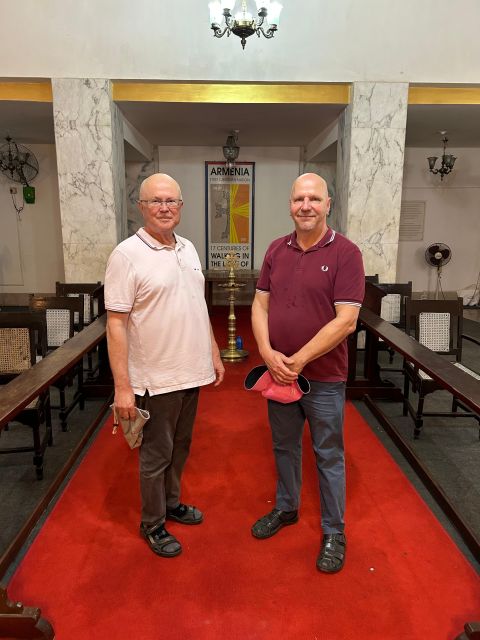
- Masala walk start that sets the tone with local flavor right away
- Local morning walk energy, with sights and people moving at real speed
- Best of South Bombay mix of famous landmarks and lesser-known lanes
- Market time for real life, including walking through busy sections of town
- Tea stops that go beyond a quick sip
- Off-the-beaten-path moments, like tucked-away temples and courtyards
South Bombay is built for a walking tour
South Bombay is one of those places where the streets explain the city faster than any museum. On a walking route, you notice how old architecture rubs shoulders with modern routines, and you also get that Mumbai rhythm you miss from a vehicle window.
This tour leans into a local morning walk vibe, which is smart. Mornings tend to feel more workable for wandering—shops are waking up, markets are more active, and you can have conversations without feeling like you’re constantly dodging late-day crowds.
The best part is that you’re not only chasing landmarks. The walk is designed to help you understand how the city works, from the Fort precinct atmosphere to the lanes around Colaba Causeway.
Meet the guide: Ali’s street stories and Nisar’s cheerful pace
A great walking tour lives or dies with the guide, and this one has a strong track record. Ali is highlighted for an authentic perspective on what you’re seeing and how it connects to broader society in Mumbai, and he’s also praised for practical extras like after-tour tips. In one case, Ali even accommodated suitcase storage, which is a lifesaver if your hotel plan is messy.
Nisar is another guide mentioned for being cheerful and highly informative about the sites you pass. The common thread in the reviews is that guides don’t just recite facts—they explain context in a way that makes the city easier to understand while you’re still standing in the street.
You should expect a professional and cozy feel, with an ability to adjust pace. One review called out flexibility in how long the group stayed somewhere, which matters because Mumbai streets don’t always move on a schedule.
More of Mumbai at walking pace




The tea start: good chai and a simple win for your energy
This tour includes good quality masala chai with mineral water, and that’s not a throwaway detail. In Mumbai’s weather, having something warming and hydrating right at the beginning helps you walk longer and pay attention instead of feeling drained.
The chai also acts like a cultural reset. Instead of starting with architecture and jet lag, you start with a familiar local ritual. From there, the guide can connect the day’s sights to local life—markets, vendors, and everyday habits around South Mumbai.
There’s also mention of a stop for super fine tea during the walk. Even if you’re not a huge tea person, it signals something important: this tour isn’t limited to quick photo stops. You’re getting time in places that locals actually use.
Gateway of India: the postcard you shouldn’t rush past
Gateway of India is one of those landmarks you’ve probably already seen in photos, but seeing it from street level changes the experience. The scale feels different, and you can get a better sense of why this area matters in Mumbai’s public life.
On this tour, the emphasis isn’t just on the structure. You’re meant to understand colonial heritage through the lens of what the city later became, and you’ll hear stories that connect the site to the wider arc of Mumbai’s past.
One practical tip: treat this stop as a place to pause and look around. Don’t only frame the monument. Notice how the surrounding streets flow and where people naturally gather. That’s where the city’s real story starts.
Fort precinct: where the city’s layers start to show
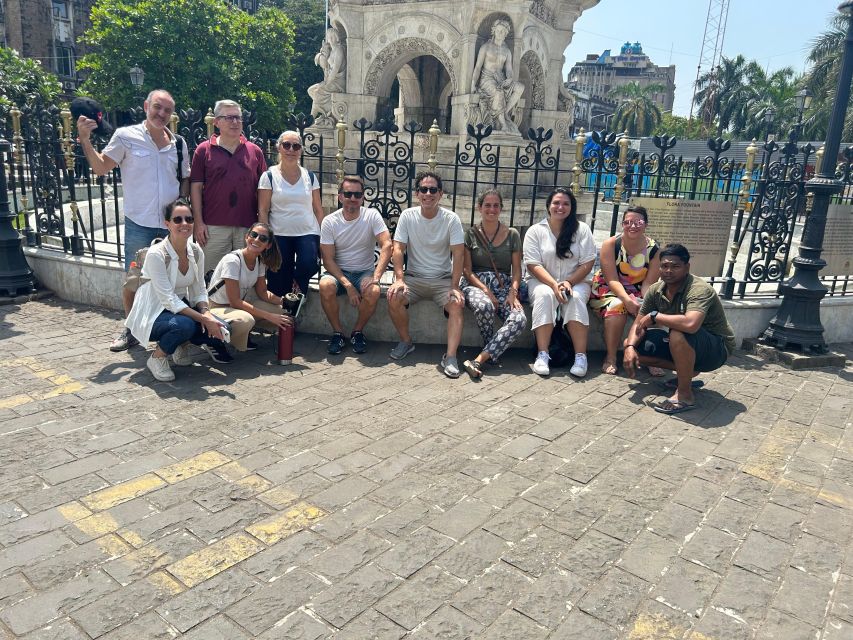
The Fort precinct is where South Bombay starts to feel like a set of overlapping eras rather than a single timeline. The tour includes this historic precinct, and the value here is that you’re walking through a living area, not a staged exhibit.
This is also where the tour’s promise of history and independence storytelling becomes useful. When you hear accounts of the struggle for independence while you’re standing near older architecture and institutional buildings, the details stick better than they would if you read them later.
A drawback to keep in mind: Fort-area streets can be active, and you’ll be moving at a walking pace through busy pockets. If you prefer calm, empty spaces, plan to focus on the story the guide is telling and let the street noise become part of the setting.
- Dharavi slum tour in Mumbai by Female tour guides of the slum
★ 5.0 · 1,976 reviews - Mumbai: Full-Day Sightseeing Tour of Mumbai
★ 4.9 · 1,822 reviews - Private Mumbai Sightseeing Tour (Traveller’s Choice Award Winner)
★ 5.0 · 1,565 reviews - Group Guided Walking Tour in Fort and Colaba
★ 5.0 · 1,073 reviews - Highlights of Mumbai Sightseeing Tour: TRAVELLERS CHOICE AWARDED
★ 5.0 · 915 reviews - Private Guided Walking Tour in Fort & Colaba
★ 5.0 · 895 reviews
Colaba Causeway lanes: markets, vendors, and everyday Mumbai
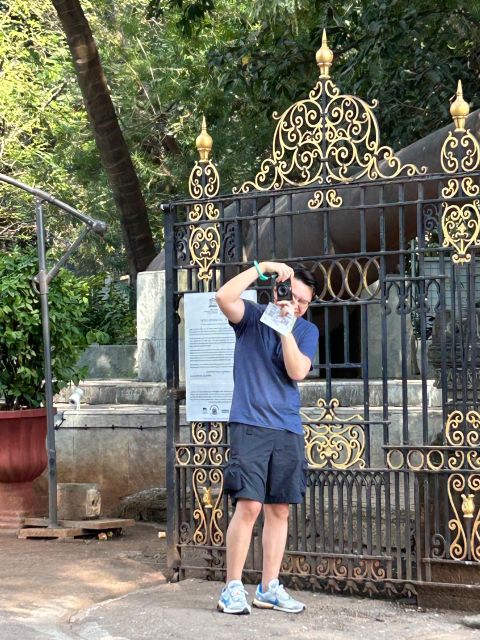
Colaba Causeway is often treated like a shopping strip, but on this kind of walk it’s more than that. You get time in the lanes where street commerce happens—where vendors talk, people pick up daily items, and food routines are visible.
This is one of the tour’s strongest angles: cultural encounters that feel normal, not staged. You’re not just watching from a distance. You’re walking through markets and seeing how locals actually move through the area.
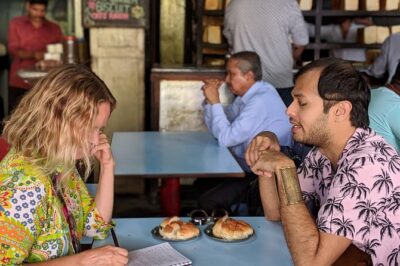
One detail from the reviews that I’d especially watch for is the stop connected to bread from a hole-in-the-wall bakery. That’s the kind of moment that makes the tour feel real because it’s specific and small—something you can taste and remember, not just something you photograph.
Chhatrapati Shivaji Maharaj Terminus: architecture you face, not just admire
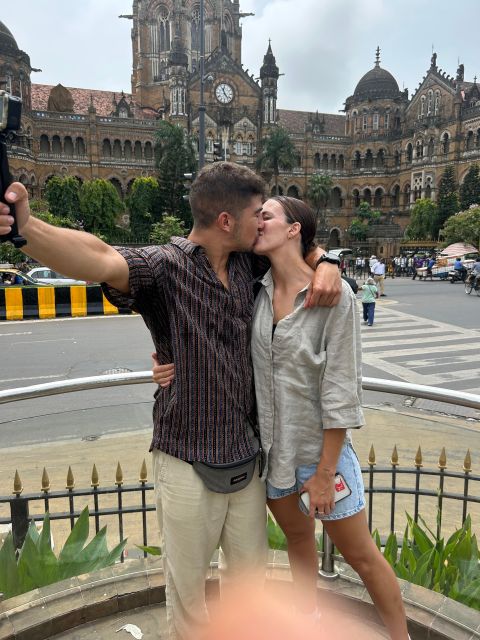
The Chhatrapati Shivaji Maharaj Terminus area is included for a reason: it’s dramatic architecture with obvious presence. But the tour’s style is helpful here. Instead of pushing you along quickly, the guide approach helps you understand what you’re looking at while you’re there.
This matters because train-station architecture can look impressive yet confusing when you don’t know what features to notice. A guided walk gives you a framework for the building—why it’s important, how it reflects a period in Mumbai’s history, and how that history connects to the city today.
Expect time for photos, but also expect the guide to talk. If you’re the type who enjoys turning a landmark into a story, this is a solid fit.
Hidden temples and secret courtyards: the quiet payoff
The tour also mentions hidden moments—tucked-away temples and secret courtyards that only locals know. These are the parts that tend to feel most satisfying, because they reward attention.
On a walking tour like this, you’ll often pass the kind of small doorway or courtyard you’d otherwise ignore. When your guide points them out and explains what you’re seeing, it turns a random lane into a meaningful stop.
This is also why the reviews keep coming back to an off-the-beaten-path feeling. You’re not only checking boxes. You’re learning how South Bombay hides small surprises in plain sight.
Flexible pacing and practical after-tour help
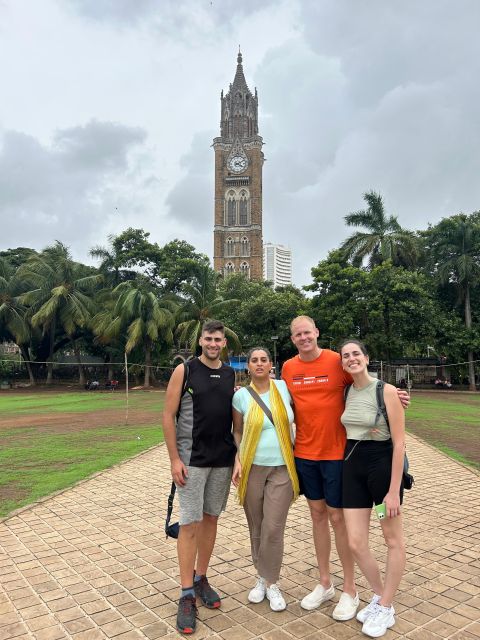
One small but valuable thing: the walk has enough flexibility to adjust where you spend time. A review specifically praised how the guide stayed flexible with how long they remained somewhere, and that’s huge in a city where street conditions can change quickly.
The tour also includes good after-tour guidance. Ali is singled out for sharing tips for what to do next, and that’s the kind of advice that can save you time later—especially if you only have a short window in Mumbai.
At the end, you’re kept in a central location so you can keep exploring without feeling stuck far from your next plan. That makes it easier to combine this with a separate museum visit, a food stop, or a neighborhood wander.
Price and value: $16 is more than it sounds
$16 per person is a price that fits well for a city like Mumbai, but the real question is what you get for it. Here, you’re getting more than landmark entry into your day.
You’re paying for:
- A guided walking route connecting major South Bombay sights with local life
- Included masala chai plus mineral water to keep you moving
- Time in markets and lanes, plus cultural interaction through everyday stops
- A guide who adds story context (and in at least one case, practical help like suitcase storage)
If you’re comparing this to paying for a private driver or doing a self-guided walk with no context, the value becomes clearer. For $16, you’re basically buying orientation—how to understand what you see, where to look, and what parts of South Bombay actually matter.
Who should book this tour
This is a strong choice if you:
- Have a short time in Mumbai and want a South Bombay-focused view
- Prefer walking with stories over hopping between disconnected attractions
- Like markets, local food stops, and street life as much as big landmarks
- Want an English-language guide who explains meaning as you go
It’s also a good fit for solo travelers who want to feel grounded in a neighborhood quickly, without needing to navigate independently.
If you dislike walking or get uncomfortable in busy streets, you may want to weigh the tradeoff. This is a walking tour by design, and the street atmosphere is part of the point.
Should you book the South Bombay Live Walking Tour?
I’d book it if your goal is understanding South Bombay, not just photographing it. The mix of Gateway of India, the Fort precinct, Colaba Causeway, and the Chhatrapati Shivaji Maharaj Terminus area—paired with markets, tea, and hidden courtyards—gives you a satisfying overview without feeling like a checklist.
The guide quality also looks like the real differentiator. Between Ali’s authentic perspective and practical help (including tips and suitcase storage) and Nisar’s cheerful, informative approach, you’re likely to get a walk that feels thoughtful rather than rushed.
If you want a quick, low-effort sightseeing circuit, you might find this too story-heavy and too street-level. But if you want to leave with better context for what South Bombay is and how people live there, this one is easy to recommend.
FAQ
How much does the South Bombay Live Walking Tour cost?
The price is $16 per person.
Is the tour offered in English?
Yes. The tour language is English.
What’s included in the tour?
It includes good quality masala chai with mineral water.
Is there a reserve and pay later option?
Yes. You can reserve your spot and pay nothing today.
What is the cancellation policy?
You can cancel up to 24 hours in advance for a full refund.
Who provides the experience?
The experience provider is Mumbai Tour & Travels.
What areas and sights does the tour cover?
It focuses on South Mumbai heritage and includes stops around major sights like Gateway of India, Chhatrapati Shivaji Maharaj Terminus, the Fort precinct, and Colaba Causeway, plus local markets and smaller hidden places like tucked-away temples and secret courtyards.
Mumbai on Foot, Continued
- Group Guided Walking Tour in Fort and Colaba
★ 5.0 · 1,073 reviews - Private Guided Walking Tour in Fort & Colaba
★ 5.0 · 895 reviews - Private Guided Walking Tour in Bandra Queen of Suburbs
★ 5.0 · 383 reviews - Private Guided Spiritual Walk in Banganga Hindu Temples
★ 5.0 · 271 reviews
More Mumbai, Every Kind of Day
- Dharavi slum tour in Mumbai by Female tour guides of the slum
★ 5.0 · 1,976 reviews - Mumbai: Full-Day Sightseeing Tour of Mumbai
★ 4.9 · 1,822 reviews - Private Mumbai Sightseeing Tour (Traveller’s Choice Award Winner)
★ 5.0 · 1,565 reviews - Elephanta Caves & Island Guided Private Tour
★ 5.0 · 1,327 reviews
New on the Mumbai shortlist




Walking Tours, compared.
 ★ 5.0Group Guided Walking Tour in Fort and ColabaFrom $161,073 reviews
 ★ 5.0Private Guided Walking Tour in Fort & ColabaFrom $36895 reviews
 ★ 5.0Private Guided Walking Tour in Bandra Queen of SuburbsFrom $36383 reviews
 ★ 5.0Private Guided Spiritual Walk in Banganga Hindu TemplesFrom $36271 reviews
 ★ 4.9Dharavi Slum Walking Tour by First Female Tour GuideFrom $5192 reviews
 ★ 5.0Private Guided Non-Veg Street Food Walking Tour in Muslim QuarterFrom $51140 reviews
 ★ 5.0Best South Mumbai Heritage WalkFrom $17122 reviews
 ★ 5.0Heritage Walk: Recommended by Gigi Hadid as a must-do in MumbaiFrom $44122 reviews
Browse the lists this tour appears in