
Review · OLD BOMBAY HERITAGE WALKS
Private Jewish Heritage Tour
Mumbai has a Jewish side few notice. This private heritage tour strings together landmark Mumbai sights with key places of Jewish life, from synagogues to a local Jewish graveyard, guided in English. I especially like the private, just-for-your-party format and the focus on multiple synagogue stops rather than one quick photo-op.
There’s one practical drawback to consider: the start of the tour depends on smooth meeting-up. One past booking complained the operator was hard to find (no clear sign) and that the guide didn’t immediately seem aligned with the planned itinerary, causing a long wait before things started. If you’re picky about timing, double-check the pickup details and be ready to call if needed.
In This Review
- Key things that make this tour worth your time
- Why this Mumbai Jewish Heritage tour feels different than the usual “old building” stops
- The private setup: pickup, your pace, and why $75 can be fair value
- Stop-by-stop: what you’ll see and what to watch for at each location
- Gateway of India: a dramatic opener with a British-era welcome story
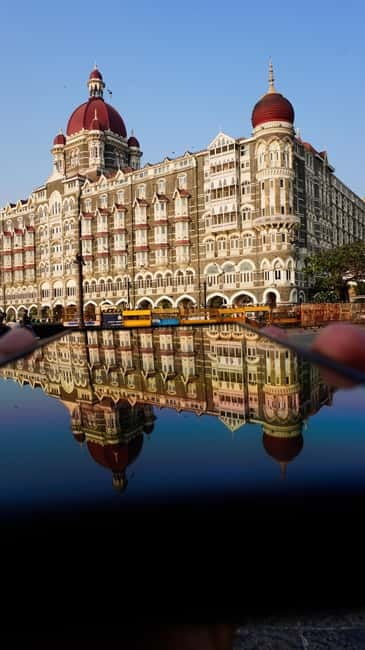
- Taj Mahal Palace area: Jamshedji Tata’s landmark next to the Jewish heritage track
- Sassoon Dock: the fishermen port where local life is the point
- Gate of Mercy Synagogue (Sixth & I area): an early synagogue connection tied to Tipu Sultan
- Magen David Synagogue: David Sassoon’s footprint plus Bagdadi Jewish life
- Magen Hassidim Synagogue: active Bene Israeli community life you can sense in the visit
- Keneseth Eliyahoo Synagogue: a tourist synagogue that also hosts VIPs and delegates
- David Sassoon Library and the Jewish graveyard: quiet, reflective stops to balance the schedule
- Chabad House: a modern anchor alongside older landmarks
- A possible extra context: Nariman House exhibit
- The guide makes or breaks it: what the best English-led experience feels like
- Timing, pacing, and what a 4–5 hour private route is really good for
- Price and logistics in plain terms (what you get, what you pay, and what to plan)
- Should you book the Private Jewish Heritage Tour in Mumbai?
Key things that make this tour worth your time
- A real “site-to-site” route: Gateway of India, Taj Mahal Palace area, Sassoon Dock, then Jewish landmarks
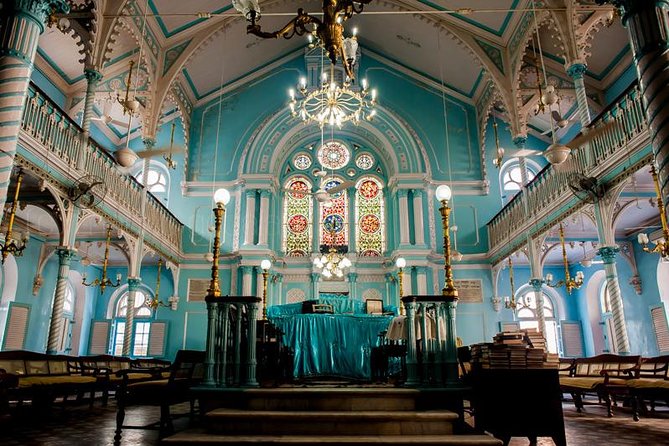
- Synagogue variety in one afternoon: Gate of Mercy, Magen David, Magen Hassidim, and Keneseth Eliyahoo
- The David Sassoon thread: Magen David Synagogue and the David Sassoon Library (open 365 days, per the tour details)
- Community life, not just buildings: Magen Hassidim is described as active, with marriages and ceremonies taking place
- Working Mumbai meets heritage: Sassoon Dock is built around fishermen and a clock-tower waterfront feel
- Private vehicle convenience: round-trip transfers in an air-conditioned car keep you from wasting half a day on transit
Why this Mumbai Jewish Heritage tour feels different than the usual “old building” stops
Mumbai is famous for temples, churches, and mosques. What this tour does is flip the angle. You still see big, iconic city landmarks, but the backbone of the route is Jewish heritage—places you can stand in front of and connect to real community stories.
I like that the itinerary is not all “one synagogue, one graveyard, done.” Instead, you get a chain of stops that point to different Jewish communities in the city, including an active Bene Israeli synagogue where weddings and other ceremonies happen. That alone changes the experience from passive sightseeing into something more human.
The private setup: pickup, your pace, and why $75 can be fair value
This is priced at $75.00 per person for a private tour, lasting about 4 to 5 hours. There’s a minimum of 2 people per booking, which matters if you’re traveling solo. If you’re a couple, small family group, or a couple of friends, the “private” part can feel like good value because you’re not paying for a seat in a crowd—you’re paying for transportation plus an English-speaking guide plus direct access to multiple sites.
What’s included is the big-ticket practical stuff:
- Hotel pickup and drop-off
- Transport in an air-conditioned car
- English-speaking guide
- Professional driver
- Private tour (only your group)
That matters in Mumbai, where even short distances can turn slow if you’re relying on public transit. This tour essentially sells you time back, and it does it with the comfort of a private vehicle.
One note: food and drinks are not included, so plan to eat before or after. If your schedule is tight, you’ll want to avoid accidentally turning this half-day into a hunger problem.
More Gothic arches and Deco curves of old Bombay



Stop-by-stop: what you’ll see and what to watch for at each location
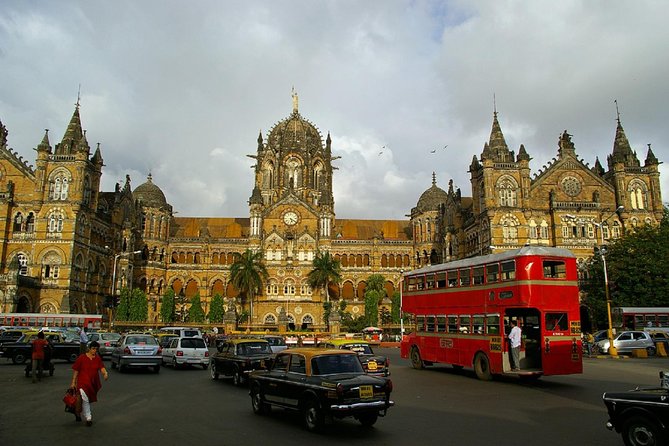
The tour’s structure starts broad and gets more specific. You begin at two major Mumbai icons, then move into dock life and synagogue neighborhoods, finishing with heritage-focused sites like the Jewish graveyard and David Sassoon-related places.
Gateway of India: a dramatic opener with a British-era welcome story
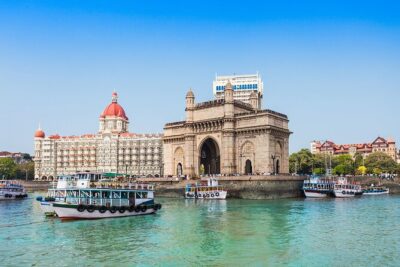
You start at Gateway of India, Mumbai’s best-known monument. The tour frames it as a monument built to welcome King George V and Queen Mary. It’s a smart first stop because it helps you orient quickly in the city before you step into more focused heritage sites.
This is also a quick stop (about 15 minutes), and it’s listed as free for admission. In other words, you’re not paying entry fees to get your bearings—you’re getting a clean “start here” landmark, which is exactly what you want early in the day.
Taj Mahal Palace area: Jamshedji Tata’s landmark next to the Jewish heritage track
Next is the Taj Mahal Palace, Mumbai area, described as the iconic hotel building commissioned by Jamshedji Tata, originally opened to guests on December 16, 1903. Even if you don’t spend time inside, this stop gives you a powerful visual contrast: grand public monuments and colonial-era glamour right alongside the later stops that focus on specific Jewish community institutions.
This one is about 10 minutes and also listed as free for admission. That short timing is useful: it keeps you from losing momentum before the route gets more meaningful.
More of Jewish Bombay, synagogue by synagogue
- Private Mumbai Jewish Heritage Tour: Baghdadi & Bene Israel
★ 5.0 · 36 reviews - Jewish Heritage and Mumbai Highlights Private Full-Day Tour
★ 5.0 · 32 reviews - Jewish Heritage Tour
★ 4.0 · 3 reviews
Sassoon Dock: the fishermen port where local life is the point
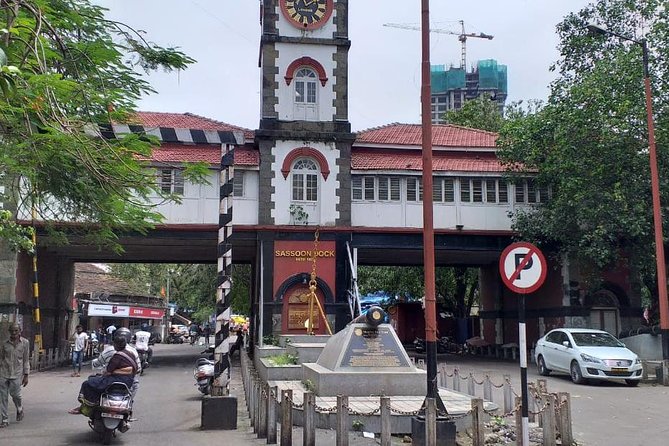
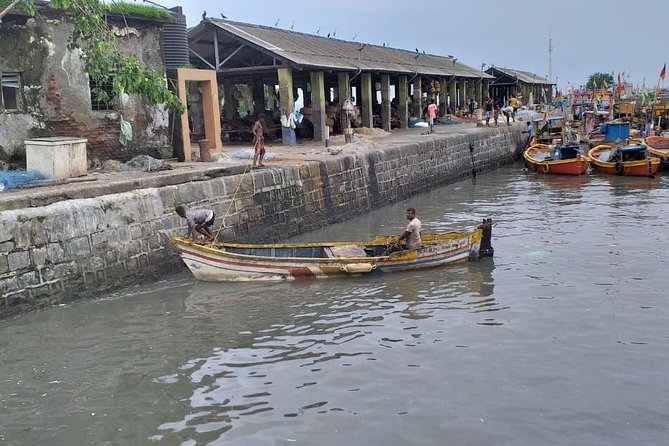
Then you shift to real Mumbai work life at Sassoon Dock. The tour describes it as the largest fishermen port land of Mumbai, tied to a donation by Sir Albert Sassoon dedicated to fishermen. You also get a clock-tower element and the chance to see local fishermen, which is one of the best ways to keep heritage grounded in everyday city life.
This stop lasts about 30 minutes, longer than the monument stops, and it’s “watch-and-absorb” time. Since it’s a dock environment, expect it to feel more active and outdoorsy compared with the landmark interiors.
Gate of Mercy Synagogue (Sixth & I area): an early synagogue connection tied to Tipu Sultan
After the dock scene, the tour turns toward faith and community roots at Gate of Mercy Synagogue (noted as being on Samuel Street, described alongside a Masjid reference). The details highlight that it’s one of the first synagogues in Maharashtra and mentions a religious connection to Muslim King Tipu Sultan.
This is a good stop for people who like context—because it shows Jewish heritage doesn’t exist in a vacuum. The stop is about 20 minutes, and it’s listed as free for admission. The main “value” here is the story-link the guide brings: how Jewish community sites connect to wider regional history.
Magen David Synagogue: David Sassoon’s footprint plus Bagdadi Jewish life
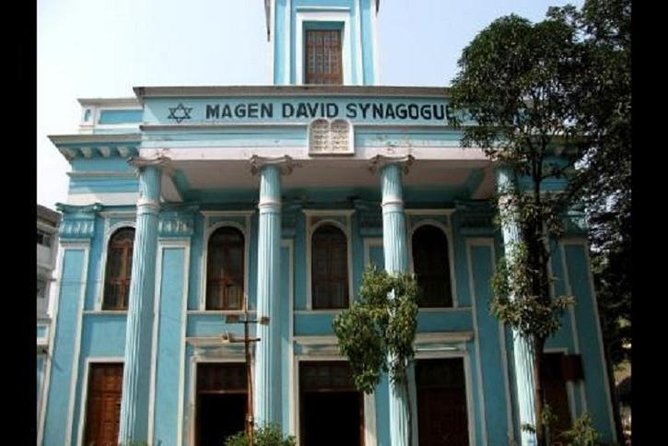
Next up is Magen David Synagogue, described as the first synagogue built by David Sassoon himself. The tour also points out a clock tower and places the synagogue in the premises of Jewish schools and a Jewish guest house—plus it references Bagdadi Jewish life that existed here.
Why this stop works so well is that it’s not only about the religious building. You’re seeing the “supporting ecosystem” concept: schools, guest housing, and community life built around the synagogue. It helps you picture how people actually lived, not just where they prayed.
Timing here is about 20 minutes, and again it’s listed as free for admission.
Magen Hassidim Synagogue: active Bene Israeli community life you can sense in the visit
Then comes Magen Hassidim Synagogue, described as one of the most active Bene Israeli synagogues, with marriages and other ceremonies taking place there. Even with a short visit (about 20 minutes), that detail changes how you read the building. It’s not only a heritage stop; it’s a living one.
This is also a strong fit if you want a tour that feels current, not frozen in history. Active community sites tend to make the guide’s explanations feel more grounded.
Keneseth Eliyahoo Synagogue: a tourist synagogue that also hosts VIPs and delegates
The route includes Keneseth Eliyahoo Synagogue, described as a “tourist synagogue.” The tour notes it hosts delegates and other VIPs and is located in a prime tourist area, with services for visitors.
This stop is about 20 minutes and listed as free for admission. The takeaway is that Jewish heritage here is presented with a visitor-facing angle too. If you prefer tours where you’re not left guessing what you’re looking at, this type of stop can help.
David Sassoon Library and the Jewish graveyard: quiet, reflective stops to balance the schedule
The tour overview includes a Jewish graveyard visit, and the itinerary details also point to the David Sassoon library. The library is described as being donated by Sir David Sassoon and as the only library open for all 365 days in the year.
These are the stops that slow everything down. They’re the places where your brain catches up to what you’ve been seeing: not only synagogues as architecture, but institutions tied to memory—names, reading, community continuity, and how a city holds on to its minority stories.
You should expect this section to feel less about landmarks and more about atmosphere. If you’re short on time, these are still worth it because they give you the emotional “why” behind the route.
Chabad House: a modern anchor alongside older landmarks
The tour summary also mentions the city’s Chabad House. While the exact stop details aren’t spelled out in the route list you provided, the inclusion signals something important: Jewish heritage in Mumbai isn’t just old buildings. It’s also active modern community life and outreach.
Even a brief look at a community center like this can broaden your understanding beyond dates and names.
A possible extra context: Nariman House exhibit
One detailed note tied to this tour mentions a newly opened exhibit at Nariman House about the terrorist attack, described as informative and moving. Since it’s not listed among the exact stops in the itinerary outline you shared, treat this as a “route-dependent” context item. Still, it’s worth knowing that the tour can connect heritage with more recent history and remembrance.
The guide makes or breaks it: what the best English-led experience feels like
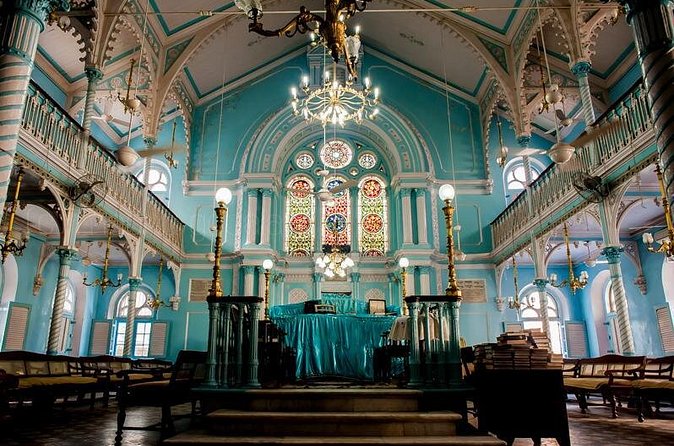
This tour runs with an English-speaking guide, and that’s not a minor detail. Jewish heritage sites can be full of specific names, dates, and community distinctions. If the guide keeps the stories organized, the whole route makes sense fast.
There’s a standout praise for a guide named Devi, described as personable, friendly, kind, helpful, and very well spoken in English, with a lot of shared experience and information. That kind of delivery can turn what might feel like “stop, look, move on” into a coherent journey.
At the same time, one low rating called out a different failure mode: difficulty finding the operator (no sign) and a guide who seemed surprised about the itinerary, requiring the group to explain what they wanted. The difference between those two experiences is usually simple: communication and alignment at the start.
My practical advice: keep your tour confirmation handy on your phone, and be ready to reference it at pickup. If you have specific preferences—like which synagogue aspects you care about—say it early so the guide isn’t reacting in real time.
Timing, pacing, and what a 4–5 hour private route is really good for
Because the total duration is about 4 to 5 hours, this is built as a half-day plan. It’s long enough to cover multiple synagogue sites and heritage stops, but short enough that you can still do other Mumbai sightseeing the same day.
The route itself is paced in a smart way:
- Quick orientation monuments first (Gateway of India, Taj Mahal Palace area)
- A longer, sensory stop at Sassoon Dock
- A sequence of synagogue visits focused on community identity
- Reflective stops later (graveyard, David Sassoon Library, and likely the Chabad House inclusion)
That pacing helps you avoid the common tour problem where the first hour is great and the last hour turns into tired “checkbox sightseeing.”
Price and logistics in plain terms (what you get, what you pay, and what to plan)
At $75 per person, you’re not just buying entry fees. You’re buying:
- private round-trip transfers in an air-conditioned vehicle
- a professional driver
- an English-speaking guide
- a private route through several heritage sites
The itinerary also lists admission as free at multiple stops, which helps keep your day from turning into surprise spending. The only consistent gap is food: food and drinks are not included.
If you’re deciding whether it’s worth it for your group, ask this: do you value guided context enough to pay for a private, car-based schedule? If yes, the price can make sense. If you prefer free-wheeling and self-guided walking, you may feel like you’re paying for convenience rather than information.
Should you book the Private Jewish Heritage Tour in Mumbai?
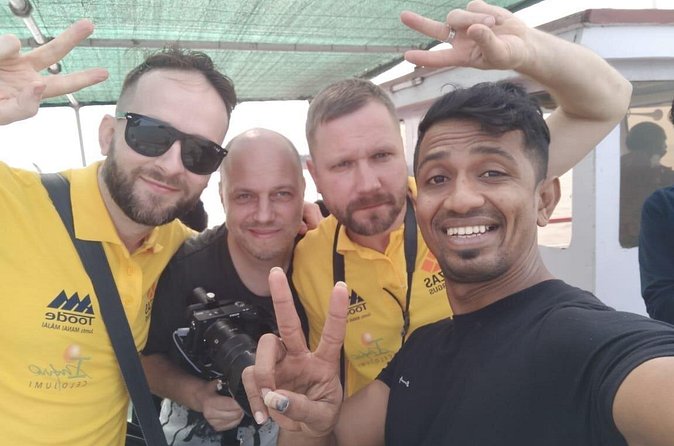
If you want a private, English-led heritage route that covers multiple synagogues, plus the Jewish graveyard and David Sassoon’s library story, I’d say it’s a strong fit—especially for couples or small groups who don’t want to fight Mumbai transit on a tight schedule.
I’d hesitate only if you’re very sensitive to start-time confusion and need ultra-clear meeting logistics. One past experience noted trouble finding the operator and a late start due to itinerary misalignment. If you’re organized and keep your confirmation ready, you’ll be positioned well.
If you’re trying to understand how Mumbai’s Jewish community story connects landmarks, community institutions, and real city life, this tour is built for that goal.
Mumbai on Your Own Terms
- Private Mumbai Sightseeing Tour (Traveller’s Choice Award Winner)
★ 5.0 · 1,565 reviews - Elephanta Caves & Island Guided Private Tour
★ 5.0 · 1,327 reviews - Private Guided Walking Tour in Fort & Colaba
★ 5.0 · 895 reviews - Highlights of South Mumbai Guided Private Tour in AC Vehicle
★ 5.0 · 620 reviews
Jewish Bombay, the Longer Trail
- Private Mumbai Jewish Heritage Tour: Baghdadi & Bene Israel
★ 5.0 · 36 reviews - Jewish Heritage and Mumbai Highlights Private Full-Day Tour
★ 5.0 · 32 reviews - Jewish Heritage Tour
★ 4.0 · 3 reviews
Old Bombay, Building by Building
- Heritage Walk: Recommended by Gigi Hadid as a must-do in Mumbai
★ 5.0 · 122 reviews - Best South Mumbai Heritage Walk
★ 5.0 · 122 reviews - Mumbai: South Mumbai Heritage Walking Guided Tour
★ 4.5 · 69 reviews - Hill-station & Heritage: Lonavala & Karla Caves Tour from Mumbai
★ 5.0 · 60 reviews
New on the Mumbai shortlist


Old Bombay Heritage Walks, compared.
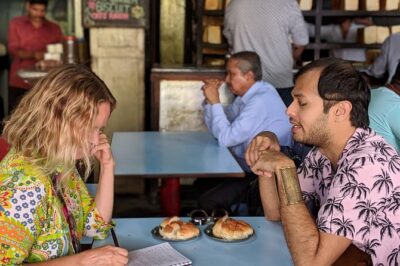 ★ 5.0Heritage Walk: Recommended by Gigi Hadid as a must-do in MumbaiFrom $44122 reviews
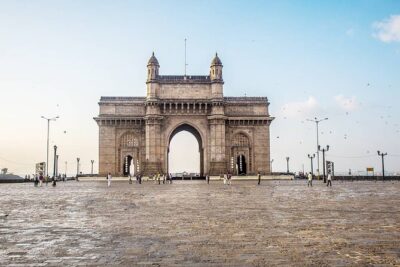 ★ 5.0Best South Mumbai Heritage WalkFrom $17122 reviews
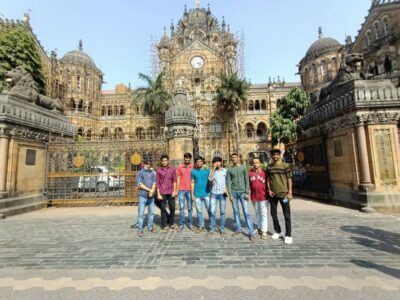 ★ 4.5South Mumbai Heritage Walking Guided TourFrom $2869 reviews
 ★ 5.0Hill-station & Heritage: Lonavala & Karla Caves Tour from MumbaiFrom $7260 reviews
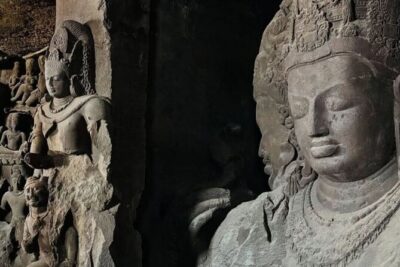 ★ 5.0Mumbai Heritage Walk and Elephanta Caves ExperienceFrom $2953 reviews
 ★ 4.8South Mumbai: Cultural Heritage Walking TourFrom $1645 reviews
 ★ 5.0Kanheri Caves Heritage TourFrom $4545 reviews
 ★ 5.0Private Mumbai Jewish Heritage Tour: Baghdadi & Bene IsraelFrom $9636 reviews
Browse the lists this tour appears in