
Review · HISTORICAL TOURS
Mumbai Tour: The Most Famous Historical Spots By Car
Mumbai’s traffic is the real tour guide. This four-hour car route is designed for people who want famous sights plus real city texture, guided by locals such as Hardik (and driver Patrik) who can explain what you’re seeing in plain terms. I like how the stops connect everyday Mumbai life—like Dhobi Ghat’s open-air laundry—to major civic and cultural landmarks, without turning the day into a checklist.
What I love even more is the value mix: pickup, an air-conditioned vehicle, parking fees, bottled water, and coffee or tea included, plus admission listed as free for the experience. The one thing to consider is that four hours is tight, so you’ll spend more time moving between sights than lingering long enough for deep, slow visits.
In This Review
- Key highlights you should clock before you go
- Why this 4-hour car loop works better than a random wander
- The trade-off
- Dhobi Ghat and Mani Bhavan: the day’s most “watch-your-step” pairing
- What to look for
- Practical tip
- Hanging Gardens and Gateway of India: from green pause to the iconic postcard
- Why this section is useful for first-timers
- Watch your timing
- Taj Mahal Palace Hotel and Watson Hotel: learning the city through its landmarks
- The key value here
- Mumbai University and High Court: civic Mumbai, not just monuments
- What you’ll likely get from the guide
- Victoria Terminus Station: ending with a place that moves people
- What to do with this last stop
- Price and value: why $49 can make sense for this specific route
- The main value question
- Comfort and logistics that matter more than you think
- Who this tour is best for (and who might want something else)
- Book it or skip it: my straight recommendation
- FAQ
- How long is the Mumbai tour?
- What does the tour cost?
- Does the tour include pickup and an air-conditioned vehicle?
- What’s included in the price?
- Is lunch included?
- What if weather is bad?
Key highlights you should clock before you go
- Hardik’s on-the-ground explanations: clear stories that help you understand why these places matter.
- Air-conditioned comfort with water and tea/coffee: you’re not baking between stops.
- Dhobi Ghat to Mani Bhavan in one flow: street-level life right next to Gandhi’s legacy.
- Gateway of India plus the hotel zone: iconic views paired with stops that show Mumbai’s big-figure identity.
- Civic landmarks by car: Mumbai University, High Court, and Victoria Terminus give the “how the city runs” angle.
Why this 4-hour car loop works better than a random wander
Mumbai is big, noisy, and often confusing on foot—especially if you’re not used to how neighborhoods and streets flow. This tour takes away a lot of the guesswork by using an air-conditioned vehicle and a route that strings together major landmarks in a logical order.
I also like the human scale of it. The guide is described as someone born and brought up in Mumbai, so your conversation tends to feel like you’re getting local context, not a scripted lecture. One review specifically called out Hardik as an amazing guide, which lines up with the tour’s promise: you’re meant to understand how the city functions and what everyday life looks like from the inside.
The trade-off
Speed is part of the deal. In four hours, you should expect to see a lot from the outside or for short indoor stops (especially if a stop is popular). If you want to spend half a day at one museum or one monument, you’ll likely want a second visit later.
More layers of Bombay history to walk through




Dhobi Ghat and Mani Bhavan: the day’s most “watch-your-step” pairing
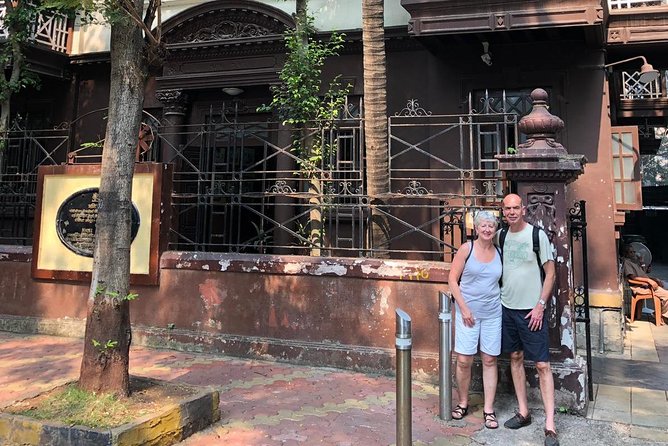
This start is a strong choice because it shifts you from modern India’s headline energy to something visual and grounded. You begin at Dhobi Ghat, an open-air laundry area. Even if you don’t know the details ahead of time, the setting itself does the teaching—day-to-day work happening in public space is a very Mumbai kind of sight.
Then the tour moves to Mani Bhavan, known as Gandhi House, where you’ll visit a museum setting. One review noted it as a place housing old artefacts, and another said they spent a lot of time in the museum and learned how history is presented and understood there. That matters because it turns your morning from just “seeing stuff” into “getting meaning.”
What to look for
At Dhobi Ghat, look for contrasts: the open-air working environment next to a city that keeps moving around it. At Mani Bhavan, focus on the objects and stories you’re told, since that’s where the tour becomes less about photos and more about understanding.
Practical tip
Plan for quick transitions. You’re in a car for the travel between stops, but once you reach a site, you’ll likely need to be ready to move on schedule.
- Dharavi slum tour in Mumbai by Female tour guides of the slum
★ 5.0 · 1,976 reviews - Mumbai: Full-Day Sightseeing Tour of Mumbai
★ 4.9 · 1,822 reviews - Private Mumbai Sightseeing Tour (Traveller’s Choice Award Winner)
★ 5.0 · 1,565 reviews - Group Guided Walking Tour in Fort and Colaba
★ 5.0 · 1,073 reviews - Highlights of Mumbai Sightseeing Tour: TRAVELLERS CHOICE AWARDED
★ 5.0 · 915 reviews - Private Guided Walking Tour in Fort & Colaba
★ 5.0 · 895 reviews
Hanging Gardens and Gateway of India: from green pause to the iconic postcard
After the Gandhi connection, you get a change of pace at Hanging Garden. The name alone signals a lighter, scenic break in the route—good if you’ve been stuck inside traffic or under city glare. It also helps the tour feel like more than museums and monuments.
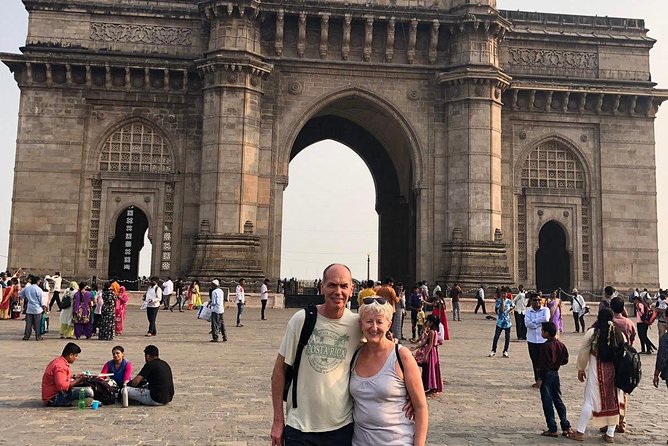
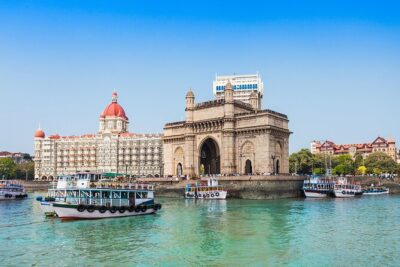
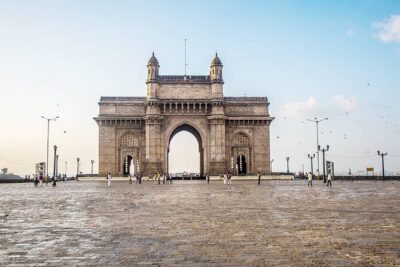
Next comes Gateway of India, a highlight people often know by sight. The review you have notes it as a monument built in the early 20th century, and that detail gives you a better way to look: not just at the structure, but at what kind of statement it represents in Mumbai’s story.
Why this section is useful for first-timers
If you’re in Mumbai for a short stay, you need quick orientation. These two stops help you understand the city’s geography and its “public face.” Hanging Gardens gives you a breather; Gateway of India gives you a named landmark that you can later recognize on your own.
Watch your timing
This is one of the areas where you might spend extra minutes because people gather. If you’re traveling with kids or you’re sensitive to crowds, you’ll appreciate having a guide who can manage the pace without rushing your eyes.
Taj Mahal Palace Hotel and Watson Hotel: learning the city through its landmarks
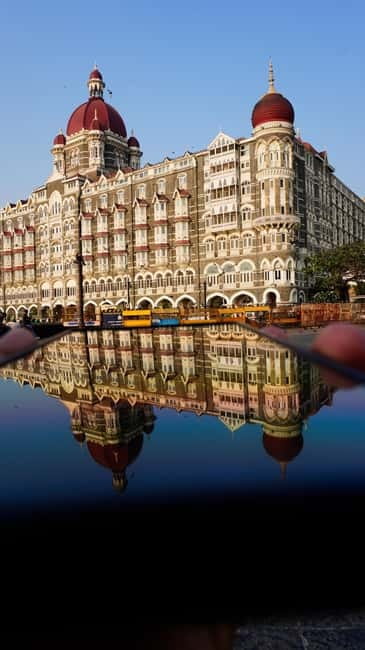
A stop at Taj Mahal Palace Hotel adds a recognizable anchor to the day. Even if you don’t go inside, the presence of a global-name property right along a sightseeing route tells you a lot about Mumbai’s scale and self-image.
Then you’ll visit Watson Hotel. This sounds smaller and more specific, and that’s a good thing for this kind of tour. It prevents the day from feeling like you’re only chasing the biggest international-famous spots.
The key value here
This segment helps you connect two layers of Mumbai:
- the monument layer (Gateway of India)
- the hospitality/identity layer (Taj Mahal Palace Hotel and Watson Hotel)
A good guide makes the connection feel natural, and at least one review suggested their knowledge and explanations extended to what the area feels like, including discussion about food in that zone.
Mumbai University and High Court: civic Mumbai, not just monuments
The route then turns from sight-focused stops to institutional landmarks, beginning with Mumbai University and then Mumbai High Court.
This is smart if you want to understand how Mumbai operates beyond tourist photos. Universities and courts are places where the city’s future and authority show up in real form. Even without a long visit, seeing these buildings as part of a single drive helps you remember Mumbai is not only spectacle—it’s also systems and people doing serious work.
What you’ll likely get from the guide
The tour is positioned for learning: your guide is meant to explain not only what these places are, but what kind of role they play in Mumbai’s daily rhythm. With guides like Rahul mentioned in the reviews, you can expect explanations that feel patient and practical—especially useful if you’re brand-new to India and want help understanding basic logistics as well.
Victoria Terminus Station: ending with a place that moves people
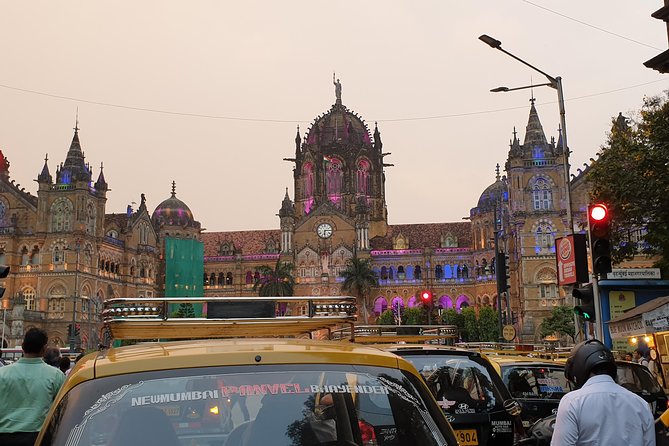
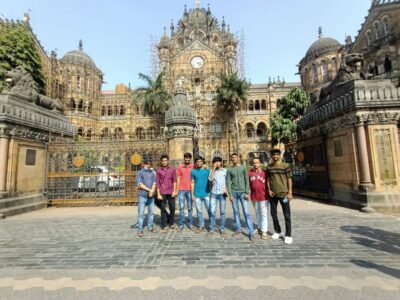
The final major stop is Victoria Terminus Station. Ending at a transportation hub is a good storytelling move because it leaves you with a sense of momentum. You can look at the building and imagine what it means when thousands of people pass through each day.
It’s also a fitting close for a tour centered on how Mumbai functions. After seeing laundry work at Dhobi Ghat and Gandhi’s legacy at Mani Bhavan, you end with a place tied to movement, schedules, and the city’s constant forward motion.
What to do with this last stop
Take a few minutes to just watch how the space feels. Even if you’re not staying long, it helps you file the whole day in your mind: Mumbai isn’t only famous for landmarks—it’s famous for how people actually live and travel inside it.
Price and value: why $49 can make sense for this specific route
At $49.00 per person for about 4 hours, this tour can be good value if you factor in what’s included and what it saves you. You’re paying for:
- an air-conditioned vehicle
- bottled water
- coffee and/or tea
- parking fees
- the guided flow between multiple high-profile stops
You’re also getting a private tour/activity in the sense that only your group participates, and you receive a mobile ticket. For a first visit to Mumbai, reducing transportation friction can be worth real money. If you arrive with limited time and you’d otherwise spend hours trying to plan how to connect Dhobi Ghat, Mani Bhavan, Gateway of India, and civic landmarks efficiently, a planned route often wins.
The main value question
Do you want to do a lot in a short window? If yes, this fits. If you prefer slow museum time and long stays at one place, you may feel the tour is too compact for your style.
Comfort and logistics that matter more than you think
This experience includes pickup, which is a big deal in Mumbai where finding meeting points and managing short travel windows can be stressful. If you’re worried about getting from site to site without wasting time, the included vehicle and guided timing help you get your bearings fast.
You also get reminders built into the experience design:
- good weather is required for the tour to run
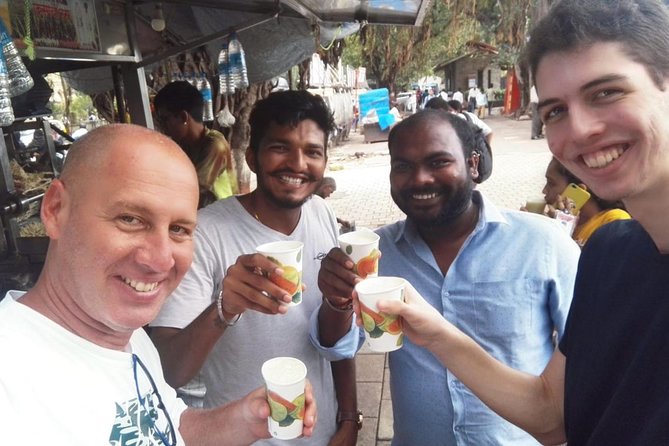
- bottled water and coffee/tea help you stay functional during transitions
- you’re near public transportation, in case you need alternatives
One note for planning: lunch is not included, so if your tour overlaps your usual meal time, you’ll want a simple snack plan before or after.
Who this tour is best for (and who might want something else)
This tour fits best if you:
- have a small amount of leisure time
- want a route that covers multiple famous sites in one go
- appreciate a guide who can explain what you’re seeing in context, including how history is presented
- like the idea of learning city life through a mix of everyday and formal landmarks
If you’re traveling as a group and want to keep things simple, the private setup helps. Reviews also suggest the guides and driver can be courteous and educational, which matters a lot if you’re visiting Mumbai for the first time and don’t yet know local logistics.
If you dislike crowd energy or prefer very long indoor stays, you might be happier with a slower, single-area plan instead.
Book it or skip it: my straight recommendation
I’d book this tour if you want the fastest way to get a high-confidence overview of Mumbai’s major landmarks, with help making sense of what you’re seeing. The included comfort—air-conditioned transport plus water and tea/coffee—and the fact that it’s designed to be a little over 4 hours makes it realistic for short trips.
I’d think twice if you’re the type who needs hours inside a museum to feel satisfied, or if you’re aiming for a relaxed pace with lots of lingering time. In that case, you may end up wanting more time at Mani Bhavan or another stop, even though the route is well stitched together.
If your priority is orientation, storytelling, and a smooth run between key sights, this is a solid choice.
FAQ
How long is the Mumbai tour?
It’s about 4 hours.
What does the tour cost?
The price is $49.00 per person.
Does the tour include pickup and an air-conditioned vehicle?
Pickup is offered, and an air-conditioned vehicle is included.
What’s included in the price?
You get coffee and/or tea, bottled water, air-conditioned vehicle transport, and parking fees.
Is lunch included?
No, lunch is not included.
What if weather is bad?
This experience requires good weather. If it’s canceled due to poor weather, you’ll be offered a different date or a full refund.
Bombay History, Chapter by Chapter
- Heritage Walk: Recommended by Gigi Hadid as a must-do in Mumbai
★ 5.0 · 122 reviews - Best South Mumbai Heritage Walk
★ 5.0 · 122 reviews - Mumbai: South Mumbai Heritage Walking Guided Tour
★ 4.5 · 69 reviews - Hill-station & Heritage: Lonavala & Karla Caves Tour from Mumbai
★ 5.0 · 60 reviews
More Mumbai, Every Kind of Day
- Dharavi slum tour in Mumbai by Female tour guides of the slum
★ 5.0 · 1,976 reviews - Mumbai: Full-Day Sightseeing Tour of Mumbai
★ 4.9 · 1,822 reviews - Private Mumbai Sightseeing Tour (Traveller’s Choice Award Winner)
★ 5.0 · 1,565 reviews - Elephanta Caves & Island Guided Private Tour
★ 5.0 · 1,327 reviews
New on the Mumbai shortlist


Historical Tours, compared.
 ★ 5.0Heritage Walk: Recommended by Gigi Hadid as a must-do in MumbaiFrom $44122 reviews
 ★ 5.0Best South Mumbai Heritage WalkFrom $17122 reviews
 ★ 4.5South Mumbai Heritage Walking Guided TourFrom $2869 reviews
 ★ 5.0Hill-station & Heritage: Lonavala & Karla Caves Tour from MumbaiFrom $7260 reviews
 ★ 5.0Mumbai Heritage Walk and Elephanta Caves ExperienceFrom $2953 reviews
 ★ 5.0Kanheri Caves Heritage TourFrom $4545 reviews
 ★ 4.8South Mumbai: Cultural Heritage Walking TourFrom $1645 reviews
 ★ 5.0Mumbai Private Cultural Tour with Lunch and TransportFrom $13044 reviews
Browse the lists this tour appears in