
Review · OLD BOMBAY HERITAGE WALKS
Mumbai Heritage Walking Tour of Colaba and Fort
South Mumbai hits you fast on foot. This Colaba and Fort heritage walk keeps things tight and human, with a small group of up to 10 and local guide stories you’re unlikely to piece together on your own. It’s built for orientation: you’re watching real city life while also learning why these landmarks matter.
I like that the route strings together big sights with quick context—Gateway of India, St. Thomas Cathedral, Bombay High Court, and Chhatrapati Shivaji Terminus—without wasting your time. The one real consideration is the walking: it’s about 3 hours with a moderate fitness level needed, and there’s no hotel pickup, so you’ll want to reach the start point under your own steam.
In This Review
- Key Things That Make This Walk Worth Your Time
- Why Colaba + Fort Works as a First-Time Mumbai Walk
- Meeting at Regal Cinema and Ending at CSMT
- Gateway of India: The Monument That Shapes the Waterfront
- University of Mumbai Library and Oval Maidan: Colonial Details in Plain Sight
- St. Thomas Cathedral: Old Worship and the Memory It Holds
- Bombay High Court: The Old Bench and the City Around It
- Fashion Street: Shopping Energy Without Getting Lost
- Chhatrapati Shivaji Terminus: UNESCO on Your Feet
- Guides, Photo Help, and the Small-Group Advantage
- Price and Value: What You Get for $66.87
- Who This Tour Fits Best (and Who Might Skip It)
- Should You Book This Colaba and Fort Heritage Walk?
- FAQ
- How long is the Mumbai Heritage Walking Tour of Colaba and Fort?
- How many people are in the group?
- What’s the meeting point for the tour?
- Where does the tour end?
- What does the tour price include?
- Are admission tickets included for the stops?
- Is hotel pickup and drop-off included?
Key Things That Make This Walk Worth Your Time
- Up to 10 people keeps the guide close enough to answer your questions
- Lots of “free admission” stops means you’re not paying extra just to see the sights
- Ends at Chhatrapati Shivaji Terminus so you can roll right into trains, taxis, or nearby exploring
- Bottled water included for an easy day in the street
- Multiple departure times lets you match the walk to your day plan
Why Colaba + Fort Works as a First-Time Mumbai Walk

If you only have a short window in Mumbai, this is the kind of plan that helps you stop feeling lost. Colaba and Fort are where the city’s colonial-era landmarks sit side-by-side with everyday movement—street crossings full of pedestrians, commuters, and shoppers. Instead of reading plaques after the fact, you get spoken context as you walk.
The pacing also matters. At about 3 hours, you can learn a lot without feeling like you’re dragging through the heat for an entire afternoon. It’s long enough to pick up patterns—how Mumbai’s history shows up in architecture and public spaces—but short enough that you still have time afterward to explore on your own.
And because it’s a group experience (small, not crowded), you get the best of both worlds: shared energy plus the ability to ask your guide practical questions as you go.
Meeting at Regal Cinema and Ending at CSMT
You start at the Regal Cinema Building on Chhatrapati Shivaji Maharaj Marg in Apollo Bandar, in the Colaba area. That location is handy because it places you near the waterfront zone where many visitors begin sightseeing, so it’s a natural first step.
The finish is at Chhatrapati Shivaji Terminus (CSMT), in the Fort area. Ending at CSMT is a smart move because it’s not just a sight—it’s a transport hub. After the walk, you can usually connect onward quickly, whether that means heading to another neighborhood, grabbing a ride, or simply using the station as a landmark to navigate.
Also worth noting: this tour is near public transportation. That matters in Mumbai, where routes and timing can shift. You’ll feel less stuck if you need to adjust your day plan.
Fort and Colaba, covered street by street




Gateway of India: The Monument That Shapes the Waterfront
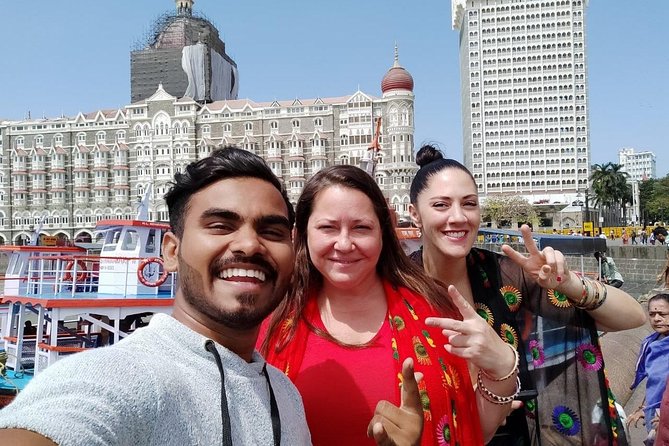
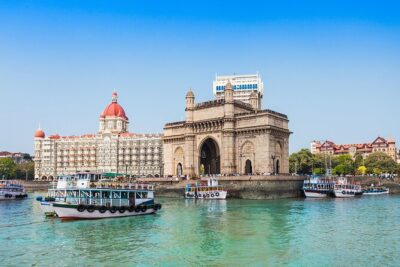
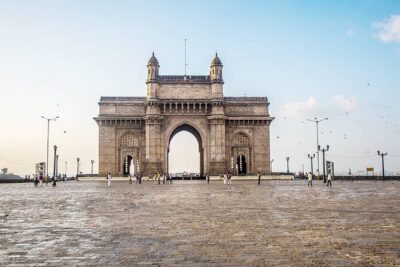
The walk begins with Gateway of India, one of Mumbai’s most recognizable landmarks. It’s an arch monument built in the early twentieth century, tied to a famous moment in December 1911 when King-Emperor arrived at Apollo Bunder. Even if you’ve seen it in photos, you’ll understand it more once you’re standing there and hearing how the location fits into the city’s story.
What you get here is a “why this place exists” moment. Gateway of India isn’t just a photo stop; it’s a marker for how the city presented itself in a particular era. As you move forward from the monument, the rest of your route starts to feel like chapters that connect.
This is also one of those stops where you’ll feel the city wake up around you. People gather, street activity flows, and you’ll see how a major monument sits inside everyday motion—something you won’t fully notice if you only visit once and then rush to the next thing.
University of Mumbai Library and Oval Maidan: Colonial Details in Plain Sight
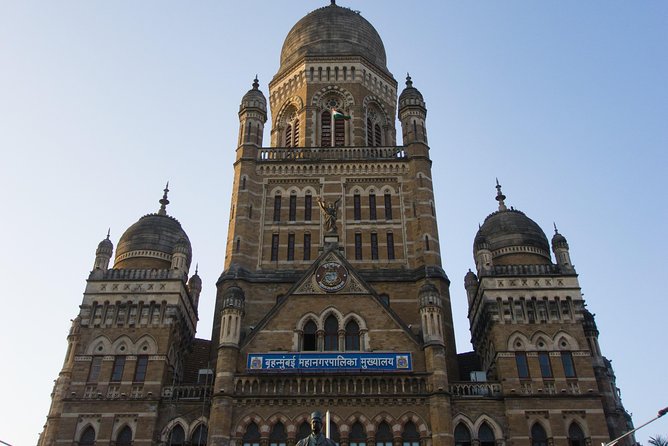
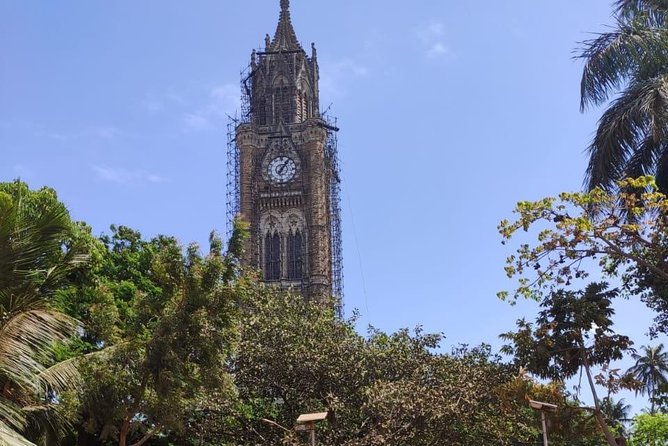
Next comes a stop tied to the University of Mumbai Library, with time to appreciate the colonial architecture. One fun detail you might catch is Mumbai’s Big Ben reference—a nickname that helps visitors relate these buildings to the kind of clock-and-tower design language they recognize from elsewhere.
This stop works best if you slow down and look up. From street level, you can miss how much design thinking is embedded in these structures. Your guide’s job here is to point out what you’d likely overlook if you wandered in without context.
Then you’ll head to Oval Maidan pedestrian crossing, a colonial park where cricket is a daily character in the background. If you’re expecting only old stone and museum-style sightseeing, Oval Maidan gives you the everyday version of heritage: a public space still used the way locals use it.
The value of this section is that you see Mumbai as both historic and living. The “other” religion line that often comes up with Oval Maidan is basically shorthand for how deeply cricket is woven into daily life—something you’ll feel even in a quick walk-by.
St. Thomas Cathedral: Old Worship and the Memory It Holds
At St. Thomas Cathedral Mumbai, you’re in one of the older cathedrals in the city. This stop is a shift in tone from parks and public architecture to religious history, plus the memorial aspect that makes the cathedral meaningful beyond its buildings.
You’ll also see memorials of fallen British soldiers and their families. That detail can land differently depending on your perspective. For some people, it’s history in stone. For others, it’s a reminder of how empire-era events echo through places long after the original moment.
If you’re the type who appreciates atmosphere, this is a great time to take a breath and let the guide’s context sink in. And if you’re more photo-focused, it’s still worth slowing down—cathedrals tend to photograph better when you understand what to frame and why.
More Gothic arches and Deco curves of old Bombay
- Best South Mumbai Heritage Walk
★ 5.0 · 122 reviews - Heritage Walk: Recommended by Gigi Hadid as a must-do in Mumbai
★ 5.0 · 122 reviews - Mumbai: South Mumbai Heritage Walking Guided Tour
★ 4.5 · 69 reviews - Hill-station & Heritage: Lonavala & Karla Caves Tour from Mumbai
★ 5.0 · 60 reviews - Mumbai Heritage Walk and Elephanta Caves Experience
★ 5.0 · 53 reviews - South Mumbai: Cultural Heritage Walking Tour
★ 4.8 · 45 reviews
Bombay High Court: The Old Bench and the City Around It
Bombay High Court is the kind of landmark that looks impressive from outside, but it takes a guide to tell you what it represents. It’s one of the oldest high courts in India, and your stop is designed to help you connect that fact to what you’re actually seeing in the streets.
This is where a walking tour beats a quick drive-by. When you’re nearby on foot, you notice how the surrounding area supports the institution—how people move, where pauses happen, and how the building sits within the urban fabric.
The drawback here is also simple: you may not get the same inside access you’d expect from a museum ticket. The good news is that your time is structured, so you’re not stuck standing around waiting for something that isn’t part of the walk.
Fashion Street: Shopping Energy Without Getting Lost

Then you’ll get to Fashion Street, a cluster of more than 385 street-side clothing shops. It’s popular, and it’s known for bargaining, so this is a stop that can change depending on your mood.
If you’re shopping, this is a natural place to slow down. You’ll have a chance to browse without feeling like you’re wandering aimlessly through a maze of stalls. If you’re not shopping, you’ll still benefit from seeing how commerce works up close in Colaba’s retail zone—signs, crowds, quick conversations, and the rhythm of a shopping street.
Just keep your expectations realistic. This is not a quiet cultural stop. It’s lively commerce, and it’s best if you treat it like a short reset before the walk’s big finale.
Chhatrapati Shivaji Terminus: UNESCO on Your Feet
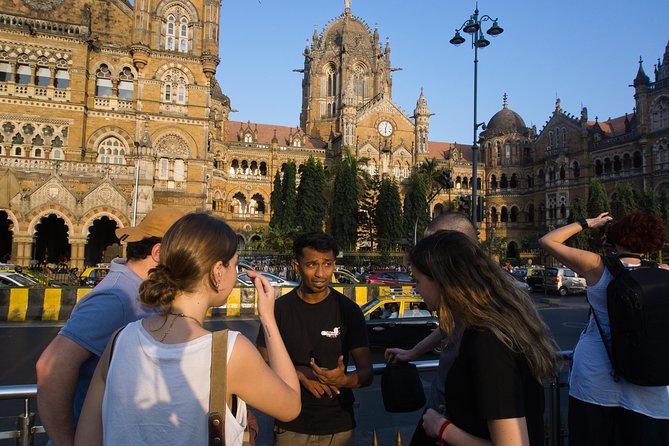
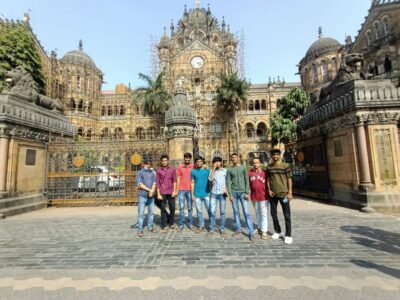
The final landmark on this heritage loop is Chhatrapati Shivaji Terminus (CSMT). It’s described as one of the most beautiful train stations in India and a UNESCO Heritage Site, and when you’re at the end of a walking route like this, it’s the perfect payoff.
Why it works as a finale: you’ve spent the walk moving through layers of Mumbai’s identity—monuments, education, religion, law, shopping—and now you land at a transportation icon that also carries heavy architectural weight. It’s a reminder that infrastructure can be heritage too.
You’ll have about 15 minutes here, which is enough time to take in the overall scene and capture photos, even if you don’t go into any detailed interior spaces. And since you finish right in the CSMT area, you’re set up to keep exploring without needing to retrace your steps.
Guides, Photo Help, and the Small-Group Advantage
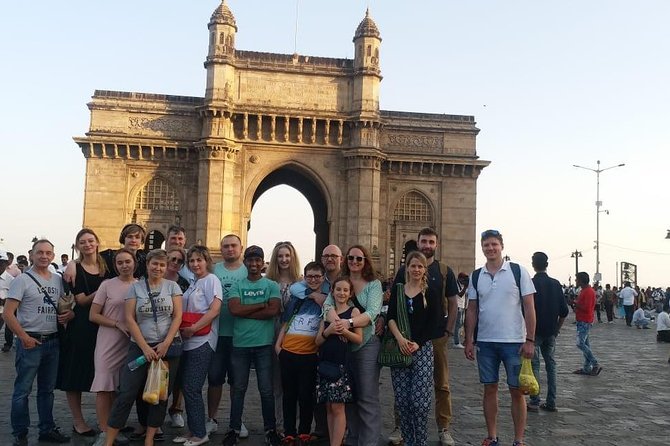
The small-group format is the real engine behind this tour. When the group size maxes at 10, the guide isn’t just herding people past stops. You can ask quick questions, get photo tips, and get better explanations of details that matter.
The guide experience also shows up in the human stuff: help with photos, friendly engagement, and practical ideas for what to do next. In one example, a guide named Dev is noted for being enthusiastic and knowledgeable, plus being helpful with getting a shared taxi at the end. Another guide, Anthony, is described as offering an excellent South Mumbai orientation and adding unique stops like Victoria station and Marine Drive, along with market-style variety such as fish and spice areas.
You don’t need to expect detours every time, but you can count on the guide to make the walk feel personal rather than scripted. And if you’re someone who likes hearing how daily life fits into the historical story, a good guide will make that connection for you.
One more practical plus: bottled water is included. That’s not glamorous, but it’s genuinely useful when you’re walking in the heat and you don’t want to manage snack-and-drink logistics mid-route.
Price and Value: What You Get for $66.87
At $66.87 per person for a roughly 3-hour small-group walk, you’re paying for two main things: expert local context and a streamlined route through major sights. You’re not paying for entry fees at every stop. Many of the stops list free admission tickets, which means the cost is largely about guiding and not gatekeeping.
Also, because this is offered multiple times per day, you can often fit it into your first day in Mumbai (or anytime you want a structure). Getting oriented early is a real value lever. Once you know where Gateway of India, Oval Maidan, the cathedral zone, and CSMT sit relative to each other, your later self-guided exploring gets easier.
Group discounts are mentioned as a feature too. If you’re traveling with friends, it’s worth checking whether you can lower the per-person cost by booking as a group.
Finally, the tour uses mobile tickets and includes bottled water. Those small operational details add up to a smoother experience, especially if you’re also juggling other activities that day.
Who This Tour Fits Best (and Who Might Skip It)
This is a great fit if you want a history-and-context walk without getting buried in academic details. It’s also ideal if you like practical sightseeing: you want to see key locations, understand what they mean, and then keep moving into the rest of your day.
You should be prepared for moderate walking and an outdoor route. There’s no hotel pickup, so you’ll need to get to the start point near Apollo Bandar on your own. If you’re short on time and you’re trying to cover a lot of ground efficiently, that’s exactly what this is built for.
If you hate walking, or you need a more inside-focused itinerary with fewer street transitions, this may feel like too much “on the move.” But if you can do a 3-hour walk, you’ll come away with better direction through South Mumbai.
Should You Book This Colaba and Fort Heritage Walk?
Book it if:
- You want an organized introduction to Colaba + Fort in one compact outing
- You value small groups and a guide who can explain what you’re looking at
- You like the idea of finishing at CSMT so your next plan is easy
Skip it if:
- You can’t handle about 3 hours of walking and street-level movement
- You strongly prefer tours with hotel pickup and a less walk-heavy format
My take: this is good value for the number of major sights you touch—Gateway of India, St. Thomas Cathedral, Bombay High Court, and the CSMT finale—especially because many stops involve free admission. If you’re in Mumbai for just a few days and want to feel oriented fast, this is a smart way to spend your time.
FAQ
How long is the Mumbai Heritage Walking Tour of Colaba and Fort?
It’s about 3 hours.
How many people are in the group?
The tour has a maximum of 10 travelers.
What’s the meeting point for the tour?
You meet at the Regal Cinema Building, Chhatrapati Shivaji Maharaj Marg, Apollo Bandar, Colaba, Mumbai.
Where does the tour end?
It ends at Chhatrapati Shivaji Terminus (CSMT) in the Fort area.
What does the tour price include?
The price includes a professional local guide and bottled water.
Are admission tickets included for the stops?
Admission tickets are listed as free for the stops included in the walking route, so you’re not typically paying entry fees for these particular sights.
Is hotel pickup and drop-off included?
No, hotel pickup and drop-off are not included.
More Mumbai, Every Kind of Day
- Dharavi slum tour in Mumbai by Female tour guides of the slum
★ 5.0 · 1,976 reviews - Mumbai: Full-Day Sightseeing Tour of Mumbai
★ 4.9 · 1,822 reviews - Private Mumbai Sightseeing Tour (Traveller’s Choice Award Winner)
★ 5.0 · 1,565 reviews - Elephanta Caves & Island Guided Private Tour
★ 5.0 · 1,327 reviews
Old Bombay, Building by Building
- Best South Mumbai Heritage Walk
★ 5.0 · 122 reviews - Heritage Walk: Recommended by Gigi Hadid as a must-do in Mumbai
★ 5.0 · 122 reviews - Mumbai: South Mumbai Heritage Walking Guided Tour
★ 4.5 · 69 reviews - Hill-station & Heritage: Lonavala & Karla Caves Tour from Mumbai
★ 5.0 · 60 reviews
Fort and Colaba, Round Two
- Group Guided Walking Tour in Fort and Colaba
★ 5.0 · 1,073 reviews - Private Guided Walking Tour in Fort & Colaba
★ 5.0 · 895 reviews - Private Guided Open Jeep Tour in Fort & Colaba
★ 5.0 · 170 reviews - Bombay Fort Heritage Walking Tour
★ 5.0 · 27 reviews
New on the Mumbai shortlist



Old Bombay Heritage Walks, compared.
 ★ 5.0Best South Mumbai Heritage WalkFrom $17122 reviews
 ★ 5.0Heritage Walk: Recommended by Gigi Hadid as a must-do in MumbaiFrom $44122 reviews
 ★ 4.5South Mumbai Heritage Walking Guided TourFrom $2869 reviews
 ★ 5.0Hill-station & Heritage: Lonavala & Karla Caves Tour from MumbaiFrom $7260 reviews
 ★ 5.0Mumbai Heritage Walk and Elephanta Caves ExperienceFrom $2953 reviews
 ★ 5.0Kanheri Caves Heritage TourFrom $4545 reviews
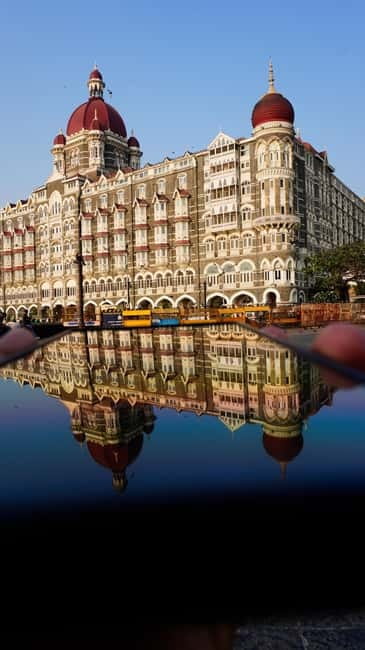 ★ 4.8South Mumbai: Cultural Heritage Walking TourFrom $1645 reviews
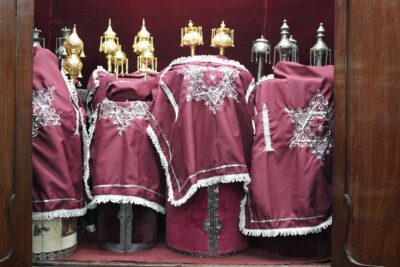 ★ 5.0Private Mumbai Jewish Heritage Tour: Baghdadi & Bene IsraelFrom $9636 reviews
Browse the lists this tour appears in