
Review · HOME KITCHENS & COOKING CLASSES
Mumbai Coastal Cooking: From Fishing Net to Flavourful Plate
Mumbai’s seafood story is told up close. This 3-hour outing takes you from the working edge of town—boats, nets, and fish stalls—to a hands-on cooking lesson in a fisher family home. I especially liked the net-weaving and fishing rhythm you can see firsthand, and the way the class turns into real, practical home cooking with people you can actually talk to. One thing to consider: access to parts of the fishermen’s village can sometimes be limited, so the experience may shift toward cooking at the host’s home instead.
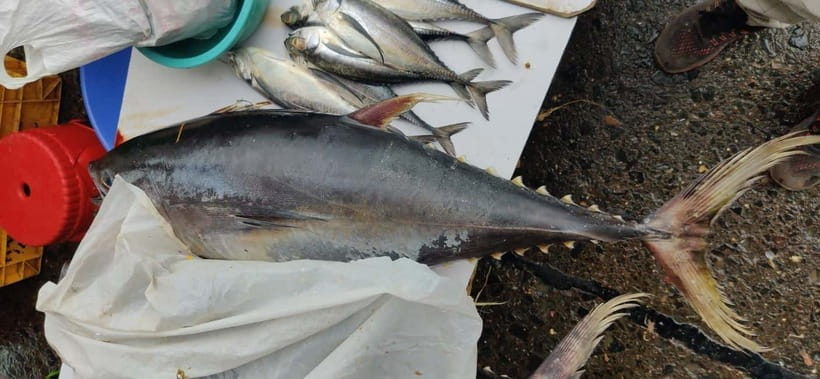
It also feels different from the usual food tour because you’re not just tasting. You’re walking through the places where the food starts. You’ll see the docks, browse the fish market, and meet fish sellers—often women in colorful sarees—who know exactly what’s fresh and why.
The “why” behind the dishes matters here. You get context while you work: spice levels, seafood choices, and the small habits that keep food consistent. Still, this is a short tour, so bring a little curiosity and some patience for a schedule that can flex.
In This Review
- Key things I’d circle in the schedule
- From pickup to fishermen’s docks: the tour’s fast, friendly start
- Fishermen’s village and the net-weaving view you can’t fake
- Fish market time: choosing what’s fresh with real sellers nearby
- A cooking class with Kavita (and Ravi): from market to mandeli
- What you’ll learn (beyond recipes): how Mumbai seafood cooking thinks
- Logistics that affect your comfort: time, walking, and expectations
- Price and value: why $21 can feel like more
- Who should book this, and who might want a different plan
- Should you book Mumbai Coastal Cooking?
- FAQ
- How long is the Mumbai Coastal Cooking experience?
- Where is the experience located?
- What does the $21 price include?
- Is this experience private or shared?
- What language is used during the tour?
- What kind of food do you cook?
- Will I be able to cook or is it just watching?
- Can I cancel for a refund?
- Is reserve now & pay later available?
- What if the fishermen’s village can’t be visited?
Key things I’d circle in the schedule
- Tuk-tuk ride that gets you from a meeting point to the fishing neighborhood without fuss
- Net weaving and fishing techniques you can watch, not just hear about
- Fish market time with sari-clad vendors selling fresh catches face-to-face
- Hands-on cooking where you help make several items, not just snack
- English conversations with your hosts (Kavita and Ravi are specifically mentioned)
- Possible village access changes that can trade sightseeing for more time cooking
From pickup to fishermen’s docks: the tour’s fast, friendly start
This experience moves at a human pace. You start by meeting your host or greeter at a point that can vary depending on what you booked. From there, you’ll hop into a tuk-tuk for the short ride into the fishing area. It’s a simple start, but it matters. You’re not trying to figure out your way through a crowded neighborhood while hungry and jet-lagged. The whole point is to get you into the flow quickly.
Right away, you’re heading toward the heart of Mumbai’s working coast. The tour is framed around the fishermen—once linked to Mumbai as a cluster of islands—because fishing wasn’t a side hobby there. It was the main job. That context hangs over everything you’ll see next: the boats, the docks, the market, and finally the food.
You’ll also hear about a historic festive ground connected to British history. Even if you don’t go looking for colonial-era details in Mumbai, it’s a reminder that coastal communities have been interacting with outside forces for a long time. The tour uses that context to deepen the food story, not to turn it into a museum lecture.
Fishermen’s village and the net-weaving view you can’t fake
One of the biggest wins here is visibility. You get to see fishing work up close, including traditional net weaving and techniques. This is the part that makes the later cooking lesson feel grounded. When you watch someone handle a net, you understand why certain dishes rely on fresh fish and quick preparation.
The route includes a visit to the fishermen’s village and then time near the beach to observe the boats. From the docks, you’ll also stroll through the fishing traffic—where the day’s catch becomes the day’s cooking. That’s what you’re buying with this experience: direct contact with the source.
Now, a practical note: access restrictions can happen. In one verified booking, the fishermen’s village visit wasn’t possible and the group shifted to meeting at the host’s home instead. If you hate itinerary surprises, keep your expectations flexible. If you love food and conversation more than checklists, you’re likely to land on your feet.
Other Mumbai kitchens that will teach you their recipes

Fish market time: choosing what’s fresh with real sellers nearby
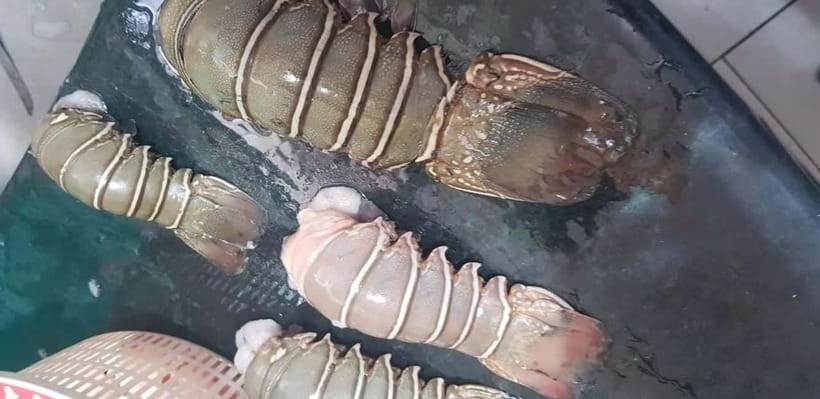
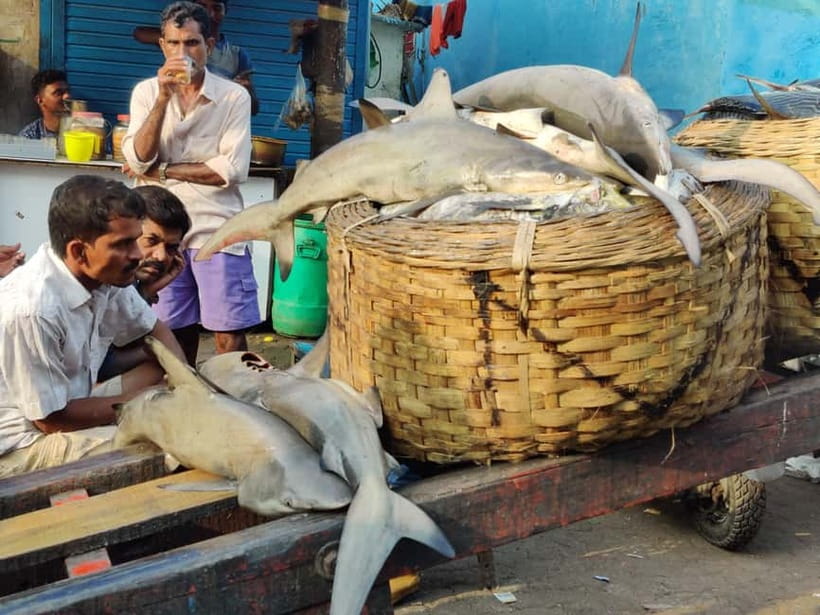
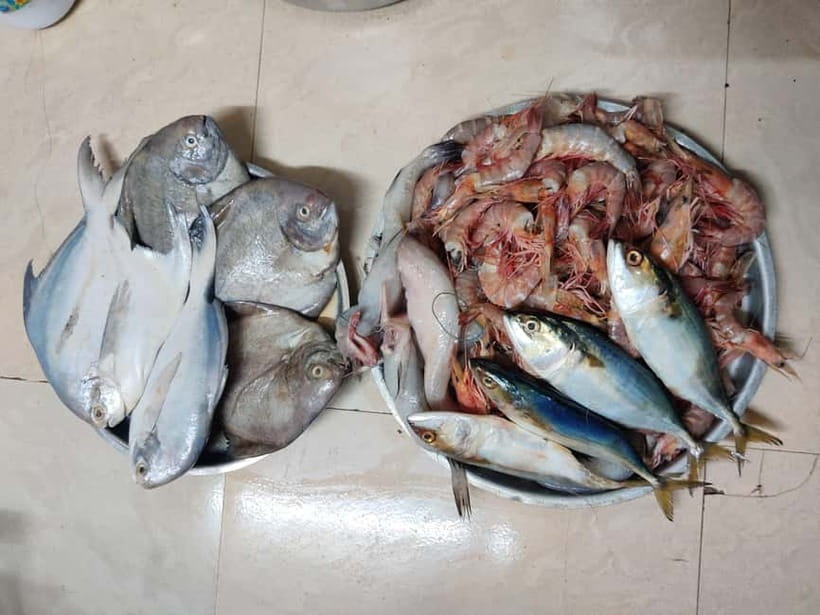
The fish market segment is where the tour earns its keep. You don’t just walk past stalls. You spend time in the lively market environment where you’ll meet vendors—especially women in colorful sarees—selling fresh catches. That human interaction is the whole point.
Here’s what you gain by being there in person: the ability to notice what people buy and how they talk about it. Fish stalls can look similar to outsiders, but a local seller can explain what’s good today and what’s better for curry versus frying. The tour’s structure gives you a chance to ask questions and learn through observation, not through a script.
It also sets you up for the cooking class. When you’ve seen the market, ingredients stop being vague. You’ll start thinking about texture, oil needs, and spice balance. You’ll also get a clearer sense of how seafood dishes differ across Mumbai kitchens, shaped by what the coast supplies.
If you’re sensitive to smells or crowded spaces, give yourself a quick mental plan: keep moving, don’t linger too long if it’s intense, and lean on your host if you want help navigating.
A cooking class with Kavita (and Ravi): from market to mandeli
The cooking portion is the centerpiece. You’ll head to a local home for a hands-on session where you prepare traditional Mumbai fish delicacies. You’re not stuck watching from the side. You’ll work.
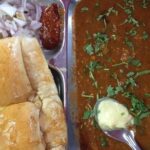
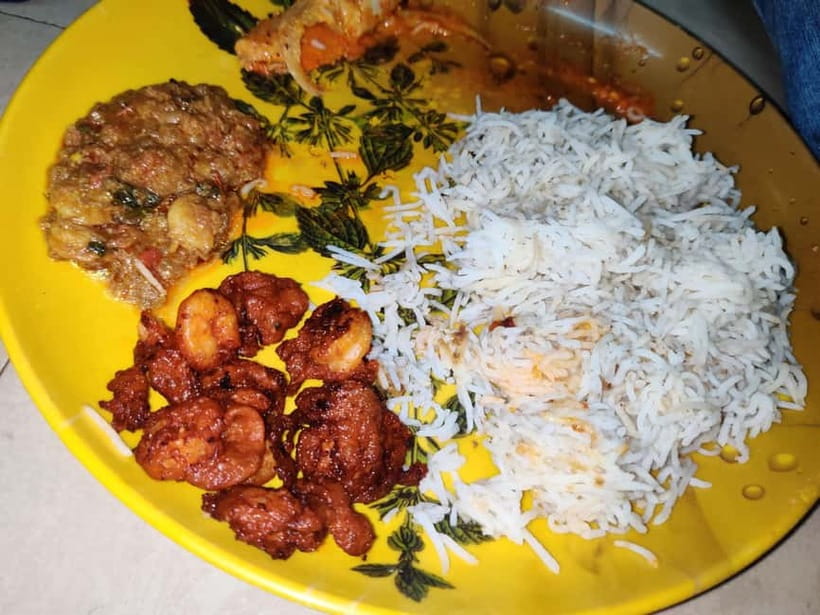
The menu can include fish curry, chicken dishes, a local fisherman’s bread, and a sour-spicy drink. In the cooking accounts I saw, mandeli is specifically called out as a highlight—along with fish curry, rice, and roti. One person also mentioned chapati and roti guidance during the lesson.
This is where the host’s teaching style matters. Kavita is repeatedly described as warm and clear in English. Ravi also joins in in at least one cooking setting, which adds a second perspective and usually means more conversation while the food is simmering.
What I like about this home-kitchen format is the small, practical control. In many cooking classes, you make one dish and move on. Here, you’re building an actual meal. You learn how different components fit together: something fried, something saucy, something with bread or rice, and something sharp and sour-spicy to balance it out.
You can also expect a relaxed pace in the room. One account describes cooking and talking together for around three hours, with the host answering lots of questions while preparing the meal. Another account describes a longer experience in the home, stretching close to four hours. That extra time usually means you get more technique and more chance to ask why.
And yes—if you want to help, you often can. In one instance, a participant was able to help fry one batch of mandeli. That kind of hands-on involvement turns the class from entertainment into skill-building.
What you’ll learn (beyond recipes): how Mumbai seafood cooking thinks
The recipes are the obvious part. But the deeper lesson is how Mumbai seafood meals are put together.
You’ll see that cooking here isn’t only about spice. It’s about matching the fish or seafood to the method. Frying needs different handling than curry. Curry needs timing and liquid balance. Bread and roti are not side thoughts—they’re the tool that makes the sauce usable, not just edible.
Your host will likely explain choices as you cook. Even when you don’t catch every detail, you’ll notice patterns:
- A curry is built in layers: aromatics, spice, and then the fish handled in a way that keeps it from turning tough.
- Fried seafood needs attention: oil temperature and batter/spice mixing affect texture fast.
- Bread makes eating practical: you don’t just taste; you combine.
Another subtle benefit: you learn food culture through everyday talk. In one account, someone described feeling their assumptions shift after getting welcomed into the home and hearing stories about daily life and dreams. That matters because food doesn’t live in a vacuum. It lives in homes, routines, and community identity.
If you’re the type who reads ingredient lists and then wonders what people actually do in real kitchens, this format answers that question quickly. You’ll leave with a better sense of how to recreate the flavors, not just the steps.
- Dharavi slum tour in Mumbai by Female tour guides of the slum
★ 5.0 · 1,976 reviews - Mumbai: Full-Day Sightseeing Tour of Mumbai
★ 4.9 · 1,822 reviews - Private Mumbai Sightseeing Tour (Traveller’s Choice Award Winner)
★ 5.0 · 1,565 reviews - Group Guided Walking Tour in Fort and Colaba
★ 5.0 · 1,073 reviews - Highlights of Mumbai Sightseeing Tour: TRAVELLERS CHOICE AWARDED
★ 5.0 · 915 reviews - Private Guided Walking Tour in Fort & Colaba
★ 5.0 · 895 reviews
Logistics that affect your comfort: time, walking, and expectations
This experience is listed as 3 hours. Some accounts describe more time in the home, so plan on a bit of flexibility. The tour is also described as a private group. That typically makes it easier to ask questions and adjust pace—especially in market areas where movement can be tight.
You’ll do some walking: market time, docks stroll, and the village/beach components. It’s not described as a long hike, but coastal neighborhoods can mean uneven ground and salt-air breezes. Wear comfortable shoes. If you want to take photos, bring a little patience; you’ll be near working areas, and people may not love camera focus in their daily tasks.
English is supported by the host or greeter. That’s a real quality factor here. Food tours are often easiest when language barriers don’t get in the way of conversation, especially when you’re hearing family stories while cooking.
Finally, keep in mind that access restrictions can change the village visit. Think of it like this: the sightseeing portion might shrink, but the cooking and conversation time can expand. If you treat this as a food-and-people experience first, you’ll likely enjoy the final result.
Price and value: why $21 can feel like more
At about $21 per person for a roughly 3-hour experience, this sits in a budget-friendly zone for Mumbai food tours. The value isn’t just the meals you taste. You’re paying for a whole chain of activities tied together:
- tuk-tuk ride to the area
- market time
- fishing community context (village/docks/beach elements when accessible)
- a hands-on cooking class in a local home
Home cooking classes in major cities can easily cost more, and market visits are often treated like an add-on. Here, the market and cooking are connected. If you walk away with a better understanding of fish curry logic, fried seafood texture, and how roti or rice is meant to be used, you’re getting something tangible.
It’s also good value because the teaching is interactive. Hosts like Kavita (and Ravi in at least one cooking setting) are described as speaking very good English and guiding steps carefully. That reduces the usual friction of cooking classes where you can’t follow instructions clearly.
If you’re only in town for a day and want a single, focused experience that combines food and daily life, this is the kind of stop that packs a lot into a short window.
Who should book this, and who might want a different plan
This tour is a strong match if you:
- love seafood cooking and want to learn real technique
- enjoy market wandering when it’s guided by people who actually know the ingredients
- like conversation and local stories, not just a checklist of sights
- want a private setting where you can ask questions in English
It may not be the best fit if you:
- want a strict, never-changes itinerary with guaranteed village access
- dislike fish market environments or don’t want to be around working docks
- prefer big-group pacing with zero interaction
If you’re somewhere in the middle, I’d still lean toward booking. Even with possible access changes, the cooking experience at the home is repeatedly described as the highlight, and that part is the heart of what you’re paying for.
Should you book Mumbai Coastal Cooking?
Yes, if your goal is food with context and a real sense of how coastal life shapes what ends up on the table. The repeated praise centers on the same things: the warm host experience, excellent English conversation, and cooking that’s hands-on and genuinely satisfying.
Be smart about your expectations. Village access can be affected by restrictions, so don’t treat the dock-and-village viewing as the only reason to go. If that part changes, you may still get a memorable, personal home-cooking experience—complete with items like mandeli, fish curry, rice, roti/chapati, and a sour-spicy drink.
In short: book this if you want a personal Mumbai food moment that goes beyond tasting. You’ll likely remember the conversations as much as the food.
FAQ
How long is the Mumbai Coastal Cooking experience?
It’s listed as 3 hours.
Where is the experience located?
It’s in Maharashtra, India, centered on Mumbai’s fishing areas.
What does the $21 price include?
The experience includes a visit to the fisherman’s village, a tuk-tuk ride, a fish market visit, and coastal food cooking classes.
Is this experience private or shared?
It’s listed as a private group.
What language is used during the tour?
The host or greeter provides English.
What kind of food do you cook?
The class focuses on traditional Mumbai fish delicacies, and the menu can include fish curry, chicken dishes, fisherman’s bread, and a sour-spicy drink.
Will I be able to cook or is it just watching?
It’s described as a hands-on cooking session, where you prepare dishes with the host.
Can I cancel for a refund?
Yes. You can cancel up to 24 hours in advance for a full refund.
Is reserve now & pay later available?
Yes. It offers reserve now & pay later, with an option to pay nothing today.
What if the fishermen’s village can’t be visited?
In one verified booking, access restrictions meant the fishermen’s village visit wasn’t possible, and the experience shifted to meeting at the host’s home for cooking and conversation instead.
More Mumbai, Every Kind of Day
- Dharavi slum tour in Mumbai by Female tour guides of the slum
★ 5.0 · 1,976 reviews - Mumbai: Full-Day Sightseeing Tour of Mumbai
★ 4.9 · 1,822 reviews - Private Mumbai Sightseeing Tour (Traveller’s Choice Award Winner)
★ 5.0 · 1,565 reviews - Elephanta Caves & Island Guided Private Tour
★ 5.0 · 1,327 reviews
Into More Mumbai Kitchens
- Mumbai: Indian Cooking Class & Cultural Delights
★ 5.0 · 38 reviews - Indian Curry 5-Hour Cooking Classes In Mumbai
★ 5.0 · 22 reviews - Private Market Tour and Vegetarian Cooking Class in Mumbai
★ 4.5 · 15 reviews - Small Group Authentic Mumbai Virtual Cooking Class with Dessert
★ 5.0 · 15 reviews
New on the Mumbai shortlist





Home Kitchens & Cooking Classes, compared.
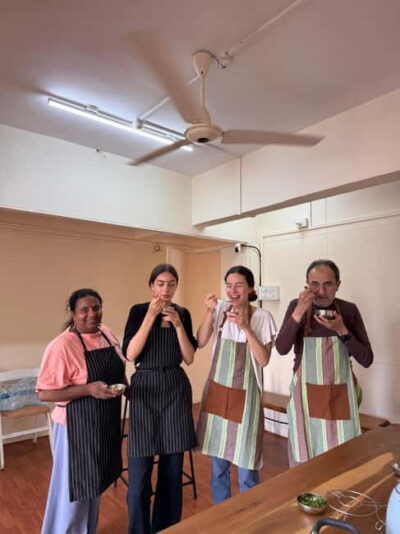 ★ 5.0Indian Cooking Class & Cultural DelightsFrom $2738 reviews
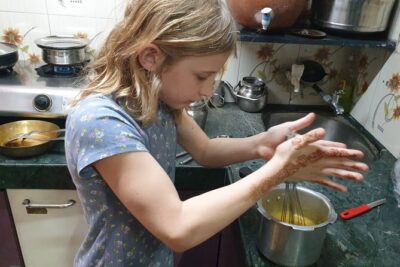 ★ 5.0Indian Curry 5-Hour Cooking Classes In MumbaiFrom $5922 reviews
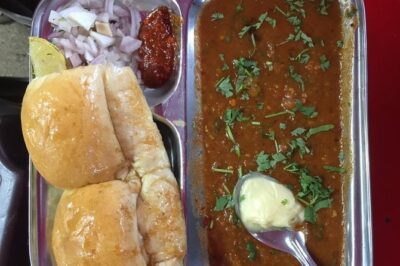 ★ 5.0Small Group Authentic Mumbai Virtual Cooking Class with DessertFrom $2015 reviews
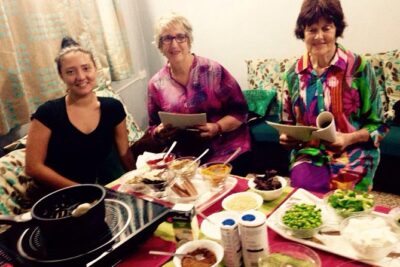 ★ 5.0Private Cooking Class in MumbaiFrom $12015 reviews
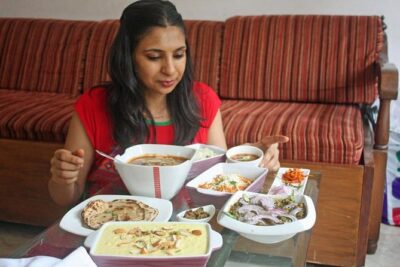 ★ 4.5Private Market Tour and Vegetarian Cooking Class in MumbaiFrom $6415 reviews
 ★ 5.0LIVE cooking experience from IndiaFrom $5611 reviews
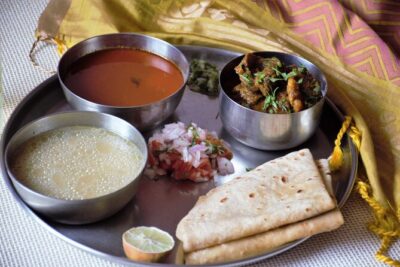 ★ 4.5Mumbai Market Tour & Maharashtrian Cooking Class with Chef ReshmaFrom $6810 reviews
 ★ 5.0Authentic Mumbai: Home-Cooked Meal with a Local HostFrom $149 reviews
Browse the lists this tour appears in