
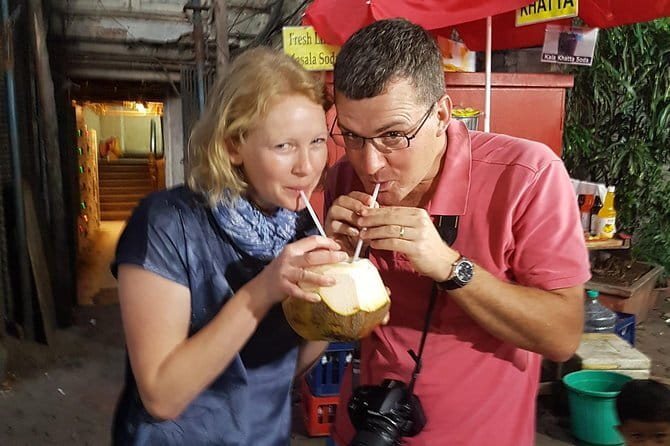
Review · MUMBAI STREET FOOD CRAWLS
Full-Day Food Tour of Mumbai with Spice Bazaar Visit
Spices and street food, all in one day. This full-day Mumbai tour mixes Dhobi Ghat, a guided walkthrough of the Spice Bazaar, and multiple tastings across North Indian, South Indian, and coastal flavors, plus iconic landmarks along the way. The format is simple: you eat, learn, and get just enough sightseeing to feel like you truly understand the city’s food culture.
Two things I especially liked: the door-to-door hotel pickup/drop-off that keeps the day from getting messy, and the way the guide built the itinerary around what I cared about. I also have to give a nod to guide Danesh—fun, energetic, and clearly willing to adjust the pacing so the stops feel useful, not rushed. You’ll also get chai and snacks along the way, not just one big meal.
One consideration: this is a food-focused day, so come hungry and be ready for bold spices. If you’re very sensitive to heat or strong flavors, you’ll want to speak up early so the guide can steer you toward the most comfortable options.
In This Review
- Key highlights you’ll actually feel
- Hotel pickup and a food-first start at 10:00
- Dhobi Ghat and ginger masala chai: the morning context
- Spice Bazaar: how to shop spices without getting lost
- Street snacks plus a rare family-style stop
- Train ride and dabbawallas: seeing logistics in motion
- Landmarks break: Gateway to India, Crawford Market, and Chhatrapati Shivaji Terminus
- North Indian three-course lunch: spices you can describe later
- South Indian and coastal flavors: the second tasting hit
- Dessert shop finale: choose sweets, compare textures
- Price and value: what $85 includes (and why that matters)
- Who this Mumbai food tour suits best
- Should you book this full-day Mumbai food tour?
- FAQ
- How long is the Mumbai food tour?
- What time does the tour start?
- What’s included in the price?
- Is alcohol included?
- What stops and tastings are part of the route?
- Is free cancellation available?
Key highlights you’ll actually feel
- Dhobi Ghat open-air laundry visit gives context for daily life in Mumbai, paired with chai right after.
- Masala chai stop is timed early, with ginger-flavored tea that helps you reset for the spice market.
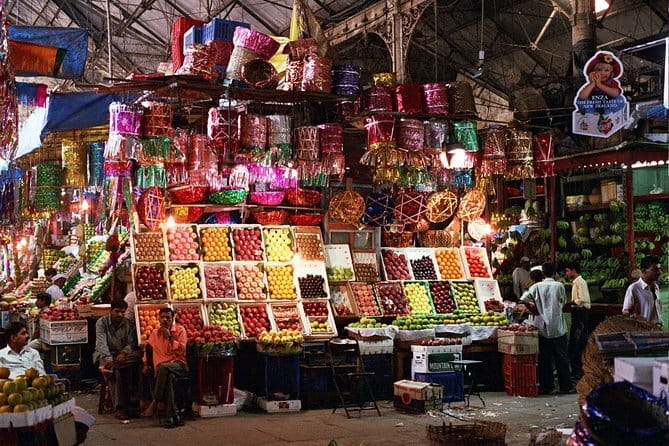
- Spice Market time to shop means you can buy whole spices, ground spices, and blended spices with guidance.
- Street snacks + a family-style restaurant adds variety beyond restaurant meals.
- Train ride for the dabbawallas helps you see how workplace food delivery works in real life.
- Dessert shop finale lets you choose from dozens of sweets, so you can sample without committing to one.
Hotel pickup and a food-first start at 10:00
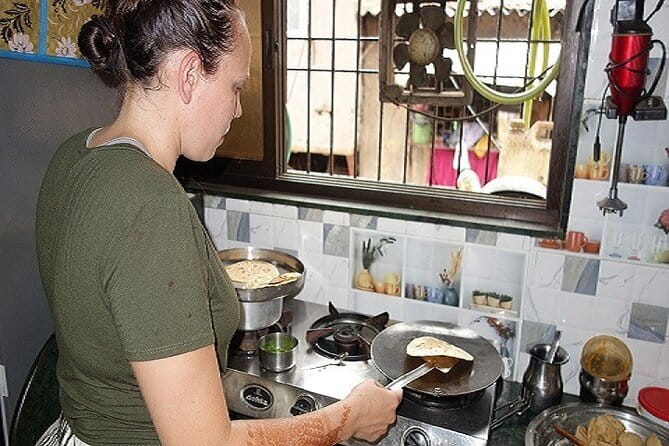
The day begins at 10:00 am with a hotel pickup and the kind of straightforward handoff you want on a big-city day. You’ll get a quick introduction to what’s planned, then you’ll start moving right away. That matters in Mumbai, where the time between stops can disappear fast if you’re figuring things out on your own.
Another practical win: bottled water is included, so you don’t lose momentum hunting for it mid-walk. And since the tour is described as a private experience for your group, you’re not competing with a crowd for seating at the tasting spots.
I also like the rhythm of the schedule. You’re not waiting until lunch to begin tasting; the first food experience comes early, so you get value immediately instead of treating the day like a sightseeing day that happens to include food.
Dhobi Ghat and ginger masala chai: the morning context
Your first major stop is Dhobi Ghat, described as Asia’s largest open-air laundry. Even if you’re not into laundry as a topic (I wasn’t), this place works because it shows you the behind-the-scenes labor that keeps the city moving. You’ll see how work happens in public space, and that makes later food stops feel more grounded—Mumbai isn’t just sights and shopping; it’s daily systems.
Right after arriving, you’ll try masala chai—the tour notes ginger-flavored chai specifically. I like that this comes at the start of the day. Tea like this does two jobs: it warms you up and it resets your taste buds before spices enter the picture.
Practical tip: wear comfortable shoes. You’ll be outside and walking through a working environment, so plan for uneven areas and lots of looking up and around.
Still hungry? Vada pav and kebab crawls to line up next

Spice Bazaar: how to shop spices without getting lost
Next comes the Spice Market, where the guide helps you understand what you’re looking at. The focus isn’t just “here are spices.” You’ll learn about whole spices, ground spices, popular blends, and local spices—the differences that matter if you want to cook with what you buy later.
Then you get time to walk around and shop if you want. This is a big value point because buying spices in a market can go sideways if you don’t know what anything is. With guidance, you can ask smarter questions and compare what you’re seeing against the basics you just learned.
What I’d do with this time:
- Pick 2–3 blends you can actually use at home, not just the prettiest tins.
- If you’re buying whole spices, decide how you’ll use them (infusions, tempering, grinding later).
- Taste or smell carefully when allowed, since blends can vary by vendor.
Also, don’t underestimate how strong the aromas are in a spice market. Your nose will remember the day long after your camera roll is full.
Street snacks plus a rare family-style stop
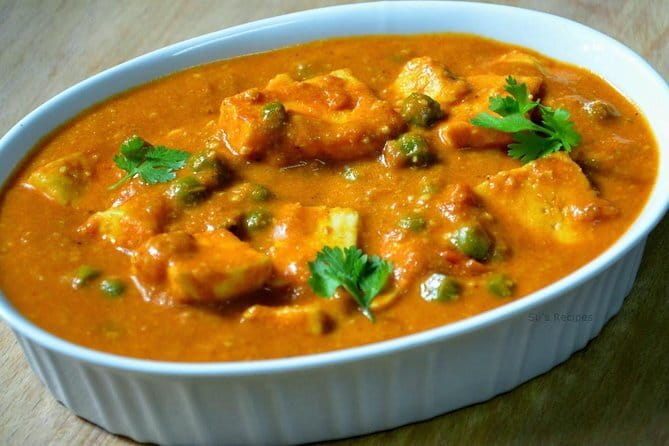
Before you jump into sightseeing, you’ll get local snacks from a street food vendor described as hygienic and well-known. This matters because Mumbai street food is famous, but your experience depends on where you stop. With a guided tasting, you avoid the “wander and hope” approach.
Then you’ll visit a family-run restaurant serving traditional homestyle snacks—and the tour specifically notes these kinds of stops are rare in Mumbai. I like that the itinerary tries to show you food that isn’t just made for tourists. It’s the kind of meal you’d hear locals talk about because it connects to daily tastes and habits.
The drawback here is simple: homestyle snacks can be filling in small portions. If you’re the type who normally saves room for dessert, you’ll need to mentally plan for gradual fullness through the day.
Train ride and dabbawallas: seeing logistics in motion
After the earlier tastings, you’ll travel toward South Mumbai and take a train ride, with a stop to see how the dabbawallas work. The tour frames dabbawallas as part of the daily food delivery system, and that’s exactly why this moment feels different from standard food tourism.
Food is one thing. But delivery logistics—routes, timing, organization—are part of the story that makes Mumbai run. Watching it unfold helps you understand why certain foods are practical for workdays and how meals arrive reliably at the right time.
A key note for your comfort: train rides mean real city movement. You’ll want to keep your phone secure, stow bags so you’re not fighting for space, and stay aware as the group moves.
From Crawford Market to Chor Bazaar, more lanes to walk
- Mumbai Morning Market Tour of Flowers, Fish, and More
★ 5.0 · 100 reviews - Mumbai Morning Market Tour of Flowers, Fish, and More
★ 5.0 · 82 reviews - Mumbai Markets and Temples Tour
★ 5.0 · 59 reviews - Mumbai Street Food & Bazaar Tour with Local Transport
★ 5.0 · 51 reviews - Mumbai: Local Markets & Temples Tour
★ 4.6 · 45 reviews - Vibrant Markets of Mumbai (2 Hours Guided Walking Tour)
★ 4.4 · 44 reviews
Landmarks break: Gateway to India, Crawford Market, and Chhatrapati Shivaji Terminus
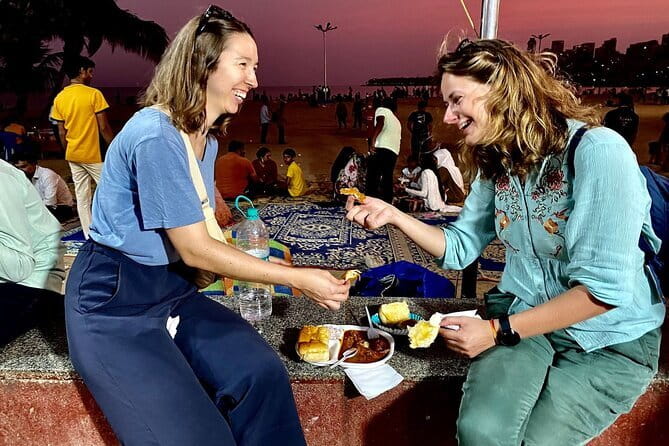
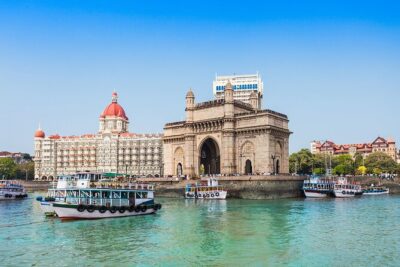
You’ll also hit several iconic sights during the middle of the day, including the Gateway to India, Crawford Market, and a stop by Chhatrapati Shivaji Terminus (also referred to as CSMT in common shorthand). This is smart placement. You get sightseeing while you’re already in the right area, and you can use these pauses to refocus after eating.
Here’s how I’d think about these stops:
- Gateway to India works as a recognizable marker for South Mumbai.
- Crawford Market fits the theme of everyday commerce—useful if you like markets beyond spices.
- Chhatrapati Shivaji Terminus adds architectural and transit context, which pairs well with the earlier train/dabbawalla segment.
If you’re expecting deep explanations at every landmark, the structure is more “guided route with food stops” than “museum-style history.” That’s not a problem—it’s the tradeoff for a day full of tastings and multiple food regions.
North Indian three-course lunch: spices you can describe later
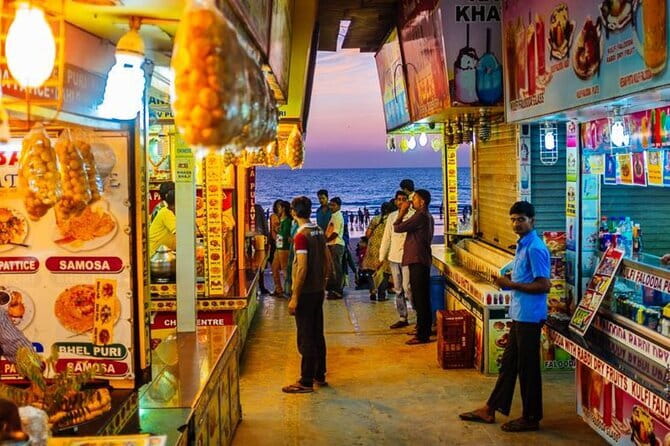
Lunch is served at a restaurant with a three-course lunch and a North Indian cuisine focus. North Indian food is often known for aromatic spices and masalas, and this meal is built to make that idea tangible. You’re not just tasting; you’re learning what makes the flavors work together.
From a value perspective, the three-course part is where the price starts to make sense. A single restaurant meal in Mumbai can eat up your day’s budget if you’re buying drinks and extras. Here, the lunch is included, and it’s paired with the rest of the tastings so the full day feels like one connected plan rather than separate purchases.
What to keep in mind: after earlier snacks, you’ll likely be pleasantly full by the time lunch arrives. Pace yourself. If you’re unsure about spice intensity, ask questions during the meal—your guide is there to help you choose.
South Indian and coastal flavors: the second tasting hit
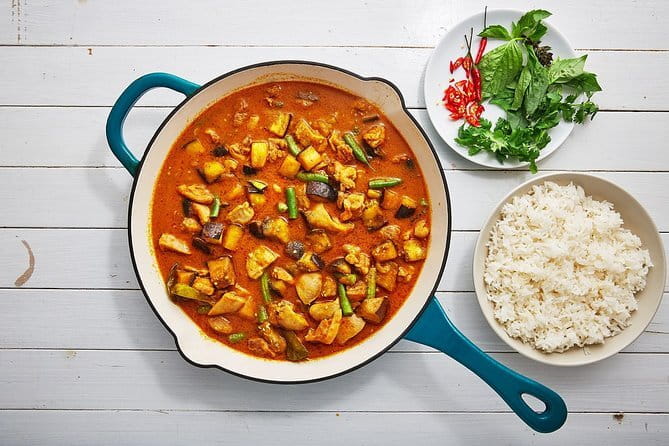
Later, you’ll visit another restaurant for a second food tasting focused on South Indian flavors with coastal flavors. This is one of the most useful parts of the tour because it gives you contrast. Mumbai’s food identity isn’t one style; it’s a mix shaped by regional influences and the city’s seaside geography.
I like that the itinerary makes this shift explicit: North Indian lunch first, then a coastal-South Indian tasting. It helps you taste differences in spice use, texture, and how flavors build.
This is also where many people realize they prefer one regional style over another. That’s a fun takeaway, because it turns the day from a checklist into a personal food lesson.
Dessert shop finale: choose sweets, compare textures
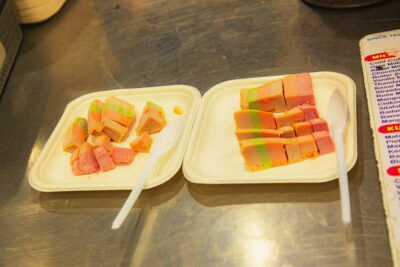
The last stop is an Indian dessert shop where you can choose from dozens of desserts on display. This is a better ending than a pre-selected dessert because it lets you tailor your experience. If you’ve been heavy on spice earlier, sweetness can feel like a reset. If you’ve been saving room, you can sample more aggressively.
A practical approach: pick one creamy dessert, one syrupy sweet, and one item that looks more solid or fried. That way you’ll actually understand the range in one sitting rather than eating several versions of the same texture.
Also, since the tour includes tea and snacks earlier, you’ll likely have a sense of how full you’ll be by dessert time. If you’ve been pacing well, you’ll leave with a strong final memory of the flavors.
Price and value: what $85 includes (and why that matters)
At $85.00 per person for about 7 hours, this tour is priced like a full-service day, not a quick stroll. The key value points are what you don’t have to figure out yourself:
- Door-to-door hotel pickup and drop-off
- Bottled water
- Lunch (three courses)
- Tea and snacks
- Multiple food tastings across different stops
The not-included detail is straightforward: alcoholic drinks are not included. If you plan to drink alcohol, budget that separately, because the tour price is clearly built around the food and non-alcohol items.
Where this also feels fair is the “time savings” factor. You’re covering Dhobi Ghat, the Spice Market shopping segment, a train ride with dabbawalla context, major South Mumbai landmarks, two regional restaurant tastings, and a dessert shop—without having to coordinate transport or hunt for the right vendors.
If you’re someone who loves food but doesn’t want to plan every meal and commute, this is a good match.
Who this Mumbai food tour suits best
I think this tour is ideal if you want a structured food day that still feels local. It’s a strong choice for:
- People who like market learning, especially spices
- Food lovers who want North vs. South vs. coastal contrast
- Anyone who wants real-world context, like Dhobi Ghat and the dabbawallas
- First-time visitors who prefer guidance over guesswork
It may not be perfect if you have low tolerance for crowds or heat, or if you want a slower day with longer sightseeing stops. This plan is efficient by design.
Also, if you have dietary restrictions beyond general spice preference, be sure to clarify expectations with the guide during the introduction. The tour includes multiple tastings, so your comfort depends on how well you can communicate what works for you.
Should you book this full-day Mumbai food tour?
Yes, if you want one day that meaningfully teaches you how Mumbai tastes, not just where to go. The combination of Dhobi Ghat, spice-market context, a train/dabbawalla window, and regional tastings gives the day structure without turning it into a rigid lecture.
I’d book it especially if you’re excited by spices, chai culture, and the idea of comparing styles across a single itinerary. The guide presence—like Danesh’s energy and willingness to adjust—also makes a difference when a day runs long and your hunger priorities might change.
Skip it if you’re mainly after deep landmark time or you hate spicy food. For everyone else, it’s a practical, satisfying way to spend 7 hours in Mumbai with real food at the center.
FAQ
How long is the Mumbai food tour?
It runs for about 7 hours.
What time does the tour start?
The tour starts at 10:00 am.
What’s included in the price?
The price includes bottled water, food tastings, a three-course lunch, and hotel/port pickup and drop-off.
Is alcohol included?
No. Alcoholic drinks are not included (they’re available to purchase).
What stops and tastings are part of the route?
You’ll visit Dhobi Ghat, have masala chai, stop at the Spice Market, eat street snacks and a family-style homestyle snack stop, take a train ride connected to the dabbawallas, have a North Indian three-course lunch, see Gateway to India plus Crawford Market and Chatrapati Shivaji Terminus, do a second tasting at a South Indian coastal-flavor restaurant, and finish at a dessert shop.
Is free cancellation available?
Yes. You can cancel up to 24 hours in advance for a full refund.
More Mumbai, Every Kind of Day
- Dharavi slum tour in Mumbai by Female tour guides of the slum
★ 5.0 · 1,976 reviews - Mumbai: Full-Day Sightseeing Tour of Mumbai
★ 4.9 · 1,822 reviews - Private Mumbai Sightseeing Tour (Traveller’s Choice Award Winner)
★ 5.0 · 1,565 reviews - Elephanta Caves & Island Guided Private Tour
★ 5.0 · 1,327 reviews
Deeper into the Bazaars
- Mumbai: Street Food and Night Markets Tour
★ 4.9 · 719 reviews - Mumbai Morning Market Tour of Flowers, Fish, and More
★ 5.0 · 100 reviews - Mumbai Morning Market Tour of Flowers, Fish, and More
★ 5.0 · 82 reviews - Mumbai Street Food Tour with Evening Bazaar Walk
★ 4.9 · 79 reviews
One More Plate: Street Food Crawls
- Mumbai: Street Food and Night Markets Tour
★ 4.9 · 719 reviews - Mumbai Street Food Tour
★ 5.0 · 269 reviews - Bombay Express Mumbai Food Tour with 15+ Tastings
★ 5.0 · 265 reviews - Winner Mumbai Street Food Tour in the World Top 20 by Guardian
★ 5.0 · 216 reviews
New on the Mumbai shortlist

Mumbai Street Food Crawls, compared.
 ★ 4.9Street Food and Night Markets TourFrom $13719 reviews
 ★ 5.0Mumbai Street Food TourFrom $40269 reviews
 ★ 5.0Bombay Express Mumbai Food Tour with 15+ TastingsFrom $45265 reviews
 ★ 5.0Winner Mumbai Street Food Tour in the World Top 20 by GuardianFrom $95216 reviews
★ 4.8Street Food TourFrom $43147 reviews
★ 5.0Winner Mumbai Street Food Tour in the World Top 20 by GuardianFrom $95216 reviews
★ 4.8Street Food TourFrom $43147 reviews
 ★ 5.0Private Guided Non-Veg Street Food Walking Tour in Muslim QuarterFrom $51140 reviews
 ★ 4.5Private 4-Hour Tour of Mumbai’s Tastiest Local FoodsFrom $3081 reviews
 ★ 4.9Mumbai Street Food Tour with Evening Bazaar WalkFrom $1379 reviews
Browse the lists this tour appears in