
Review · HOME KITCHENS & COOKING CLASSES
Vegetarian Indian Cuisine Virtual Cooking Class Experience from Mumbai
Cooking Mumbai food from a screen feels magical. This real-time Skype class brings you into the home kitchen of Kajal in Mumbai, where you can ask questions as you cook and follow along with online recipes, including India’s beloved mattar paneer.
I especially like two things: you get an ingredient list and instructions soon after booking, which helps you check what you can find in local stores before class day, and the teaching is personal, with Kajal’s full attention in a small group capped at 6. Even the camera support matters here too, with Shailesh helping run the camera during the session.
One consideration: the experience is intentionally home-based, so the videography won’t be professional quality. Also, since this runs through Skype, you’ll want a stable internet connection so you don’t miss the steps while you’re cooking.
In This Review
- Key highlights in 60 seconds
- A Mumbai home kitchen, right on Skype
- What you’ll cook: vegetarian Indian favorites, anchored by mattar paneer
- Before class: what to watch for with recipes and ingredients
- The class flow: how a 1 hour 30 minute session usually works
- Getting oriented with Kajal and the food story
- Cooking in real time, step by step
- Q&A that happens while you need it
- Wrapping up with a taste-and-learn feel
- Camera reality check: home videography and why it’s still worth it
- Price and value: is $20 for 90 minutes a fair deal?
- Who this is best for (and who should think twice)
- Tips to get the best results at home
- Practical logistics that affect your experience
- Should you book the Vegetarian Indian Cuisine Virtual Cooking Class?
- FAQ
- How long is the virtual cooking class?
- What do I need to join the class?
- Can I ask questions during the cooking?
- Do I get recipes to follow along?
- What if I have food allergies?
- What is the cancellation policy?
Key highlights in 60 seconds
- Live Skype Q&A while you cook: Ask Kajal questions in real time instead of saving them for later.
- Ingredient list sent ahead of time: You can flag missing items so the chef knows what to help you with.
- Home-chef teaching, not a formal studio: Expect a warm, family-style explanation, not a classroom performance.
- Mumbai perspective on vegetarian Indian cooking: You’ll learn techniques tied to recipes from Kajal’s family.
- Small group size (max 6): Less waiting, more direct attention.
- Shailesh helps with camera setup: A practical detail that helps you actually see what’s happening.
A Mumbai home kitchen, right on Skype
This class is built around a simple idea: vegetarian Indian cooking is easier when you can see what’s happening and ask questions while you’re in the middle of it. Instead of a pre-recorded video, you join a real-time session on Skype with Kajal, who teaches from her own home kitchen in Mumbai.
That home setting is part of the charm. The format isn’t trying to look slick or fancy. It’s trying to make the process feel doable—like you’ve got a local on the other end of the screen walking you through the same steps they would do at home.
And because it’s Kajal’s family recipes, it carries extra weight beyond the dish itself. She learned from her mom and her older sister, and she’s been running food tours since 2017. That background helps explain why the class feels more like a conversation than a one-way lecture.
What you’ll cook: vegetarian Indian favorites, anchored by mattar paneer
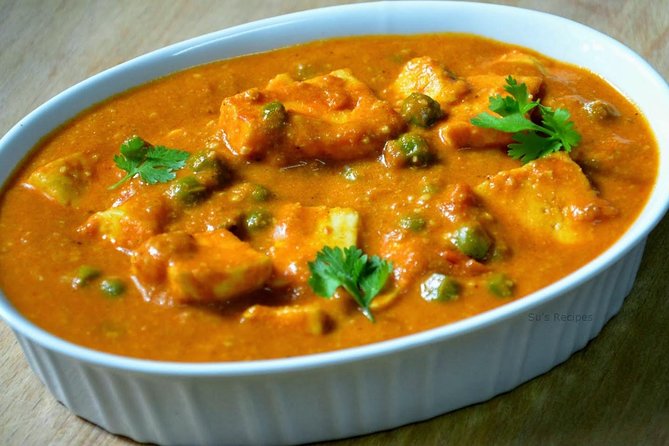
The big anchor in the description is mattar paneer—cottage cheese cooked in a spiced gravy with peas. It’s one of India’s most popular dishes, and Kajal’s personal favorite. Even if you’re brand new to Indian cooking, this is a great choice because it teaches a lot of the common moving parts: working with spices, getting the texture right for a sauce, and balancing the richness of paneer with the sweetness of peas.
You’ll also learn other vegetarian Indian dishes as part of the session. The exact menu isn’t spelled out in the info you provided, so the safest way to prepare is to treat this as a guided cooking plan where you follow along with the recipes Kajal provides before class.
Practically, this matters because Indian cooking often depends on timing. Once you start, you’re juggling heat levels, simmer times, and when to add ingredients so everything finishes together. A live class helps you keep that rhythm.
Other Mumbai kitchens that will teach you their recipes

Before class: what to watch for with recipes and ingredients
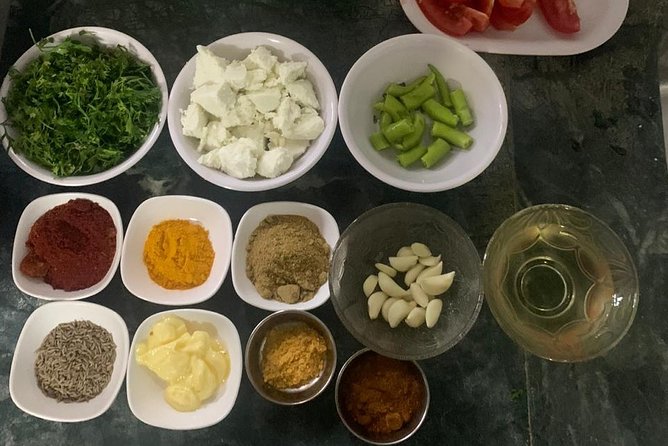
The course is designed with preparation in mind. After you book, you receive an ingredient list and instructions so you can check what you can find. If something is hard to source where you live, you’re meant to flag it to the chef ahead of time so they can help you plan.
This is one of the most useful parts of the experience because it reduces the most common cooking-class frustration: showing up ready to cook and then realizing you can’t get a key ingredient. You don’t need to be an expert shopper. You just need to be organized enough to compare your options with what Kajal expects.
Another important detail: if you have any allergies, you need to share that with the chef. Since this is a live, hands-on session, it’s the only way the recipe process can be made safe for you.
The class flow: how a 1 hour 30 minute session usually works
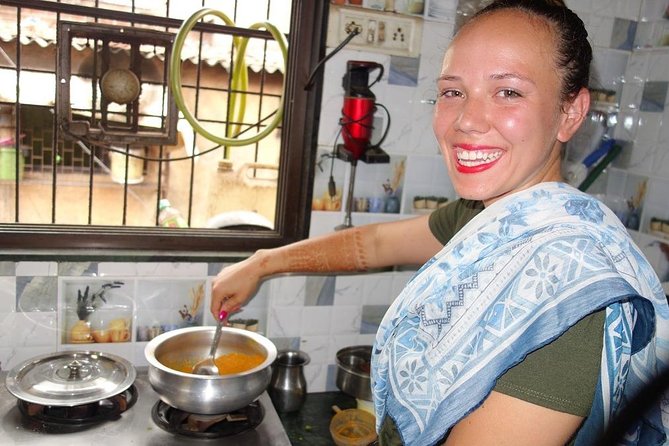
Even though it’s virtual, this isn’t passive. The experience is hands-on, with every step part of the live instruction. Think of it as four stages that play out in about 90 minutes:
Getting oriented with Kajal and the food story
You’ll start by meeting Kajal and learning about her culture and her home. The class description emphasizes that the session includes stories around food and local culture, not just the recipe. That matters because vegetarian Indian dishes often come from lived routines—seasonal ingredients, family methods, and practical ways of building flavor.
This is also where you can ask early questions if anything is unclear. If you’re the type who likes to understand the why before you touch the stove, this opening gives you that foundation.
More hands-on hours in Mumbai
- Dharavi Tour & Pottery Workshop
★ 5.0 · 58 reviews - Private Cooking Class in Mumbai
★ 5.0 · 15 reviews - Mumbai Market Tour & Maharashtrian Cooking Class with Chef Reshma
★ 4.5 · 10 reviews - Authentic Indian Cooking Class in Mumbai in a Local Home
★ 5.0 · 7 reviews - Private Half-Day Mumbai Cooking Class
★ 5.0 · 7 reviews - Private Mumbai Home Cooking Lesson and Grant Road Market Tour
★ 5.0 · 5 reviews
Cooking in real time, step by step
Then you cook. Kajal guides you through each stage while you follow the online recipe. The key here is that it’s not just “watch and hope.” You’re expected to cook alongside her, with the ability to ask questions while you’re working.
In a class like this, small moments matter: when to adjust heat, how to tell if something is ready by look and texture, and how to recover if something isn’t going exactly right. That’s where the live Q&A is the whole point.
Q&A that happens while you need it
The live Skype format is built for questions during the process. You don’t have to pause a video or wait for a comment thread. If your sauce is too thick, your spices seem uneven, or you’re unsure about the next step, you can ask while the pan is still hot.
This is the most praised part of the experience, and it’s easy to see why. Cooking is a timing sport. Questions after the fact don’t help much. Real-time help does.
Wrapping up with a taste-and-learn feel
At the end, you’ll be set up with food you cooked and a better sense of how the dish is supposed to come together. The experience also aims to share culture—so even after the final step, you’re not just walking away with a meal. You leave with a clearer mental map of how vegetarian Indian cooking works in a Mumbai home.
Camera reality check: home videography and why it’s still worth it
The experience provider is upfront that the videography won’t be professional-level. That’s not a deal-breaker, but it’s a real factor in how smoothly you follow along.
Here’s how to make this part work for you:
- Position your device so you can clearly see what Kajal is doing and the pan movement.
- Keep your recipe screen accessible during the session.
- If you’re using multiple cutting boards or pots, simplify your setup so you’re not juggling too much while the camera is trying to show the key step.
A practical bonus from the reviews: Shailesh supports the camera during the class. That small detail matters because you need visual clarity to understand what you’re aiming for.
Price and value: is $20 for 90 minutes a fair deal?
At $20 per person for about 1 hour 30 minutes, this class is priced like a “learn from a local” experience rather than a high-production cooking show. The value comes from three things that are hard to replicate cheaply:
- You’re cooking live with a chef, not just watching a video.
- You can ask questions in real time, which can prevent mistakes and wasted ingredients.
- You get online recipes to make the dishes again later.
If you’ve ever tried to cook Indian food from a written recipe alone, you already know how much difference instruction can make. Even without professional videography, the live feedback loop is where your money goes.
And since the session is capped at 6 travelers, your time with Kajal is more likely to feel focused rather than rushed.
Who this is best for (and who should think twice)
This virtual cooking class is ideal if you:
- Want vegetarian Indian dishes you can reproduce at home.
- Like learning by doing, with a real person answering questions while you cook.
- Prefer a smaller group setting.
- Are curious about Mumbai home culture, not just food.
It might be less ideal if you:
- Need a highly polished, studio-style teaching environment.
- Have unstable internet and can’t guarantee a smooth Skype connection.
- Expect a professional cooking setup with professional lighting and camera angles.
Also, because it’s a virtual class, you’re responsible for your own kitchen readiness. You should be comfortable gathering ingredients and setting up a workspace that can handle active cooking.
Tips to get the best results at home
You’ll get the most out of this class if you treat it like a guided cooking shift, not a casual zoom hangout.
- Prep before you log on: Line up ingredients so you’re not scrambling mid-step.
- Check what you can buy early: Use the ingredient list sent after booking to spot gaps right away.
- Plan for timing: Have your pots, pans, and utensils ready before the session begins.
- Keep a question list: If you know you’ll want help with texture or timing, jot questions down so you don’t forget them once cooking starts.
- Share allergies promptly: Don’t wait until class day. This matters for safety.
These small steps turn the class from “I watched it” into “I can actually cook this again.”
Practical logistics that affect your experience
The class times are given in Indian Standard Time (IST). Before booking, you’ll want to convert the start time into your time zone so you don’t end up cooking at an awkward hour.
You’ll also receive a mobile ticket, and confirmation happens at booking time. As with any live online experience, internet stability is key. If your connection tends to drop during video calls, test it ahead of time.
One more note: the experience info includes pickup offered. Since this is described as a virtual class, pickup doesn’t seem to match the typical meaning of a transfer to a meeting point. If this detail appears on your booking confirmation, I’d treat it as something to ask the provider about so you’re clear on what’s included.
Should you book the Vegetarian Indian Cuisine Virtual Cooking Class?
If you want a vegetarian Indian cooking lesson that feels personal, this is a strong pick. The standout advantages are the live Skype Q&A, the chef’s family-taught recipes, and the preparation support that comes from receiving an ingredient list and instructions ahead of time. With a max group size of 6, you’re more likely to get real help rather than just following along.
Book it if:
- You’re excited to make mattar paneer and learn how it comes together.
- You like asking questions while you cook.
- You want a Mumbai home-kitchen perspective, even through a screen.
Skip it if:
- You require professional video quality to learn.
- Your internet connection is unreliable.
- You’re looking for a fully hands-off experience where you just watch.
FAQ
How long is the virtual cooking class?
It lasts about 1 hour 30 minutes.
What do I need to join the class?
You’ll need an internet connection that works well for Skype.
Can I ask questions during the cooking?
Yes. It’s a real-time Skype session so you can ask Kajal questions as you cook.
Do I get recipes to follow along?
Yes. Online recipes are provided to make it easier to follow the steps.
What if I have food allergies?
You should share any ingredient allergies with the chef.
What is the cancellation policy?
You can cancel for a full refund if you cancel at least 24 hours before the start time. If you cancel within 24 hours, the amount you paid won’t be refunded.
More Hands-On Mumbai
- Dharavi Tour & Pottery Workshop
★ 5.0 · 58 reviews - Mumbai: Indian Cooking Class & Cultural Delights
★ 5.0 · 38 reviews - Indian Curry 5-Hour Cooking Classes In Mumbai
★ 5.0 · 22 reviews - Small Group Authentic Mumbai Virtual Cooking Class with Dessert
★ 5.0 · 15 reviews
More Mumbai, Every Kind of Day
- Dharavi slum tour in Mumbai by Female tour guides of the slum
★ 5.0 · 1,976 reviews - Mumbai: Full-Day Sightseeing Tour of Mumbai
★ 4.9 · 1,822 reviews - Private Mumbai Sightseeing Tour (Traveller’s Choice Award Winner)
★ 5.0 · 1,565 reviews - Elephanta Caves & Island Guided Private Tour
★ 5.0 · 1,327 reviews
Into More Mumbai Kitchens
- Mumbai: Indian Cooking Class & Cultural Delights
★ 5.0 · 38 reviews - Indian Curry 5-Hour Cooking Classes In Mumbai
★ 5.0 · 22 reviews - Private Market Tour and Vegetarian Cooking Class in Mumbai
★ 4.5 · 15 reviews - Small Group Authentic Mumbai Virtual Cooking Class with Dessert
★ 5.0 · 15 reviews
New on the Mumbai shortlist





Home Kitchens & Cooking Classes, compared.
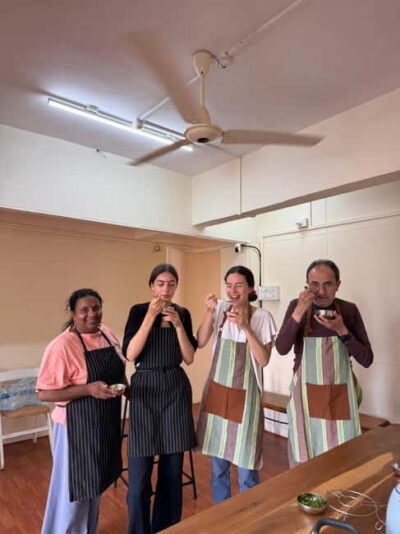 ★ 5.0Indian Cooking Class & Cultural DelightsFrom $2738 reviews
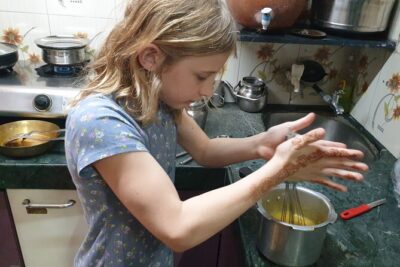 ★ 5.0Indian Curry 5-Hour Cooking Classes In MumbaiFrom $5922 reviews
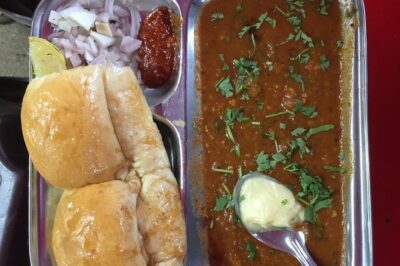 ★ 5.0Small Group Authentic Mumbai Virtual Cooking Class with DessertFrom $2015 reviews
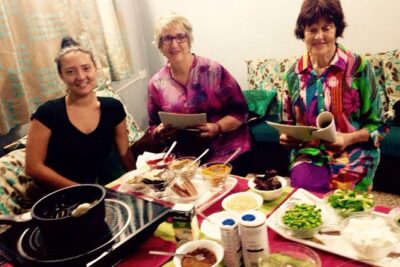 ★ 5.0Private Cooking Class in MumbaiFrom $12015 reviews
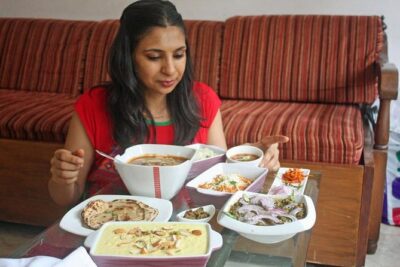 ★ 4.5Private Market Tour and Vegetarian Cooking Class in MumbaiFrom $6415 reviews
 ★ 5.0LIVE cooking experience from IndiaFrom $5611 reviews
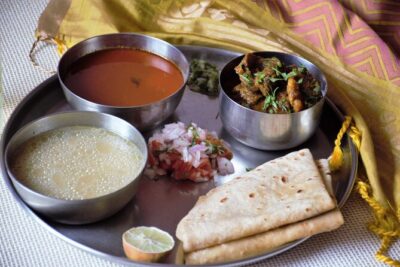 ★ 4.5Mumbai Market Tour & Maharashtrian Cooking Class with Chef ReshmaFrom $6810 reviews
 ★ 5.0Authentic Mumbai: Home-Cooked Meal with a Local HostFrom $149 reviews
Browse the lists this tour appears in