
Review · HOME KITCHENS & COOKING CLASSES
Private Maharashtrian Cooking Class in Mumbai with a Local Family
Skip the restaurant, cook with locals. This private Maharashtrian cooking class in Mumbai takes place in Rupa’s home with a local family, and you learn two regional dishes with real kitchen know-how, not restaurant shortcuts. If you pick the market option, you’ll also head to the Chembur fish market to see how locals shop for the day’s menu.
I love how hands-on and private it is, with time to ask questions while you’re actually cooking. I also love the emphasis on homemade spices and family recipes, with drinks, condiments, and sides that fit Maharashtrian rhythms, from the sharp kick of thecha to creamy kheer after the cooking is done.
One consideration: there’s no hotel pick-up and drop-off, so you’ll need to reach the meeting point on your own. The good news is it’s near public transportation, and it’s close to NMACC.
In This Review
- Key things to know before you go
- Why this Mumbai Maharashtrian class feels different
- Getting there: Shell Colony (and how close it is to NMACC)
- The Chembur fish market option: shopping with your host
- Inside the home kitchen: learning two regional Maharashtrian dishes
- What you might cook (and how the meal is built)
- Drinks and cooling sides
- Vegetarian options and earthy crunch
- If the day includes meat or seafood
- Gravies, rice/roti, and thecha
- A cucumber salad to balance everything
- Dessert and the final touches: kheer and paan
- Regional flavor context: Pathare Prabhu, CKP, and Goan influences
- Vegetarian-friendly (and how to plan for allergies)
- What the high ratings point to: warmth, clarity, and food that feels honest
- Who this suits best (and who might want a different option)
- Price and value: $64 per person for a private home meal
- Should you book this Mumbai cooking class?
- FAQ
- How long is the cooking class in Mumbai?
- Where is the meeting point for the class?
- Is hotel pick-up included?
- What’s included in the price?
- Can I request a vegetarian menu?
- What dishes will I learn to cook?
- Is the Chembur fish market visit included?
- Is this a private experience?
- How close is it to NMACC Mumbai?
- When do I receive confirmation?
Key things to know before you go
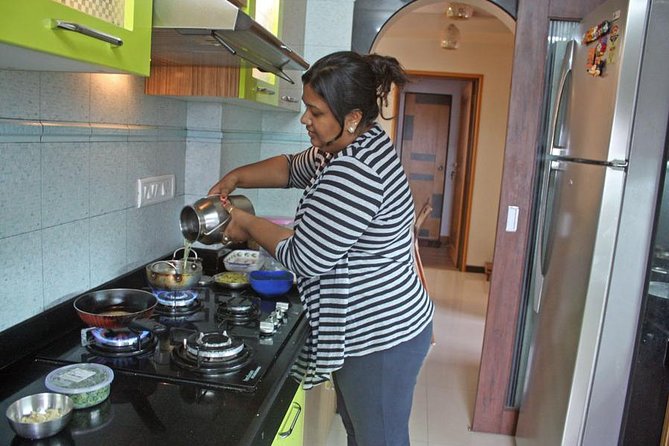
- Private, personalized class: only your group participates, led by your host in her home kitchen.
- Two regional dishes, hands-on: the 1.5-hour cooking block is where you’ll learn the technique, not just watch.
- Optional Chembur fish market visit: if you choose it, you shop with your host for the day’s ingredients.
- Maharashtrian variety beyond the obvious: expect flavors connected to niche communities like Pathare Prabhu and CKP.
- A full meal at the end: you’ll eat what you make, plus extra items like gravies, rice/roti, salads, and kheer.
Why this Mumbai Maharashtrian class feels different
Mumbai has plenty of cooking tours that feel like a set: you watch, you snack, you leave. This one works the other way around. You’re in a home, cooking with a local family vibe, and that changes everything about pace, questions, and the little details that make Indian food click.
The class is built around two regional Maharashtrian dishes. That might sound like a small target, but it’s the sweet spot for learning. Two dishes means you actually practice the key steps—spice grinding or mixing, cooking temperatures, consistency checks—and you don’t rush past the parts that matter.
I also like that the focus isn’t only on the headline recipes. You’ll get context on local ingredients, homemade spices, and culinary traditions, plus a finish that feels like a family meal rather than a performance. Even the drinks and condiments are part of the teaching, including cooling options like kokum sharbat and thecha, a green-chili condiment that shows how Maharashtrian flavor can be bright and punchy without being complicated.
Getting there: Shell Colony (and how close it is to NMACC)
You start and end back at the meeting point: Shell Colony, Sahakar Nagar, Kurla, Mumbai. The location matters because it’s close to NMACC—about 20 minutes by car or auto. If you’re spending time around NMACC, this makes planning easier than trying to cross the city for a short class.
There’s also a practical upside: it’s near public transportation. Since there’s no hotel pick-up, that helps. If you’re the type who likes clean, simple logistics, this format is easier than tours that require a driver to fetch you from every hotel lobby.
Timeline-wise, expect about 3 hours total. That usually means a little time for meeting, a market option (if selected), then the main cooking and meal. Build your day with a cushion before or after, especially if you’re juggling trains, traffic, or evening plans.
Other Mumbai kitchens that will teach you their recipes


The Chembur fish market option: shopping with your host
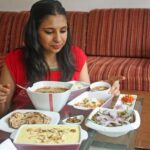
If you choose the market tour, you meet Rupa at her apartment, then drive down to the Chembur fish market for a guided visit. The point isn’t a long tour of stalls. It’s to show you what a local market run looks like and how fresh seafood affects the cooking.
In a Mumbai home kitchen, ingredients aren’t just ingredients—they’re decisions. What’s available today influences what you cook, and the market visit makes that connection feel real. You’ll be introduced to the fresh catch of the day and guided to Rupa’s favorite vendors so you can pick up ingredients for your class.
Practical note: seafood markets can be loud and fast-moving. If you prefer a quieter experience, the cooking-only option might feel calmer. But if you want to understand why regional dishes taste the way they do, seeing the ingredients first is a strong add-on.
Inside the home kitchen: learning two regional Maharashtrian dishes
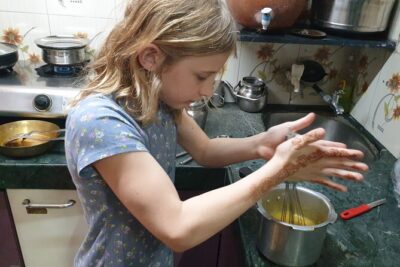
The heart of this experience is the 1.5-hour hands-on cooking session. Menu choices vary by season, but the structure is consistent: you’ll learn to make a seasonal vegetable dish plus a second dish that may be fish or chicken. Depending on what’s chosen for the day, it can also be mutton or crab gravy, since the class menu is flexible.
What you’re really learning is technique you can repeat at home:
- how spices are combined for the right balance
- how gravies and masalas move from rough mix to thick, flavorful sauce
- how accompaniments like roti/rice and condiments affect the final bite
The class is private, so you’re not stuck sharing attention with strangers. That matters for Indian cooking, where small adjustments can change the outcome—like how long something cooks, or when you add green chili or garlic for flavor. A private setting is also where you’re more likely to get useful explanations rather than rushed ones.
And because it’s taught in a home kitchen, the pace tends to be practical. You’ll learn family ways of thinking about food: what’s seasonal, what pairs with what, and how a meal comes together as a whole rather than a list of separate dishes.
What you might cook (and how the meal is built)
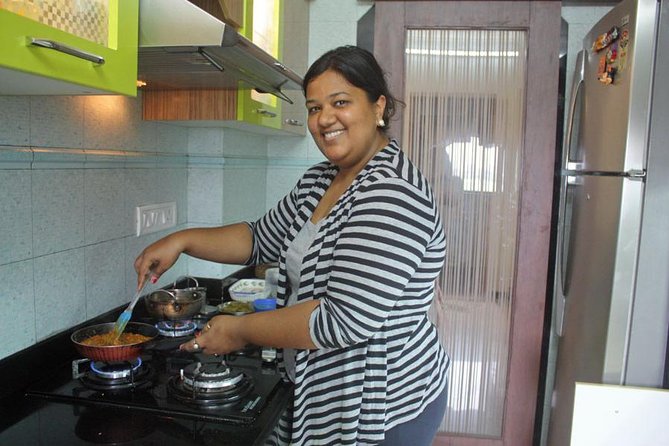
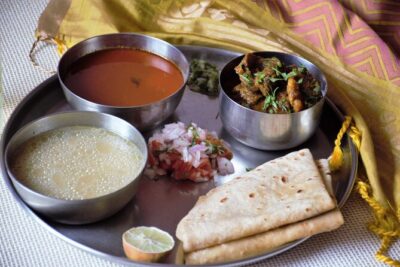
The class is designed around two dishes, but the meal you eat after cooking is a full Maharashtrian spread. Here are examples of what you might encounter, since the exact menu can shift with the season.
More Mumbai days built around your own list
- Private Mumbai Sightseeing Tour (Traveller’s Choice Award Winner)
★ 5.0 · 1,565 reviews - Elephanta Caves & Island Guided Private Tour
★ 5.0 · 1,327 reviews - Private Guided Walking Tour in Fort & Colaba
★ 5.0 · 895 reviews - Highlights of South Mumbai Guided Private Tour in AC Vehicle
★ 5.0 · 620 reviews - Private Mumbai Sightseeing Tour(Travellers Choice Award Winner)
★ 5.0 · 565 reviews - Private Half-Day Sightseeing Tour in Mumbai
★ 5.0 · 430 reviews
Drinks and cooling sides
You may start with something like piyush, a drink made using thickened yogurt and buttermilk, or kokum sharbat, a cooling, thirst-quenching drink. Both are great reminders that Indian meals often plan for digestion and comfort, not just flavor.
Vegetarian options and earthy crunch
For vegetables, you might make things like suran kaap (yam fry) or alu vadi, spiced colocasia/taro root leaves. These dishes help you understand a big Maharashtrian idea: texture matters. The crisp edges and earthy base are part of the satisfaction.
If the day includes meat or seafood
If the chosen protein is meat or seafood, you might see options like mutton keema che muthe (spiced minced mutton), or a gravy built around fish, chicken, mutton, or crab. The key is that the spice style stays local and coherent, instead of shifting into a generic curry-house approach.
Gravies, rice/roti, and thecha
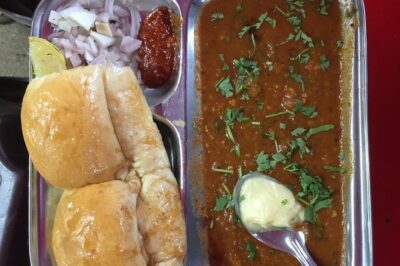
After cooking, you’ll likely eat a protein gravy with rice or roti. One standout condiment that comes up is thecha, made with green chilies, peanuts, and garlic. It’s one of those flavors that teaches you how heat can be layered: sharpness from chili, richness from peanuts, and depth from garlic. On the plate, it’s the kind of “last step” condiment that can turn a good bite into a memorable one.
A cucumber salad to balance everything
You might also get khamang kakdi, a cucumber salad. It’s the kind of balancing act that makes heavy flavors feel more manageable and keeps the meal from feeling overly dense.
Dessert and the final touches: kheer and paan
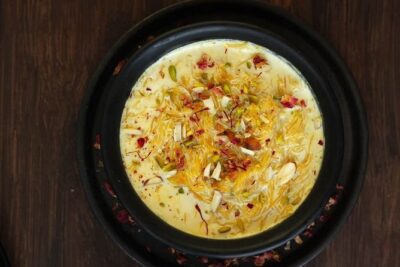
The meal typically ends with dessert and a mouth freshener. You might have bhoplyachi kheer (pumpkin pudding) or sago kheer, depending on what’s seasonal and what the family is cooking that day.
Then there’s paan, a mouth freshener. This part is easy to skip if you’re unfamiliar, but it’s worth trying with a light hand if you enjoy the idea of finishing a meal the local way. It’s one of those details that makes the experience feel like a real household dinner rather than a staged class.
Regional flavor context: Pathare Prabhu, CKP, and Goan influences
The class isn’t just branded as Maharashtrian. It points to specific niche regional cuisines such as Pathare Prabhu, CKP (Chandraseniya Kayastha Prabhu), and even Goan Rupa styles. That matters because Maharashtrian cuisine isn’t one flat thing. It changes by community, coast vs. inland, and the ingredients people historically had access to.
You don’t need a food degree to enjoy this. The real value is that you taste coherent differences while someone explains the reasoning behind the spice combinations and side dishes. When you learn why a dish gets its heat or its tang—or why a certain drink is served—you start to see Indian food as a system, not a random set of curries.
And because you’re cooking two dishes yourself, you’ll notice your own learning curve: once you get one masala right, the rest starts to make sense. That’s the kind of takeaway that lasts longer than photos.
Vegetarian-friendly (and how to plan for allergies)
This cooking class can accommodate a vegetarian diet if you request it in advance. The important part is timing: if vegetarian is what you need, tell the organizer during booking so the host can plan the menu.
Allergy and dietary restrictions are also something you should flag before you arrive. The class is in a private home setting, and cooking involves spices, proteins, and cross-usage risks that vary by kitchen. Giving details early is the easiest way to get a menu that feels safe and satisfying, not improvised.
If you’re sensitive to strong spices or heat, you might consider sending a note ahead of time. Thecha and green chili-based flavors are part of the typical meal setup, so it helps to know your comfort level.
What the high ratings point to: warmth, clarity, and food that feels honest
The best part of this kind of experience is what you can’t easily fake: how the host guides you. The classes led by cooks like Rupa focus on making you feel at home while walking you through the steps. Other hosts with similar roles—like Reshma and Shilpa—are described as warm and enthusiastic in their own ways, and the common thread is clear instruction plus a meal that tastes genuinely Indian, not adapted for tourist palates.
If your main goal is to learn spice logic, and if you like eating what you cook (instead of eating a separate restaurant meal), this is a strong fit. It’s also a good choice if you enjoy practical food details: how to mix, when to adjust, and how condiments change the final bite.
Who this suits best (and who might want a different option)
You’ll likely love this if:
- you want a private Mumbai cooking class with hands-on teaching
- you care about Maharashtrian cuisine beyond the most common dishes
- you enjoy market ingredients and want to connect shopping to cooking
- you prefer a home meal over restaurant crowds
It may be less ideal if:
- you hate self-transport days (since there’s no hotel pick-up)
- you want a very long entertainment-style tour rather than cooking time
- you’re extremely time-crunched and can’t reach Shell Colony on your own
Price and value: $64 per person for a private home meal
At $64 per person, you’re paying for three things at once:
- private instruction (not a shared cooking show)
- a full homecooked meal
- included fees and taxes
For Mumbai, that can be good value when you compare it to the cost of a restaurant meal plus the cost of an organized cultural food activity. You’re also buying something more useful than a one-time meal: repeatable technique and spice understanding.
The tradeoff is simple. You handle getting yourself to the meeting point, and the menu is season-based, so you can’t guarantee the exact dishes on paper. If you’re flexible about what you cook and eat, you’ll get more out of the experience.
Should you book this Mumbai cooking class?
Book it if you want an authentic, home-based food experience where you actively learn and then sit down to eat. This is especially worth it if you like the idea of Maharashtrian flavors tied to communities like Pathare Prabhu or CKP, and you don’t mind that the exact menu shifts by season.
Skip it (or consider a different format) if you need hotel pick-up, or if your goal is mainly sightseeing rather than cooking plus eating. Also think carefully about heat level if you’re sensitive to chili; thecha and chili-forward flavors are part of the typical meal setup.
One more practical reason I like recommending it: if plans change, you can cancel for a full refund up to 24 hours before the experience starts.
FAQ
How long is the cooking class in Mumbai?
The cooking experience is about 3 hours total, with roughly a 1.5-hour hands-on class.
Where is the meeting point for the class?
The meeting point is Shell Colony, Sahakar Nagar, Kurla, Mumbai, Maharashtra, India. The tour ends back at the same meeting point.
Is hotel pick-up included?
No. Hotel pick-up and drop-off are not included.
What’s included in the price?
You get a private cooking class with your host Rupa, a homecooked meal, and all fees and taxes. If you choose the market tour option, the Chembur fish market visit is also included.
Can I request a vegetarian menu?
Yes. Rupa can accommodate a vegetarian diet on request, but you should inform the organizer at the time of booking.
What dishes will I learn to cook?
You’ll learn to cook two regional Maharashtrian dishes. The exact menu varies by season, and it may include a seasonal vegetable dish plus a fish or chicken dish.
Is the Chembur fish market visit included?
It’s included only if you choose the market tour option. In that case, you drive to the Chembur fish market for a guided visit and ingredient shopping with your host.
Is this a private experience?
Yes. It’s private, and only your group participates.
How close is it to NMACC Mumbai?
It’s very close to NMACC Mumbai, about 20 minutes by car or auto.
When do I receive confirmation?
You’ll receive confirmation within 48 hours of booking, subject to availability.
More Mumbai, Every Kind of Day
- Dharavi slum tour in Mumbai by Female tour guides of the slum
★ 5.0 · 1,976 reviews - Mumbai: Full-Day Sightseeing Tour of Mumbai
★ 4.9 · 1,822 reviews - Private Mumbai Sightseeing Tour (Traveller’s Choice Award Winner)
★ 5.0 · 1,565 reviews - Elephanta Caves & Island Guided Private Tour
★ 5.0 · 1,327 reviews
Mumbai on Your Own Terms
- Private Mumbai Sightseeing Tour (Traveller’s Choice Award Winner)
★ 5.0 · 1,565 reviews - Elephanta Caves & Island Guided Private Tour
★ 5.0 · 1,327 reviews - Private Guided Walking Tour in Fort & Colaba
★ 5.0 · 895 reviews - Highlights of South Mumbai Guided Private Tour in AC Vehicle
★ 5.0 · 620 reviews
Into More Mumbai Kitchens
- Mumbai: Indian Cooking Class & Cultural Delights
★ 5.0 · 38 reviews - Indian Curry 5-Hour Cooking Classes In Mumbai
★ 5.0 · 22 reviews - Private Cooking Class in Mumbai
★ 5.0 · 15 reviews - Private Market Tour and Vegetarian Cooking Class in Mumbai
★ 4.5 · 15 reviews
New on the Mumbai shortlist




Home Kitchens & Cooking Classes, compared.
 ★ 5.0Indian Cooking Class & Cultural DelightsFrom $2738 reviews
 ★ 5.0Indian Curry 5-Hour Cooking Classes In MumbaiFrom $5922 reviews
 ★ 5.0Small Group Authentic Mumbai Virtual Cooking Class with DessertFrom $2015 reviews
 ★ 5.0Private Cooking Class in MumbaiFrom $12015 reviews
 ★ 4.5Private Market Tour and Vegetarian Cooking Class in MumbaiFrom $6415 reviews
 ★ 5.0LIVE cooking experience from IndiaFrom $5611 reviews
 ★ 4.5Mumbai Market Tour & Maharashtrian Cooking Class with Chef ReshmaFrom $6810 reviews
 ★ 5.0Authentic Mumbai: Home-Cooked Meal with a Local HostFrom $149 reviews
Browse the lists this tour appears in