
Review · ELEPHANTA ISLAND & CAVE TEMPLES
All inclusive Elephanta Caves Guided Tour
Elephanta Caves feel like a portal in stone. This guided day trip pairs a round-trip ferry from Gateway of India with a structured walk through UNESCO-listed caves on Elephanta Island. The payoff is huge: you’re looking at Hindu and Buddhist sculptures carved into volcanic rock over many centuries.
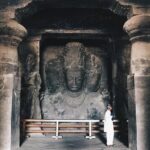
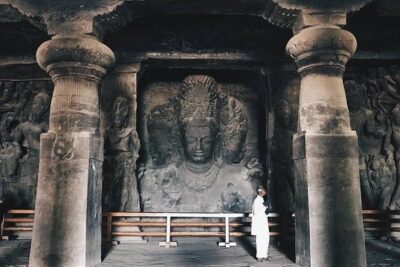
Two things I like a lot: the guide-led explanations that turn a maze of carvings into a story you can follow (I’ve seen groups mention guides like Harish, Krupesh, Daivat, and David), and the chance to see the famous three-headed Shiva inside a dramatic cave hall with massive pillars. It’s the kind of place where signs alone won’t save you from guessing.
One consideration: the 120-step climb and the island walking can feel like a workout, especially in heat. Also, food and drinks aren’t included, so you’ll want to plan around that and not assume there’ll be time to sit and refuel.
In This Review
- Key highlights worth planning for
- From Colaba to Elephanta: the ferry ride that makes the day
- Gateway of India timing: how the boat part really works
- The 120-step climb: where your energy goes (and how to save it)
- Inside the UNESCO caves: Hindu and Buddhist art that rewards a guide
- Getting value from a $50 price tag in Mumbai
- Duration and pacing: 4–5 hours that can stretch
- Who this tour is best for (and who should think twice)
- Tips that make the day smoother
- Should you book this Elephanta Caves guided tour?
- FAQ
- How long is the Elephanta Caves guided tour?
- What’s included in the tour price?
- Where do I meet the guide?
- Is there an entrance fee for the caves?
- Is food provided?
- What happens if weather is bad?
- Can I cancel for a refund?
Key highlights worth planning for
- Ferry + entrance bundled: you don’t have to untangle tickets after you arrive at the island.
- 120 steps up to the plateau: the hardest part is physical, not confusing.
- Three cave visits: you get the main sculptures without trying to sprint through seven sites.
- Guide handoff on the island: the tour is designed to keep you moving from boat to caves.
- Crowd and festival flexibility: guides can help you manage busier moments like Mahashivratri days.
- Small group size (max 20): easier pacing, easier questions, less chaos.
From Colaba to Elephanta: the ferry ride that makes the day
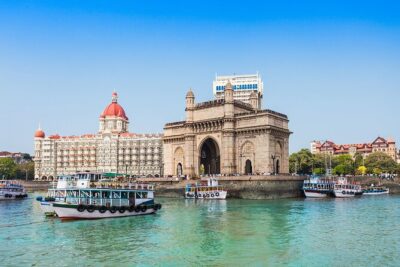
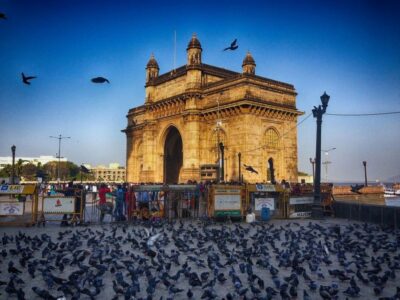
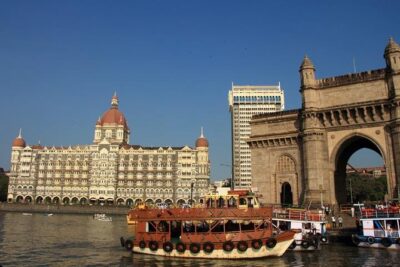
You start in Mumbai at the edge of the old-city waterfront scene, at the meeting point outside PizzaExpress (Dhanraj Mahal), opposite the Royal Bombay Yacht Club in Colaba. From there, the rhythm of the day is simple: get to Gateway of India, then take the ferry out to Elephanta Island.
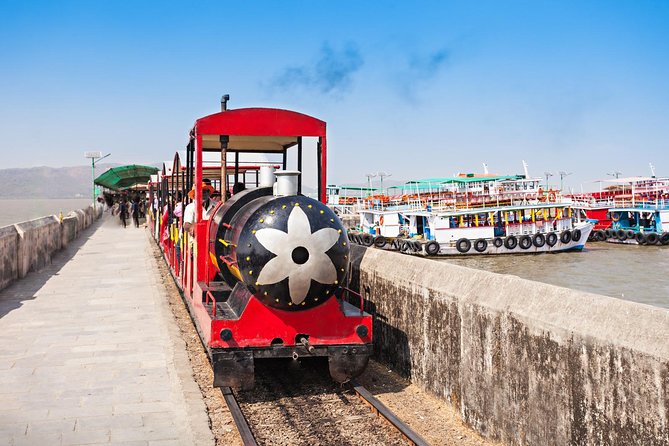
The ferry portion is important even though it’s “just transport.” It gives you time to settle in, get your bearings, and enjoy the water views on the way out. On the way back, you can also get that cooling sea breeze effect people love after time in the sun. Do plan, though, for real sea time: the crossing is about 1 hour each way.
If the weather turns gray, don’t panic—but you should expect the views to take a hit. The experience still works because the caves are the main event. Still, fog/smog can make the ferry feel a little slower and less scenic than you hoped.
Gateway of India timing: how the boat part really works
At Gateway of India, the tour begins with the ferry ride to the island. The schedule is set up to keep you from wandering around with questions. In practice, the boat side of the day has a few moving parts:
- You’ll be guided to the ferry, then
- you’ll get a guide handoff once you reach Elephanta.
This matters because Elephanta isn’t a “drop, wander, return” kind of place. Getting from the dock to the cave area involves steps, paths, and small logistical snags that are easier when someone is keeping the group together. The tour even notes that the guide helps you get on the ferry from Elephanta Island on the way back.
Also, keep group logistics in mind: this tour runs with a maximum of 20 travelers, so it’s not a massive bus. That usually makes it easier to hold a steady pace through the crowding.
Other boats out to Elephanta and its carved caves

The 120-step climb: where your energy goes (and how to save it)
Once you’re on Elephanta Island, the main physical task is the climb to the cave plateau. You’ll go up 120 steps before you even reach the entrance area. This isn’t “optional stairs”—it’s the route. So your success depends on pacing, footwear, and heat management.
Here’s what helps:
- Wear shoes you trust. The walk is on uneven stone paths that don’t feel forgiving if you’re in sandals.
- Go slow on the way up. Even if you feel fine early, the climb adds up.
- Expect shaded sections, but don’t assume the whole route is cool. Some areas are still exposed.
If you’re bringing a camera, factor in stopping time. A lot of the best viewing angles and photo moments happen when you’re not rushing. The cave complex is set on a plateau, so you’ll also have chances to look back and get island views as you move upward.
One extra reality check: monkeys. Elephanta can have very bold little climbers that may try to grab items you’re carrying (especially things you’re not actively holding or securing). Keep bags closed, phones protected, and don’t dangle snacks like you’re in a nature documentary.
Inside the UNESCO caves: Hindu and Buddhist art that rewards a guide
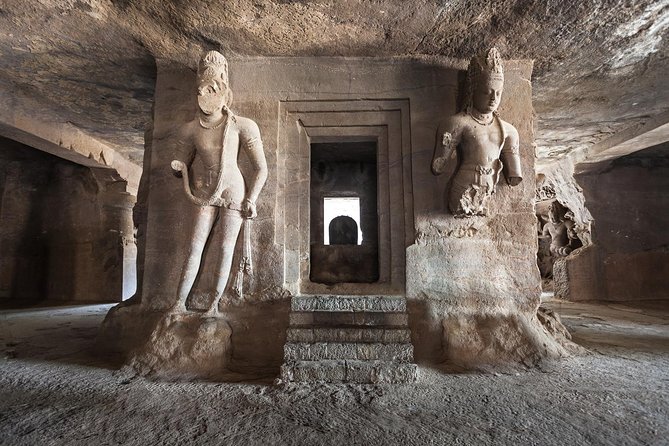
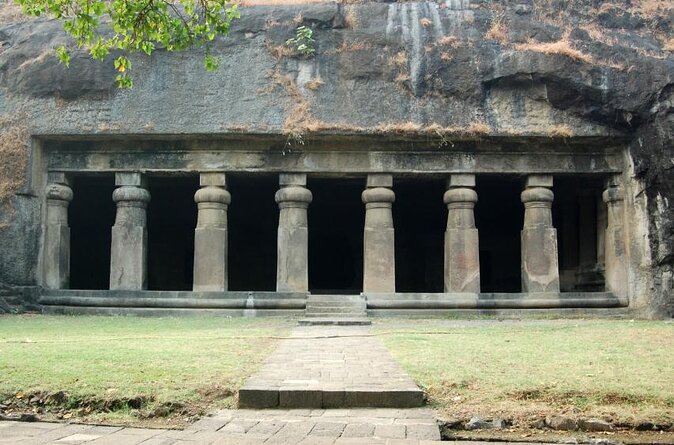
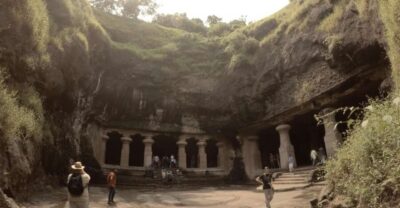
The big moment arrives when you reach the cave area and start touring the caves. The experience is designed around three cave visits, focusing on major religious sculptures and carved chambers. Elephanta is a UNESCO World Heritage-listed site, with excavation work associated with roughly the 6th and 7th centuries.
What you’ll be looking at:
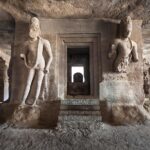
- A spacious hall supported by huge pillars—a signature look of the period’s cave architecture.
- Religious sculptures carved into volcanic rock, representing both Hindu and Buddhist traditions.
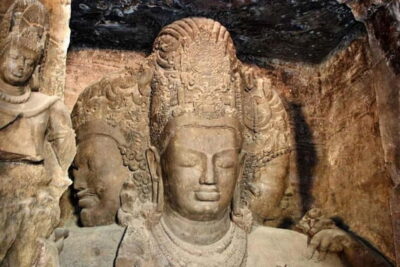
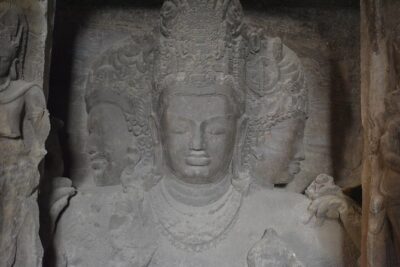
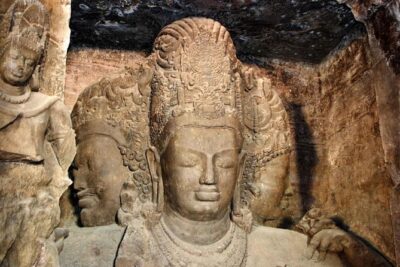
- The standout image of the tour: the three-headed Shiva sculpture.
This is where a guide earns their keep. Elephanta’s carvings aren’t one simple “look and move on” display. They’re layered—symbolism, composition, and context all affect what you’re seeing. People often come away impressed by scale and detail, but they’re even more satisfied when someone explains how the pieces fit together.
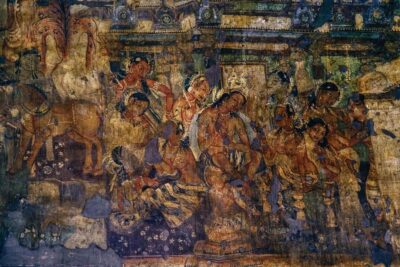
You’ll also hear stories about the site’s carving process and intent—why these caverns exist, how they were shaped, and what the figures likely meant to the people who built and used them. If you happen to get a guide like Harish or Samir, the group experience can feel extra personal because island-born guides tend to connect the art to daily life on Elephanta and to local interpretations of meaning.
One more useful point: even inside a single cave complex, not every chamber is a “museum stop” in the same way. The pacing is built to help you notice the structure of the spaces—whether you’re seeing sculpture work in a hall, a corridor-like area, or a chamber that feels more suited to stillness.
Getting value from a $50 price tag in Mumbai
At $50 per person, the headline value is that you’re not just paying for a guide. This tour also includes:
- Ferry tickets
- Elephanta caves entrance fees
- A tour guide for the caves
That bundling matters in Mumbai. You’re paying to avoid the mental load of coordinating transport and entry at the same time. Even if you could piece it together on your own, a guided route like this keeps you from losing time—or missing the boat—while you hunt for information.
Also, the price is competitive compared to tours that only provide narration but not transport. Here, ferry and entry are part of the package, so you’re spending on the full flow: meeting point → ferry → climb → cave tour → return.
One small note on money planning: the tour does not include food and drinks. That can change your real cost depending on how hungry you get. If you know your appetite (or if you’re traveling with kids), plan to bring a water strategy and a simple snack plan before you go.
- Dharavi slum tour in Mumbai by Female tour guides of the slum
★ 5.0 · 1,976 reviews - Mumbai: Full-Day Sightseeing Tour of Mumbai
★ 4.9 · 1,822 reviews - Private Mumbai Sightseeing Tour (Traveller’s Choice Award Winner)
★ 5.0 · 1,565 reviews - Group Guided Walking Tour in Fort and Colaba
★ 5.0 · 1,073 reviews - Highlights of Mumbai Sightseeing Tour: TRAVELLERS CHOICE AWARDED
★ 5.0 · 915 reviews - Private Guided Walking Tour in Fort & Colaba
★ 5.0 · 895 reviews
Duration and pacing: 4–5 hours that can stretch
The tour is listed as roughly 4 to 5 hours. In real life, expect it to feel like a half-day that grabs most of your afternoon or morning slot depending on departure time.
Why it can stretch:
- The ferry time alone is around 1 hour out + 1 hour back.
- The cave tour is about 1.5 hours, but you also need time for the stair climb and the walk through the complex.
- If conditions are busy—crowds build faster on some days—the group may move slower.
A practical approach: plan low-stakes activities the rest of the day. After the caves, you might be ready for a long lunch, a cold drink, or an early evening. Also, if rain threatens, keep an eye on rescheduling. This experience is noted as weather-dependent and may get changed or refunded if conditions aren’t good.
Who this tour is best for (and who should think twice)
This is a strong fit if you want:
- A guided walkthrough of the Elephanta carvings, not just a photo run.
- The convenience of included ferry and entry.
- A structured pace in a site that can feel overwhelming without context.
It’s also a good match for history and architecture fans, because Elephanta’s layout and sculptural program are easier to appreciate when someone connects what you see to the larger religious and historical setting.
Think twice if:
- You don’t handle stairs well. The 120-step climb is the main hurdle.
- You hate walking in heat. Even with some shaded segments, you’ll still feel the sun.
- You want a slow, sit-and-stroll museum experience. The schedule is built to keep moving.
The tour can work for solo travelers too. The flow is organized, the group size is small, and you’ll have a guide at the cave level plus support back toward the ferry.
Tips that make the day smoother
A few no-drama upgrades that can seriously improve your comfort:
- Bring water. The island and steps can wear you down.
- Keep small valuables secured. Monkeys have a reputation here for checking what’s loose.
- If you care about photos, don’t rush the hall areas—people often find better results when they pause and let the light and angles work for them.
- If you’re visiting during a crowded festival period, trust the guide to help you keep your bearings and avoid bottlenecks.
Finally, keep your mindset simple: the ferry is part of the show, the steps are the price, and the cave sculptures are the reason you came.
Should you book this Elephanta Caves guided tour?
I’d book it if you want the easiest, most direct way to experience Elephanta with minimal hassle. For $50, the combination of guide + included ferry and entrance is hard to beat, and the site becomes much more meaningful when someone explains the carvings as you walk through.
Skip it (or look for a different option) if your top priority is a completely low-effort outing. The stairs and walking are real, and food isn’t included, so you’ll need to handle that part yourself.
If you’re comfortable with a moderate walking level and you want context for the sculptures—this tour is a solid, well-run way to see one of Mumbai’s most famous UNESCO stops.
FAQ
How long is the Elephanta Caves guided tour?
The tour lasts about 4 to 5 hours.
What’s included in the tour price?
The tour includes a guide, ferry tickets, and the Elephanta Caves entrance fees. Entrance is free for children under 15.
Where do I meet the guide?
The start point is outside PizzaExpress (Dhanraj Mahal), opposite the Royal Bombay Yacht Club, in Colaba, Mumbai.
Is there an entrance fee for the caves?
Caves entrance fees are included with the tour price. Separately, the caves note free entrance for children under 15.
Is food provided?
No. Food and drinks are not included.
What happens if weather is bad?
This experience requires good weather. If it’s canceled due to poor weather, you’ll be offered a different date or a full refund.
Can I cancel for a refund?
Yes. You can cancel up to 24 hours in advance for a full refund. If you cancel less than 24 hours before the start time, the payment is not refunded.
More Mumbai, Every Kind of Day
- Dharavi slum tour in Mumbai by Female tour guides of the slum
★ 5.0 · 1,976 reviews - Mumbai: Full-Day Sightseeing Tour of Mumbai
★ 4.9 · 1,822 reviews - Private Mumbai Sightseeing Tour (Traveller’s Choice Award Winner)
★ 5.0 · 1,565 reviews - Elephanta Caves & Island Guided Private Tour
★ 5.0 · 1,327 reviews
Back Across the Harbour to Elephanta
- Elephanta Caves & Island Guided Private Tour
★ 5.0 · 1,327 reviews - Mumbai: Elephanta Caves Half-Day Guided Tour with Expert
★ 4.8 · 1,032 reviews - Private Elephanta Caves & Mumbai Sightseeing Tour with AC Car
★ 5.0 · 389 reviews - From Mumbai: Half-Day Elephanta Caves Tour with Ferry Ride
★ 4.9 · 284 reviews
New on the Mumbai shortlist



Elephanta Island & Cave Temples, compared.
 ★ 5.0Elephanta Caves & Island Guided Private TourFrom $421,327 reviews
 ★ 4.8Elephanta Caves Half-Day Guided Tour with ExpertFrom $301,032 reviews
 ★ 5.0Private Elephanta Caves & Mumbai Sightseeing Tour with AC CarFrom $29389 reviews
 ★ 4.9From Mumbai: Half-Day Elephanta Caves Tour with Ferry RideFrom $26284 reviews
 ★ 4.9City Tour, Elephanta Caves, Dharavi Slum W/OptionsFrom $32198 reviews
 ★ 5.0Elephanta Caves & Island Tour with Multiple OptionsFrom $27171 reviews
 ★ 4.5Mumbai Elephanta Caves Private Half-Day Tour including GuideFrom $105150 reviews
 ★ 5.0Private Full-Day Mumbai City Tour with Elephanta Caves ExcursionFrom $192113 reviews
Browse the lists this tour appears in