Review · MUMBAI
Travel 12 days in wonderful Maharashtra
Religion here is practical, not theoretical. This 12-day Maharashtra circuit stitches together Mumbai, Nashik and Aurangabad so you can see Hinduism and other faiths in real places, not just in books. I love the off-the-beaten-route feel and the steady train-based flow that keeps you from constantly re-planning. One consideration: expect moderate walking on temple and cave days.
The tour’s best trick is how it shows religious tolerance through contrasts you can actually stand in front of: a Shiva temple, a mosque built out in the sea, then cave complexes where multiple religions share the same rock world. Even the quieter stops like Khuldabad and Hottal feel focused on local worship and daily life, not mass-tourist theater.
Logistics are mostly handled for you: pickup at the airport, AC car support, included guide, monument entrances, and mobile tickets. Dress should be decent, and the plan assumes moderate physical fitness, especially for cave routes and temple stairs.
In This Review
- Key things that make this tour work
- Maharashtra, but make it spiritual: what this trip is really about
- Mumbai’s multi-faith day: from Malabar Hill to Haji Ali
- Dharavi by local train, then Colaba to Gateway of India
- Chhatrapati Shivaji Terminus to Nashik by train: watching India move
- Nashik’s Ramayana trail: temples, kunds, and Ramkund
- Aurangabad by rail, then Ajanta: art that survives time
- Ellora’s 32 caves and Kailash Temple: multiple faiths in one complex
- Khuldabad: the Sufi capital story, from tombs to fort history
- Nanded’s Sikh temples: Hazur Sahib, night visits, and dinner with locals
- Pace, comfort, and the small rules that make it smoother
- Price and value: what you get for about $586.43
- Should you book Akvin Tourism’s Maharashtra faith circuit
- FAQ
- Is airport pickup included?
- Are entrance fees included for monuments?
- What transportation is used between Mumbai, Nashik, and Aurangabad?
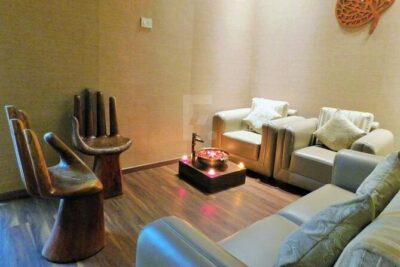
- Does the tour include hotel accommodation?
- Is the tour private or shared?
- Are meals included?
- What languages are available for the guide?
- Is there any COVID safety plan?
- What should I wear for temple and religious visits?
- Is Ajanta affected by weekdays?
- What is included in terms of tickets?
Key things that make this tour work
- Airport pickup and hotel drop-off so you start calm and keep your first day easy
- Train-first routing between cities, with local-train time inside Mumbai
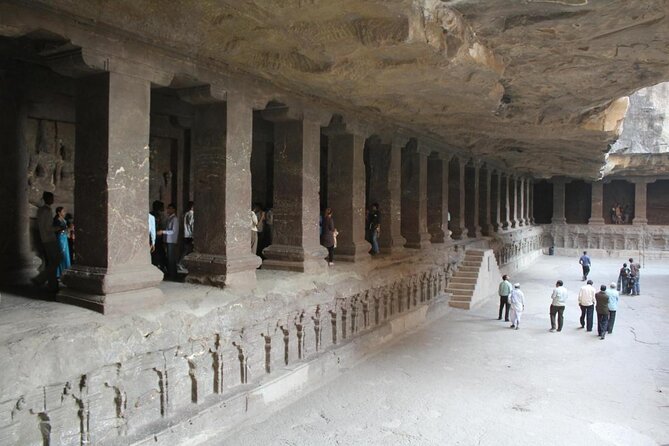
- Ajanta and Ellora with AC support and long, comfortable on-site exploration time
- Khuldabad Sufi sites plus Daulatabad Fort for a human story, not just monuments
- Nanded’s Sikh temples and a local dinner that connects faith with food and community
- Optional Aurangabad homestay for a more everyday look at Indian culture
Maharashtra, but make it spiritual: what this trip is really about
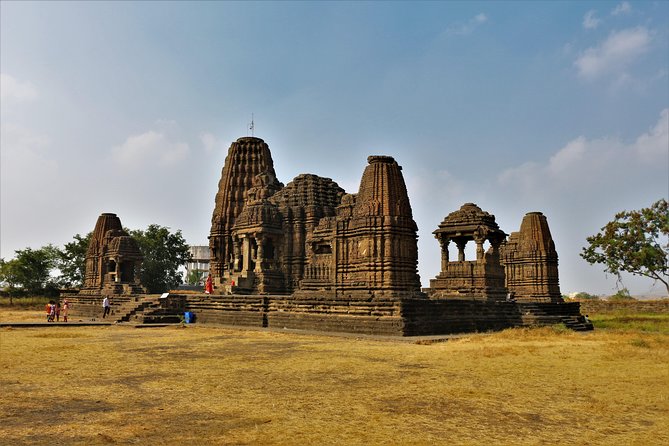
A lot of India tours list temples. This one tries to explain faith through place. Over 12 days, the route moves from Mumbai’s layered religious cityscape to the sacred geography of Nashik, then into the cave-country near Aurangabad, and finally to Nanded’s Sikh heartland. The payoff is that you get to see how different traditions can live close together, and still feel distinctly themselves.
I like how the itinerary isn’t only big-name landmarks. You do the major anchors like Ajanta and Ellora, but you also spend time where you can feel routine worship—especially around riverfront and village-temple settings. That matters if you want understanding, not just photos.
The pacing is also practical. You’re not bouncing every hour. Many days include a cluster of short-to-medium visits, plus built-in free time in Mumbai so you can recharge or wander on your own. If you’re the type who gets cranky when every day is a sprint, this style will suit you.
Mumbai’s multi-faith day: from Malabar Hill to Haji Ali
Mumbai day one in the city is set up like an orientation. After landing at Chhatrapati Shivaji International Airport, you’re met and taken to your hotel. The next morning starts at Malabar Hill near an ancient step-well, where the guide frames the idea of India’s religions right where people have gathered for a long time.
From there, you move to Babulnath Temple, a Shiva temple dating to the 12th century. It also has a modern pop-culture link because it’s known to Netflix fans from Sense 8. That connection won’t change the spiritual value, but it can help you orient quickly: you’re seeing an old devotional site that still lives in contemporary Mumbai culture.
Then comes Haji Ali Mosque and Dargah, built in 1431 for Sayyed Pir Haji Ali Shah Bukhari. The standout detail here is location—like a quiet island in the sea. It’s a walk, it’s slower, and it gives you a break from city noise while staying deeply religious.
What to watch for: this is a lot of stepping around holy sites. Bring water and take your time. Also, plan for modest clothing. Your guide will expect it, and it makes visits smoother.
Still weighing it up? Put these Mumbai tours side by side before you decide.




Dharavi by local train, then Colaba to Gateway of India
On day three, the tour uses local public transit inside Mumbai, which is where you get a different kind of city understanding. You go from Churchgate Railway Station to Dharavi by local train. Dharavi is described as the biggest slum area in Asia, and the visit is positioned to help you rethink what a slum is, beyond stereotypes—by seeing the everyday economy and how people organize work and life.
This is one of the “be ready with your brain” days. You’ll likely see things that challenge your assumptions. The guide’s job is to keep it respectful and contextual, and it’s also where good listening matters most.
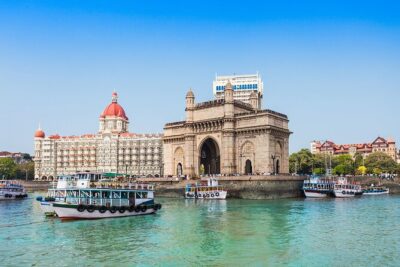
After lunch, you shift gears to Colaba for South Bombay: the Gateway of India, views of Victorian-era architecture, and a stop that gives you a taste of the modern art scene at Jehangir Art Gallery. You wrap with Chhatrapati Shivaji Terminus, a UNESCO World Heritage station, then finish near the Cathedral of the Holy Name—another British-era vestige.
A practical note: the day is packed with short stops. If you like wandering through spaces without a tight timer, use the tour’s structure as a baseline and then add your own exploration during the Mumbai free time.
Chhatrapati Shivaji Terminus to Nashik by train: watching India move
Day four makes the transition from coastal Mumbai to inland sacred India. You start at Chhatrapati Shivaji Terminus again and take a train toward Nashik. The ride is described as about three hours, with time to notice the everyday train culture. This kind of slow observation is underrated travel value. It’s not just transit; it’s part of seeing how the country breathes.
Once you arrive, you head toward the Godavari River for a night ceremony to worship Godavari. That shift—from rail energy to river ritual—helps the itinerary make sense as “spiritual geography,” not a random list of stops.
If you’re sensitive to noise or crowds, trains can be intense. But the upside is you see real movement patterns rather than a sealed-car version of India.
Nashik’s Ramayana trail: temples, kunds, and Ramkund
Nashik is the tour’s main Hindu spirituality chapter, and it’s focused on the Ramayana story. The day starts at Shree Laxmanji Temple, framed around Laxman, Ram, and Sita. From there you visit Sita Agni Kund Samarpan Sthal, connected to the end-point of Ramayana’s narrative. It’s presented as a place of miracle, which is exactly the kind of local interpretation you want from a guided approach.
Then you move through Naroshankar Temple, Kalaram Temple, and a final temple stop described for intense activity and a strong Ramayana connection. The day ends at Ramkund, positioned as Nashik’s main sacred area tied to funerals and ceremonies in Hindu practice. That final stop is important because it broadens “temple visiting” into how life and death are held within religious space.
Drawback/consideration: if you’re visiting during hot weather, temple and waterfront days can feel long. The tour doesn’t mention special breaks beyond the normal pacing, so plan on water, hats, and slow steps.
Who will love this day: anyone interested in how storytelling becomes sacred geography—how the Ramayana is not just a text, but a route people still visit and honor.
- Dharavi slum tour in Mumbai by Female tour guides of the slum
★ 5.0 · 1,976 reviews - Mumbai: Full-Day Sightseeing Tour of Mumbai
★ 4.9 · 1,822 reviews - Private Mumbai Sightseeing Tour (Traveller’s Choice Award Winner)
★ 5.0 · 1,565 reviews - Group Guided Walking Tour in Fort and Colaba
★ 5.0 · 1,073 reviews - Highlights of Mumbai Sightseeing Tour: TRAVELLERS CHOICE AWARDED
★ 5.0 · 915 reviews - Private Guided Walking Tour in Fort & Colaba
★ 5.0 · 895 reviews
Aurangabad by rail, then Ajanta: art that survives time
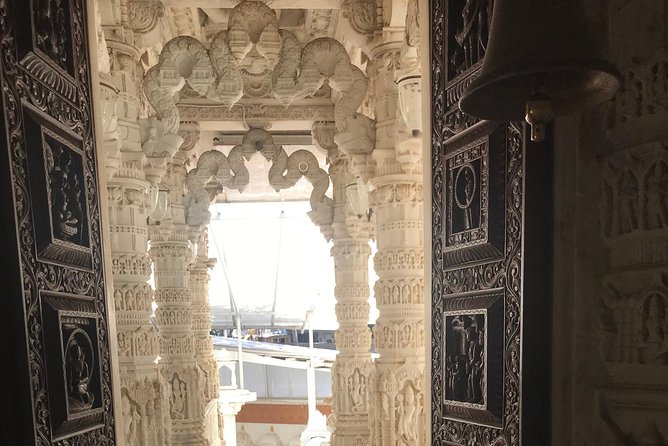
Next, the tour takes you from Nashik to Aurangabad by train. It’s another “watch the country travel” moment, and it keeps costs and planning simpler than constant private driving.
Once in Aurangabad, you’re dropped at your hotel or an optional homestay. That choice is a real value lever. A homestay can give you a more everyday cultural view, not only the museum version. If you want local routines, this is the day to pick it.
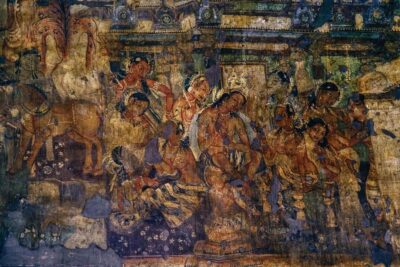
Day seven includes Ajanta Caves. The tour uses a private AC vehicle to reach the site, and it’s explicitly noted that Ajanta is closed on Tuesday, so the guide may change the order depending on your dates. Ajanta is known for its painting and its surrounding nature, described as one of those man-made marvels that doesn’t translate well from photos. You get multiple hours on site, which is key. Cave art needs time to look closely and understand scale.
Tip for your comfort: wear shoes you can trust on uneven ground. The tour aims to make the experience manageable, but caves are caves—smooth floors are not the theme.
Ellora’s 32 caves and Kailash Temple: multiple faiths in one complex
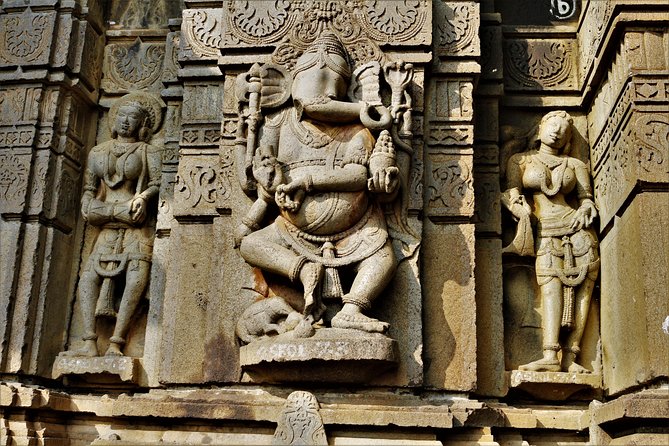
Then comes Ellora, another UNESCO World Heritage site. The tour keeps your visit flexible by giving you time to explore and see Kailash Temple within the larger Ellora complex.
Ellora is described as having 32 caves from three religions, including a focus on the biggest monolithic monument in the world. The Kailash Temple is singled out as a standout, and the guide’s emphasis on carvings and statues’ details helps you see what makes the place different from other cave sites.
This is where the tour promise of religious variety starts to feel concrete. Instead of faith as separate trips, you experience it as layered space—religion carved into the same rock landscape over time.
Possible drawback: two big cave days close together can be mentally tiring. If you feel that coming, use the guide time to choose what you’ll focus on, then let yourself rest without guilt.
Khuldabad: the Sufi capital story, from tombs to fort history
Day nine moves from the cave-country into Khuldabad for Sufism. Khuldabad is presented as a 14th-century capital of Sufism and described as still a major Sufi site in India.
You visit Malik Ambar’s tomb first. Malik Ambar is described as a slave who became prime minister of the Nizam’s sultanate, and the tour frames him as a figure connected to extreme religious tolerance. Whether or not you know the details already, the point lands quickly: spirituality here isn’t only devotional—it’s political and cultural too.
Then you visit Aurangzeb’s tomb, described as near his Sufi master. The tour frames this stop as a way to experience the Mughal emperor’s last moments of life. It’s a striking contrast day: empire, devotion, and reverence in one geographical thread.
You also stop at Burhanuddin Gharib Dargah in Khuldabad, plus the Government Botanical Garden, and then spend time at Daulatabad Fort. The fort is presented as the story of how a small village became significant as a Sufi center. That last part is what makes the day more than sight-seeing: you’re connecting why the place mattered.
Who this day suits: if you like spiritual history that ties into human decisions, not only legends.
Nanded’s Sikh temples: Hazur Sahib, night visits, and dinner with locals
The final major faith section is in Nanded. You take a train to Nanded after breakfast, then transition through local village stops at Hottal, including temple visits and time to explore village life.
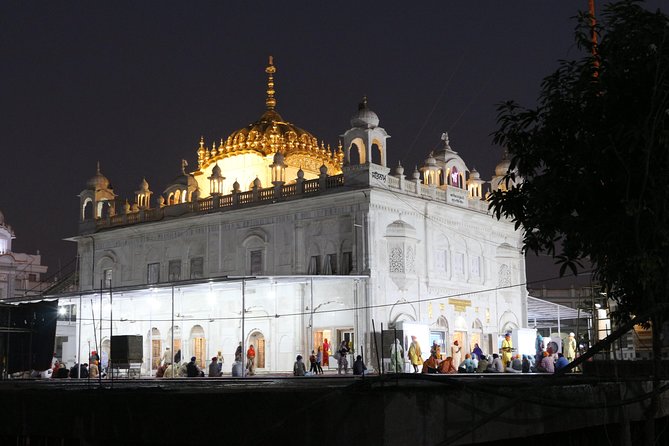
In Nanded, Hazur Sahib is your anchor Sikh shrine stop. The tour also includes a night visit to a Gurudwara and then a longer visit to Takhat Sachkhand Sri Hazur Abchalnagar Sahib. The description includes delicious dinner prepared by locals, which is exactly the kind of cultural payoff that makes a religious route feel human.
On day eleven, you revisit Gurudwara shri Nagina Ghat by the river, then return to the main Gurudwara during the day. The guide frames it as an introduction to Sikh community life and how people work together as a strong united community. That’s useful because it explains the faith through social structure, not just architecture.
Consideration: Sikh worship spaces are active and may involve longer periods standing or walking. If you have mobility limits, mention it early to your guide so they can pace you.
Pace, comfort, and the small rules that make it smoother
This tour is set as a private activity, meaning it’s designed for only your group rather than being mixed into large crowds. That matters because the guide can adjust timing when someone needs a slower pace at a temple or a longer look at cave art.
Transportation between cities is mostly by train, unless you request another mode (which you’re told to contact the provider for). Inside cities, there’s a mix of local rail and guided walking. Expect a moderate fitness level overall, plus the usual India realities: stairs, uneven paths, and busy times around major shrines.
Dress should be decent. That’s not just cultural politeness—it helps you enter worship spaces without friction. Bring a scarf or light layer if you get cold in transit or want easy coverage.
COVID-related safety is explicitly addressed with regular sanitization of the car, cleaning protocols, mask use, and temperature checks, following government guidance. Even when you’re past the worst of it, it’s a reassuring sign that the operator thinks about hygiene as part of operations, not as an afterthought.
Price and value: what you get for about $586.43
At around $586.43 per person for a 12-day Maharashtra circuit, the value comes from what’s actually included. You’re getting a professional guide, AC vehicle support, entrance to monuments, and included meals (lunch and a set number of breakfasts and dinners as listed). You also get 3-star accommodation and private transportation tied into the day-to-day plan.
You’re not paying extra for every individual shrine stop, and the big logistics costs—like train tickets between cities—are covered. On a trip that spans multiple regions, that bundled structure can save both money and stress.
What could change the true value for you is your personal comfort with train travel and cave days. If you hate trains, you’ll feel the friction. If you like them, this itinerary is built for the way you’ll travel through India anyway.
Also, optional homestay in Aurangabad can shift the experience quality in your favor without changing the tour’s core structure. If you’re the type who wants to see daily life, that’s where your money turns into memory.
Should you book Akvin Tourism’s Maharashtra faith circuit
Book it if you want a guided, multi-faith route that’s organized across real places: Mumbai’s temples and mosques, Nashik’s Ramayana sacred stops, Ajanta and Ellora for the shared cave timeline, then Sufi and Sikh shrines in Khuldabad and Nanded. You’ll also appreciate that it’s designed to avoid only tourist-heavy spots and keep a practical pace with trains and AC support.
Skip or reconsider if you need a very relaxed pace with minimal walking, or if you strongly prefer one faith tradition at a time. This is built to compare and connect, and that means it moves.
One smart move: match the homestay option to your travel style. If you like people and routine, it’s worth leaning in.
If you’re ready for spiritual sites plus real-world India logistics, this circuit is a strong choice.
FAQ
Is airport pickup included?
Yes. The tour includes meeting you at Chhatrapati Shivaji International Airport and transferring you to your hotel.
Are entrance fees included for monuments?
Yes. Entrance in all monuments is listed as included.
What transportation is used between Mumbai, Nashik, and Aurangabad?
Travel between the different cities is by train unless otherwise stated. Some local transport inside cities is also used.
Does the tour include hotel accommodation?
Yes. Accommodation in 3-star hotel is included, with an option of homestay in Aurangabad.
Is the tour private or shared?
It’s described as a private tour/activity, meaning only your group participates.
Are meals included?
Lunch is included, and breakfast and dinner are also included in set counts as listed.
What languages are available for the guide?
Tours are offered in English, French, Spanish, Hindi, Marathi, and Chinese. Instant confirmation is not available for languages other than English and Hindi.
Is there any COVID safety plan?
Yes. The tour lists measures like regular sanitization of the car, cleaning protocols, wearing masks, and temperature checks, following government and public health advice.
What should I wear for temple and religious visits?
Decent dressing is required. Modest clothing is recommended for comfort and respect.
Is Ajanta affected by weekdays?
Yes. Ajanta caves are closed on Tuesday, and the tour notes that the order may change depending on your dates.
What is included in terms of tickets?
A mobile ticket is mentioned, and train tickets are included as part of the itinerary.
More Mumbai, Every Kind of Day
- Dharavi slum tour in Mumbai by Female tour guides of the slum
★ 5.0 · 1,976 reviews - Mumbai: Full-Day Sightseeing Tour of Mumbai
★ 4.9 · 1,822 reviews - Private Mumbai Sightseeing Tour (Traveller’s Choice Award Winner)
★ 5.0 · 1,565 reviews - Elephanta Caves & Island Guided Private Tour
★ 5.0 · 1,327 reviews