Review · MUMBAI
Traditional Indian Immersive Cultural Experience
Craft lives behind glass here, and the way you learn it feels like a guided conversation rather than a lecture. I love the presentation of nearly 300 dolls, masks, and figurines in clear cabinets, and I love how the guide ties each craft form to history, tribes, textiles, and folk stories instead of treating them like decorative objects. One thing to consider: the exhibits are fragile, so you’ll see a more rules-and-glass experience than a hands-on museum visit—plus entry is restricted for kids under 10.
What makes this work well is the structure: two guided parts in the same residential studio in Worli/Prabhadevi. You start with a close look at craft traditions from across India (and a few international examples), then you shift to drawings on personal and social themes—motherhood, the mind’s “explosiveness,” isolation during the recent pandemic, and rural scenes inspired by travel.
Plan for a calm 3-hour block. The setting is small, the focus is detailed, and it’s easy to get something meaningful even if you’re not a “museum person.” Still, if you’re hoping for lots of walking around a big city attraction, this is the wrong shape of experience.
In This Review
- Key things I’d circle before you go
- Entering the Worli/Prabhadevi studio setup
- Part one: dolls, masks, and figurines behind glass
- Cross-border dolls add context, not clutter
- Stop focus: Worli/Prabhadevi and why the residential studio matters
- The second part: drawings on motherhood, the mind, isolation, and rural travel
- Why the PM Narendra Modi Office recognition is more than a headline
- Price and value: what $54 buys you in real terms
- Who should book this cultural crafts-and-drawings tour
- Should you book it?
- FAQ
- What are the two parts of the tour?
- How long is the experience?
- Where do I meet for the tour?
- Is this suitable for families?
- Is it a private tour?
- What ticket and booking details should I know?
Key things I’d circle before you go
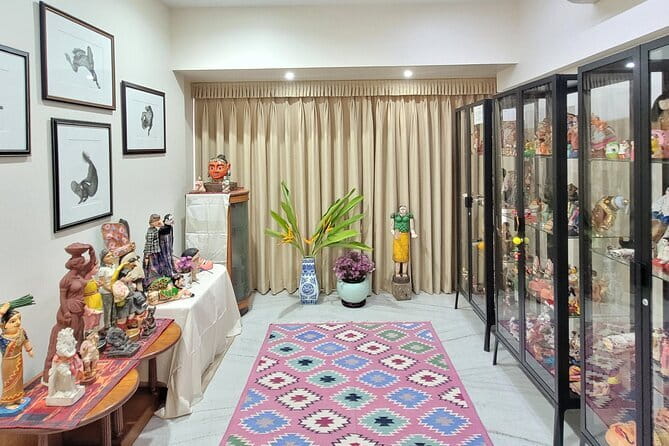
- ~300 artifacts displayed inside glass cabinets, with explanations tied to culture and place
- Two-part flow: crafts and folk context first, then themed drawings second
- Crafts that may be endangered, with geography, religion, and social roles explained
- Cross-border doll examples, including pieces from Japan, Iran, Nepal, Bhutan, Indonesia, and Ukraine
- Stories you can follow, from legends and indigenous tribes to textiles and everyday customs
- A private group setup, so the guide can pace the conversation for your party
Entering the Worli/Prabhadevi studio setup
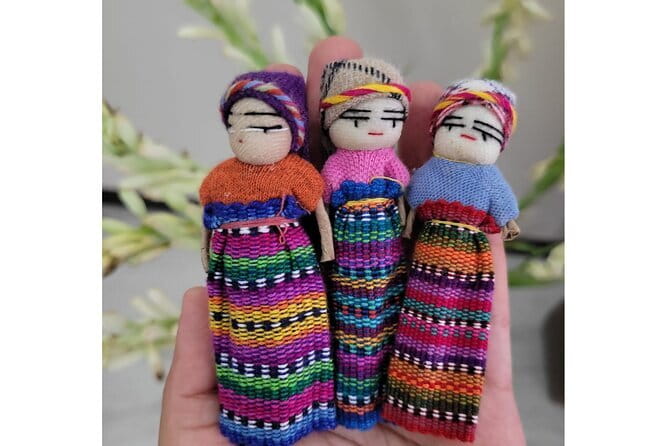
This experience is set up like a small cultural salon inside a residential apartment studio in Mumbai’s Worli/Prabhadevi area. You meet at WeWork (1st floor), 264-265, Dr Annie Besant Rd, Municipal Colony, Worli Shivaji Nagar, Worli, Mumbai, Maharashtra 400025. The activity ends back at the same meeting point.
You’re not wandering around a huge complex. Instead, you’re going to a room where the guide can speak clearly and keep you close to the exhibits. That matters, because the heart of the tour is looking carefully at objects—dolls, masks, and figurines—and then hearing why they matter.
Timing is also straightforward. The studio operates Monday through Sunday from 11:00 AM to 5:00 PM, and the tour runs about 3 hours. You’ll have a mobile ticket, and booking is confirmed based on availability (with confirmation sent within 48 hours).
And yes, there’s a practical note: because the exhibits are fragile, entry is restricted for anyone under age 10. If you’re traveling with kids, that’s the main “make or break” detail to check early.
Part one: dolls, masks, and figurines behind glass
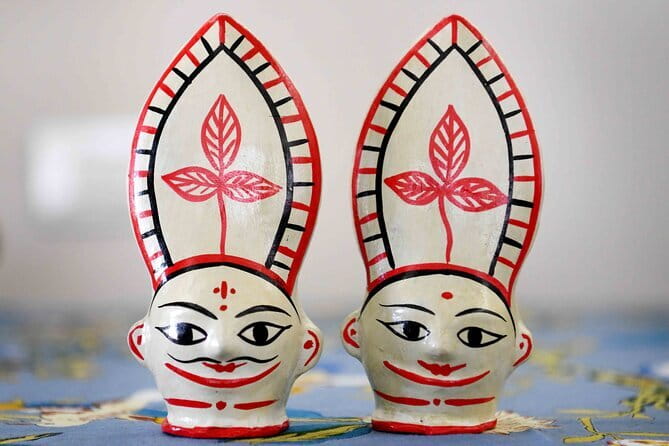
The first guided segment is the craft collection itself. You’ll be taken through a private display of dolls, masks, and figurines, with around 300 pieces visible in glass cabinets. Glass can feel cold, but here it actually helps: it keeps the focus on details—the faces, materials, proportions, and patterns—while the guide explains what you’re looking at.
What I like most about this part is that it doesn’t treat these objects like static antiques. The guide connects them to historical, geographical, social, and cultural significance. You also get explanations of craft forms as part of daily life and belief systems, not just artistic output.
Another big plus: the talk includes folk stories and legends, plus references to indigenous tribes and regional textiles. That combination matters because many craft traditions in India aren’t separated into neat categories. A mask might be linked to ritual and identity. A doll might connect to family roles, performance, or storytelling. A figurine might carry regional meaning. The guide helps you see those links.
You also learn that some of the craft traditions represented are on the brink of extinction. That adds weight without turning the tour into pure sadness. It makes you understand why documentation, preservation, and attention matter.
Still weighing it up? Put these Mumbai tours side by side before you decide.



Cross-border dolls add context, not clutter
Along with Indian pieces, the studio also displays dolls from outside the country—examples include Japan, Iran, Nepal, Bhutan, Indonesia, and Ukraine. This could easily feel random. Here, it works better because it supports a bigger theme: how craft traditions travel, change, and sometimes echo each other across regions.
You don’t just “see foreign dolls.” You get the sense that the guide is showing you patterns—how materials and symbolism shift, and how the meaning of an object depends on the culture holding it.
If you like your museum time to be comparative, this is a smart touch. If you’re only interested in strictly Indian crafts, you might spend slightly less time on these international items—but you’ll still leave with a broader understanding of how doll-making and face-making traditions can resonate.
Stop focus: Worli/Prabhadevi and why the residential studio matters
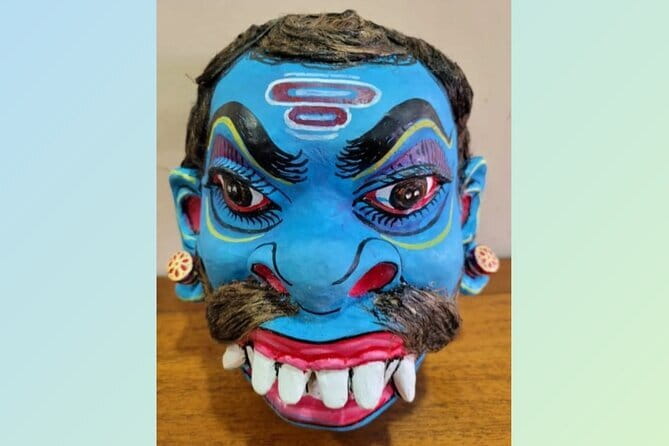
This isn’t a big public gallery with crowds and signs. It’s run as a studio inside a residence in Worli/Prabhadevi, meaning the tour feels personal and controlled. The guide can slow down when a detail is worth it, and speed up when your group is already following.
That also changes what you notice. In a large museum, you can skim. Here, the glass cabinets and the smaller space keep you in the viewing mode. You naturally spend more time reading the visual language of each object.
Practical tip: wear comfortable shoes even though you’re not doing lots of walking. The experience is more “stand and look” than “stroll and photo.” You’ll likely spend time leaning in, stepping slightly to see different angles, and listening closely.
The second part: drawings on motherhood, the mind, isolation, and rural travel
After the crafts segment, you switch to drawings on different themes. This part changes the emotional temperature in a good way. The objects-to-stories flow doesn’t disappear; it evolves.
The drawing themes you’ll see include:
- Motherhood
- The explosiveness of the mind
- Isolation experienced during the recent pandemic
- Drawings inspired by travel through rural pockets of the country
This is where the tour stops being only about tradition as an artifact. It becomes tradition as lived experience—how people process their lives through art, and how that art carries social meaning.
Even if you don’t consider yourself an art critic, these themes are easy to connect to. Motherhood and isolation are universal. The “explosiveness of the mind” theme gives you a chance to interpret expression without needing technical art vocabulary. And rural travel inspiration gives you a grounded sense of place—how landscapes and social rhythms can shift what an artist chooses to draw.
If you’re the kind of visitor who likes to understand what art is doing emotionally as well as culturally, this second half is a strong payoff.
- Dharavi slum tour in Mumbai by Female tour guides of the slum
★ 5.0 · 1,976 reviews - Mumbai: Full-Day Sightseeing Tour of Mumbai
★ 4.9 · 1,822 reviews - Private Mumbai Sightseeing Tour (Traveller’s Choice Award Winner)
★ 5.0 · 1,565 reviews - Group Guided Walking Tour in Fort and Colaba
★ 5.0 · 1,073 reviews - Highlights of Mumbai Sightseeing Tour: TRAVELLERS CHOICE AWARDED
★ 5.0 · 915 reviews - Private Guided Walking Tour in Fort & Colaba
★ 5.0 · 895 reviews
Why the PM Narendra Modi Office recognition is more than a headline

The collection has been recognized by the Office of PM Narendra Modi and covered by leading Indian dailies. It would be easy for that to turn into a brag-only fact.
But in practice, it signals something useful for you: the collection isn’t just a hobby with a few interesting items. It’s been taken seriously enough to earn public attention from high-level channels and mainstream press. That usually correlates with a real effort in documentation and context—something the tour experience leans on heavily.
In plain terms: you’re not just paying for objects. You’re paying for an explanation system that tries to honor meaning, not just aesthetics.
Price and value: what $54 buys you in real terms
At $54 for roughly 3 hours, this isn’t “cheap tourist entertainment.” It’s closer to paying for a focused guided session with a rare collection and a human storyteller.
Here’s where the value comes from:
- You get two different formats in one booking: craft-object storytelling plus themed drawing interpretation.
- The collection is large for a private studio setting (around 300 pieces), meaning the guide has enough material to keep your attention.
- The tour is private for your group, not folded into a mixed crowd. That matters because object-based tours work best when the guide can pace to your questions.
- You learn cultural context—history, geography, social roles, tribal connections, and textiles—which is what most “look and photo” tours skip.
Possible drawback on value: if you’re expecting a big-city sightseeing day with multiple stops, 3 hours in a studio may feel too small. But if you’re the type who enjoys objects, stories, and cultural context, $54 starts to look like a fair exchange for a very specific, hard-to-replicate experience.
Who should book this cultural crafts-and-drawings tour

This fits best if you:
- Love traditional arts and want the meaning behind them
- Enjoy learning about tribes, customs, textiles, and folk stories
- Prefer smaller settings over packed, high-noise attractions
- Want something that works for adults and often fits family interests too (as long as kids meet the age 10+ rule)
It may not fit as well if you:
- Need lots of outdoor sightseeing time
- Expect hands-on crafting (glass cabinets mean you mostly observe)
- Travel with very young kids who can’t enter due to the fragile exhibit rule
If you’re visiting Mumbai for the first time and you already plan to see the big landmarks, this studio tour makes a nice contrast. It’s the “people and meaning” side of the city, not just the skyline side.
Should you book it?
If you like culture that’s explained with care, I’d lean yes. This is one of those experiences where the objects feel like they have names, roles, and stories—especially in the first part with dolls, masks, and figurines tied to geography and social meaning. The second part adds emotional texture through drawings on motherhood, mind, isolation, and rural inspiration.
I’d book it if your ideal tour includes listening, looking closely, and leaving with a clearer map of how craft connects to life in India. I’d think twice only if you’re traveling with kids under 10 or if you want a high-movement, outdoor-heavy day.
If you’re open-minded and enjoy detailed cultural storytelling, this one is a smart use of a half-day.
FAQ
What are the two parts of the tour?
You’ll first go through a guided walk of dolls, masks, and figurines in the studio collection, where the guide explains historical, cultural, and social significance. Then you’ll do a walkthrough of drawings on themes like motherhood, the mind, pandemic isolation, and rural inspirations.
How long is the experience?
It’s about 3 hours.
Where do I meet for the tour?
Meet at WeWork, 1st floor, 264-265, Dr Annie Besant Rd, Municipal Colony, Worli Shivaji Nagar, Worli, Mumbai, Maharashtra 400025. The tour ends back at the meeting point.
Is this suitable for families?
Entry is restricted for children below age 10 due to the fragile nature of the exhibits.
Is it a private tour?
Yes. It’s a private activity, and only your group participates.
What ticket and booking details should I know?
You use a mobile ticket. Confirmation is sent within 48 hours of booking, subject to availability, and free cancellation is available up to 24 hours before the experience starts for a full refund.
More Mumbai, Every Kind of Day
- Dharavi slum tour in Mumbai by Female tour guides of the slum
★ 5.0 · 1,976 reviews - Mumbai: Full-Day Sightseeing Tour of Mumbai
★ 4.9 · 1,822 reviews - Private Mumbai Sightseeing Tour (Traveller’s Choice Award Winner)
★ 5.0 · 1,565 reviews - Elephanta Caves & Island Guided Private Tour
★ 5.0 · 1,327 reviews