
Review · ELEPHANTA ISLAND & CAVE TEMPLES
Sightseeing tour with Elephanta cave tour
Caves across the harbor make Mumbai feel bigger. This tour strings together Elephanta Caves plus a tight loop of South Mumbai landmarks, with a guide who meets you at your hotel and stays with you the whole day. I like that you get the full ferry-and-caves day piece (with admission handled) and then an efficient sightseeing sweep that hits famous sights and everyday scenes. The only real catch is physical: you may need to handle a lot of walking and stairs on the island, and Elephanta is also a monkey zone.
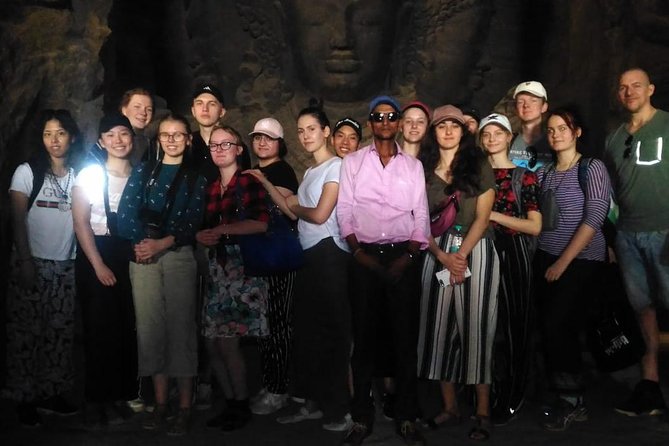
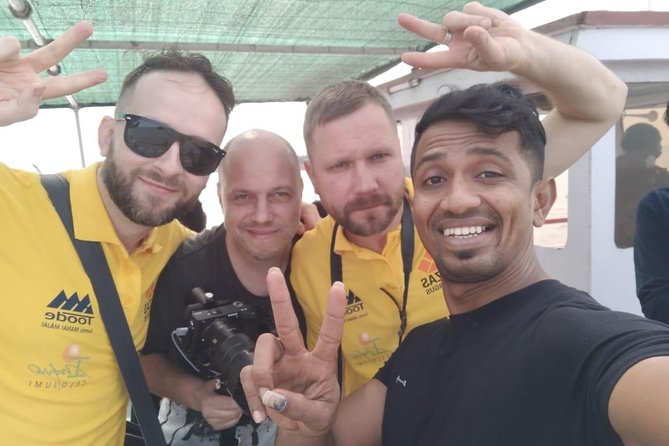
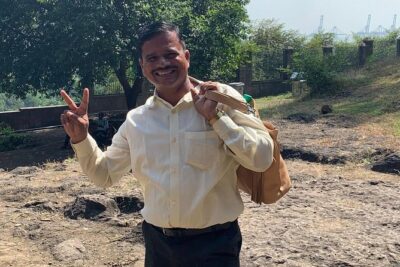
One more thing I really like: the human touch. Guides like Anthony (met in the hotel lobby) and Dev (who looked after safety and photos) show up with a calm pace, so the day doesn’t feel like a race. Still, if the weather isn’t cooperating, the experience can be rescheduled or refunded, so keep your plans flexible.
In This Review
- Key Things You’ll Notice on This Elephanta + South Mumbai Tour
- From Your Hotel to the Harbor: The Part That Makes the Day Easy
- Elephanta Island Ferry Ride: Views and a Dose of Real Island Life
- Entering the UNESCO Elephanta Caves: What to Expect Inside
- After the Caves: South Mumbai’s Landmark Sprint (With Meaning)
- Gateway of India: The Classic Arrival Moment
- Taj Mahal Palace Hotel: Heritage Luxury in Saracenic Revival Style
- Chhatrapati Shivaji Maharaj Terminus: Station Architecture That’s Worth the Pause
- University of Mumbai and Rajabai Clock Tower: British-Era Education Meets World Heritage
- Laundry Life, Gandhi, and Other Stops That Feel Grounded
- Dhobi Ghat: The Open-Air Laundry Scene
- Mani Bhavan Gandhi Museum: A Strong Civil Rights Thread
- Parks, Views, and the City’s Quieter Corners
- Kamala Nehru Park and the Old Woman’s Shoe
- Marine Drive: The “Queens Necklace” Drive-by Moment
- Hutatma Chowk and Lora Fountain
- Extra Heritage Stops That Add Texture (and Time Efficiency)
- Price and Logistics: Is $115.75 a Fair Deal?
- Who This Tour Fits Best (And Who Might Want a Different Plan)
- Should You Book This Elephanta Cave Tour?
- FAQ
- How long is the Elephanta Caves and South Mumbai tour?
- Does the price include hotel pickup and drop-off?
- Are ferry tickets included?
- Is admission to the Elephanta Caves included?
- What else is included during the day?
- Is food included?
- Do I need to climb stairs to reach the caves?
- What happens if the weather is poor?
Key Things You’ll Notice on This Elephanta + South Mumbai Tour
- Hotel pickup plus ferry tickets mean you’re not stitching together transit on your own
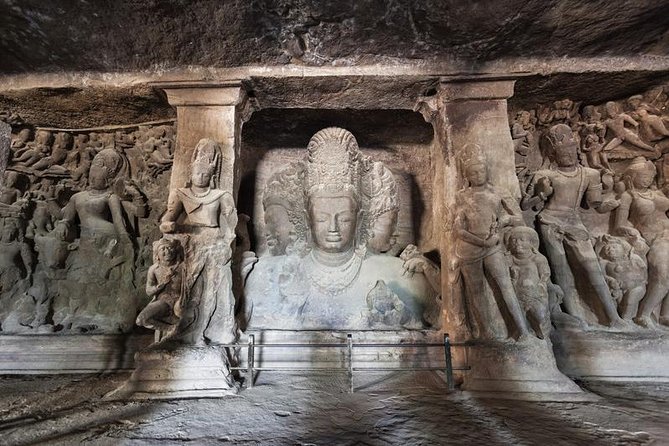
- UNESCO Elephanta Caves visit time is long enough to actually look, not just pose
- Stair-heavy island approach: plan for steps and uneven ground
- A guided loop through South Mumbai covers iconic monuments and British-era architecture
- Wildlife on Elephanta (yes, monkeys) adds a fun, slightly chaotic element
- Mini train included helps reduce the strain once you’re on site
From Your Hotel to the Harbor: The Part That Makes the Day Easy
The tour’s biggest value is simple: you don’t have to figure out the “how do I get there?” part. You get hotel pickup and drop-off, plus the ferry cost is included. For Mumbai, that matters. Distances can feel short on a map and long in traffic or transfers, so having a driver and guide handling the logistics keeps your brain on sightseeing.
Timing is also built for one-day flow. The whole experience runs about 6 to 7 hours, with a big chunk reserved for Elephanta (about 5 hours). That’s long enough to go beyond quick glances and actually study the cave interiors and carvings at your own pace, with guidance to help you make sense of what you’re seeing.
If you care about comfort, note what is included: bottled water, a guide and driver, and even small items like tolls and a mini train. Food isn’t included, so plan for that gap (especially after a long morning outdoors).
Elephanta Island Ferry Ride: Views and a Dose of Real Island Life
The day starts with a boat ride to Elephanta Island off Mumbai’s coast. Even before the caves, the crossing is part of the appeal: you get a different angle on the shoreline and a sense that you’re leaving the city rhythm behind.
Then reality hits—in the good way. Elephanta is home to wild monkeys, and they can be bold. Expect them to be present around pathways and open areas. You don’t need to panic, but you should treat it like wildlife territory: keep a safe distance and don’t leave food unattended. The good news is the tour format is guided, so if something feels chaotic, you’re not dealing with it alone.
This is also the moment where your guide’s style shows. In the feedback you’ll see a theme: a friendly, professional guide with a good pace makes the ferry-to-caves transition smoother. When you’re walking with a plan, the island feels like part of the itinerary instead of an obstacle.
Other boats out to Elephanta and its carved caves

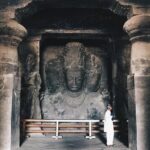
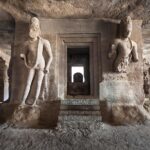
Entering the UNESCO Elephanta Caves: What to Expect Inside
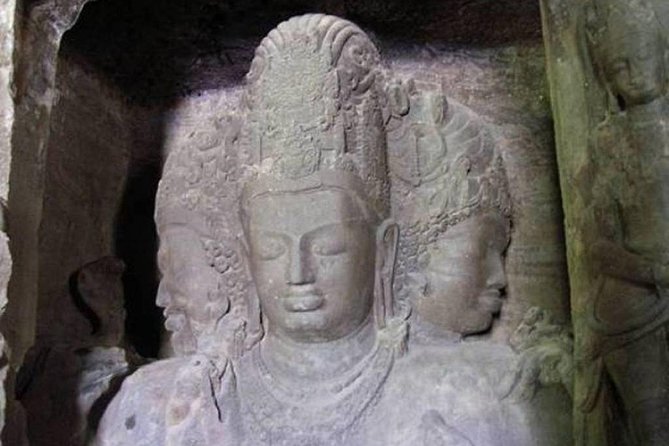
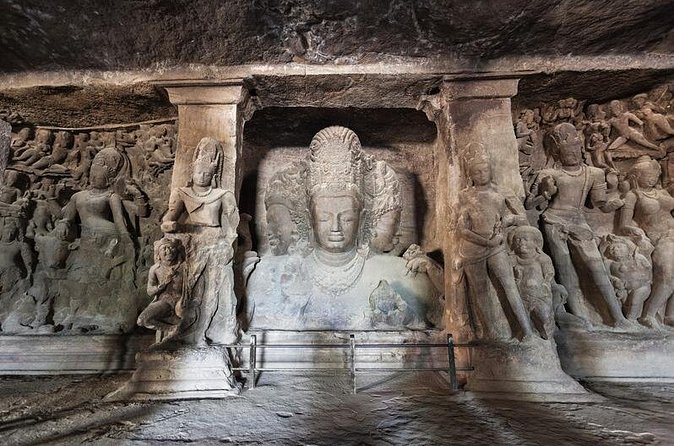
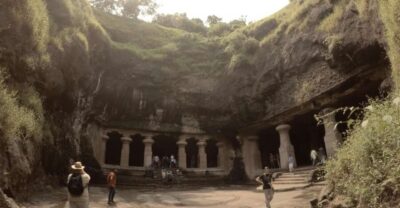
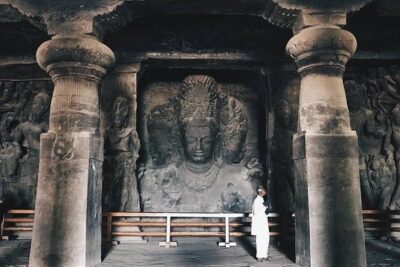
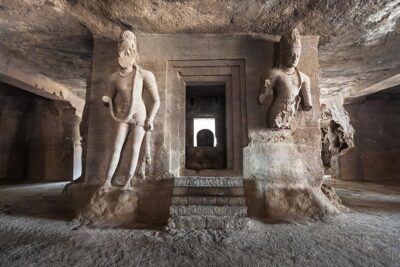
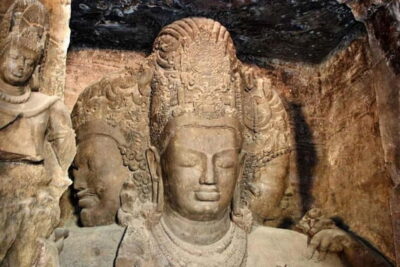
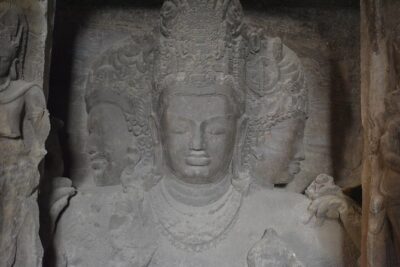
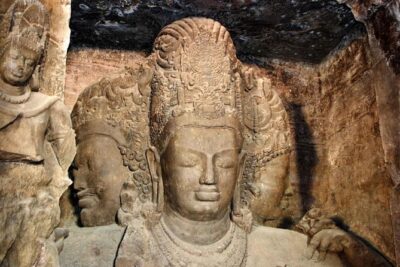
Elephanta is a UNESCO World Heritage site, famous for Hindu and Buddhist rock-hewn cave temples. The tour gives you real time here (admission included), so you’re not stuck rushing between stops.
Here’s what makes the caves especially worth your attention:
- The caves are arranged in layers, and the tour structure helps you understand that progression.
- The outer caves were used for Hindu worship until Portuguese rule set in later.
- Deeper in, you’ll find smaller cave spaces, which tend to feel more intimate and focused once you’ve worked your way in.
The physical side matters, though. One of the most practical takeaways from the experience is that you may need to climb around 120 steps to reach the caves. That’s not a deal-breaker for most people, but it’s enough to change what to wear.
My advice: wear shoes with good grip and plan your energy for the cave approach. If you’re traveling with older knees or you hate stairs, treat this as the main risk point of the day.
Also, the included mini train can help reduce the walking load on site. You’ll still be moving, but it can take the edge off once you’re there.
After the Caves: South Mumbai’s Landmark Sprint (With Meaning)
Once you’re back on shore, the tour switches gears from caves to the city. The stops after Elephanta are mostly short photo-and-look sessions. That’s intentional: it helps you see more in less time, while the guide gives context so it doesn’t feel like a checklist.
Gateway of India: The Classic Arrival Moment
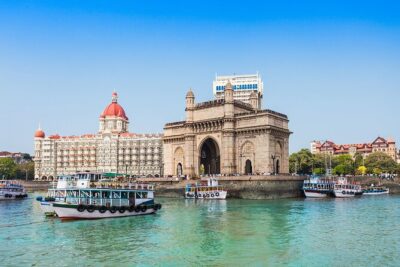
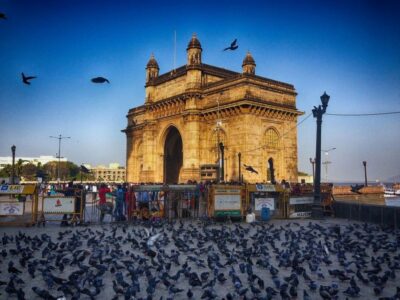
Your next quick stop is Gateway of India, Mumbai’s most famous monument, built to welcome King George V and Queen Mary into India. Even with limited time, it’s worth a slow look, because it anchors the entire South Mumbai story: this is where the port-era grandeur shows itself.
Other loops past the Gateway, Marine Drive and beyond
- Mumbai: Full-Day Sightseeing Tour of Mumbai
★ 4.9 · 1,822 reviews - Private Mumbai Sightseeing Tour (Traveller’s Choice Award Winner)
★ 5.0 · 1,565 reviews - Highlights of Mumbai Sightseeing Tour: TRAVELLERS CHOICE AWARDED
★ 5.0 · 915 reviews - Highlights of South Mumbai Guided Private Tour in AC Vehicle
★ 5.0 · 620 reviews - Private Mumbai Sightseeing Tour(Travellers Choice Award Winner)
★ 5.0 · 565 reviews - Private Half-Day Sightseeing Tour in Mumbai
★ 5.0 · 430 reviews
Taj Mahal Palace Hotel: Heritage Luxury in Saracenic Revival Style
Then you’ll pass by the Taj Mahal Palace Hotel, described here in its Saracenic Revival style. This is one of those buildings that works even if you only have a few minutes—details show up more when you’re standing close. You can also use this stop as a reset: breathe, check your photos, and stretch before the next set of heritage stops.
Chhatrapati Shivaji Maharaj Terminus: Station Architecture That’s Worth the Pause
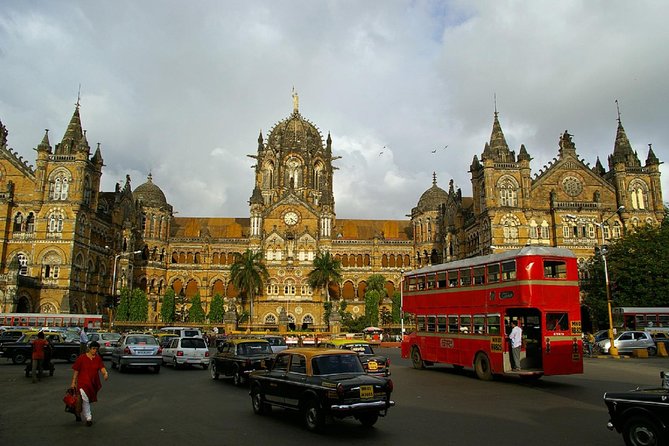
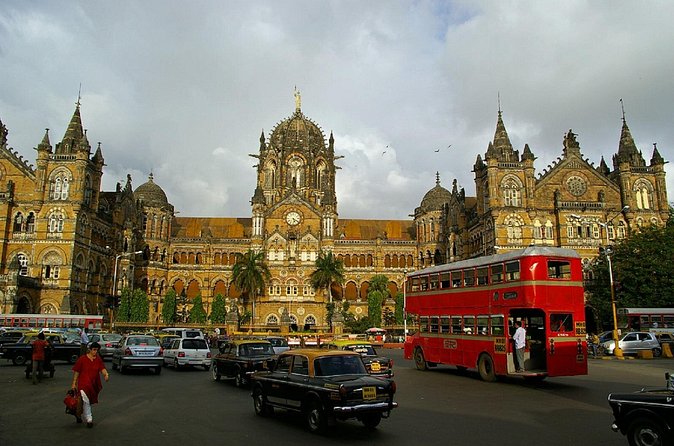
Next up is Chhatrapati Shivaji Maharaj Terminus (the UNESCO-listed rail station). The design is tied to Frederick William Stevens and uses Victorian Italianate Gothic Revival architecture, meant to echo classic forms associated with Indian Goth style.
This stop is brief, but it’s also one of the “stop and notice” places. If you like buildings, you’ll want a few minutes to look up and check the shape language. The guide’s job is to point out what you might otherwise miss.
University of Mumbai and Rajabai Clock Tower: British-Era Education Meets World Heritage
You also get the University of Mumbai Library and the Rajabai Clock Tower. The library building dates to 1857, with British heritage architecture. The clock tower is part of Mumbai’s Victorian and Art Deco Ensemble that gained World Heritage status in 2018.
These two stops are small wins for people who like cultural layers. You’ll see how the city’s institutions were shaped during colonial rule—and how those buildings still define the skyline.
Laundry Life, Gandhi, and Other Stops That Feel Grounded
Not every stop is grand and symmetrical. Some are the opposite—and that’s why they make this tour feel more like real Mumbai.
Dhobi Ghat: The Open-Air Laundry Scene
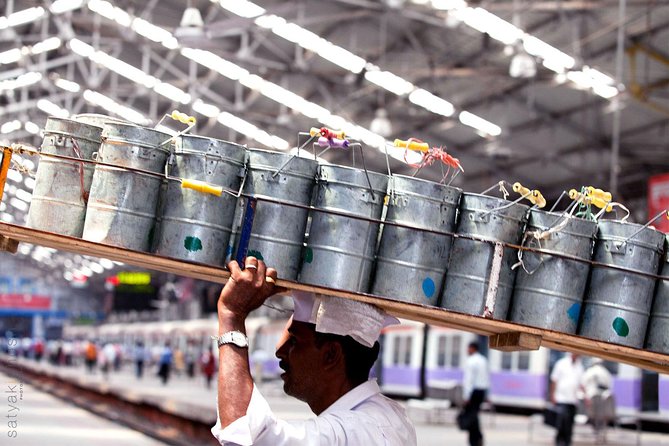
You’ll visit Dhobi Ghat, described as the largest open air laundry. Clothes are washed in full view of the public. Even if you don’t stay long, it’s one of those places that makes you look twice, because it doesn’t feel staged for tourists.
Practical tip: this area can be visually intense. Keep your camera ready, but stay respectful of the work happening around you.
Mani Bhavan Gandhi Museum: A Strong Civil Rights Thread
Then comes Mani Bhavan Gandhi Museum, a historical building and museum tied to Gandhi’s political activities in Mumbai between 1917 and 1934. This is one of the stops with admission included in the tour plan, and it also tends to be the moment where the day’s theme expands beyond architecture.
If you want to understand the city beyond monuments, this is a good place to slow down—take in what it represents and let the stories connect back to what you saw earlier.
Parks, Views, and the City’s Quieter Corners

Some of the later stops mix architecture with a chance to catch views.
Kamala Nehru Park and the Old Woman’s Shoe
The tour includes a stop at Kamala Nehru Park, noted for a skyline view and the famous Old woman’s shoe landmark. The time here is short, but it can be a nice break after cave walking and earlier monument stops.
Marine Drive: The “Queens Necklace” Drive-by Moment
You’ll also do a drive around Marine Drive, known as the Queens Necklace. This is more about perspective than photographing buildings up close. If you’re someone who likes to see how people use the city, this kind of drive-by stop is useful because it shows the urban rhythm.
Hutatma Chowk and Lora Fountain
You’ll see Lora Fountain at Hutatma Chowk. This stop is included as an ornamentally sculpted heritage monument. Even in a quick pass, it adds a different texture to the day—less big-ticket architecture, more public art and civic design.
Extra Heritage Stops That Add Texture (and Time Efficiency)
The route also loops through additional cultural landmarks, each with a quick look window:
- Prince of Wales Museum, now known as Chhatrapati Shivaji Maharaj Vastu Sangrahalaya
- David Sassoon Library, a well-known library and heritage structure tied to Albert Sassoon’s idea for placing it in the city center
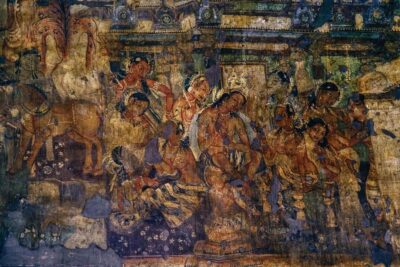
- A Historic Jain place of worship with intricate stone carvings and a dome painted with the zodiac (time varies within the route)
Because these are quick stops, it helps to go with a mindset of sampling rather than fully studying. Your guide can point you toward the details you’d otherwise miss in a short time.
Price and Logistics: Is $115.75 a Fair Deal?
At $115.75 per person, this tour isn’t cheap in absolute terms. But the value case is that you’re buying a bundle: hotel pickup/drop-off, ferry tickets, admission at the caves, a guide and driver, and even bottled water plus mini train and tolls.
You also get a full one-day arc: Elephanta Caves first, then multiple iconic South Mumbai landmarks and additional cultural stops. For many visitors, that’s the hard part—trying to coordinate all of that alone can balloon in time and cost.
One thing to watch: the tour doesn’t include food. If you typically spend on meals during tours, add that to your budget so you’re not surprised at the end of the day.
Who This Tour Fits Best (And Who Might Want a Different Plan)
This tour is a strong match if you:
- want a guided Elephanta Caves visit without scrambling for ferry and timing details
- like architecture and heritage, including British-era Mumbai
- enjoy a mix of big monuments and grounded local scenes like Dhobi Ghat
- prefer a pace that doesn’t feel rushed, especially since guides like Anthony and Dev are praised for safety, knowledge, and photo help
It may not be ideal if you:
- need to avoid stairs and long walking days (the step climb is a major factor)
- get stressed by wildlife (monkeys on Elephanta are part of the experience)
- want long museum time at every stop—this route is efficient, with many short looks rather than deep study
Should You Book This Elephanta Cave Tour?
If your goal is one high-impact day—UNESCO caves plus South Mumbai landmarks—I’d say yes, book it. The guided format, ferry inclusion, and hotel pickup remove the most annoying parts of planning in Mumbai, and the schedule gives enough time for the caves to feel real.
I’d hold off only if stairs are a deal-breaker for you or if you know you’ll struggle with a long day outdoors. Otherwise, this is a practical, well-structured way to see two sides of Mumbai in one go: the cave temples off the coast and the city’s heritage landmarks on shore.
FAQ
How long is the Elephanta Caves and South Mumbai tour?
The tour lasts about 6 to 7 hours.
Does the price include hotel pickup and drop-off?
Yes. Hotel pickup and drop-off are included.
Are ferry tickets included?
Yes. Ferry cost is included.
Is admission to the Elephanta Caves included?
Yes. Admission ticket for the Elephanta Caves is included.
What else is included during the day?
Included items are hotel pickup/drop-off, ferry cost, mini train, toll, bottled water, and a guide and driver.
Is food included?
No. Food and drinks are not included.
Do I need to climb stairs to reach the caves?
You should expect stairs—one key consideration is that you may need to climb around 120 steps to reach the caves.
What happens if the weather is poor?
If it’s canceled due to poor weather, you’ll be offered an alternative date or tour, or a full refund.
More Mumbai, Every Kind of Day
- Dharavi slum tour in Mumbai by Female tour guides of the slum
★ 5.0 · 1,976 reviews - Mumbai: Full-Day Sightseeing Tour of Mumbai
★ 4.9 · 1,822 reviews - Private Mumbai Sightseeing Tour (Traveller’s Choice Award Winner)
★ 5.0 · 1,565 reviews - Elephanta Caves & Island Guided Private Tour
★ 5.0 · 1,327 reviews
The Big Mumbai Circuits
- Mumbai: Full-Day Sightseeing Tour of Mumbai
★ 4.9 · 1,822 reviews - Private Mumbai Sightseeing Tour (Traveller’s Choice Award Winner)
★ 5.0 · 1,565 reviews - Highlights of Mumbai Sightseeing Tour: TRAVELLERS CHOICE AWARDED
★ 5.0 · 915 reviews - Highlights of South Mumbai Guided Private Tour in AC Vehicle
★ 5.0 · 620 reviews
Back Across the Harbour to Elephanta
- Elephanta Caves & Island Guided Private Tour
★ 5.0 · 1,327 reviews - Mumbai: Elephanta Caves Half-Day Guided Tour with Expert
★ 4.8 · 1,032 reviews - Private Elephanta Caves & Mumbai Sightseeing Tour with AC Car
★ 5.0 · 389 reviews - All inclusive Elephanta Caves Guided Tour
★ 5.0 · 386 reviews
New on the Mumbai shortlist


Elephanta Island & Cave Temples, compared.
 ★ 5.0Elephanta Caves & Island Guided Private TourFrom $421,327 reviews
 ★ 4.8Elephanta Caves Half-Day Guided Tour with ExpertFrom $301,032 reviews
 ★ 5.0Private Elephanta Caves & Mumbai Sightseeing Tour with AC CarFrom $29389 reviews
 ★ 5.0All inclusive Elephanta Caves Guided TourFrom $50386 reviews
 ★ 4.9From Mumbai: Half-Day Elephanta Caves Tour with Ferry RideFrom $26284 reviews
 ★ 4.9City Tour, Elephanta Caves, Dharavi Slum W/OptionsFrom $32198 reviews
 ★ 5.0Elephanta Caves & Island Tour with Multiple OptionsFrom $27171 reviews
 ★ 4.5Mumbai Elephanta Caves Private Half-Day Tour including GuideFrom $105150 reviews
Browse the lists this tour appears in