
Review · ELEPHANTA ISLAND & CAVE TEMPLES
Mumbai: Full-Day Guided City Tour with Elephanta Caves
Seeing Mumbai up close works fast. This full-day tour connects major landmarks with real-life scenes, starting at the Gateway of India with guide stories about the British departure, and continuing at the Dhobi Ghat laundry complex where thousands of washermen keep a 140-year routine running. You also get a smooth flow through Colaba, Kala Ghoda, seaside viewpoints, and UNESCO sites without having to figure out transport all day.
I like how the itinerary balances headline sights with places that feel lived-in, including Marine Drive’s 3.6km Queen’s Necklace promenade and Chowpatty Beach’s sunset rhythm. The one thing to consider is that the tour’s included lunch is fixed to specific restaurants, and you may want to plan an alternative if you’re picky about food or portion style.
In This Review
- Key things that make this tour worth your time
- A full-day Mumbai route that’s built around real contrasts
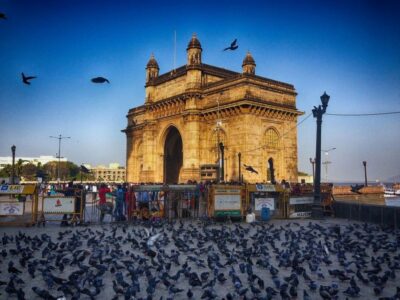
- Gateway of India and Taj Mahal Palace: where stories set the tone
- Colaba and Kala Ghoda: art-deco details and street-level Mumbai
- Dhobi Ghat: the working ritual behind the world’s largest open-air laundry
- Marine Drive’s Queen’s Necklace and Chowpatty Beach at sunset pace
- Walkeshwar Temple complex: ocean views with a calmer feel
- Victorian Gothic architecture: Chhatrapati Shivaji Terminus and the University of Mumbai
- Elephanta Caves by ferry: UNESCO 5th-century rock-cut Shiva temples
- Bandra-Worli Sea Link sunset: a modern icon at the end of a long day
- Lunch choices: plan around what’s included, and keep control of your day
- Price and value: what $98 buys you in a city that costs attention
- Who this tour fits best (and who should tweak the plan)
- A quick word on reliability
- Should you book this Mumbai tour with optional Elephanta?
- FAQ
- How long is the Mumbai full-day guided city tour?
- Is the Elephanta Caves visit included, or optional?
- What’s included in the price?
- Is hotel pickup provided?
- Does the tour include English guiding?
- Do I need to buy entrance tickets separately?
- What should I bring for the day?
Key things that make this tour worth your time
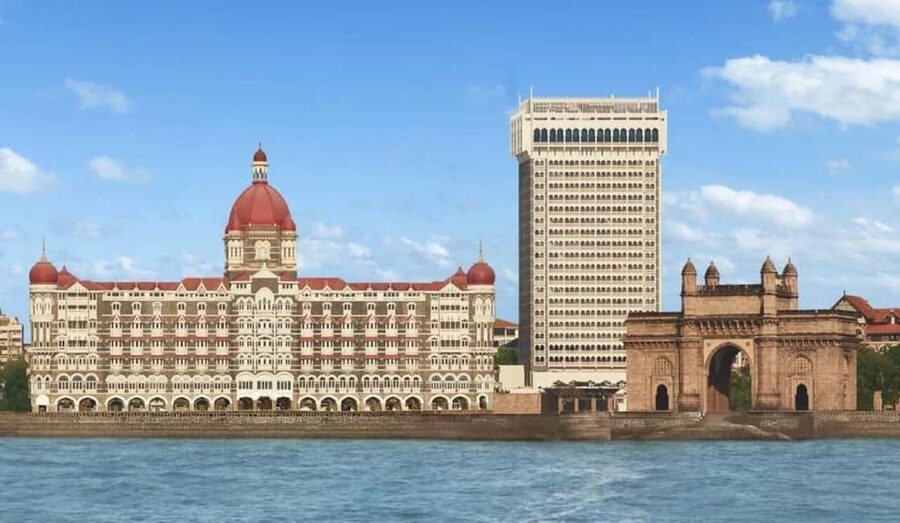
- Gateway of India + Taj Mahal Palace stop: Indo-Saracenic architecture and a clear story thread about the hotel’s resilience after the 2008 attacks.
- Colaba and Kala Ghoda on foot: Quick hits like Regal Cinema and the city’s art precinct without feeling rushed.
- Dhobi Ghat, the open-air laundry: Over 5,000 dhobis working in concrete flumes, plus why Bollywood uses it.
- Marine Drive and Chowpatty: Scenic promenade views, then street-food vibes like pav bhaji at the beach.
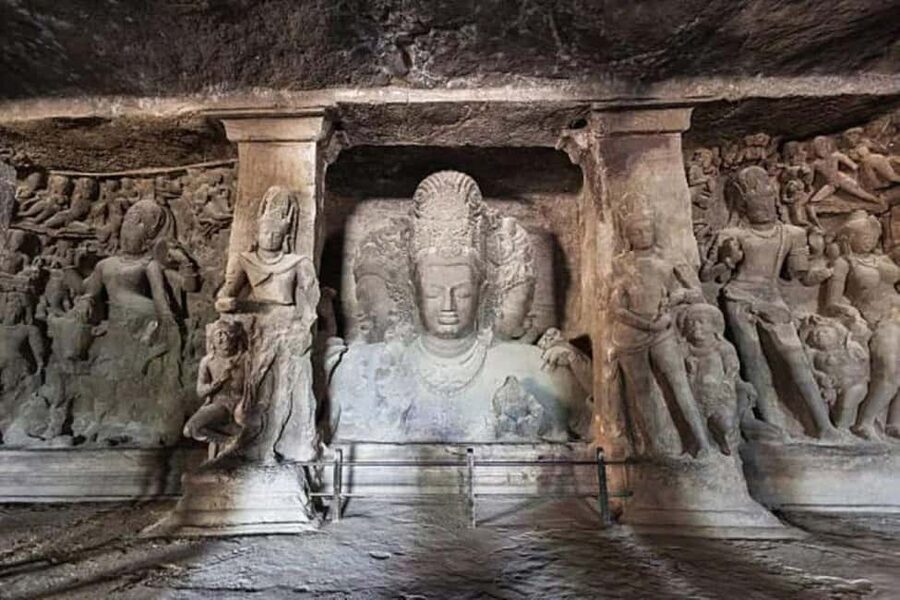
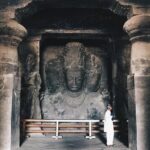
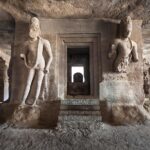
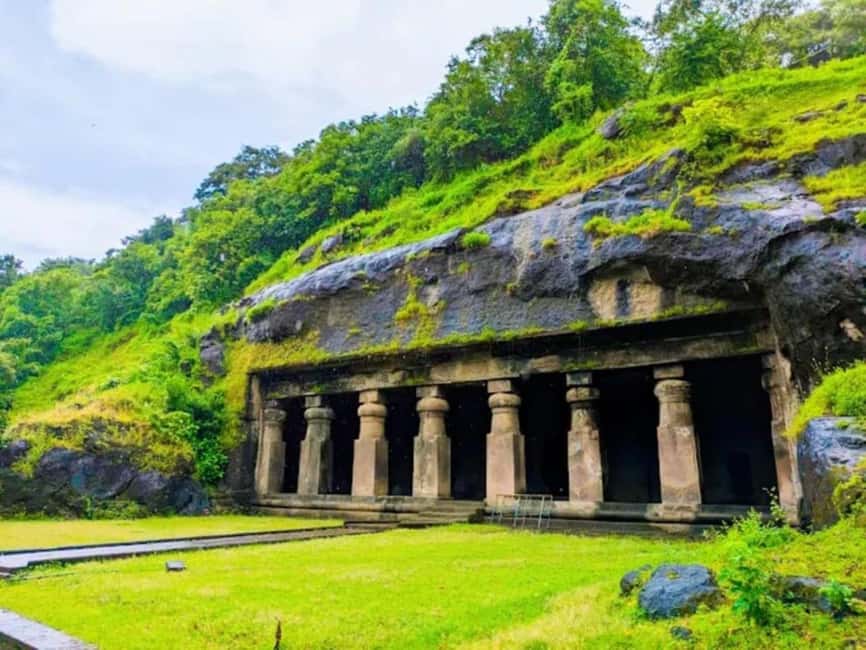
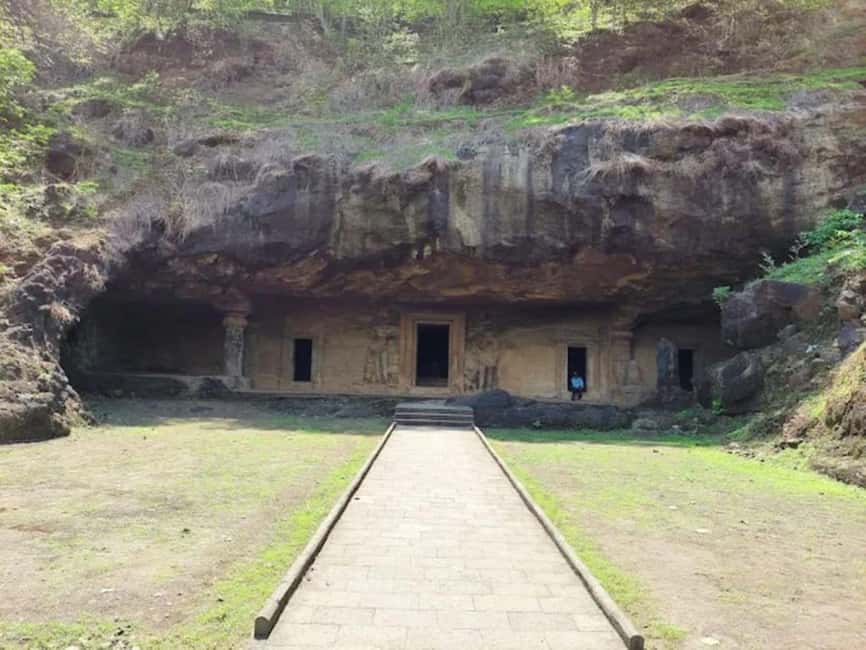
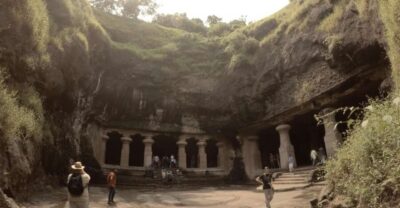
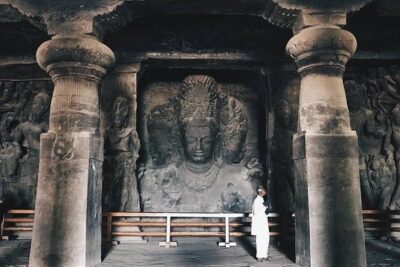
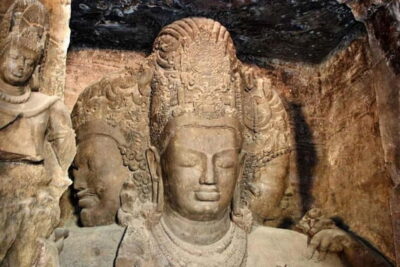
- Elephanta Caves optional by ferry: UNESCO 5th-century rock-cut Shiva temples and the famous Trimurti sculpture.
- Sunset at the Bandra-Worli Sea Link: A modern 5.6km engineering moment framed by the sea.
A full-day Mumbai route that’s built around real contrasts
Mumbai can feel like a blur if you only chase famous photos. This tour works because it keeps changing the scene: grand colonial-era landmarks, working neighborhoods, religious complexes with ocean views, then back to a UNESCO island. You’ll go from architecture that reads like history to daily routines you can’t fully understand from a guidebook.
The other win is the private format. A private guide means you can ask quick questions on the spot, slow down for the photos you actually care about, and keep the day moving without the friction of a larger group schedule.
Gateway of India and Taj Mahal Palace: where stories set the tone
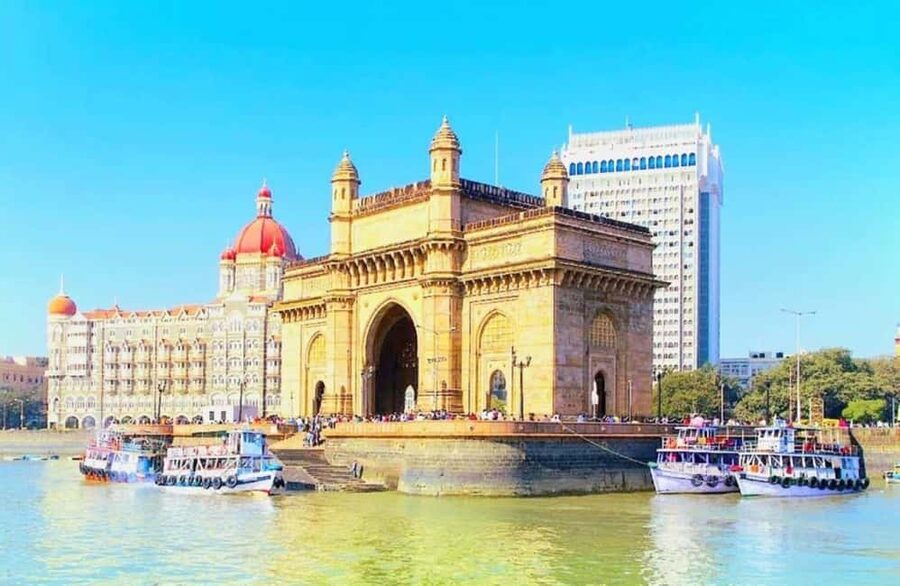
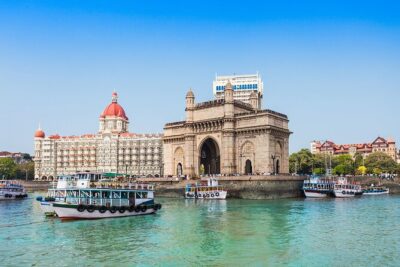
The day begins at the Gateway of India, built to commemorate King George V’s visit in 1911. It’s a photo stop, sure, but the real value is what your guide frames around it: the idea that this area was tied to the final British troop departure in 1948, right as India’s modern era was reshaping.
Right next door sits the Taj Mahal Palace Hotel, referenced as a symbol of resilience after the 2008 attacks. If you’ve ever wondered how a single city block can hold both glamour and trauma, this is one of the clearest places in Mumbai to see that contrast in one glance.
Practical note: this is a “arrive-ready” stop. Bring your camera, but also be ready for a lot of people traffic around the waterfront so you’ll want small, steady shots rather than trying to shoot over crowds.
Other boats out to Elephanta and its carved caves

Colaba and Kala Ghoda: art-deco details and street-level Mumbai
Next you shift into Colaba, where colonial-era buildings now house cafes and art spaces. This is where you get the city’s “walk-and-look” side, the sort of place where the best memories are made by stepping into small lanes and noticing what changed since the buildings first went up.
A stop at Regal Cinema is a fun pivot because it’s one of India’s oldest art-deco theaters. Then you head to the Kala Ghoda Art Precinct, a creative hub where the energy feels more about local expression than tourism.
One caution: Colaba and Kala Ghoda are great for photos, but the sidewalks and crossings can be uneven and crowded depending on the hour. Comfortable shoes matter here more than anywhere else on the route.
Dhobi Ghat: the working ritual behind the world’s largest open-air laundry
If you only take one mental image from this tour, make it Dhobi Ghat. This is the world’s largest open-air laundry operation, with over 5,000 dhobis working in concrete flumes. It’s about routine and technique, not spectacle—and it’s exactly why it shows up in films.
Your guide should explain how the system works, including the age of the process (about 140 years) and how it’s still functioning today. It’s also worth paying attention to the scale. When you see the volume of washing in one location, Mumbai stops being abstract. It becomes concrete.
If you’re sensitive to crowds or don’t love watching intense labor, you can still treat it as a respectful observation stop, and keep your time brief. But even then, it’s one of the most memorable places on the itinerary because it tells you what the city runs on.
Marine Drive’s Queen’s Necklace and Chowpatty Beach at sunset pace
Then the mood shifts back to views. You cruise along Marine Drive, nicknamed Queen’s Necklace, a 3.6km seaside promenade. This is one of those stretches where the city’s shape suddenly makes sense: high-rises, road edges, and the line of water all meeting in one long visual rhythm.
After that you explore Chowpatty Beach, especially around sunset, where people gather for rituals and you’ll see street-food favorites like pav bhaji. This is a good time to be flexible: if a street vendor line looks manageable, go for the small tasting style. If it’s chaotic, you can just watch the beach scene and grab snacks later.
Tip: bring water and plan for heat. This day moves between waterfronts and walking zones, and the temperature can sneak up even if the breeze feels decent.
Other loops past the Gateway, Marine Drive and beyond
- Mumbai: Full-Day Sightseeing Tour of Mumbai
★ 4.9 · 1,822 reviews - Private Mumbai Sightseeing Tour (Traveller’s Choice Award Winner)
★ 5.0 · 1,565 reviews - Highlights of Mumbai Sightseeing Tour: TRAVELLERS CHOICE AWARDED
★ 5.0 · 915 reviews - Highlights of South Mumbai Guided Private Tour in AC Vehicle
★ 5.0 · 620 reviews - Private Mumbai Sightseeing Tour(Travellers Choice Award Winner)
★ 5.0 · 565 reviews - Private Half-Day Sightseeing Tour in Mumbai
★ 5.0 · 430 reviews
Walkeshwar Temple complex: ocean views with a calmer feel
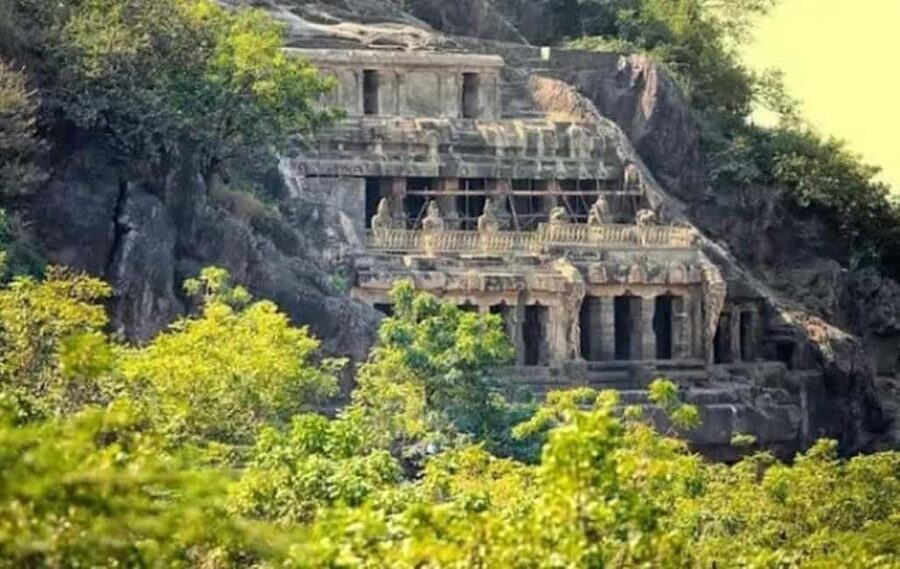
The route includes the Walkeshwar Temple complex, and the ocean views here are part of the payoff. It’s not only about the architecture; it’s about the feeling of the place as the sea fills your peripheral vision.
This is also a useful pacing stop. After the Beach + promenade energy, a temple complex gives you a chance to slow down, reset, and take photos more intentionally.
Victorian Gothic architecture: Chhatrapati Shivaji Terminus and the University of Mumbai
Next comes a cluster of major structures tied to British-era architecture styles. You’ll see Chhatrapati Shivaji Terminus (UNESCO) and the University of Mumbai, with the idea that British architects blended Gothic and Indian design elements.
This is one of the best sections of the tour for readers who like architecture but get impatient with long explanations. Your guide can connect patterns you can actually see—arches, stonework details, and building massing—back to the broader story of colonial influence and local adaptation.
Practical advice: you’ll likely do some walking around these buildings for viewpoints. If you’re planning to do close-up photos, watch for steps and uneven ground near building edges.
Elephanta Caves by ferry: UNESCO 5th-century rock-cut Shiva temples
The Elephanta Caves visit is optional, and it’s smart to treat it as a “plan to go, plan to adapt” activity. The ferry timing is tied to tides, so you might not have a perfect schedule lock.
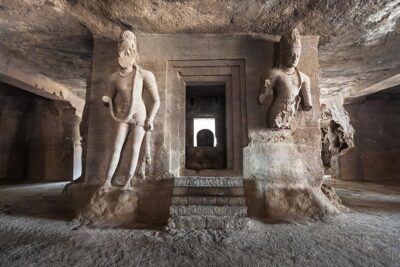
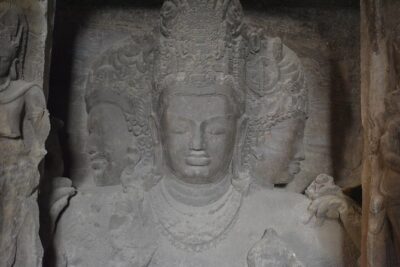
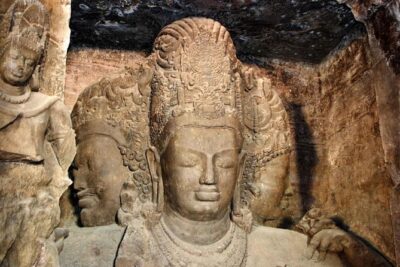
When you do make it, this UNESCO site is known for 5th-century rock-cut Shiva temples and the standout Trimurti sculpture. Even if you’re not a deep art-history person, the scale and carving style tend to hit hard in person. It’s one of those places where the work looks both ancient and unbelievably engineered.
What to do if plans change? The tour format is designed to adjust. On days when conditions block the ferry or the site visit, a guide may suggest a different cave option such as Kanheri Caves. That kind of flexibility is valuable because it turns a missed transport moment into a still-meaningful archaeology stop.
Bandra-Worli Sea Link sunset: a modern icon at the end of a long day
To close the day, the tour builds in time for sunset at the Bandra-Worli Sea Link, described as a 5.6km engineering marvel spanning the Arabian Sea.
This is a great bookend after Elephanta or after a full set of city landmarks. You’ll see Mumbai not just as a collection of temples and British-era buildings, but as a constantly moving modern city with infrastructure that shapes how you experience the coastline.
If you’re into photography, this is the moment to slow down and shoot consistently rather than chasing every angle. Pick one or two clean vantage points and let the light do the work.
Lunch choices: plan around what’s included, and keep control of your day
You’ll have a local lunch included, with options at restaurants such as Britannia & Co. (noted for Parsi berry pulao) or Trishna (noted for butter garlic crab).
Here’s the practical advice: included lunch is where the tour can shift from “easy” to “you might not love it.” One guide-led experience recommendation was to skip the set lunch and let the client choose where to eat instead. Since you can’t assume your preferences match the default restaurant, I’d consider this your mid-day decision point. If you like Indian comfort food and you’re not too picky, it can work. If you have dietary needs or strong preferences, you’ll be happier if you carry a backup plan for snacks and adjust expectations.
Price and value: what $98 buys you in a city that costs attention
At $98 per person for a full-day private guided format, you’re paying for three things:
- Guiding time that turns stops into understanding
The Gateway/Taj context, the Dhobi Ghat system explanation, and the architecture framing make the day feel ordered instead of random.
- A structured route that reduces wasted time
You’re covering Marine Drive, Chowpatty, temples, UNESCO sites, and the sea-link sunset without stitching it together yourself.
- Convenience where it matters
The tour includes entrance tickets for the stops listed, and you’ll skip the ticket line (helpful when queues can eat your day).
So is it good value? For most people, yes—especially if you want a private guide and the option of Elephanta by ferry. The main reason to hesitate is the optional nature of Elephanta, since tide and ferry timing can affect whether you get that UNESCO highlight on the day. If Elephanta is your top priority, you’ll want to accept that flexibility is part of the experience.
Who this tour fits best (and who should tweak the plan)
This tour works best for you if:
- You want a private guide and a day plan that doesn’t require constant decision-making.
- You like seeing both “famous” Mumbai and “working Mumbai,” like Dhobi Ghat.
- You want a strong start-to-finish storyline, from the Gateway waterfront to the Bandra-Worli sunset.
You might want to consider alternatives or add-ons if:
- You hate long walking days and prefer very short sightseeing blocks.
- Elephanta is non-negotiable and you’re uncomfortable with tide-driven timing and optional routing.
- You’re picky about lunch and want to choose your own place.
A quick word on reliability
The overall feedback score is solid, and several guide experiences were praised for organization and insight, including guides named Anas, Nadeem, and Farad. Still, one low rating reported a guide no-show and difficulty reaching the company by message and phone.
My practical take: treat this like any city tour. Confirm your pickup details the day before, keep your contact info handy, and if you feel something is off, be ready to adapt quickly rather than waiting.
Should you book this Mumbai tour with optional Elephanta?
Book it if you want a well-paced day where the guide helps you understand what you’re seeing—especially if Dhobi Ghat, Marine Drive, and Elephanta are on your must-do list. The private format and the mix of landmarks plus working-city scenes are the main reasons the tour is worth the money.
Skip it or adjust your expectations if lunch quality is a big deal for you, or if Elephanta is your only objective and you can’t handle an optional visit based on tides or day conditions. In that case, you can still take the city highlights, but you’ll want a backup plan for UNESCO timing.
If you do book, bring comfortable shoes, water, sunscreen, and a camera, and plan your day as one long, connected route rather than a bunch of separate stops.
FAQ
How long is the Mumbai full-day guided city tour?
The tour runs for 1 day.
Is the Elephanta Caves visit included, or optional?
It’s optional. The boat trip can depend on tides.
What’s included in the price?
Included items are a private guide, visits to the Gateway of India, Dhobi Ghat, and Marine Drive, local lunch, optional Elephanta Caves, entrance tickets, a Victorian Gothic architecture stop, and sunset at the Bandra-Worli Sea Link.
Is hotel pickup provided?
Yes. Pickup is included from your desired location in Mumbai.
Does the tour include English guiding?
Yes, the live tour guide is in English.
Do I need to buy entrance tickets separately?
No. Entrance tickets are included, and you’ll skip the ticket line.
What should I bring for the day?
Bring comfortable shoes, a camera, sunscreen, and water.
More Mumbai, Every Kind of Day
- Dharavi slum tour in Mumbai by Female tour guides of the slum
★ 5.0 · 1,976 reviews - Mumbai: Full-Day Sightseeing Tour of Mumbai
★ 4.9 · 1,822 reviews - Private Mumbai Sightseeing Tour (Traveller’s Choice Award Winner)
★ 5.0 · 1,565 reviews - Elephanta Caves & Island Guided Private Tour
★ 5.0 · 1,327 reviews
The Big Mumbai Circuits
- Mumbai: Full-Day Sightseeing Tour of Mumbai
★ 4.9 · 1,822 reviews - Private Mumbai Sightseeing Tour (Traveller’s Choice Award Winner)
★ 5.0 · 1,565 reviews - Highlights of Mumbai Sightseeing Tour: TRAVELLERS CHOICE AWARDED
★ 5.0 · 915 reviews - Highlights of South Mumbai Guided Private Tour in AC Vehicle
★ 5.0 · 620 reviews
Back Across the Harbour to Elephanta
- Elephanta Caves & Island Guided Private Tour
★ 5.0 · 1,327 reviews - Mumbai: Elephanta Caves Half-Day Guided Tour with Expert
★ 4.8 · 1,032 reviews - Private Elephanta Caves & Mumbai Sightseeing Tour with AC Car
★ 5.0 · 389 reviews - All inclusive Elephanta Caves Guided Tour
★ 5.0 · 386 reviews
New on the Mumbai shortlist

Elephanta Island & Cave Temples, compared.
 ★ 5.0Elephanta Caves & Island Guided Private TourFrom $421,327 reviews
 ★ 4.8Elephanta Caves Half-Day Guided Tour with ExpertFrom $301,032 reviews
 ★ 5.0Private Elephanta Caves & Mumbai Sightseeing Tour with AC CarFrom $29389 reviews
 ★ 5.0All inclusive Elephanta Caves Guided TourFrom $50386 reviews
 ★ 4.9From Mumbai: Half-Day Elephanta Caves Tour with Ferry RideFrom $26284 reviews
 ★ 4.9City Tour, Elephanta Caves, Dharavi Slum W/OptionsFrom $32198 reviews
 ★ 5.0Elephanta Caves & Island Tour with Multiple OptionsFrom $27171 reviews
 ★ 4.5Mumbai Elephanta Caves Private Half-Day Tour including GuideFrom $105150 reviews
Browse the lists this tour appears in