Review · MUMBAI
Mumbai: A Symphony of Seven Islands – Get Local in One Day
Mumbai changes when you watch it like a story. This one-day tour follows four scenes of the city, taking you from colonial-era landmarks to everyday neighborhoods, with your guide acting like the narrator. The payoff is simple: you see big names like the Gateway of India and CST Station, but you also get the smaller streets where Mumbai’s personality shows up fast.
I especially like how the route teaches you to read the city. Gateway of India and Colaba lanes set the tone in Scene 1, then the day keeps flipping the camera to show how Mumbai grew, layer by layer. I also love the hands-on transport mix, including a local bus and train hops that help you move like a Mumbaikar instead of hopping from vehicle to vehicle.
The main drawback to plan around is stamina and logistics. This is not wheelchair-friendly, you will be on your feet for much of the day, and you’ll need cash for short cab rides due to dynamic pricing.
In This Review
- Key points
- A One-Day Storyline Through Mumbai’s Seven-Island Past
- Scene 1: Gateway of India, Colaba Lanes, St. Thomas Church, and Marine Drive
- Scene 1 Food and CST Station: Pav Bhaji at the UNESCO Stop
- Scene 2: From CST to Bom Bahia and Its Portuguese-Latin Streets
- Scene 3: Black Town, Chor Bazaar, and the Century-Old Sweet Stop
- Scene 4: Dhobi Ghat to Shivaji Park and a Beach Sunset
- Getting Around Like a Mumbaikar: Bus, Train, Auto, and Short Cab Rides
- Food Stops That Make the Day Feel Like Mumbai, Not Museum Time
- Guide Style and the “Movie Script” That Helps You Notice Things
- Price and Value: What $34 Buys in Mumbai Reality
- Who Should Book This and Who Might Want a Different Plan
- Before You Go: Shoes, Cash, and Weather Sense
- Should You Book A Symphony of Seven Islands?
- FAQ
- Is this a one-day tour?
- What language is the tour offered in?
- What’s included in the price?
- What extra costs should I plan for?
- How much cash should I carry?
- What should I bring for the tour?
- Is the tour wheelchair accessible?
- Who is this tour not suitable for?
- Can I reserve now and pay later?
Key points
- A one-day “movie script” that links neighborhoods into one changing story
- Transport variety: local bus, trains, auto rides, and short cab segments
- Icon + local food with vada pav and pav bhaji built into the route
- Seven-islands origin to modern skyline through Bom Bahia, Black Town, and Dhobi Ghat
- Guide-led narration from Shrijit style tours that focus on what to notice, not just where to go
A One-Day Storyline Through Mumbai’s Seven-Island Past
This tour is built like a timeline you can walk through. Instead of collecting landmarks in a checklist, you follow a narrative called A Symphony of Seven Islands, with stops chosen to match the city’s evolution. The big win is that Mumbai starts to make sense as you move across the map.
You’ll do a mix of walking and local transport, plus guided stops that connect architecture and street life to the story being told. It’s the kind of day that helps you get oriented quickly, which is exactly what many first-time Mumbai itineraries struggle with.
Scene 1: Gateway of India, Colaba Lanes, St. Thomas Church, and Marine Drive
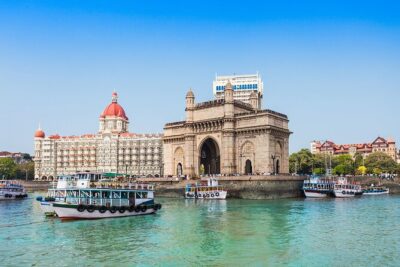
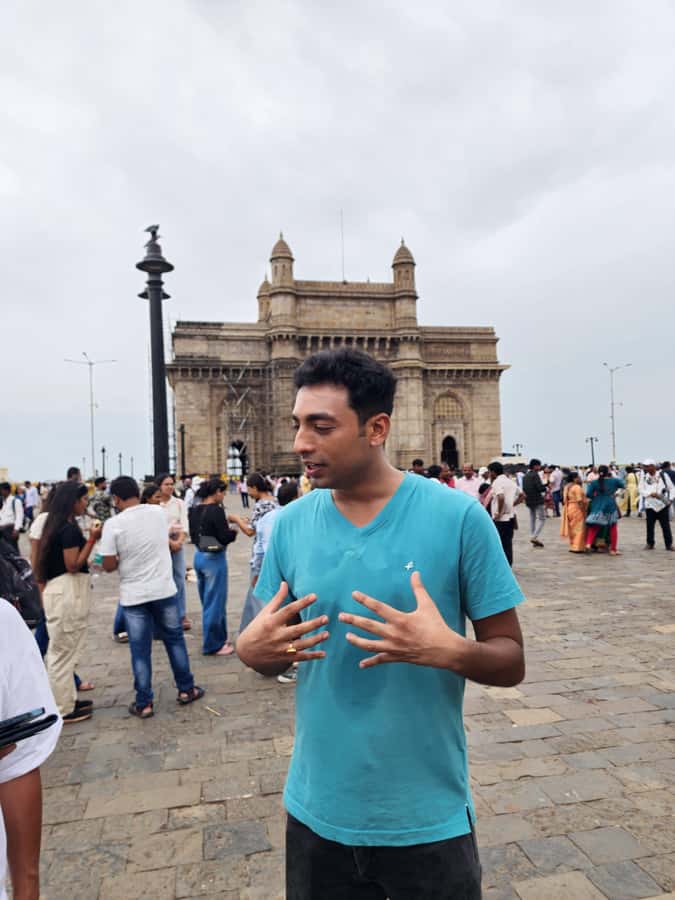
Your day opens at the Gateway of India, and that’s a smart starting point because it sits like a historical punctuation mark on the harbor. From there, you’ll walk through Colaba’s busy lanes where you can feel the old and the new rubbing shoulders.
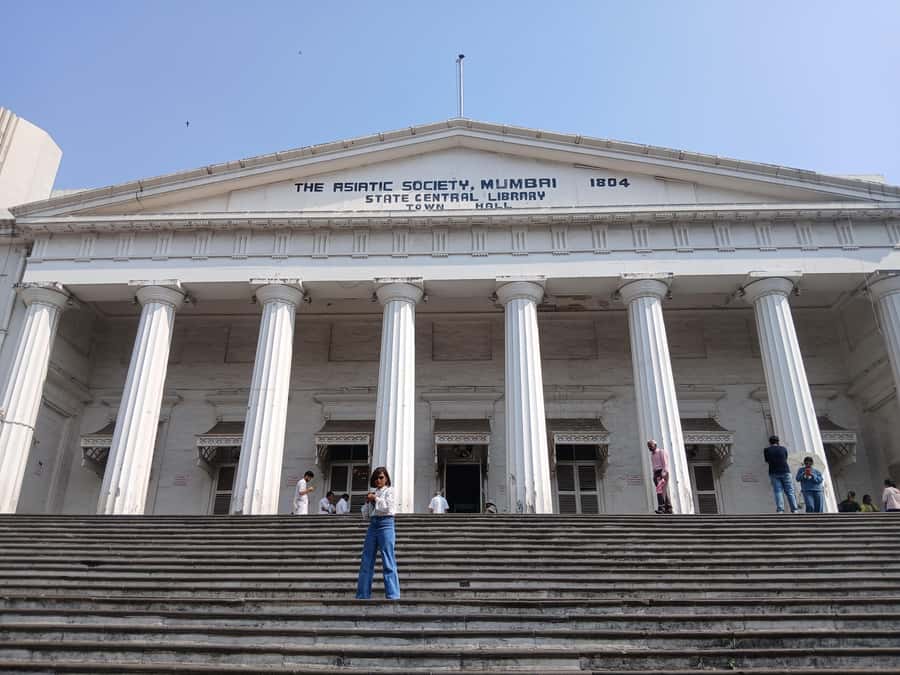
You’ll also pass through some of the classic “imperial-era” touchpoints that make this part of Mumbai feel formal even when the street is chaotic. The route includes stops around places like St. Thomas Church, plus landmarks such as Bombay Stock Exchange, Flora Fountain, Bombay University, and the High Court.
Then comes a change of mood along Marine Drive, where the architecture and waterfront feel like a transition point. If you’ve ever wondered why Mumbai can look elegant one minute and work-hard the next, this stretch helps you see why.
A practical note: this portion is walk-heavy, so comfortable shoes matter. Also, you’ll want to keep an eye on shade and water breaks since Mumbai weather can swing.
Still weighing it up? Put these Mumbai tours side by side before you decide.



Scene 1 Food and CST Station: Pav Bhaji at the UNESCO Stop
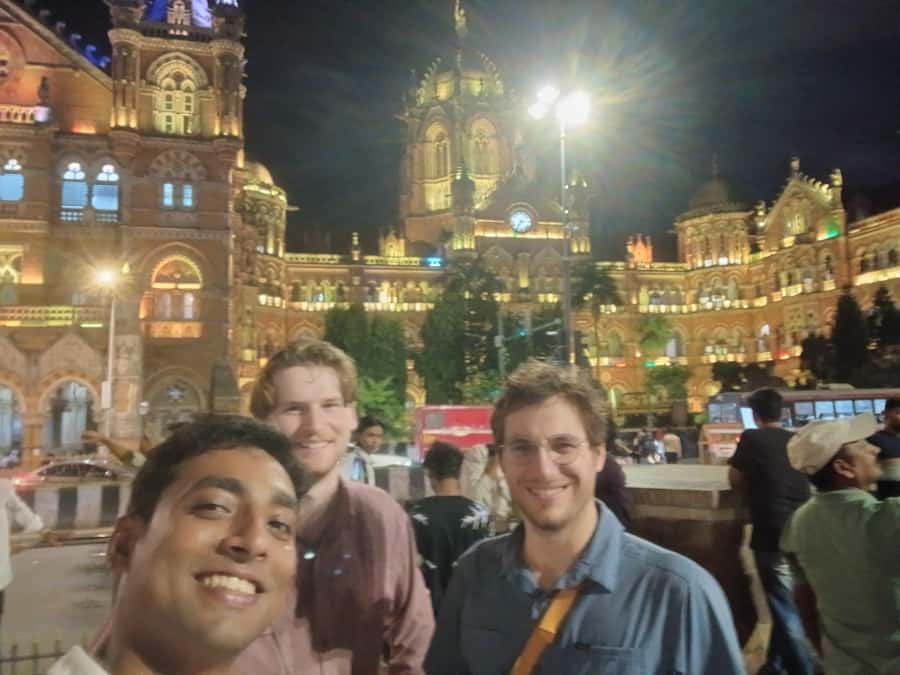
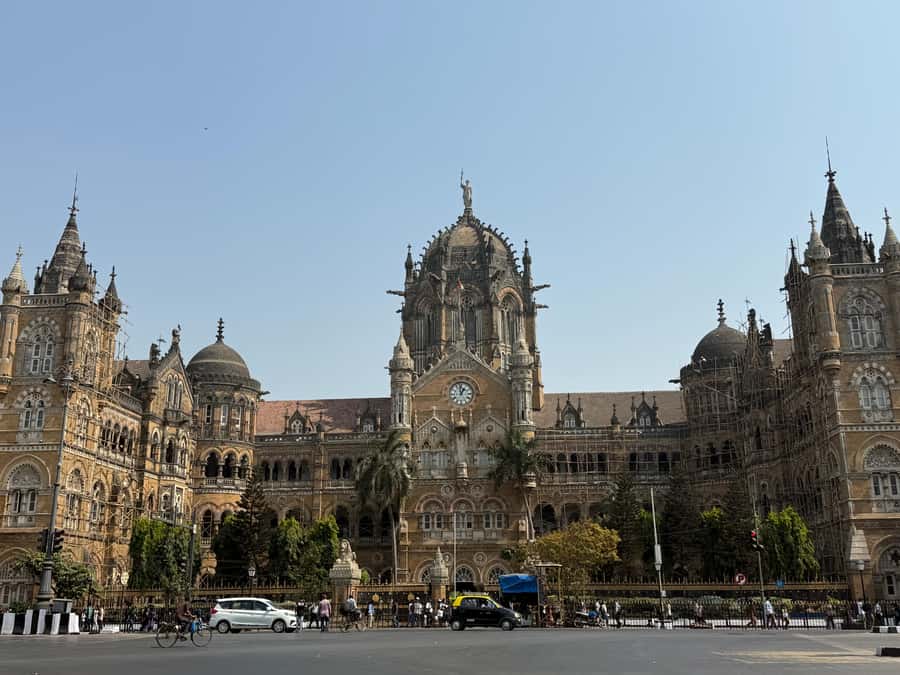
After the first run of landmarks, you switch modes and take a local bus to CST Station, which is a UNESCO World Heritage Site. This is more than a photo stop. The station is the kind of place that tells you Mumbai’s growth isn’t just history class; it’s movement, trade, and daily rhythm.
You’ll also get to eat pav bhaji, one of Mumbai’s signature dishes. I like that the meal is placed here because it gives you a local reset right after a cluster of major sights. You leave this scene with both a sense of place and a full stomach.
One small planning tip: eat at a steady pace. You’ll still have more walking and transport ahead.
Scene 2: From CST to Bom Bahia and Its Portuguese-Latin Streets
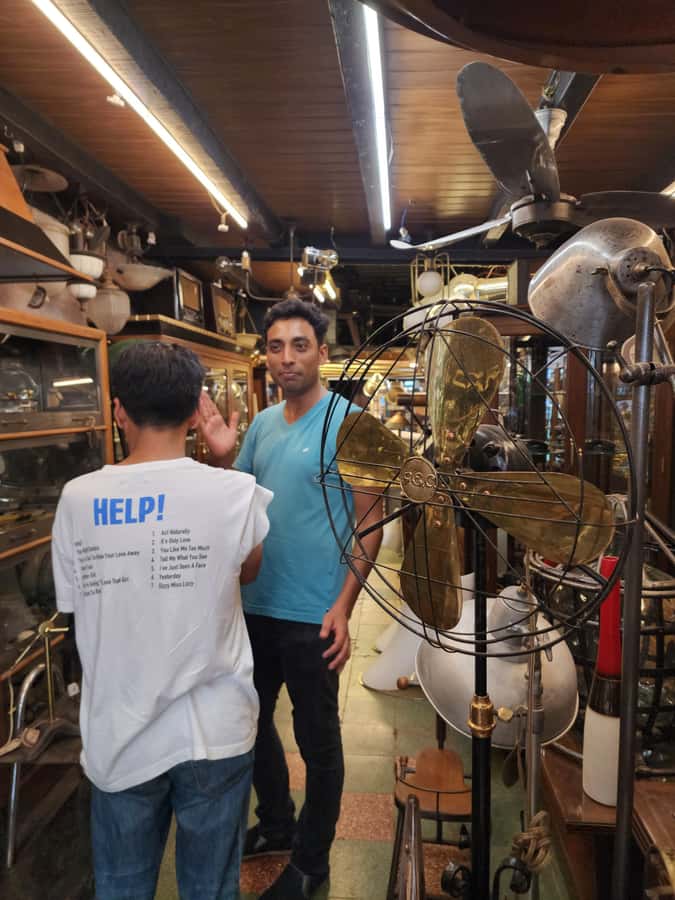
Next, the tour steps into a different kind of history by using a train ride that feels like a time shift. You travel from CST toward Bom Bahia, described as the Good Bay, where Mumbai first met the world through maritime arrivals.
The neighborhood is where the story gets wonderfully specific. You’ll explore narrow lanes with a Portuguese-latin feel, including mention of 200-year-old homes with sloping roofs and arched windows. That detail matters, because it’s the sort of physical clue you can only understand when you’re actually walking past it.
You’ll also pause at a quiet hilltop garden for views over the docks area. Even if you’re not a history buff, that viewpoint helps you picture why ships mattered here: goods, ideas, and empires all came by sea, and Mumbai grew because of it.
The drawback to know ahead: this scene is about atmosphere and streets, so it may move at a slightly slower pace than landmark-chasing. If you’re expecting constant big-ticket sights, you’ll need to appreciate street-level texture.
Scene 3: Black Town, Chor Bazaar, and the Century-Old Sweet Stop
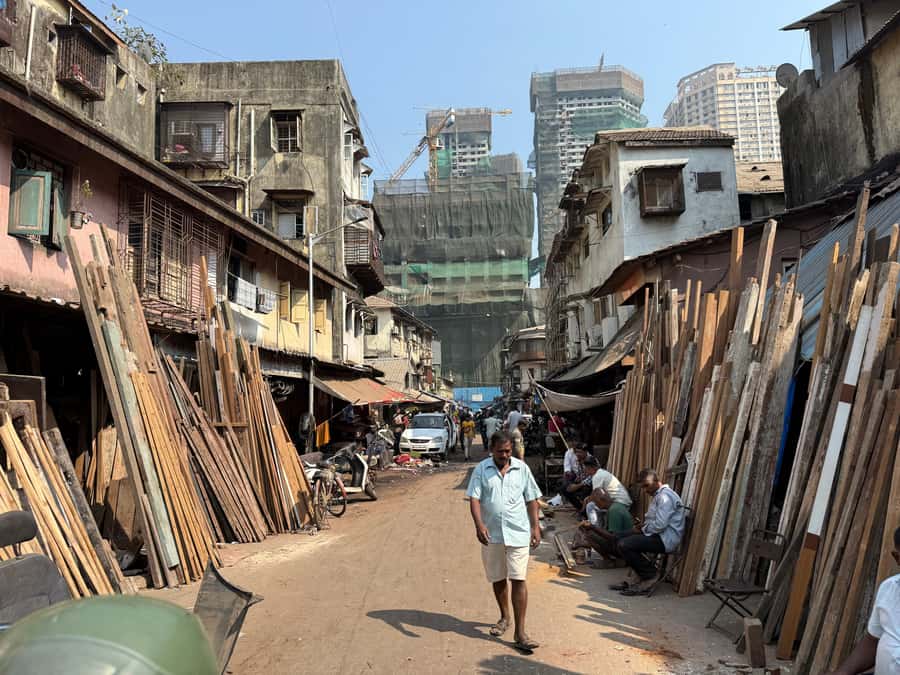
Scene 3 turns louder and more direct. You’ll take a cab ride into Black Town, the area people associate with Mumbai’s raw, fast-changing energy. The guide frames it in a way that connects the neighborhood’s feel to well-known Mumbai storytelling, which helps you interpret what you’re seeing instead of just absorbing noise.
You’ll visit Chor Bazaar, famous for antiques and street commerce. This is one of those markets where you’ll either love the chaos or feel overwhelmed. The tour’s value is that you get context for what you’re looking at, so it feels less random and more like an economic engine.
There’s also an optional stop at a century-old sweet shop. If you want to try something beyond the included meal, this is where desserts fit in. Even if you skip the extras, you’ll still get the sense of old-school food culture in a part of town that doesn’t slow down for tourists.
Then you’ll head toward a nearby train station to continue the day. I like this pacing: market intensity now, skyline scale later.
- Dharavi slum tour in Mumbai by Female tour guides of the slum
★ 5.0 · 1,976 reviews - Mumbai: Full-Day Sightseeing Tour of Mumbai
★ 4.9 · 1,822 reviews - Private Mumbai Sightseeing Tour (Traveller’s Choice Award Winner)
★ 5.0 · 1,565 reviews - Group Guided Walking Tour in Fort and Colaba
★ 5.0 · 1,073 reviews - Highlights of Mumbai Sightseeing Tour: TRAVELLERS CHOICE AWARDED
★ 5.0 · 915 reviews - Private Guided Walking Tour in Fort & Colaba
★ 5.0 · 895 reviews
Scene 4: Dhobi Ghat to Shivaji Park and a Beach Sunset
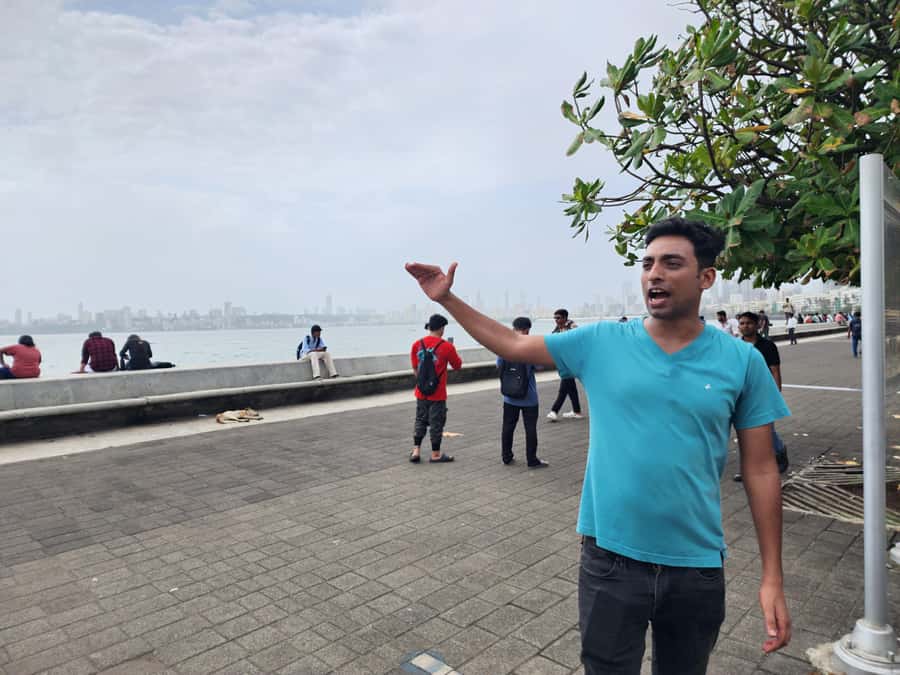
The final scene rises up. You take a train into Mumbai’s taller, more built-up areas, described as a concrete jungle with skyscrapers stretching skyward. The shift is noticeable right away, and it reinforces the tour’s main idea: Mumbai’s story is layers of geography and economics.
From there, you’ll look at Dhobi Ghat, the open-air laundry area that shows Mumbai’s daily rhythm. It’s the kind of place that can be hard to fully describe because it’s both work and community life at the same time. Having a guide to point out what you’re seeing helps you notice details beyond just the visual spectacle.
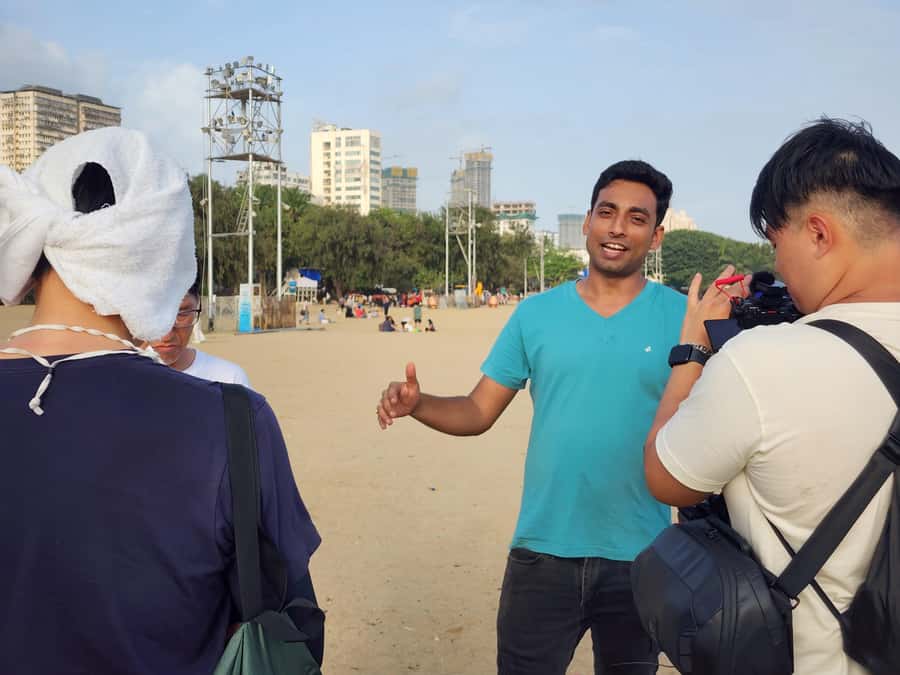
Next comes a bus ride through the city to Shivaji Park, described as a cultural heart. From there, you’ll take a peaceful walk toward a nearby beach for a sunset over the Arabian Sea.
This ending works because it gives you a release after the dense parts of the day. It’s also a satisfying “circle back” moment: you started with the harbor story, and you end with the sea again.
Getting Around Like a Mumbaikar: Bus, Train, Auto, and Short Cab Rides
One of the best parts of this tour is that it doesn’t treat transport as a necessary evil. You’ll use local bus and trains plus an auto fare that keeps you moving through neighborhoods without turning your day into a logistics puzzle.
Taxis are used too, but with a key warning: you’ll need cash because cab pricing is dynamic. The total is said to not exceed Rs. 150, and the guide asks you to carry at least Rs. 300 as a buffer. I think that’s reasonable advice, especially if you might need extra for quick snack stops or water later.
If you’re the type who hates waiting, you’ll appreciate how the day is planned around a mix of transport modes that don’t all depend on the same road traffic conditions.
Food Stops That Make the Day Feel Like Mumbai, Not Museum Time
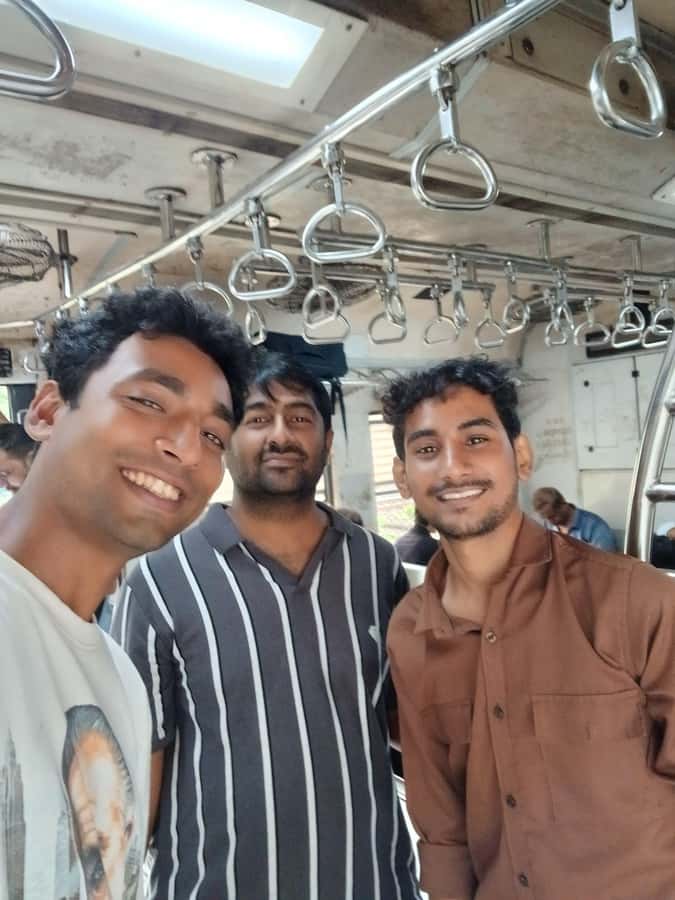
This isn’t a food tour, but it’s got the right idea: feed you local comfort food at points where it makes the route easier. You’ll get vada pav and pav bhaji included.
What I like about including these dishes is that they’re not rare or precious. You can appreciate them as part of street life, and you’re not stuck searching for meals between scenes. It also helps you stay energized for the walking and repeated transit.
Desserts are optional, and that’s handled as part of the Black Town/old shops area. If you have room, it’s a nice extra. If you don’t, you still get a complete food story from the included items.
Guide Style and the “Movie Script” That Helps You Notice Things
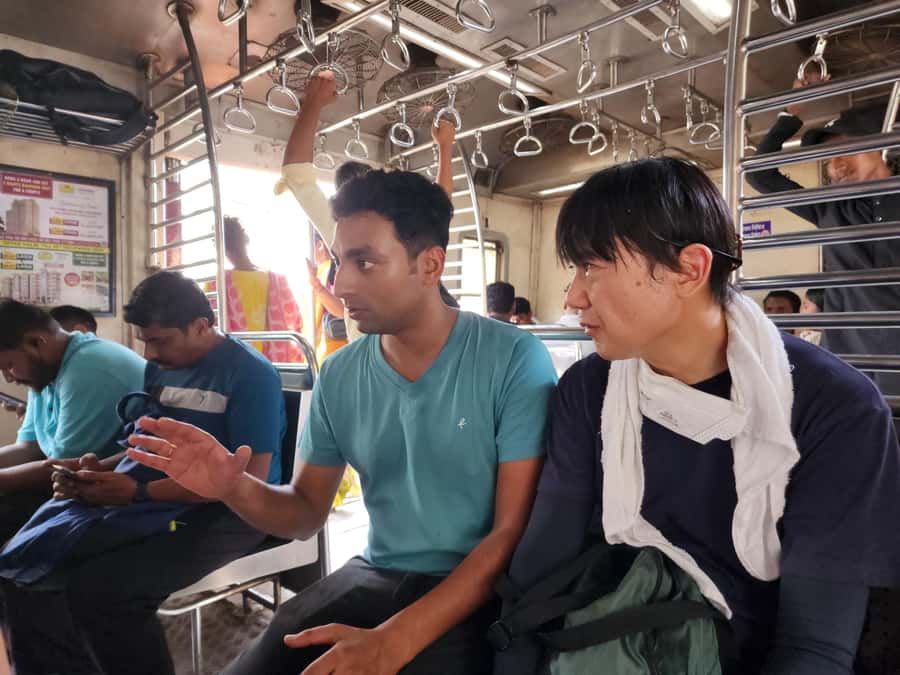
The tour’s secret sauce is the narration. Your guide serves as the storyteller for the day, connecting what you see to why it matters in the city’s evolution. The guide’s name in these tours is often Shrijit, and the feedback pattern is consistent: he builds the storyline across the day and makes the facts feel grounded.
That matters because Mumbai has layers of meaning everywhere. You can walk past a church, a fountain, a station, or a market and miss the point unless someone helps you connect the dots. Here, you get that connection without turning the day into a lecture.
It’s also a good sign that the tour is described as well-organized and on-time in city traffic. Mumbai traffic can derail plans, so having an operator that keeps things moving is part of the value.
Price and Value: What $34 Buys in Mumbai Reality
At about $34 per person, this tour is priced like a practical, guided day rather than a high-end private experience. In Mumbai terms, the value comes from three things you don’t want to handle yourself:
1) a guide who explains what you’re seeing,
2) included transport segments (auto and train fare), and
3) two classic meals (vada pav and pav bhaji) plus water.
You’re also paying for time. When you’re only in town briefly, a route that strings together multiple districts with local transport can save you from “cross-city travel” mistakes.
The main extra cost to budget for is taxis, since cab rides use dynamic pricing. The tour notes the total should not exceed Rs. 150, but you should still carry extra cash and keep it simple.
Who Should Book This and Who Might Want a Different Plan
I think this fits best if you:
- want a first-time orientation that goes beyond the usual postcard stops,
- enjoy history and architecture but also want street-level texture,
- don’t mind walking and using local transport as part of the experience.
It’s less suitable if:
- you use a wheelchair (it’s not suitable),
- you’re traveling with a baby under 1 year,
- you’re over 95 (not suitable).
If any of these apply, you’ll have a smoother time picking a different format. Mumbai is a great city, but comfort matters.
Before You Go: Shoes, Cash, and Weather Sense
Bring comfortable shoes and clothes you can move in. This is a day where your feet do more work than your camera does.
Also bring cash. Cab pricing is dynamic, and you’re advised to keep a minimum of Rs. 300 with the note that the cab total should stay under Rs. 150. Add hand sanitizer or tissues since you’ll likely be navigating crowded streets and markets.
Finally, expect that the day includes both indoor-ish stops and outdoor walking. Plan for sun and brief rain chances the way a local would: keep water handy and don’t rely on a hat to solve everything.
Should You Book A Symphony of Seven Islands?
If you like getting a clear picture of a city fast, I’d book this. The structure is what makes it work: four neighborhood scenes that connect to one story, with local transport and food built in. It’s especially good if you want Mumbai to feel real on day one, not like a list of distant dots.
If you hate walking, dislike market noise, or need full accessibility support, you may want to skip it and choose a different style tour. For everyone else who’s ready for a full one-day commitment, this route is a strong value and a very Mumbai way to see Mumbai.
FAQ
Is this a one-day tour?
Yes. The experience is designed to happen in one day, using a story-driven route across multiple parts of Mumbai.
What language is the tour offered in?
The tour is conducted in English.
What’s included in the price?
Included items are an expert local guide, 1 bottled water, auto fare, train fare, vada pav, and pav bhaji.
What extra costs should I plan for?
Desserts are optional, and taxi fare is not included because cab pricing is dynamic. The tour guidance says the total cab cost will not exceed Rs. 150, and you should bring at least Rs. 300.
How much cash should I carry?
Carry some cash for dynamic cab fares. The recommendation is a minimum of Rs. 300, with the note that the cab total should not exceed Rs. 150.
What should I bring for the tour?
Bring comfortable shoes and clothes, cash, and hand sanitizer or tissues.
Is the tour wheelchair accessible?
No. It is not suitable for wheelchair users.
Who is this tour not suitable for?
It is not suitable for babies under 1 year and not suitable for people over 95 years.
Can I reserve now and pay later?
Yes. The experience offers a reserve & pay later option, where you can book and pay nothing today.
More Mumbai, Every Kind of Day
- Dharavi slum tour in Mumbai by Female tour guides of the slum
★ 5.0 · 1,976 reviews - Mumbai: Full-Day Sightseeing Tour of Mumbai
★ 4.9 · 1,822 reviews - Private Mumbai Sightseeing Tour (Traveller’s Choice Award Winner)
★ 5.0 · 1,565 reviews - Elephanta Caves & Island Guided Private Tour
★ 5.0 · 1,327 reviews