
Review · SIGHTSEEING & CITY HIGHLIGHTS
Mumbai: Exclusive Full-Day City Tour with Optional Caves
Mumbai clicks into focus in one long day. This full-day plan links the sea-front icons, UNESCO rock-cut caves, British-era landmarks, and a guided look inside Dharavi, all with a private driver and English guide. It’s the kind of day that helps you sort out the city fast, without feeling like you’re sprinting between stops.
I love the two UNESCO cave options (Elephanta or Kanheri) because you get that rare, physical sense of how older faiths and empires shaped Mumbai’s coastline and outskirts. I also love the private, air-conditioned transport and the way guides such as Abdul, Saif, and Danish are noted for clear explanations and for asking if you need a breather mid-day, not just rushing you along. In traffic-heavy Mumbai, that pacing matters.
One thing to plan around: the ferry to Elephanta can be delayed or canceled in monsoon season, and both Elephanta and Kanheri close every Monday. If your dates land there, you’ll need the tour to run on the backup option.
In This Review
- Key highlights to know before you go
- A private air-conditioned day plan that keeps Mumbai manageable
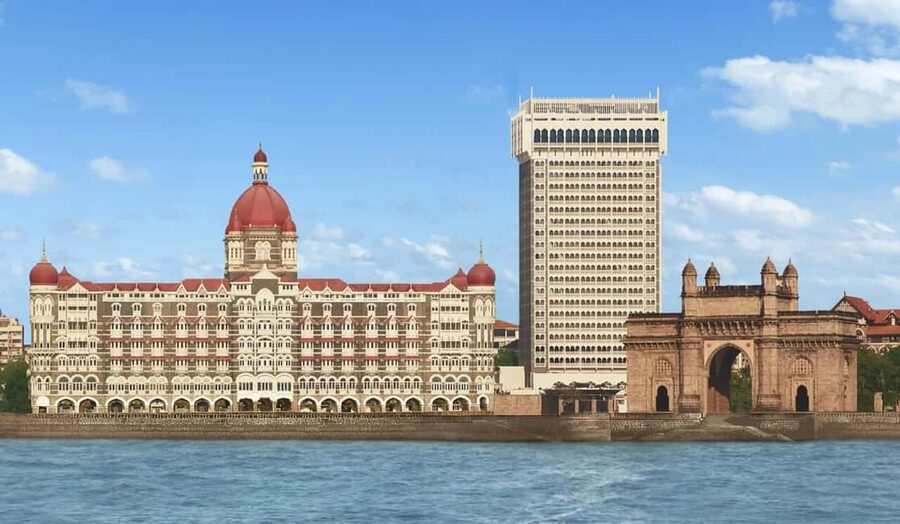
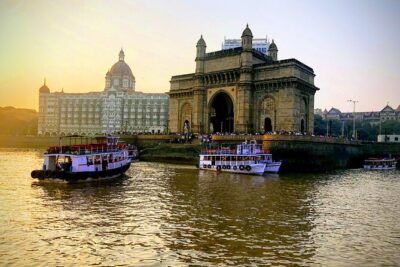
- Gateway of India and the Taj Mahal Palace: the sea-front start that sets the tone
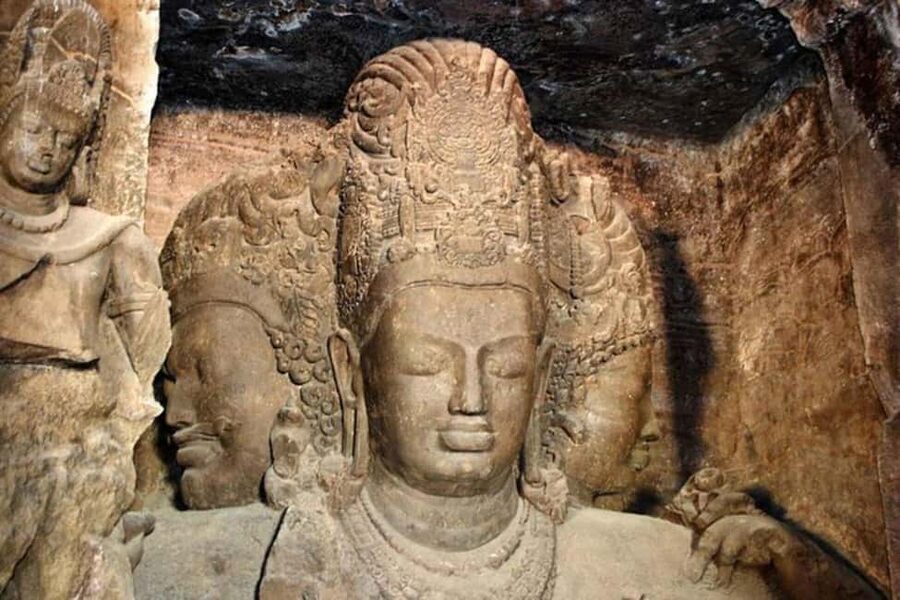
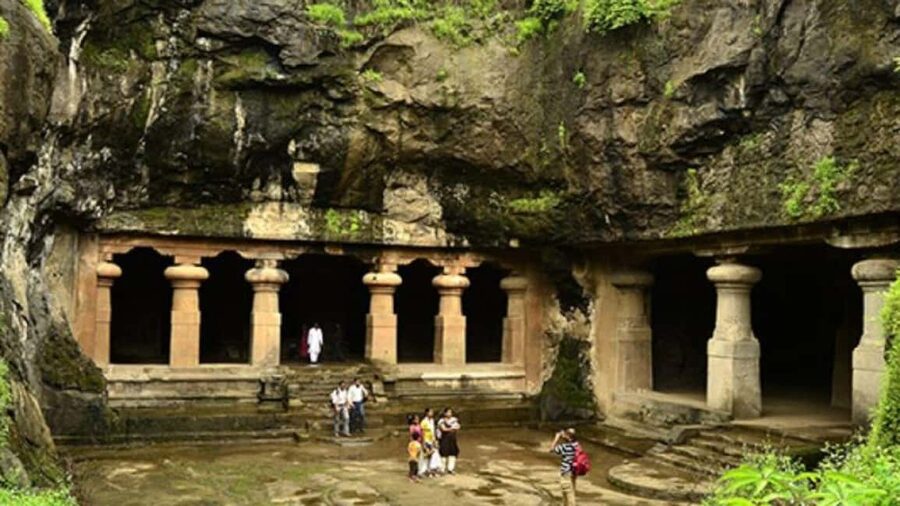
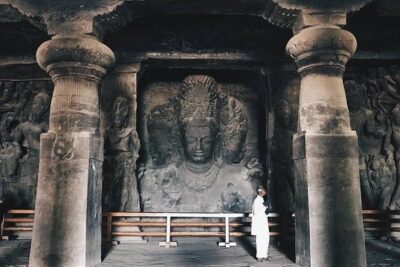
- Elephanta Caves or Kanheri Caves: UNESCO rock-cut temples with real walking time
- Elephanta Caves: the dramatic ferry approach
- Kanheri Caves: Buddhist monastery spaces inside the city limits
- Important closure note
- Passing the British-era landmarks and walking Oval Maidan
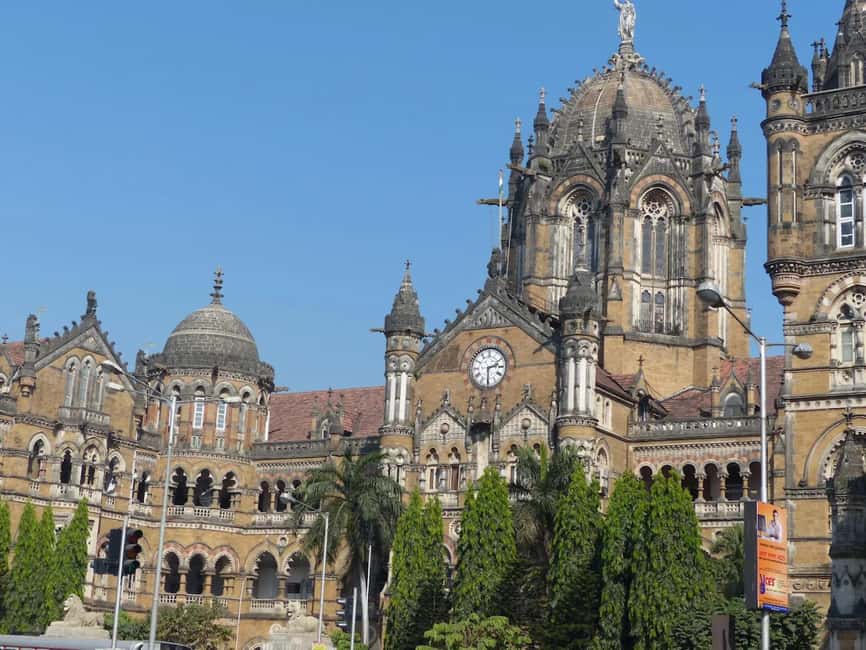
- Chhatrapati Shivaji Maharaj Terminus (CST): Victorian-Gothic that feels alive
- Lunch stop, Crawford Market, and Mani Bhavan: food and civic memory in one arc
- Lunch at a local restaurant
- Crawford Market: spices, produce, and everyday trading
- Mani Bhavan: quiet context for Gandhi’s role
- Marine Drive and Hanging Gardens: sea views that don’t feel like a late bonus
- Dharavi Slum: a guided look at work, resilience, and daily rhythm
- What the $69 price covers—and where you should budget extra
- Who this tour fits best (and who should skip it)
- Should you book this Mumbai full-day tour?
- FAQ
- How long is the tour?
- What does the tour include for caves?
- How do you get to Elephanta Caves?
- Are the caves open every day?
- What happens in monsoon season?
- Is hotel pickup and drop-off included?
- Is the tour private?
- What language is the guide?
- Is lunch included?
- What should I bring?
- Is it suitable for pregnant women?
Key highlights to know before you go
- UNESCO caves, either Elephanta or Kanheri: rock-cut temples and Buddhist monastery spaces with guided context
- A private AC car with hotel pickup/drop-off: a calmer day than hopping taxis and buses all on your own
- Chhatrapati Shivaji Maharaj Terminus (CST): Victorian-Gothic architecture, plus time for a guided look and photos
- Marine Drive and Hanging Gardens viewpoints: sea views built into the routing, not saved for the very end
- Dharavi Slum, guided visit: insight into small-scale work like pottery, leatherwork, and recycling
A private air-conditioned day plan that keeps Mumbai manageable
Mumbai is not a city for nervous navigation. The big win here is simple: you start with hotel pickup and you end with drop-off, using a private, air-conditioned car with an English guide. That means you’re not mentally juggling routes, ticket counters, and meet-up points while you’re trying to enjoy the sights.
You also get practical time design. The day is built around major landmarks that are far apart, so having a driver matters. One review singled out the smooth professionalism of a driver (Mahtab), and another noted the car’s comfort and AC. Even if you don’t care about cars, you’ll care about energy levels by mid-afternoon.
Two small tips based on what the tour requires and what works day-to-day:
- Wear comfortable shoes. You’ll do walks around viewpoints and stations like CST and the market area.
- Bring sunglasses, especially for the sea-front stops and Marine Drive.
If you’re the type who likes to understand what you’re seeing, the guide role is a key part of the value, not an extra. This is a day where you can ask questions and shape the pace to your interests.
Gateway of India and the Taj Mahal Palace: the sea-front start that sets the tone
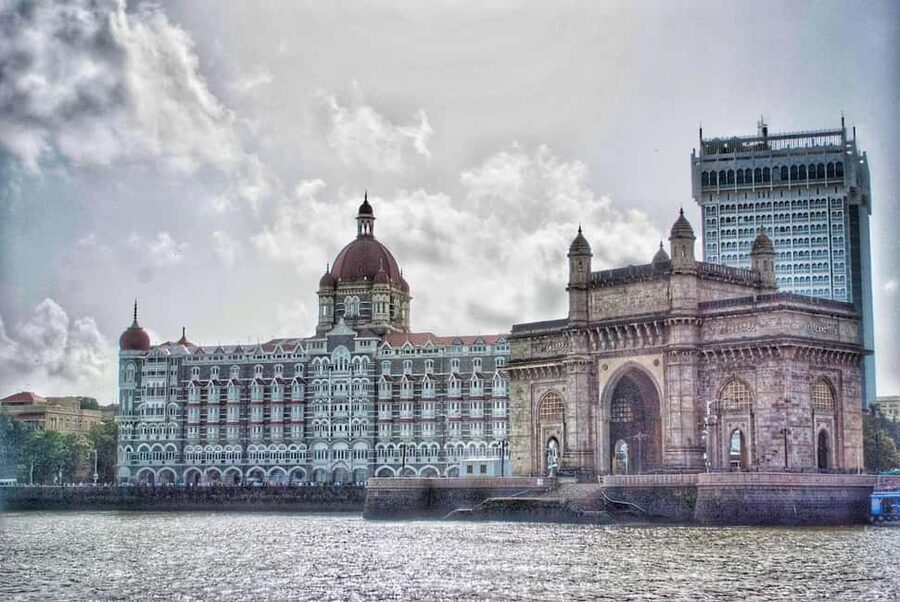
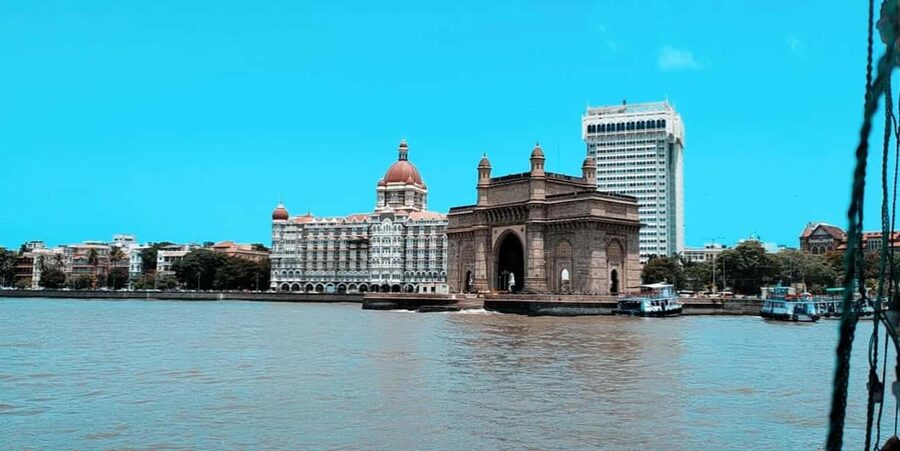
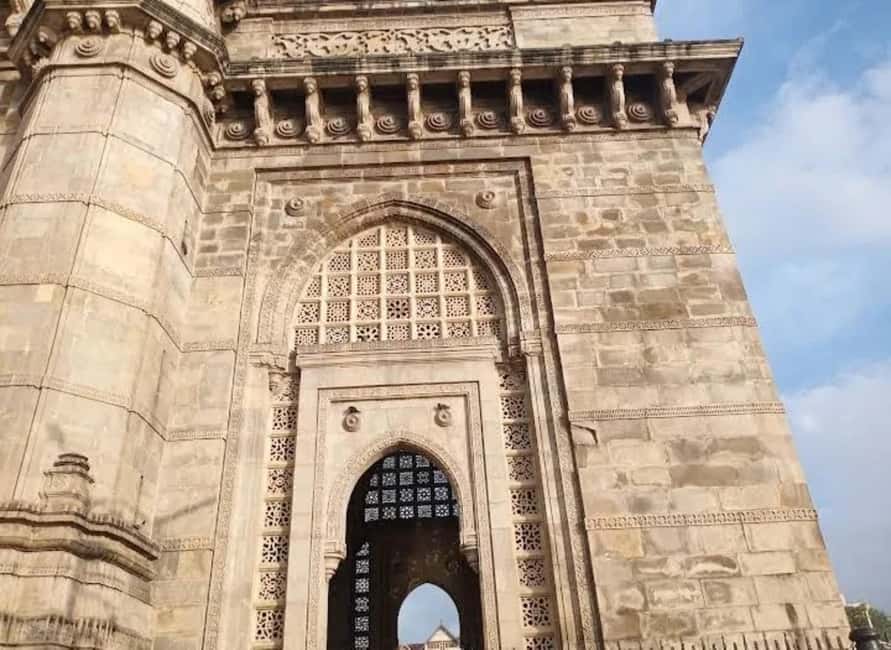
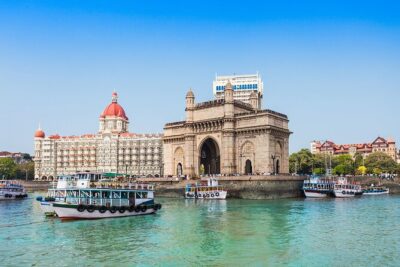
The morning begins at the Gateway of India, with a photo stop and guided orientation from the dock side. From here you get an immediate sense of Mumbai’s relationship with the Arabian Sea—wind, light, and that feeling of the city as a port.
Right after, you visit the Taj Mahal Palace Hotel for another photo stop and guided walk-through. This isn’t just about spotting a famous building. The guide’s commentary is meant to connect the architecture and colonial-era influence to how Mumbai evolved into a global city.
Expect the day to feel like a story that starts with coastal power and wealth, then gradually expands outward—into sacred spaces in the caves, then into the civic and rail-era buildings around CST and University area, and finally into daily life at Dharavi.
If you’re short on time in Mumbai, this start is smart. It hits two of the city’s most recognizable symbols before you head into the longer, more sensory parts of the tour.
Other loops past the Gateway, Marine Drive and beyond




Elephanta Caves or Kanheri Caves: UNESCO rock-cut temples with real walking time
This is the heart of the trip. The tour gives you a choice: Elephanta Caves or Kanheri Caves, both UNESCO-listed rock-cut sites. Which one you get depends on scheduling and operational realities.
Elephanta Caves: the dramatic ferry approach
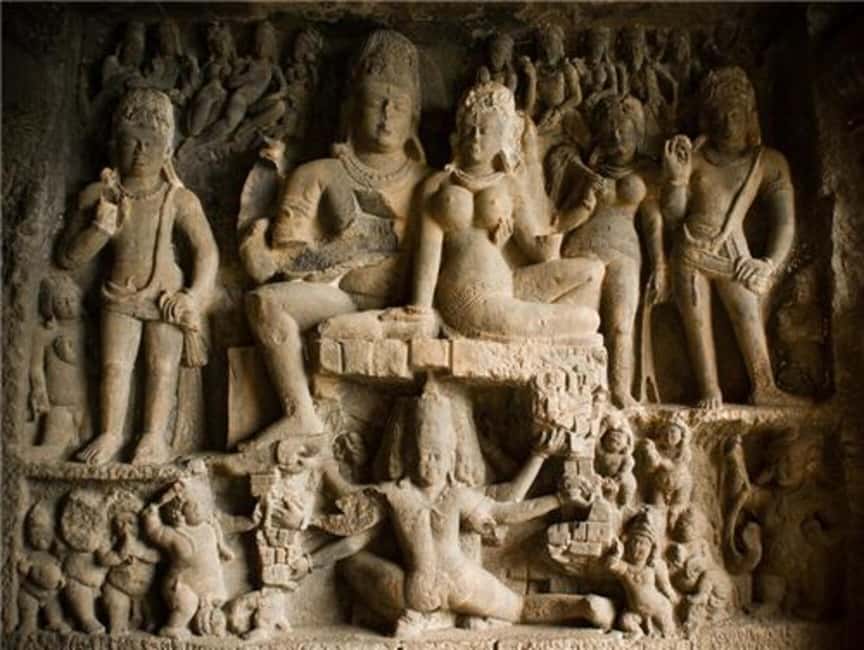
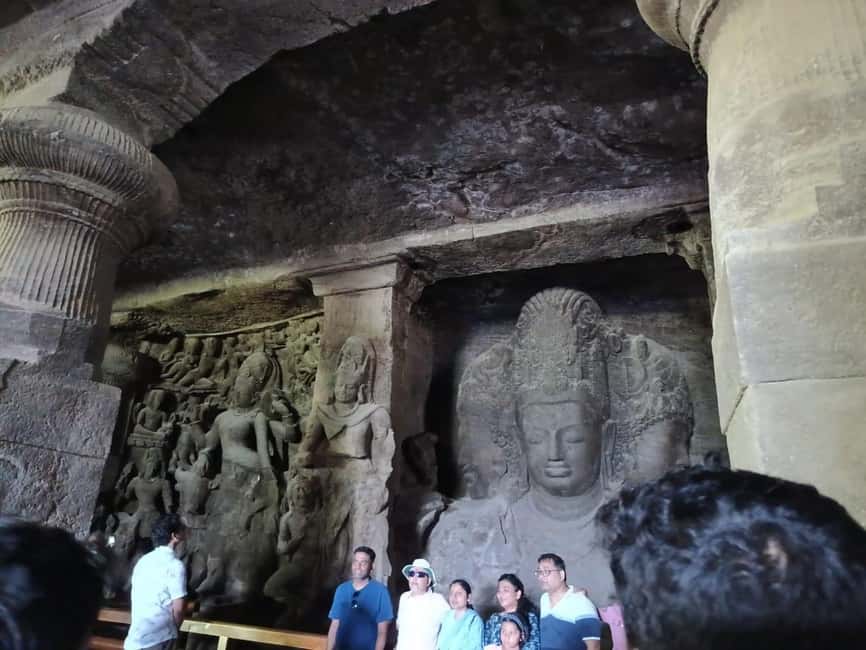
Elephanta is accessed by ferry (with a roughly 45-minute ride each way). That time isn’t filler—it helps you transition from city streets to a different scale of experience. Once you’re on the island side, the guide leads you through ancient rock-cut temples dedicated to Lord Buddha, pointing out sculptures and explaining what you’re looking at.
For practical planning:
- The ferry is subject to weather. During monsoon season (July to mid-September), strong winds can delay or cancel ferry service.
- If ferry service is disrupted, the tour may shift you to Kanheri Caves as an alternative.
Kanheri Caves: Buddhist monastery spaces inside the city limits
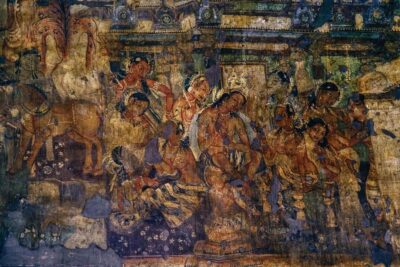
Kanheri is a different vibe. Instead of a sea-island approach, you’re visiting an ancient complex of rock-cut Buddhist monasteries and prayer halls. Expect intricate carvings, sculptures, and inscriptions, with your guide helping you connect the details to the site’s history.
The key takeaway for your decision: if you want the visual drama of water and distance, go Elephanta. If you want a more grounded, within-city kind of feel (with the cave experience still front and center), Kanheri can work well—especially if the ferry becomes unreliable.
Other ways to cover Mumbai end to end
- Mumbai City of Dreams Tour in Private Vehicle
★ 5.0 · 299 reviews - Mumbai: Guided City Sightseeing Tour
★ 4.8 · 278 reviews - Mumbai City Sightseeing Small Group Tour
★ 5.0 · 216 reviews - Private Mumbai City Tour with Transport
★ 5.0 · 214 reviews - Mumbai: City Tour, Elephanta Caves, Dharavi Slum W/Options
★ 4.9 · 198 reviews - Half Day Mumbai City Private Sightseeing Tour
★ 5.0 · 181 reviews
Important closure note
Both Elephanta and Kanheri are closed every Monday. If your dates fall on Monday, you’ll need the tour to adjust accordingly, or you may have fewer options. I’d treat this as a scheduling deal-breaker rather than an afterthought.
Passing the British-era landmarks and walking Oval Maidan
After the caves, the tour shifts back toward Mumbai’s colonial and civic architecture. You’ll drive past landmarks like the High Court of Bombay and the Rajabai Clock Tower at Mumbai University. You don’t spend long inside these places, but the pass-by matters: it gives you visual anchors for the British-era redesign of Mumbai’s public spaces.
Then there’s Oval Maidan, with a short walk and guided explanation around the open ground surrounded by historic colonial buildings. Think of this as a breather in the middle of the itinerary. It’s not just scenery. It helps you understand how designed public space plays into life in a dense city.
If you’re wondering why a tour would include what looks like a simple open field: in Mumbai, open areas act like ventilation for your sense of orientation. You notice the architecture better, and you understand how major buildings relate to the street grid.
Chhatrapati Shivaji Maharaj Terminus (CST): Victorian-Gothic that feels alive
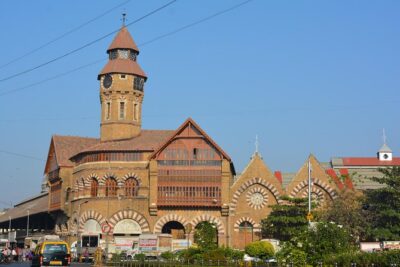
The highlight many people remember is Chhatrapati Shivaji Maharaj Terminus (CST). The tour includes a photo stop and guided visit. CST is listed for its design, but the best way to experience it is with a guide who can point out how the details function—how the station’s silhouette and ornamentation reflect a certain era of ambition.
CST can be a little disorienting if you treat it like just another landmark. But with guided time, it turns into something else: a working reminder that infrastructure is also art.
A practical tip: plan on photo time that doesn’t feel rushed. The tour builds in stops, but you still want to be ready for crowds and shifting light. Sunglasses help; comfortable shoes help more.
Lunch stop, Crawford Market, and Mani Bhavan: food and civic memory in one arc
Between major sights, you get a lunch break and then a swing through local places.
Lunch at a local restaurant
The plan includes lunch at a local restaurant featuring authentic Indian cuisine. The tour data doesn’t list lunch as clearly included, so I recommend you assume lunch is on you unless your booking clearly states otherwise. If you have dietary needs, it’s worth telling your guide at the start of the day so the lunch option fits.
Crawford Market: spices, produce, and everyday trading
Next comes Crawford Market, with a photo stop and guided tour. This is the kind of stop that helps you stop thinking of Mumbai as only famous buildings. Markets show you how the city runs at street level—spices, fruits, handicrafts, and souvenirs.
It’s also a place where your guide can steer you. Don’t aimlessly wander; ask what to look for and what’s worth buying versus what’s just common tourist stock.
Mani Bhavan: quiet context for Gandhi’s role
Then you visit Mani Bhavan, a museum dedicated to Mahatma Gandhi. The tone shifts here—less noise, more reflection. It’s a useful contrast after the station architecture and market energy, especially if you’re learning Mumbai through more than just buildings.
Marine Drive and Hanging Gardens: sea views that don’t feel like a late bonus
The tour includes a drive along Marine Drive, also called the Queen’s Necklace. The key is that you’re not just passing by at random. The route is built into the day so you can absorb sea views and skyline lines after you’ve done heavier walking at the caves and CST.
Then you head to Hanging Gardens atop Malabar Hill for a photo stop, guided tour, and a view of the city and the Arabian Sea. This works well because it’s a timed reset: once you’ve seen temples and a major rail station, the cityscape from a height gives your brain a new angle.
If you’re sensitive to heat, go easy on the timeline here. Use the guided moments as your cue for when to slow down and when to move. The tour’s private setup helps you pace yourself more than a large group would.
Dharavi Slum: a guided look at work, resilience, and daily rhythm
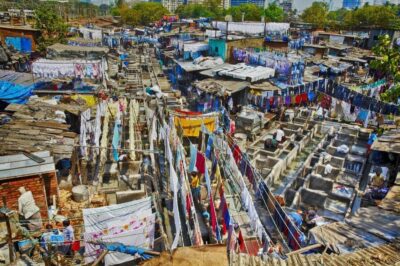
The final big cultural stop is Dharavi Slum, with a guided visit. The plan is designed to show more than a general impression. You’re expected to see community life and small-scale industries such as pottery, leatherwork, and recycling.
One reason this part earns strong praise is the emphasis on safety and thoughtful guidance. Guides such as Saif are praised for introducing visitors to local people in a respectful way, including home visits and hands-on views of small workplaces. Another guide-focused experience emphasized that visitors can feel totally safe when guided properly.
A quick reality check: Dharavi can feel emotionally heavy. That doesn’t mean you should avoid it. It means you should approach it with the right mindset:
- Listen more than you talk.
- Follow your guide’s cues about what’s okay to photograph and where to stand.
- If you feel overwhelmed, ask for a pause. Some guides are known for checking in and adjusting pace for comfort.
Also, consider who this suits. This stop is a strong fit for first-timers who want to understand Mumbai beyond postcards. It can be a tough fit if you need a light, entertainment-only day or if you’re uncomfortable with poverty-related subject matter.
What the $69 price covers—and where you should budget extra
At $69 per person for an 8-hour private tour, the value is in the combination of things that cost money and time:
- Private English guide
- Hotel pickup and drop-off
- Air-conditioned vehicle with a driver
- All charges & parking
- Water bottle
- Skip the line via a separate entrance
- Caves included (either Elephanta or Kanheri)
That’s a lot bundled for a full-day schedule across multiple zones of the city. The biggest cost saver is the transport plus guide working together to cut down wasted time.
What’s not clearly included is lunch. The tour day includes lunch, but the “not included” list only calls out personal expense. To stay safe, I’d set aside money for food and any snacks you want.
Who this tour fits best (and who should skip it)
This tour is best for you if:
- You want a first-time Mumbai orientation with real landmark coverage
- You care about architecture, especially CST and the British-era civic area around Oval Maidan
- You want UNESCO caves without planning ferries, tickets, and timed logistics yourself
- You want a guided view of Dharavi that focuses on everyday work
It may not fit you if:
- You’re pregnant, since the tour is listed as not suitable for pregnant women
- You strongly dislike weather-dependent plans, because monsoon season can affect ferry service to Elephanta
- You’re only interested in one type of experience (pure beach, pure museums, or only luxury)
Should you book this Mumbai full-day tour?
If your goal is to see the big pillars of Mumbai—sea-front landmarks, UNESCO caves, CST, views, and a guided look at Dharavi—this tour is a good match. The private AC transport and hotel pickup make it feel doable, not exhausting, and the guide-led explanations are a major part of why people rate it so highly.
I’d book it if you can handle a full day and you’re okay with the emotional weight of Dharavi as part of a broader picture. I’d think twice or plan carefully if your trip lands on a Monday (cave closures) or in monsoon season (ferry delays), because those factors can shift how the cave experience happens.
FAQ
How long is the tour?
The tour duration is listed as 8 hours.
What does the tour include for caves?
You’ll visit either the Elephanta Caves or the Kanheri Caves.
How do you get to Elephanta Caves?
The itinerary includes a ferry ride to Elephanta with about 45 minutes each way.
Are the caves open every day?
Elephanta Caves and Kanheri Caves are closed every Monday.
What happens in monsoon season?
During monsoon season (July to mid-September), ferry services may be delayed or canceled due to strong winds. If this happens, you’ll be offered an alternative option to visit the Kanheri Caves.
Is hotel pickup and drop-off included?
Yes. Hotel pickup and drop-off are included.
Is the tour private?
Yes. It’s a private group tour.
What language is the guide?
The guide is listed as English.
Is lunch included?
Lunch is mentioned in the itinerary, but the “not included” section lists personal expense only, so you should expect to pay for lunch unless your booking confirms otherwise.
What should I bring?
Bring comfortable shoes and sunglasses.
Is it suitable for pregnant women?
No, it is not suitable for pregnant women.
—
If you tell me your travel dates (and whether it’s a Monday) I can help you sanity-check the cave choice and the ferry risk.
City Circuits, More of Them
- Mumbai City of Dreams Tour in Private Vehicle
★ 5.0 · 299 reviews - Mumbai: Guided City Sightseeing Tour
★ 4.8 · 278 reviews - Mumbai City Sightseeing Small Group Tour
★ 5.0 · 216 reviews - Private Mumbai City Tour with Transport
★ 5.0 · 214 reviews
More Mumbai, Every Kind of Day
- Dharavi slum tour in Mumbai by Female tour guides of the slum
★ 5.0 · 1,976 reviews - Mumbai: Full-Day Sightseeing Tour of Mumbai
★ 4.9 · 1,822 reviews - Private Mumbai Sightseeing Tour (Traveller’s Choice Award Winner)
★ 5.0 · 1,565 reviews - Elephanta Caves & Island Guided Private Tour
★ 5.0 · 1,327 reviews
The Big Mumbai Circuits
- Mumbai: Full-Day Sightseeing Tour of Mumbai
★ 4.9 · 1,822 reviews - Private Mumbai Sightseeing Tour (Traveller’s Choice Award Winner)
★ 5.0 · 1,565 reviews - Highlights of Mumbai Sightseeing Tour: TRAVELLERS CHOICE AWARDED
★ 5.0 · 915 reviews - Highlights of South Mumbai Guided Private Tour in AC Vehicle
★ 5.0 · 620 reviews
New on the Mumbai shortlist


Sightseeing & City Highlights, compared.
 ★ 4.9Full-Day Sightseeing Tour of MumbaiFrom $241,822 reviews
 ★ 5.0Private Mumbai Sightseeing Tour (Traveller’s Choice Award Winner)From $271,565 reviews
 ★ 5.0Highlights of Mumbai Sightseeing Tour: TRAVELLERS CHOICE AWARDEDFrom $33915 reviews
 ★ 5.0Highlights of South Mumbai Guided Private Tour in AC VehicleFrom $74620 reviews
 ★ 5.0Private Mumbai Sightseeing Tour(Travellers Choice Award Winner)From $29565 reviews
 ★ 5.0Private Half-Day Sightseeing Tour in MumbaiFrom $33430 reviews
 ★ 5.0Private Elephanta Caves & Mumbai Sightseeing Tour with AC CarFrom $29389 reviews
 ★ 5.0Private Mumbai Sightseeing Tour with Local English GuideFrom $33342 reviews
Browse the lists this tour appears in