
Review · SIGHTSEEING & CITY HIGHLIGHTS
LGBTQ Friendly Mumbai City Tour
Mumbai hits fast, and this tour helps you breathe. It’s a purpose-built LGBTQ-friendly private city experience with a private guide and vehicle, so you get around with less stress than figuring it out on your own. I especially love the mix of major Mumbai landmarks and everyday scenes that give you real orientation in a short time, and I love that lunch is included at Leopold Cafe & Bar so you’re not rushing to find food between stops. The main drawback to plan for is the pacing: you’ll cover a lot in about 5 to 6 hours, so it’s not a tour for lingering.
What makes it feel personal is the human touch. In the guides’ names that show up in past experiences—Tiger, Shoiab, and Rahil Khan—you can sense a focus on friendly, professional service and a relaxed, car-based rhythm. You’ll also get hotel and port pickup and drop-off, plus transport by private vehicle, which matters a lot in Mumbai when you want the day to start and end smoothly.
In This Review
- Key Things That Make This LGBTQ-Friendly Mumbai Tour Worth Your Time
- LGBTQ-Friendly Comfort in Mumbai: How This Tour Helps You Feel at Ease
- Price and What You Actually Get for $130 Per Person
- Marine Drive to Gateway of India: Coastal Views First, Then a British-Era Icon
- Taj Mahal Tower, Jain Temple, and Oval Maidan: Mumbai’s Big Mix in One Stretch
- Bandra Fort, Bandstand Promenade, and Sassoon Dock: Sea Views and Working-City Energy
- Dhobi Ghat and Crawford Market: Daily Life You’ll Remember
- Colaba Causeway Market and the Leopold Cafe Lunch Break
- CSMT Heritage Museum and Mount Mary Basilica: Rail and Faith for a Different Kind of Mumbai
- Who This LGBTQ-Friendly Mumbai Tour Is Best For (and When It Might Not Fit)
- Should You Book This LGBTQ-Friendly Mumbai City Tour?
- FAQ
- How much does the LGBTQ Friendly Mumbai City Tour cost?
- How long is the tour?
- Is pickup included?
- What’s included in the tour price?
- Is lunch included, and do you offer vegetarian options?
- Are drinks or alcoholic drinks included?
- Is this tour private?
- What should I wear, and what are the age limits?
- Does it run in bad weather, and is cancellation free?
Key Things That Make This LGBTQ-Friendly Mumbai Tour Worth Your Time
- Private guide + vehicle to help you move confidently through busy areas
- Lunch at Leopold Cafe & Bar included, with a vegetarian option available
- Free-admission style stops on the schedule, so you’re not constantly paying entry fees
- A smart mix of icons and daily life, from Marine Drive to Dhobi Ghat and Crawford Market
- Service that feels handled, including pickup and a mobile ticket
LGBTQ-Friendly Comfort in Mumbai: How This Tour Helps You Feel at Ease
Mumbai is a big, loud, crowded city—beautiful, yes, but it can also feel unpredictable if you’re trying to read social cues while you’re sightseeing. This tour is designed as an LGBTQ-friendly experience made from the LGBTQ community, with a private guide and vehicle. That combination does two practical things: it reduces decision fatigue, and it gives you a local “translator” for context—what you’re seeing, why it’s important, and how to handle the moments where crowds or attention might happen.
I also like the structure: you’re not doing a random walk-about. The day is built around clear stops, mostly brief, and you’re always in a vehicle between areas. That’s a real advantage if you want to explore comfortably without turning the trip into a test of endurance. And because the tour is private, you’re not trying to fit your pace into a group that may move differently than you do.
One more comfort point: you’ll have the right kind of plan for meals. Lunch at Leopold Cafe & Bar is included, so you don’t have to hunt for something open and suitable while your energy is low. Still, remember that comfort doesn’t mean “no walking.” You’ll step out, look, take photos, and move on—so wear shoes you can stand in for a stretch.
Price and What You Actually Get for $130 Per Person

At $130 per person for a 5 to 6 hour private tour, the value isn’t just the sightseeing. The price includes the things that usually add up quickly on a city day: hotel pickup and drop-off, port pickup and drop-off (for cruise passengers), transport by private vehicle, and driver/guide plus a local guide, plus lunch.
When you compare that to a DIY plan, the savings are less about a single ticket cost and more about time and hassle. A private vehicle and guided pacing can easily cost more once you start paying separately for transport, a guide, and a meal. Here, lunch is handled upfront, and the schedule lists free admission tickets for each stop. That doesn’t mean every venue is always free in every situation, but it does tell you the tour is built to keep entry costs minimal.
Two details that affect your day-to-day experience:
- It’s a private tour/activity, so only your group participates.
- You’ll have a mobile ticket, which tends to simplify the check-in moment.
If you’re traveling with someone who prefers structure, this kind of value bundle helps. If you want long museum time or deep dives into one neighborhood, the 5 to 6 hour limit may feel short. The tradeoff is coverage: you’ll see a lot of Mumbai without needing to plan every turn.
Other loops past the Gateway, Marine Drive and beyond



Marine Drive to Gateway of India: Coastal Views First, Then a British-Era Icon
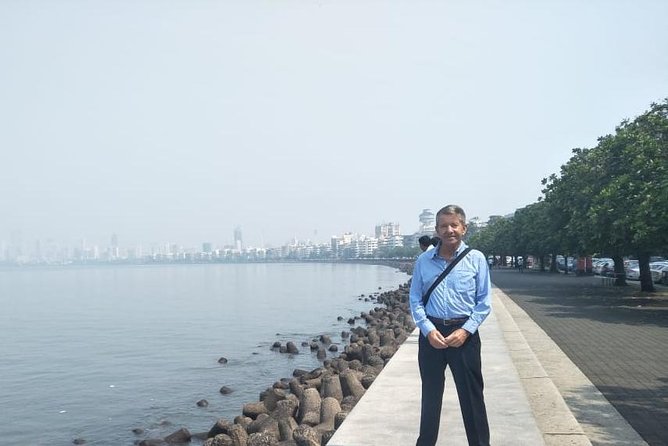
You start with Marine Drive, often called the Queens necklace. This is one of those Mumbai scenes that looks simple from a distance and then grows on you as you take it in—sea air, skyline, and the feeling of a city that’s always moving. The stop is short (around 10 minutes), but it’s enough to get the main photo angle and the “yes, I get it” feeling that helps the rest of the day click.
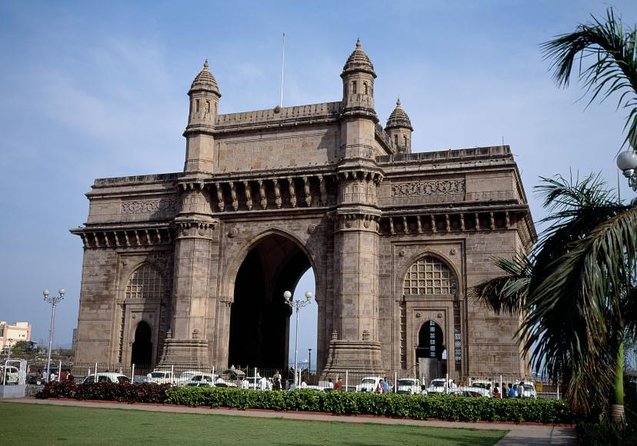
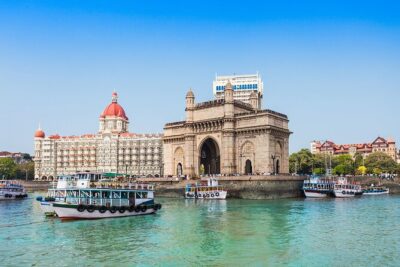
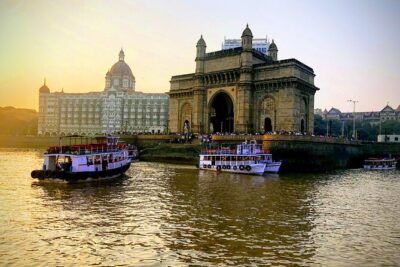
Then comes Gateway of India, a British-era monument about 111 years old based on the schedule details. It’s a major landmark for a reason. Even if you’ve seen pictures, the scale of it makes the city feel real, not just seen through a screen. Again, it’s a quick stop, so don’t plan on reading every plaque. The point here is to get oriented and move into the heart of Mumbai’s layered identity.
A practical tip: because this is an early sequence and the stops are brief, bring whatever you need for photos right away—phone battery, sunglasses, and a light layer if you get sun or breeze. The tour is efficient, so you’ll want to be ready the moment you step out.
Taj Mahal Tower, Jain Temple, and Oval Maidan: Mumbai’s Big Mix in One Stretch
Next, you’ll pass Taj Mahal Tower, Mumbai—the Taj Mahal Palace—described as a heritage hotel more than 100 years old. Even without going inside, it works as a visual anchor. It signals old-world prestige next to a modern city that keeps going. For many first-time visitors, this stop is one of those “this is where the story gets interesting” moments.
Then the day pivots into spirituality with a Jain Temple in the Malabar Hill area. This is your reminder that Mumbai isn’t only monuments and markets. It’s also active places of worship and community. The stop is about 10 minutes, so you’ll be observing from a respectful distance and learning enough to understand what you’re looking at before moving on.
After that, Oval Maidan gives you a different kind of landmark: the huge cricket ground. Cricket is part of the city’s everyday identity, not just a sport. Even if you’re not a cricket person, you can feel why this place matters. It’s also helpful for understanding Mumbai’s rhythm—open space and spectatorship in the middle of dense development.
The main consideration here is mental switching. You go from luxury heritage vibes to religious space to sports culture, and all of it happens quickly. If you’re the kind of traveler who likes slow transitions, build in a little patience with the pace. The upside is you get a wider Mumbai snapshot without spending your whole day commuting between far-flung areas.
Bandra Fort, Bandstand Promenade, and Sassoon Dock: Sea Views and Working-City Energy
Bandra Fort is next, and it’s a practical photo stop with a viewpoint that pulls people in. The schedule mentions that many people come daily, which is exactly why this is a good place to pause. You’ll see the city from a perspective locals actually use, not just a quiet viewpoint designed for tourists. It also sets you up for the next band of coastal scenes.
Then you’ll move to Bandstand Promenade, also in Bandra, where people jog, walk, and sit along the bay. This part of the tour is especially nice if you want a break from dense crowds without leaving the city. The promenade gives you a slower feeling for a short time. You’re still moving around, but the atmosphere is more horizontal—walking, looking, and watching life unfold.
After that, Sassoon Dock shifts you toward Mumbai’s working shoreline. It’s described as the oldest fishing village in Mumbai. This isn’t “museum Mumbai.” It’s the city’s labor and livelihood, framed through a location that helps you understand how ocean life supports the metropolis.
If you’re sensitive to crowds, plan for this: places that are scenic and popular tend to be busy. The tour’s short stop times help you manage that, but it’s not a private secluded viewpoint. I’d think of these stops as photo-and-observe moments rather than long sightseeing sessions.
Other ways to cover Mumbai end to end
- Mumbai City of Dreams Tour in Private Vehicle
★ 5.0 · 299 reviews - Mumbai: Guided City Sightseeing Tour
★ 4.8 · 278 reviews - Mumbai City Sightseeing Small Group Tour
★ 5.0 · 216 reviews - Private Mumbai City Tour with Transport
★ 5.0 · 214 reviews - Mumbai: City Tour, Elephanta Caves, Dharavi Slum W/Options
★ 4.9 · 198 reviews - Half Day Mumbai City Private Sightseeing Tour
★ 5.0 · 181 reviews
Dhobi Ghat and Crawford Market: Daily Life You’ll Remember
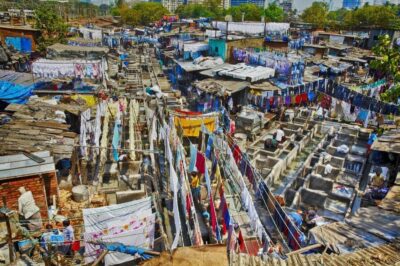
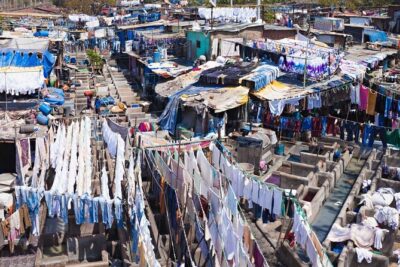
Now you reach Dhobi Ghat, described as the biggest open-air laundry in the world. This is one of those stops that doesn’t feel like a typical sightseeing checkbox. You get to see people washing clothes by hand in traditional style. Even if you’re not sure how to interpret it at first, the sensory reality of the place makes the city’s everyday systems feel tangible.
The important thing: keep your expectations grounded. This is a living workplace. It’s fascinating, but it’s not there for your entertainment. If you’re taking photos, be respectful and quick. Use your guide’s cues for what’s appropriate in the moment.
After that comes Crawford Market, and this stop is a practical traveler’s win. It’s described as a wholesale fruits and vegetables market, with spices and utility items of the house at cheaper prices. The atmosphere here is different from scenic landmarks: it’s trade, motion, and variety. You’ll get a feel for what residents buy and how Mumbai eats, cooks, and stores supplies.
Because the time at each stop is limited, don’t come expecting to do serious shopping deep in the aisles. Think of Crawford Market as a sampling stop—browse, learn, and pick up something small if it fits your travel style. If you love food markets, this is the kind of place you’ll wish you had more time in. Still, even a brief visit can give you a strong sense of the city’s everyday economy.
Colaba Causeway Market and the Leopold Cafe Lunch Break
Between the market scenes and the heritage stops, you’ll enjoy lunch at Leopold Cafe & Bar. Lunch being included changes the whole tour feel. You’re not searching for the right time to eat or trying to negotiate a meal with limited context. The tour also notes a vegetarian option is available if you advise ahead of time, which makes it easier to plan a comfortable meal.
Leopold is also one of those “famous enough to be worth it” places, which matters for visitors who want a taste of Mumbai without needing a local referral. If you’re traveling with a friend who’s picky about meals or timing, having lunch handled is a stress reducer.
After lunch, you’ll visit Colaba Causeway Market, described as being in the Colaba area with lovely handbags, imitation jewelry, footwear, and clothes. This is your quick shopping and browsing moment. It’s ideal for grabbing small souvenirs that feel personal, not generic, and for taking a break from landmark gazing.
The drawback to keep in mind is that you may only have a short window. Market time is where you feel the pace most. If you want to bargain, browse slowly, or compare items, this tour’s stop length means you’ll have to prioritize. Choose what matters most to you—one or two categories—and go for those.
CSMT Heritage Museum and Mount Mary Basilica: Rail and Faith for a Different Kind of Mumbai
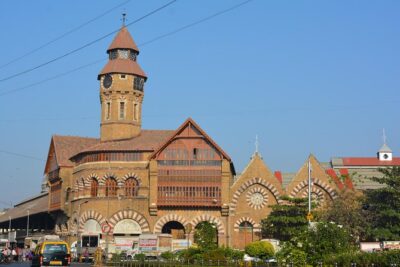
Later in the day, you’ll stop at CSMT Heritage Museum. CSMT—formerly known as Victoria terminus—is described as the biggest train station in India, with trains across the country and local trains within the city. Even if you don’t ride anywhere, the station’s presence tells you something essential about Mumbai: this city moves people constantly, and rail is part of its heartbeat.
This stop can also be a nice change of pace. It’s more structured and indoor-adjacent than open-air laundry or busy markets. It’s a good moment to reset and look at the city through infrastructure, not just scenery.
Finally, the tour includes Mount Mary Basilica in the Bandra area. It’s described as a beautiful church. This adds another layer to the day—architecture, faith, and community. Like other stops, it’s brief, so focus on what you can absorb quickly: the setting, the feel of the space, and the guide’s commentary tying it into Mumbai’s larger story.
If you like variety, this ending sequence is smart. You finish with a sense of both movement (rail) and meaning (church), which gives you a broader mental map of what Mumbai is.
Who This LGBTQ-Friendly Mumbai Tour Is Best For (and When It Might Not Fit)
This is a strong match if you want:
- A private, LGBTQ-friendly way to see Mumbai without having to manage all the logistics alone
- A guided day that mixes top landmarks (Marine Drive, Gateway of India) with daily life (Dhobi Ghat, Crawford Market)
- Included lunch at Leopold Cafe & Bar, plus pickup and drop-off that keep your schedule tidy
You’ll also appreciate it if you’re the kind of traveler who likes a “see a lot, learn quickly” pace. The schedule is built from short stops, so you get broad coverage in about 5 to 6 hours rather than turning one neighborhood into a full day.
The main people to reconsider are those who need a slower tour. If you’re hoping for long, deep time inside museums, this format is designed for breadth. The tour also notes travelers should have moderate physical fitness. That doesn’t mean anything extreme, but you should be comfortable with stepping out, walking around busy areas, and moving from stop to stop.
Should You Book This LGBTQ-Friendly Mumbai City Tour?
If your goal is to get your bearings in Mumbai with a private guide, a vehicle, and an LGBTQ-friendly approach, this tour makes a lot of sense. The included lunch at Leopold Cafe & Bar, plus hotel or port pickup, reduces the stress points that can spoil a first day in a big city. And because the planned stops list free admission, you’re mostly paying for guiding and time—not a pile of tickets.
Book it if you’re short on time, want a balanced mix of famous landmarks and real-life Mumbai, and prefer comfort over constant navigation. Consider skipping (or pairing it with extra solo time) if you’re a slow traveler who likes to linger in one place, or if you’re expecting a highly detailed, museum-heavy itinerary.
FAQ
How much does the LGBTQ Friendly Mumbai City Tour cost?
It costs $130.00 per person.
How long is the tour?
The tour runs about 5 to 6 hours.
Is pickup included?
Yes. The tour offers hotel pickup and drop-off, and port pickup and drop-off (important for cruise passengers).
What’s included in the tour price?
Lunch, driver/guide, a local guide, hotel pickup and drop-off, port pickup and drop-off, and transport by private vehicle are included.
Is lunch included, and do you offer vegetarian options?
Yes, lunch is included. A vegetarian option is available if you advise at booking.
Are drinks or alcoholic drinks included?
No. Alcoholic drinks are available to purchase, but alcoholic drinks and drinks are not included in the tour price.
Is this tour private?
Yes. It’s a private tour/activity, and only your group will participate.
What should I wear, and what are the age limits?
The dress code is smart casual. Minimum age is 18 years, and the minimum drinking age is 21 years.
Does it run in bad weather, and is cancellation free?
The tour operates in all weather conditions, so you should dress appropriately. Free cancellation is available up to 24 hours in advance for a full refund.
City Circuits, More of Them
- Mumbai City of Dreams Tour in Private Vehicle
★ 5.0 · 299 reviews - Mumbai: Guided City Sightseeing Tour
★ 4.8 · 278 reviews - Mumbai City Sightseeing Small Group Tour
★ 5.0 · 216 reviews - Private Mumbai City Tour with Transport
★ 5.0 · 214 reviews
More Mumbai, Every Kind of Day
- Dharavi slum tour in Mumbai by Female tour guides of the slum
★ 5.0 · 1,976 reviews - Mumbai: Full-Day Sightseeing Tour of Mumbai
★ 4.9 · 1,822 reviews - Private Mumbai Sightseeing Tour (Traveller’s Choice Award Winner)
★ 5.0 · 1,565 reviews - Elephanta Caves & Island Guided Private Tour
★ 5.0 · 1,327 reviews
The Big Mumbai Circuits
- Mumbai: Full-Day Sightseeing Tour of Mumbai
★ 4.9 · 1,822 reviews - Private Mumbai Sightseeing Tour (Traveller’s Choice Award Winner)
★ 5.0 · 1,565 reviews - Highlights of Mumbai Sightseeing Tour: TRAVELLERS CHOICE AWARDED
★ 5.0 · 915 reviews - Highlights of South Mumbai Guided Private Tour in AC Vehicle
★ 5.0 · 620 reviews
New on the Mumbai shortlist


Sightseeing & City Highlights, compared.
 ★ 4.9Full-Day Sightseeing Tour of MumbaiFrom $241,822 reviews
 ★ 5.0Private Mumbai Sightseeing Tour (Traveller’s Choice Award Winner)From $271,565 reviews
 ★ 5.0Highlights of Mumbai Sightseeing Tour: TRAVELLERS CHOICE AWARDEDFrom $33915 reviews
 ★ 5.0Highlights of South Mumbai Guided Private Tour in AC VehicleFrom $74620 reviews
 ★ 5.0Private Mumbai Sightseeing Tour(Travellers Choice Award Winner)From $29565 reviews
 ★ 5.0Private Half-Day Sightseeing Tour in MumbaiFrom $33430 reviews
 ★ 5.0Private Elephanta Caves & Mumbai Sightseeing Tour with AC CarFrom $29389 reviews
 ★ 5.0Private Mumbai Sightseeing Tour with Local English GuideFrom $33342 reviews
Browse the lists this tour appears in